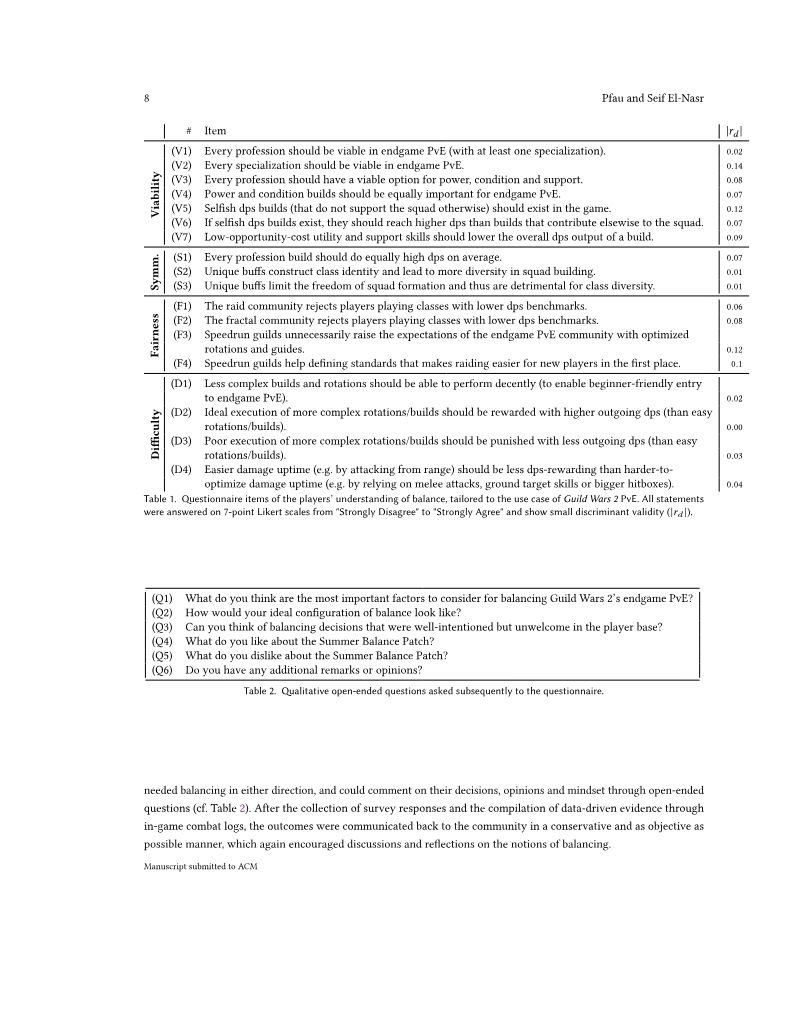
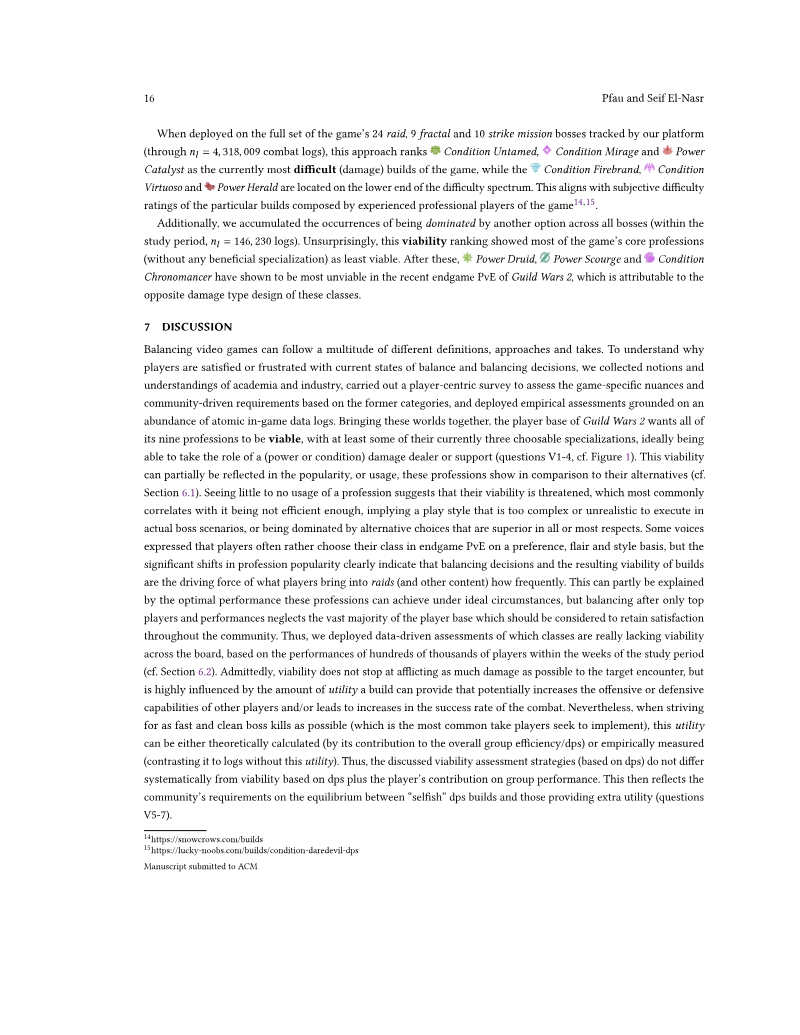
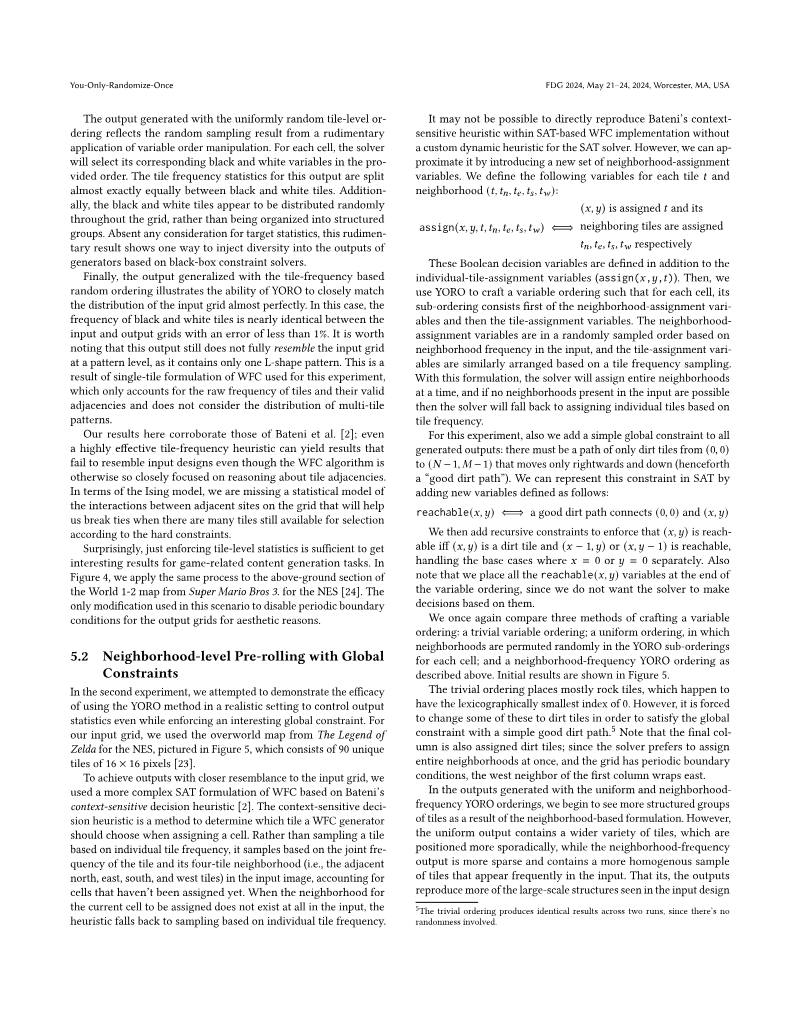
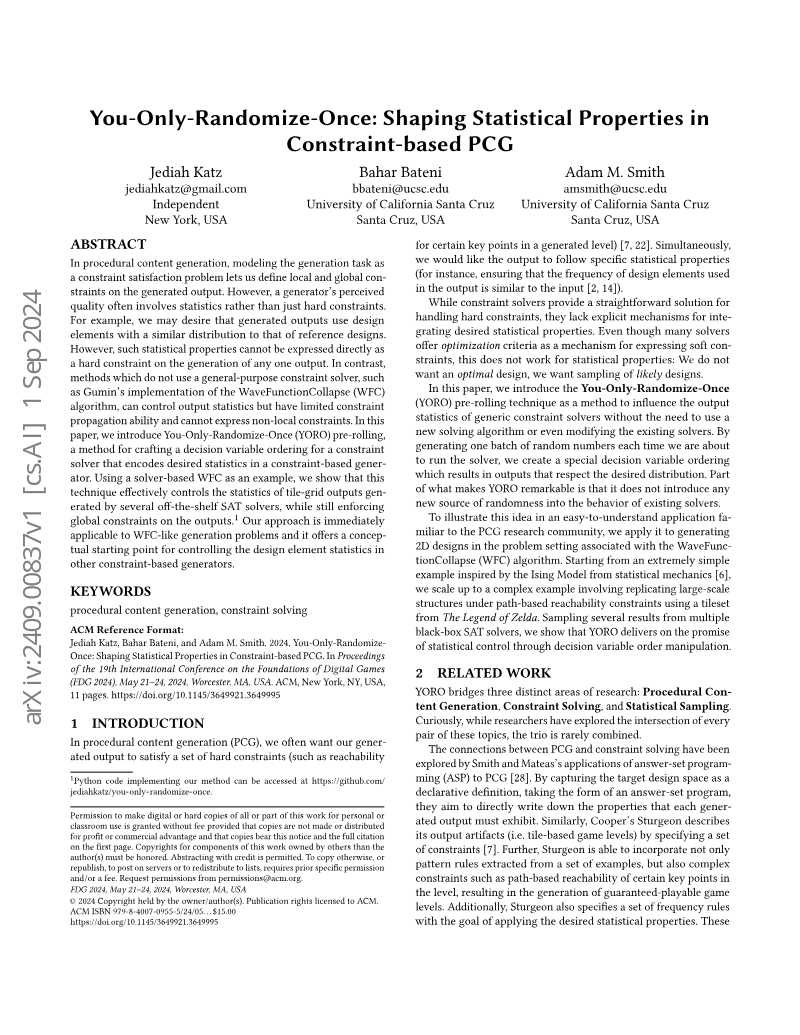
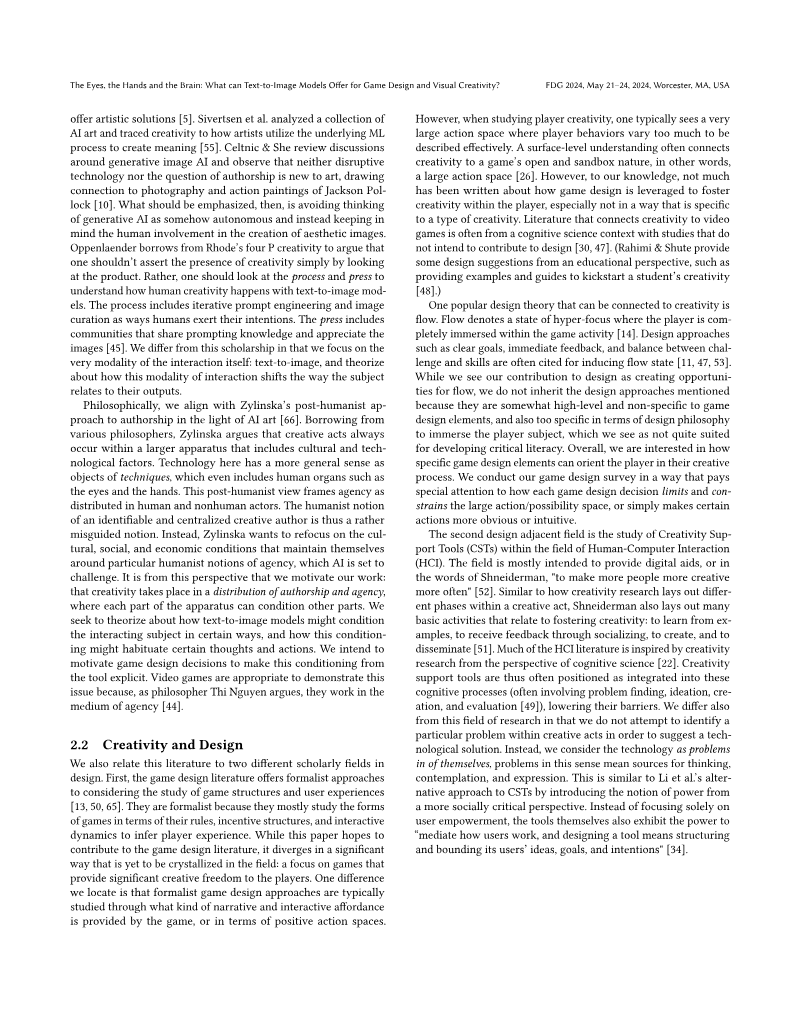
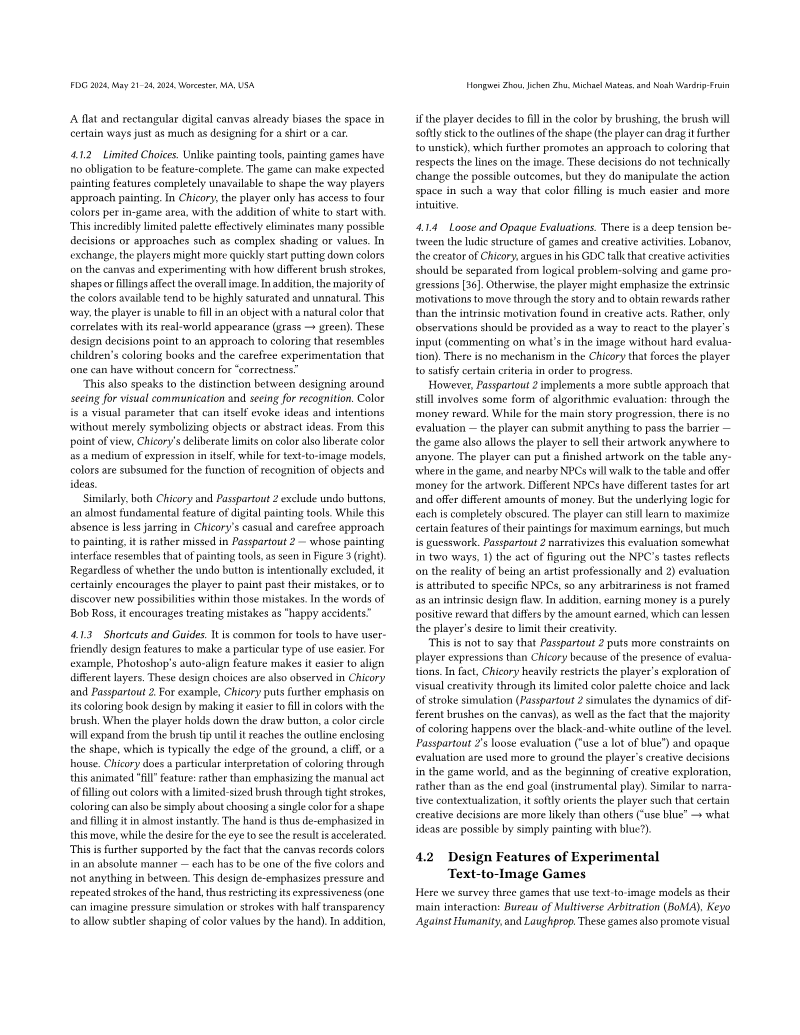
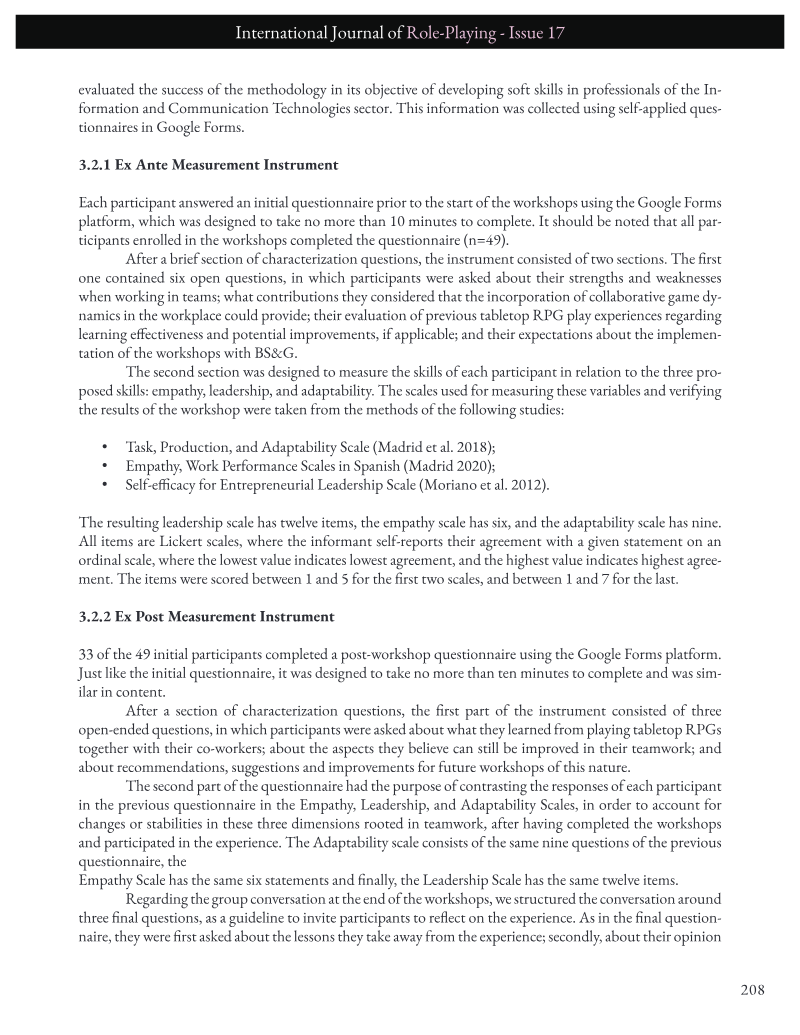
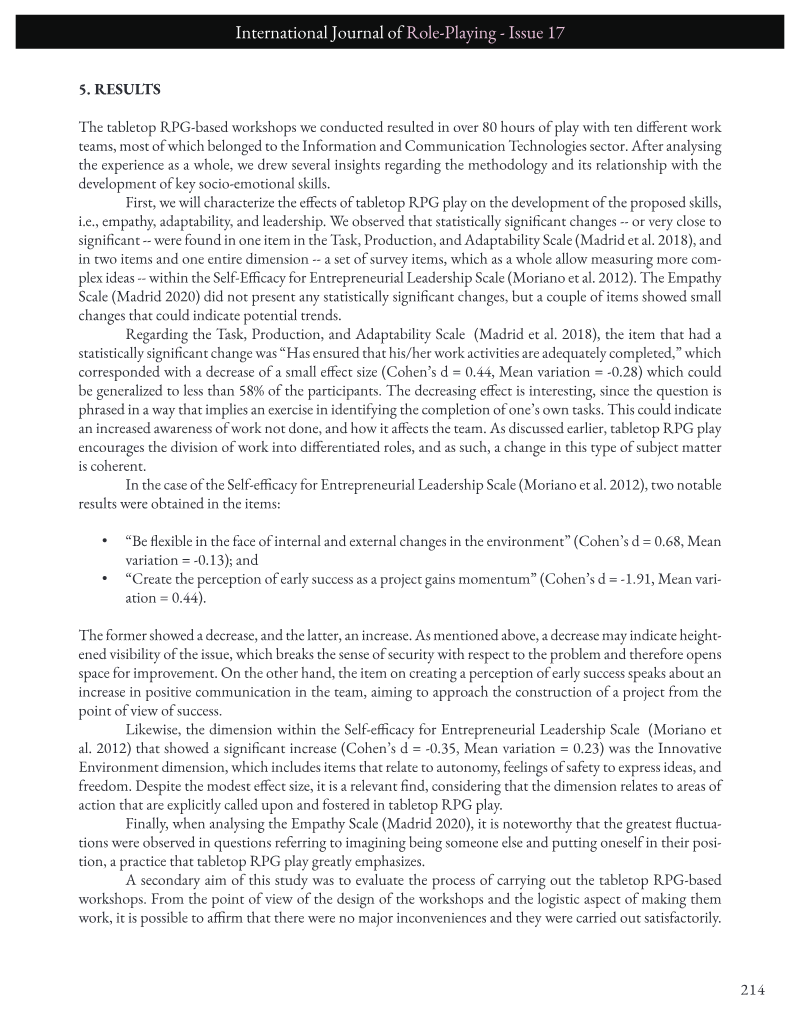
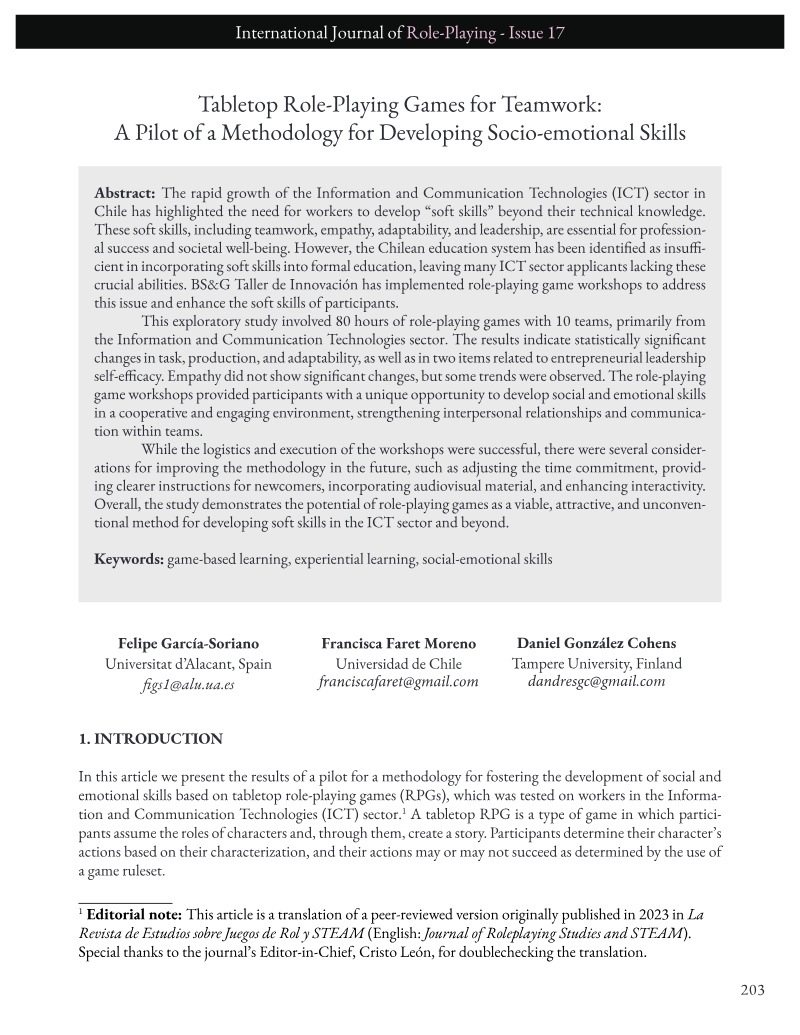
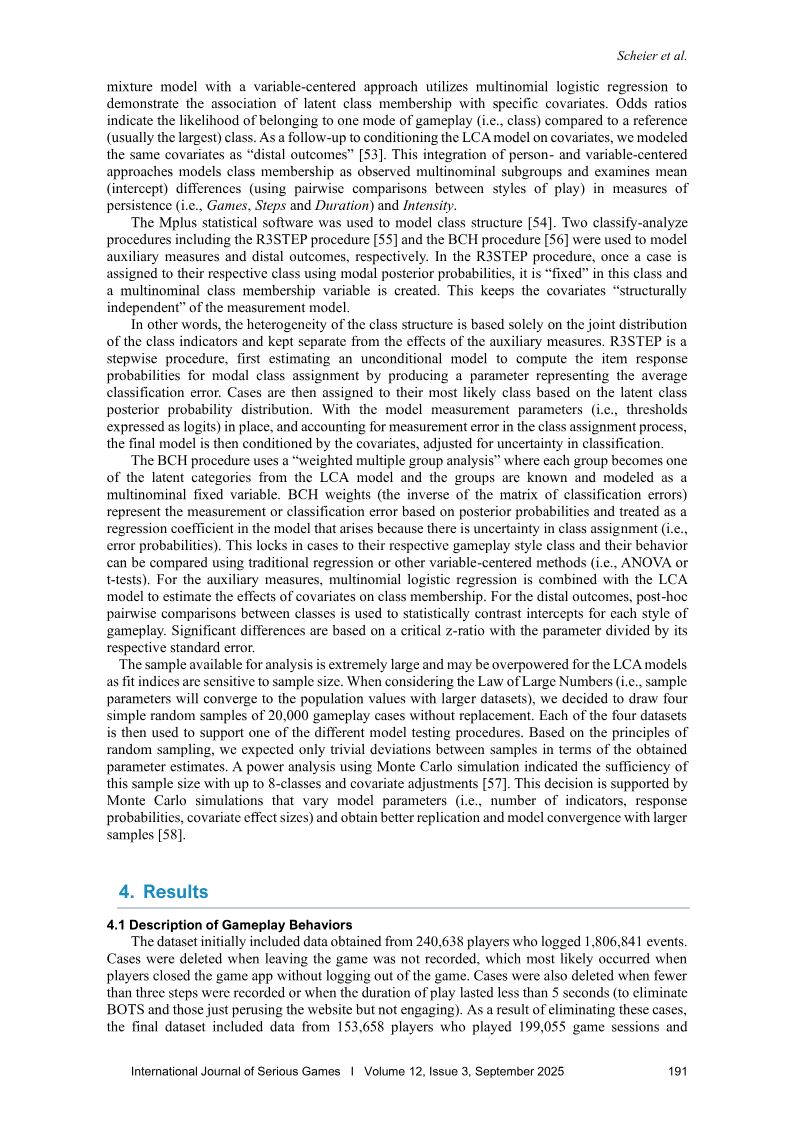
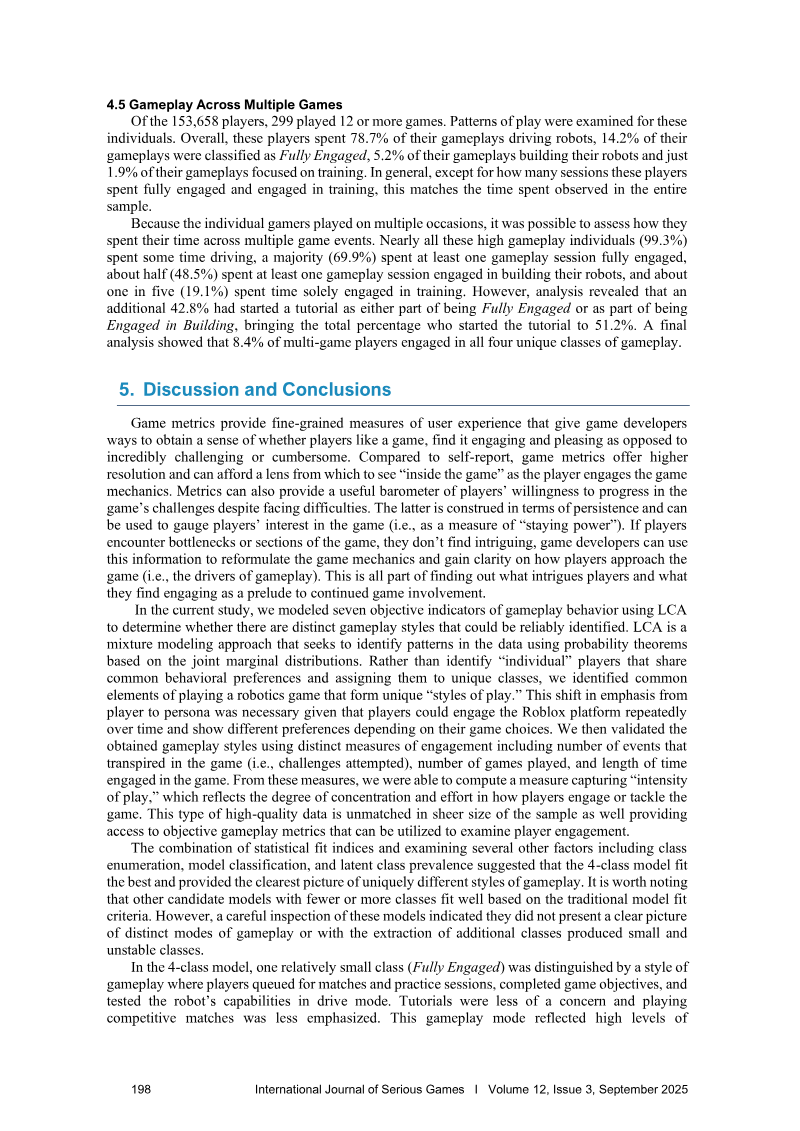
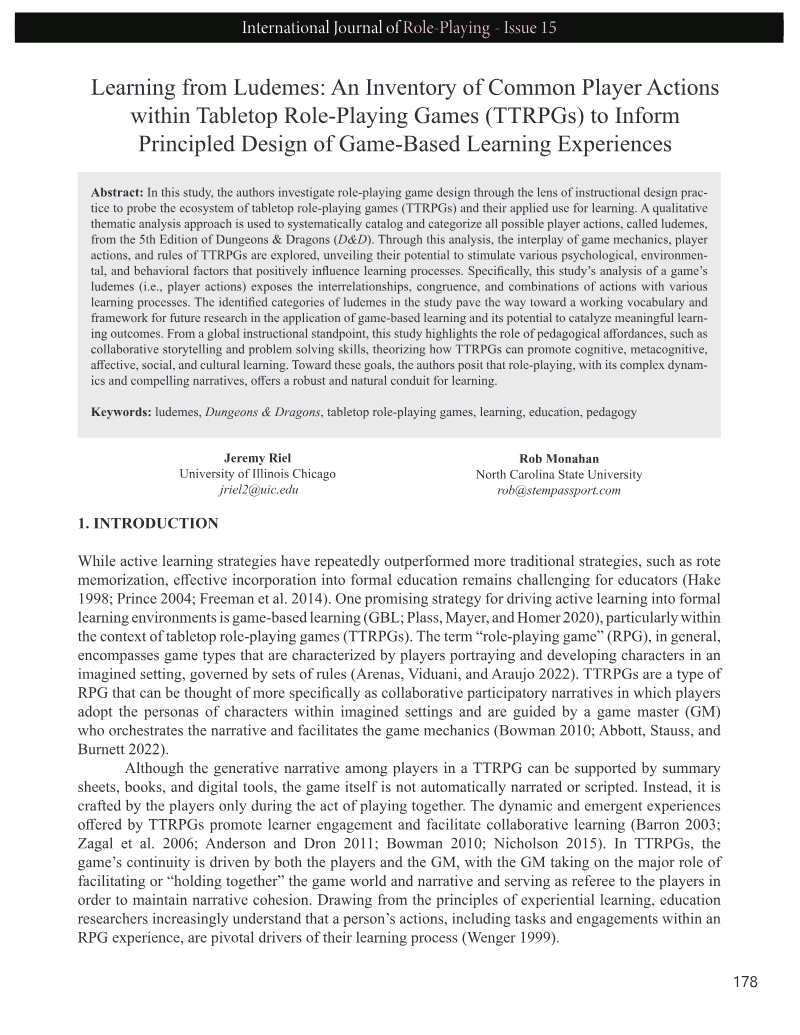
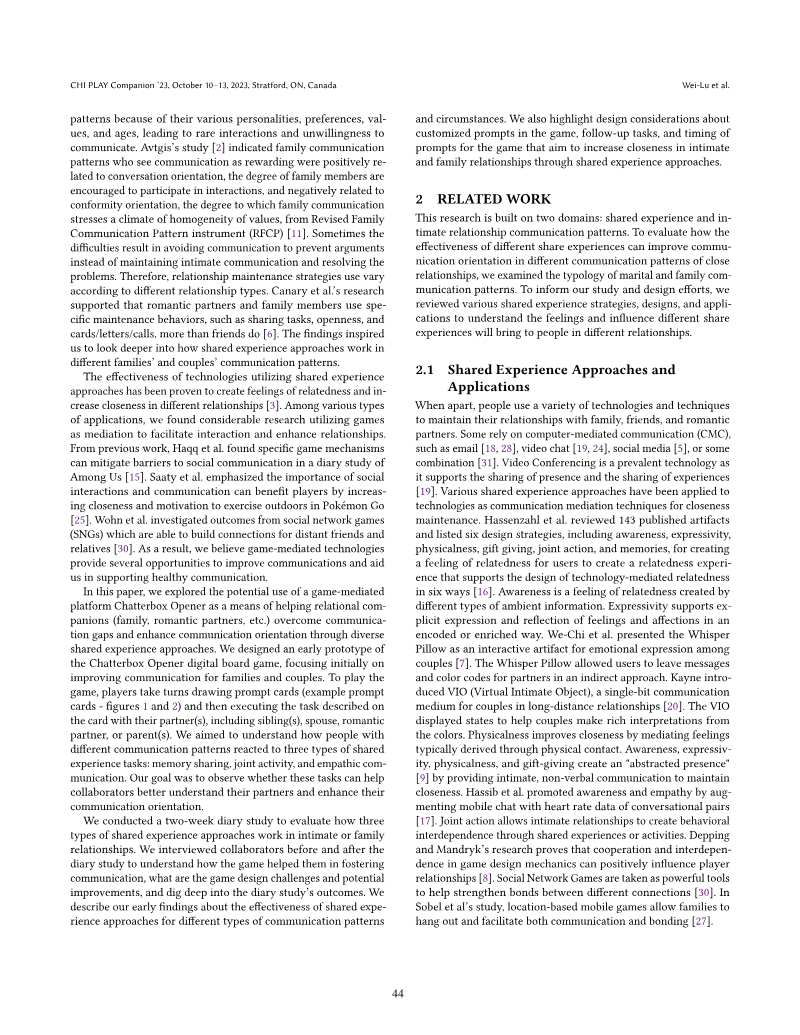
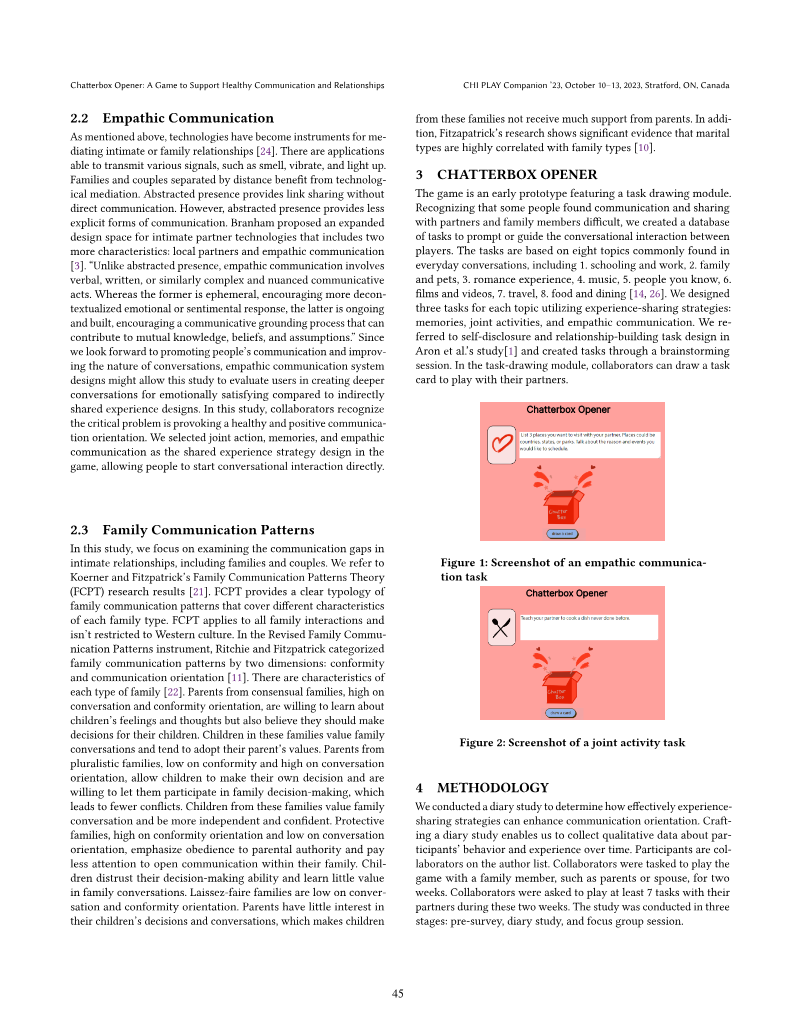
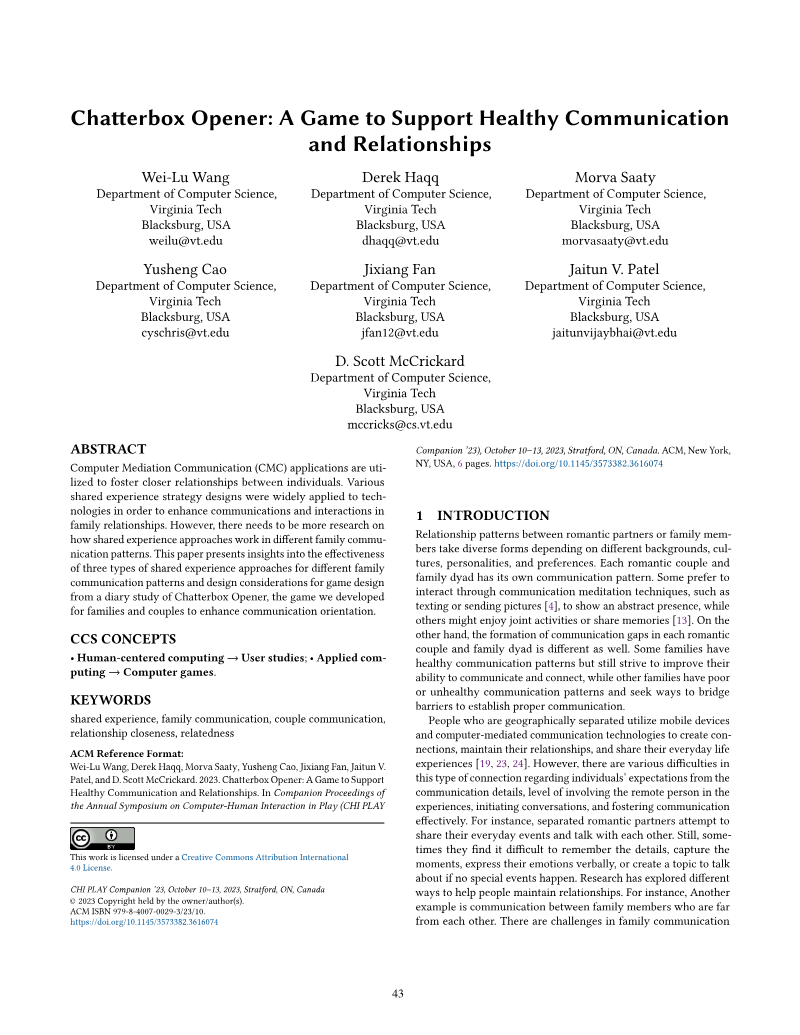
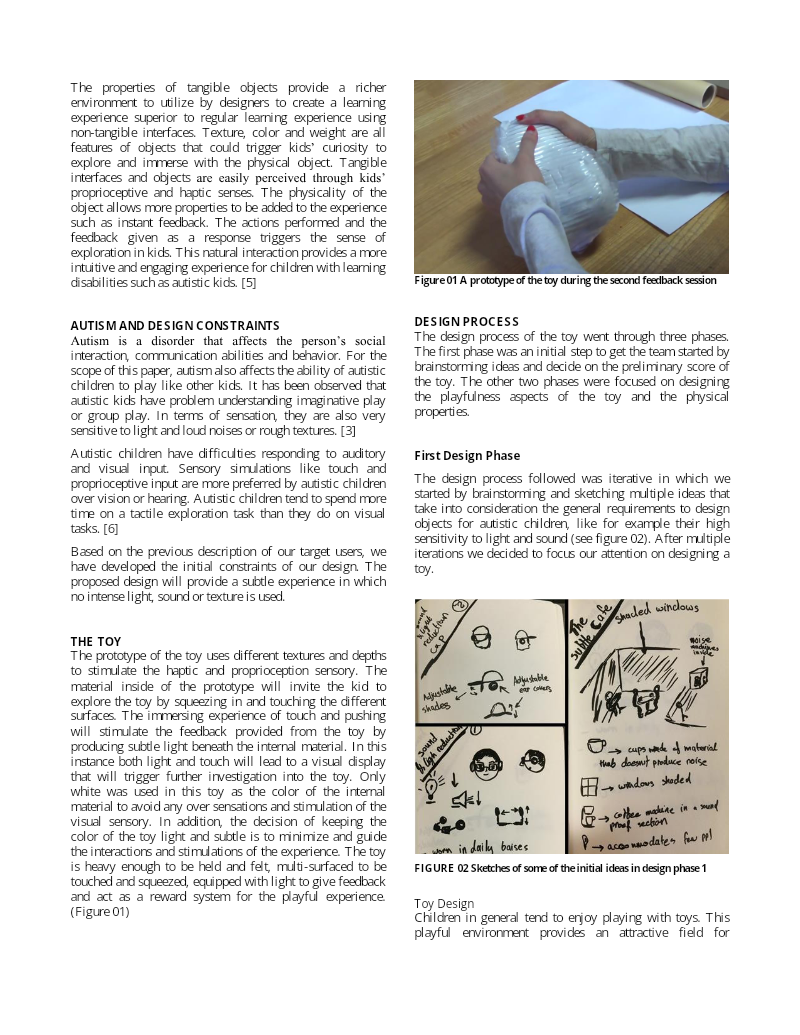
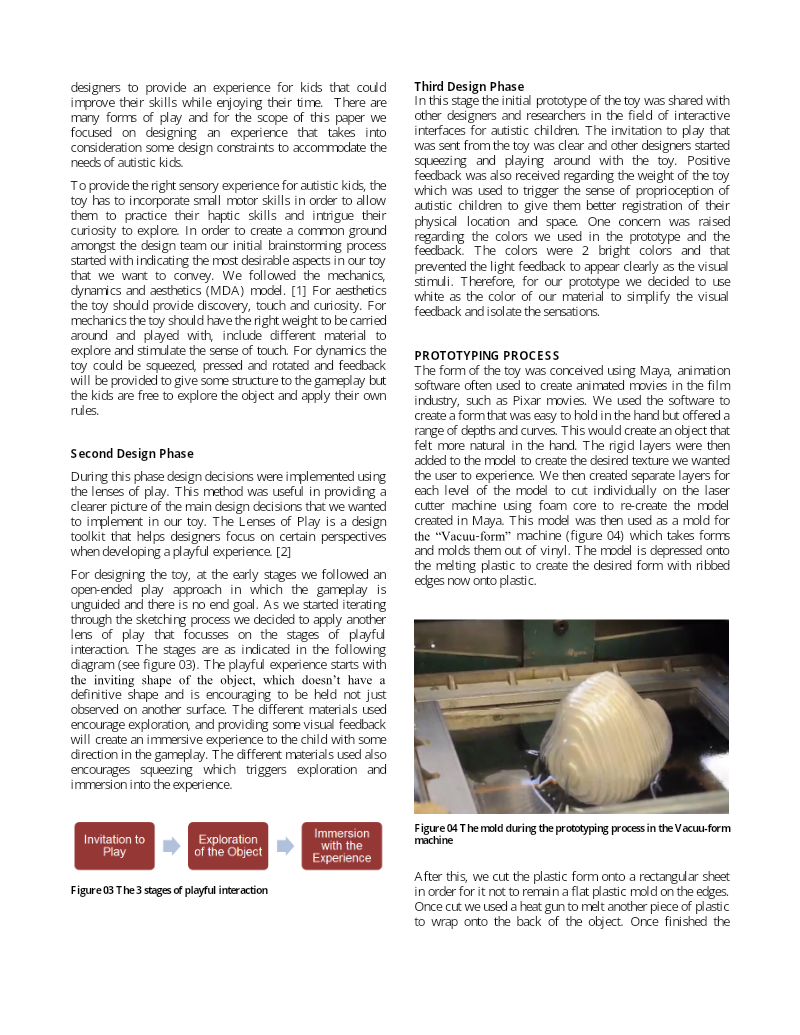
The development of interactive tabletop games serves as a strategic intervention to enhance community flood resilience by translating abstract climate risk guidelines into tangible, localized actions. By employing an iterative, participatory design process that integrates expert focus groups, field observations, and public surveys, researchers have successfully synthesized 27 actionable measures into 20 specialized game cards. These artifacts are designed to bridge the gap between official policy and grassroots preparedness, empowering non-experts to navigate the complexities of coastal climate hazards through collaborative, bottom-up strategies.
The game mechanics utilize integrated technology, such as QR codes and NFC tags, to connect gameplay directly to real-world preparation tasks. These actions are organized into four primary dimensions—Family and Pets, Neighborhood Relations, Maintenance Tasks, and Information Engagement—which collectively address the various phases of a flood event. A structured scoring system further categorizes these behaviors, ensuring that players engage with a comprehensive range of activities, including resource mapping, community volunteering, and infrastructure upkeep.
While the initial research utilized a limited survey sample, the project establishes a scalable framework for using game-based interventions to foster proactive community engagement. By mapping social dilemmas and emergency preparedness tasks onto a tabletop format, the initiative provides a practical model for translating environmental risks into behavioral change. This approach effectively democratizes disaster management, offering a replicable method for communities to build social capital and resilience against increasing climate-related threats.