1 free read left. Create a free account for unlimited reading + AI research.
Create free accountWhitepaperUniversity of California
Distilling the key insights…
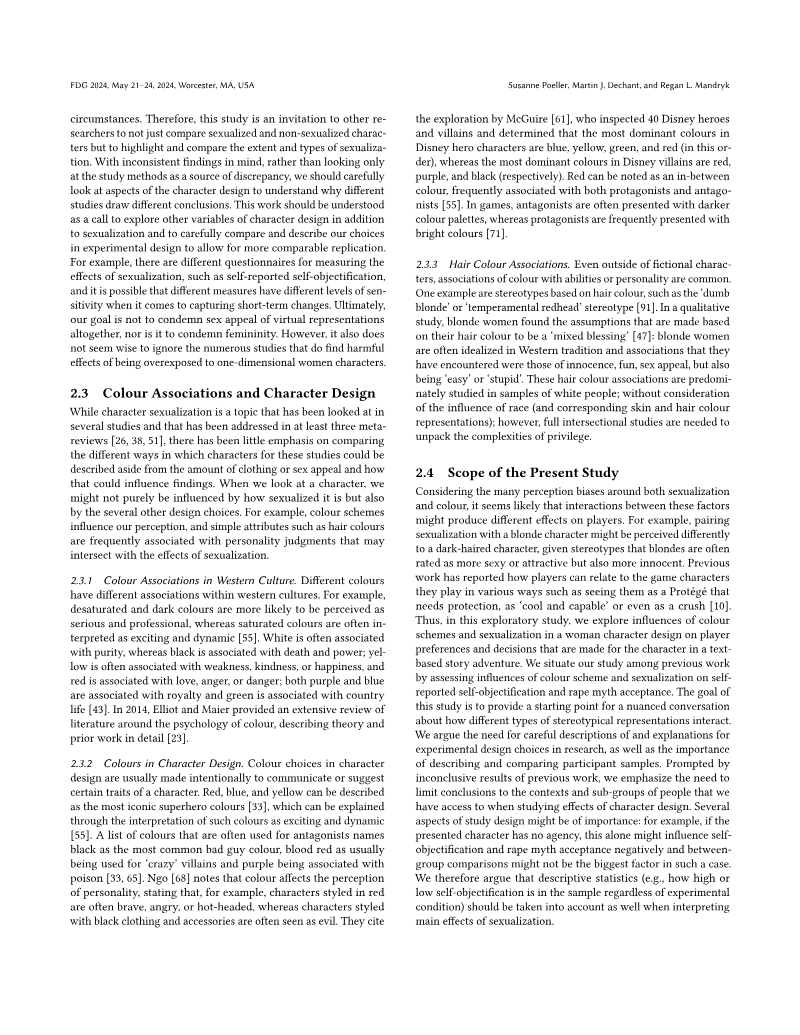
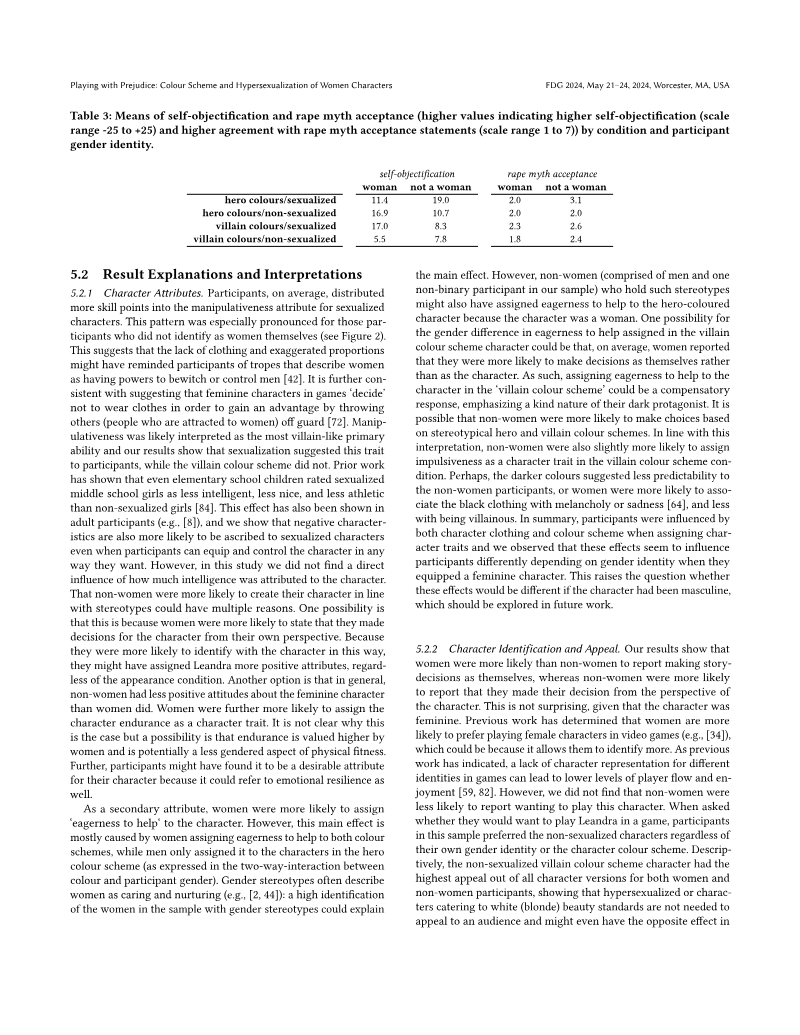
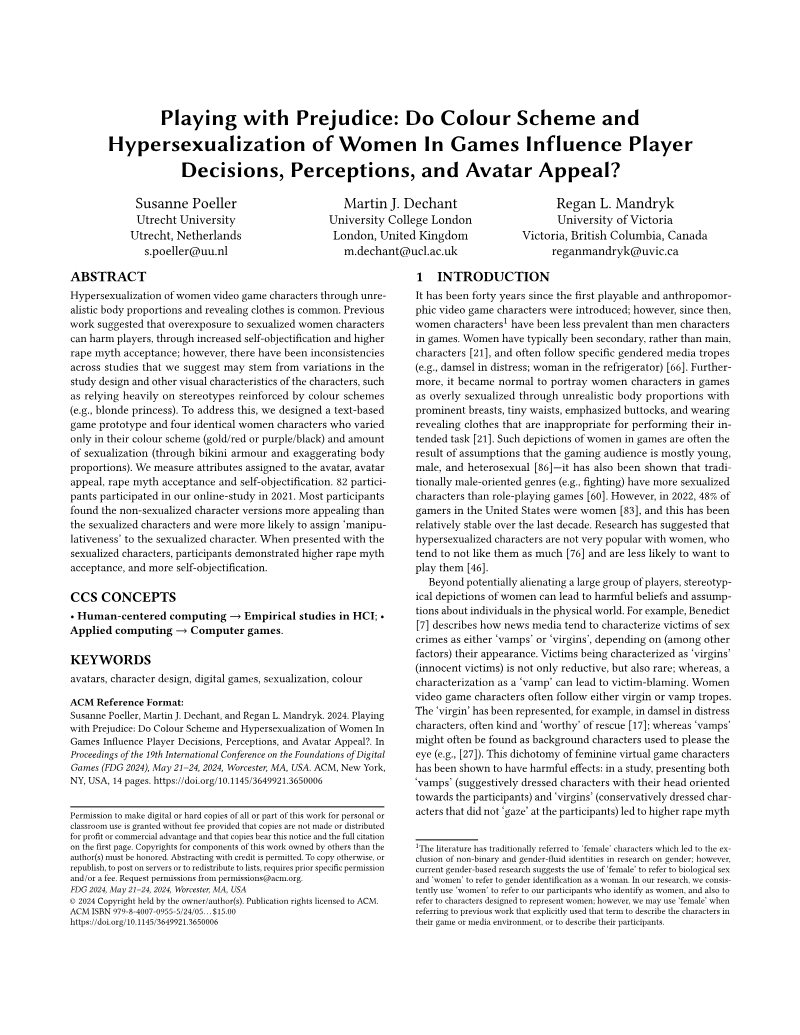
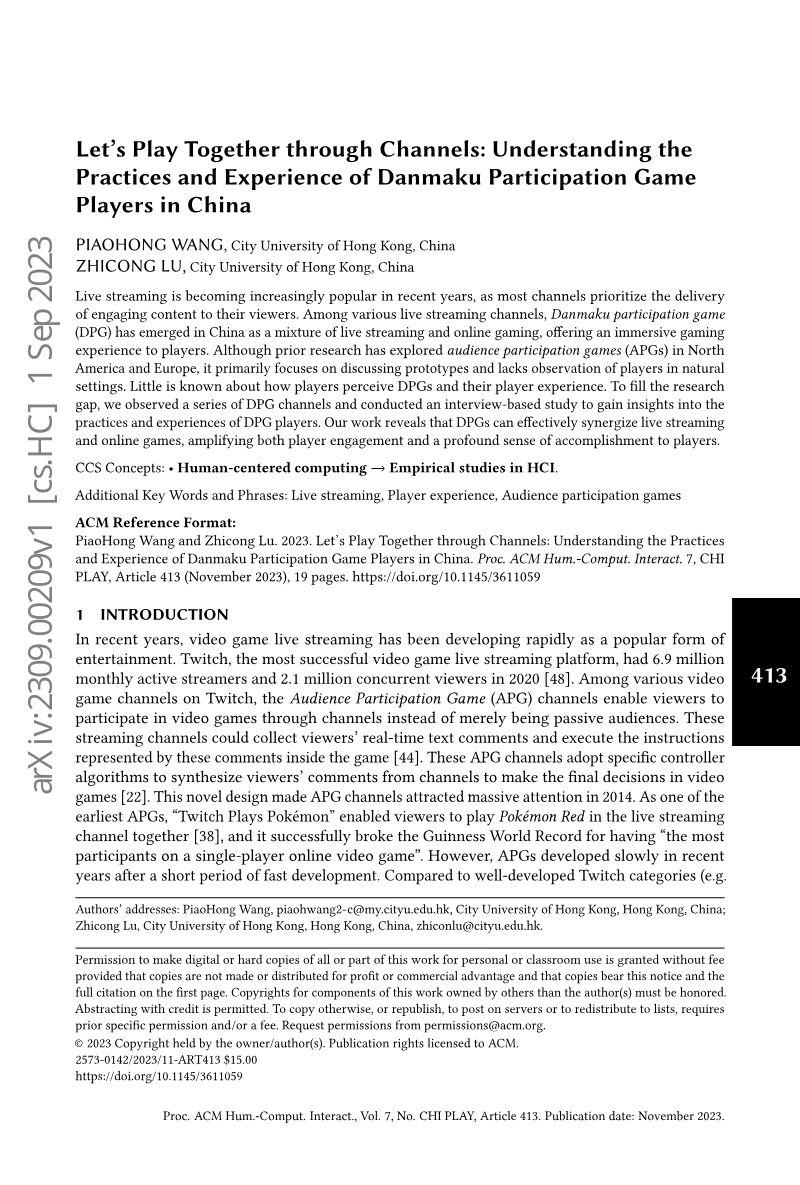
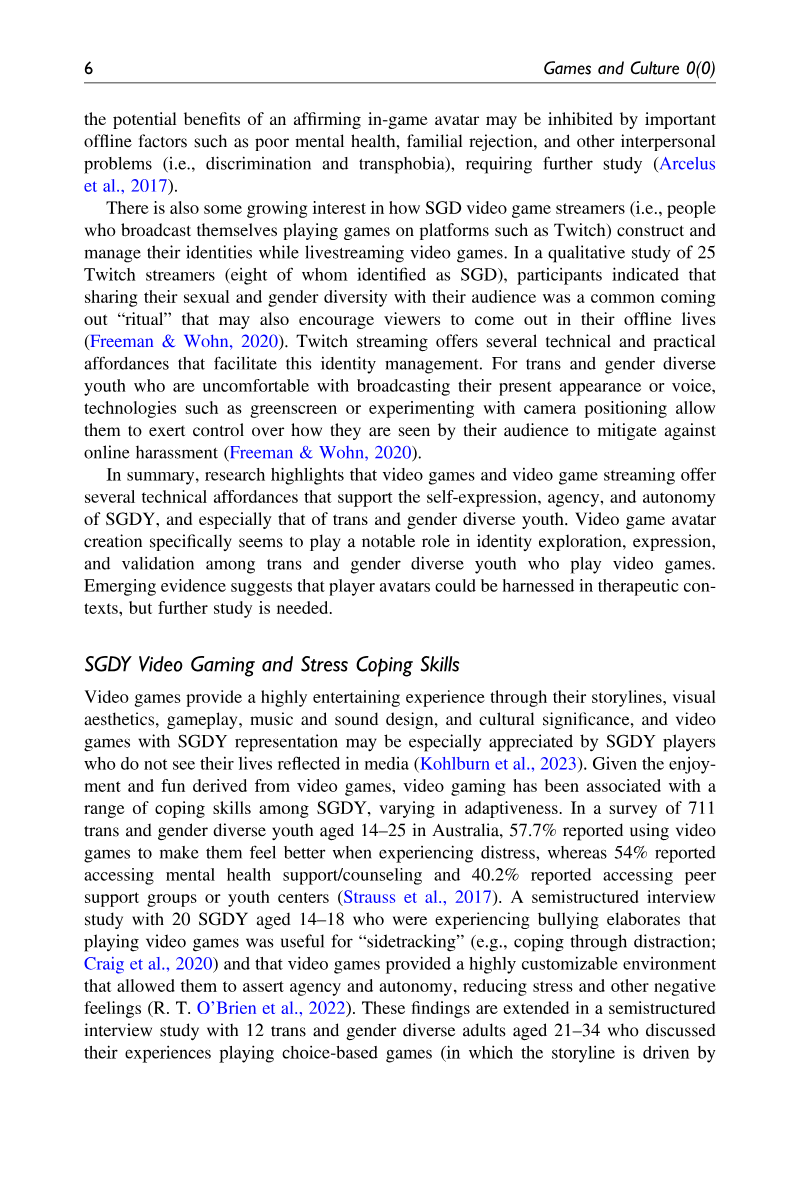
Video game streaming platforms often face scrutiny regarding the presence of systemic bias, yet empirical evidence concerning viewer perception remains inconsistent. By utilizing a controlled between-subjects experiment involving 200 participants, researchers examined whether demographic identity—specifically gender and race—influences how audiences evaluate gameplay skill and streamer engagement. Participants viewed identical footage of The Legend of Zelda: Breath of the Wild, with demographic identity signaled solely through the streamer’s name. The findings indicate no statistically significant differences in perceived competence or engagement across White male, White female, Latino male, or Asian male conditions, suggesting that explicit bias may not manifest in isolated, controlled viewing environments.
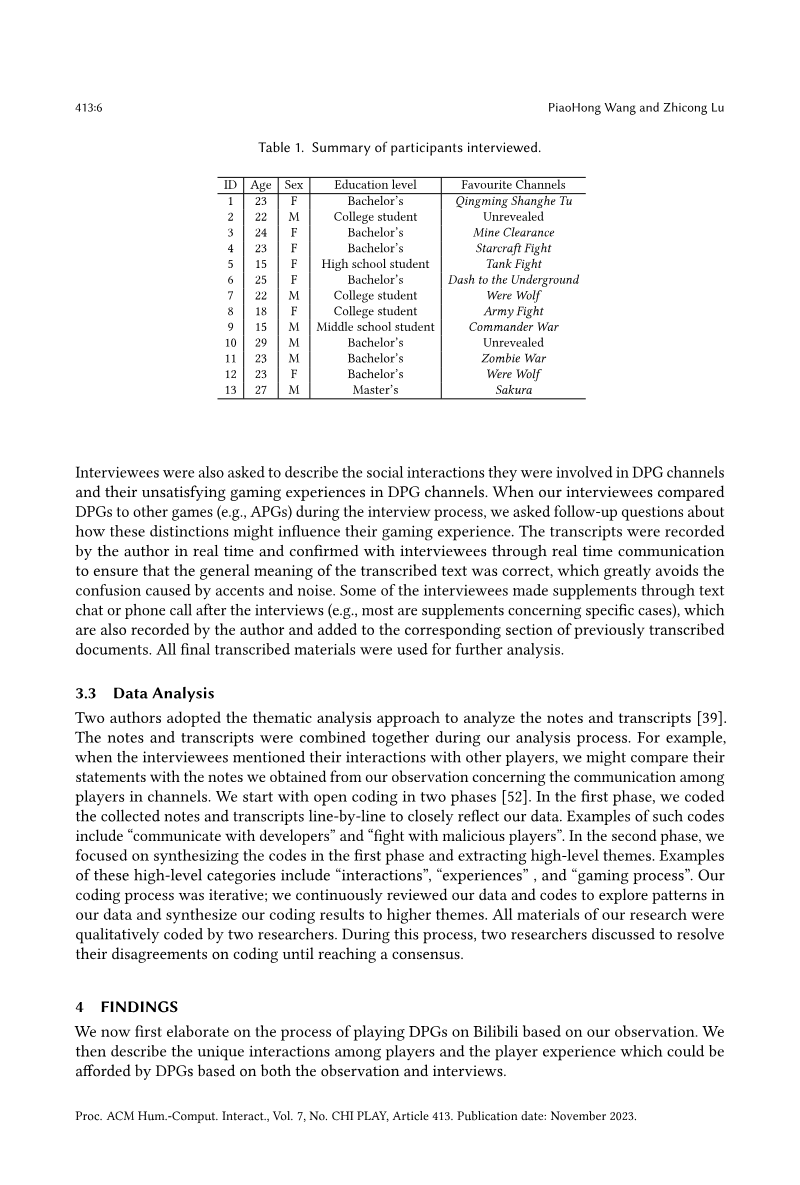
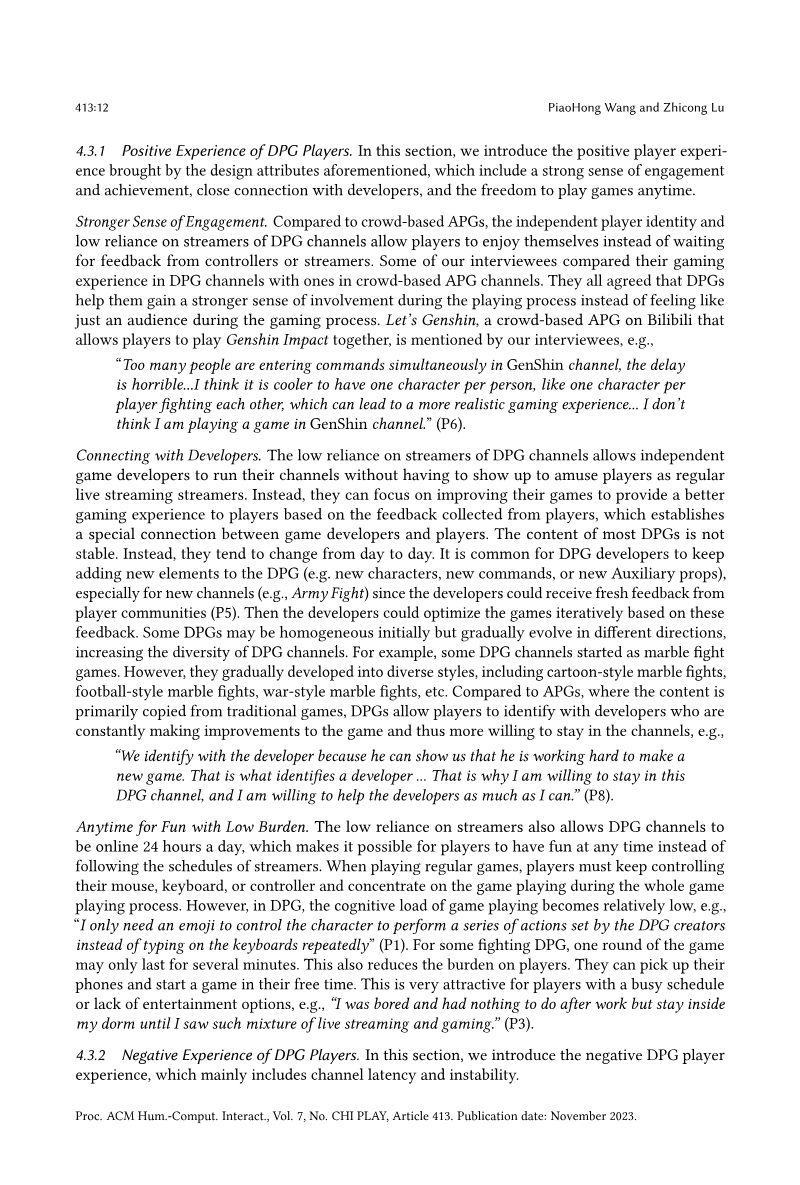
The absence of measurable bias in this study contrasts with broader qualitative literature, prompting a reevaluation of how demographic signals function in digital spaces. The researchers posit that the null results may stem from the subtle nature of name-based signaling, the specific demographic composition of the participant pool, or the possibility that discrimination manifests differently across various marginalized groups. Furthermore, the methodology prioritized rigorous data integrity through bot detection and attention checks, ensuring that the collected responses were reliable despite the inherent limitations of a non-interactive experimental design.
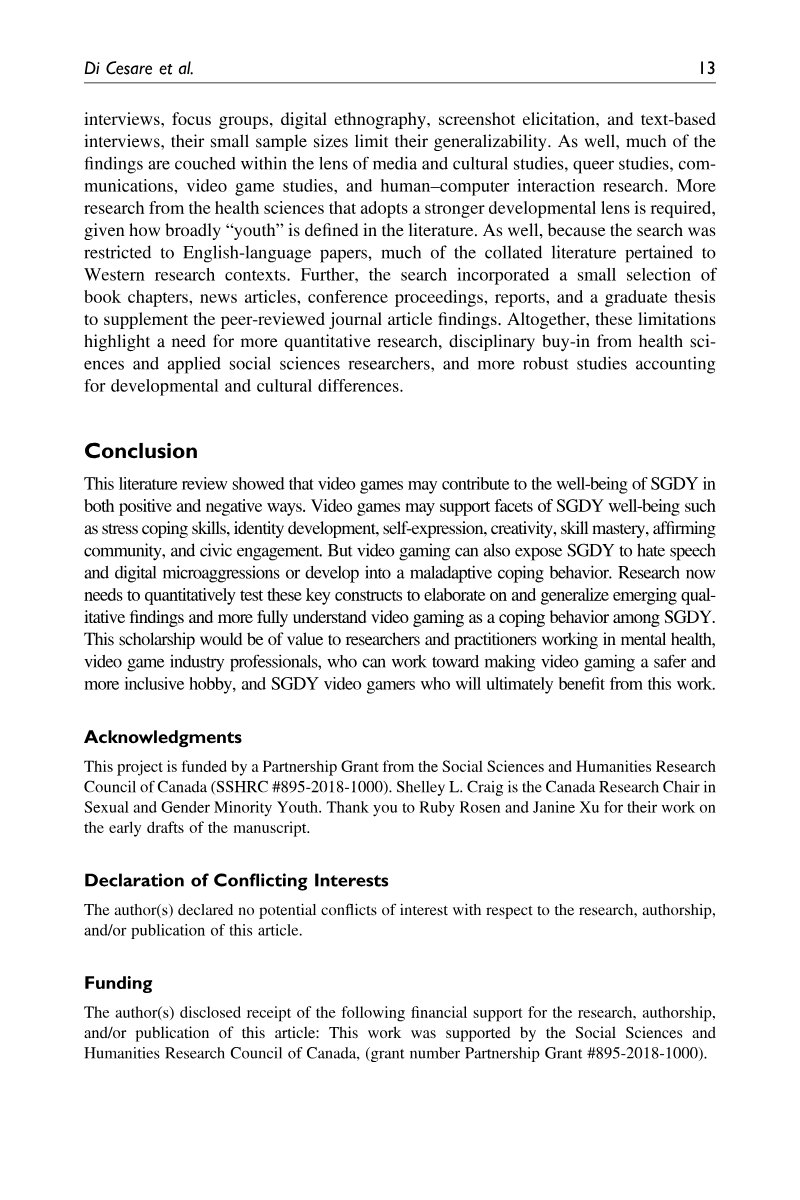
While these findings offer a nuanced perspective on viewer objectivity, the study acknowledges significant constraints regarding generalizability. The reliance on a single-player game and the lack of live social interaction limit the ability to capture the complex dynamics of competitive multiplayer environments or long-term community building. Future research must expand beyond these parameters to investigate how bias might emerge in more interactive, high-stakes, or diverse professional contexts. Ultimately, these results serve as a foundational step in quantifying the intersection of identity and audience perception within the gaming industry, highlighting the need for more granular investigations into the mechanisms of digital discrimination.
Each row is a game or company this document names, each column a document, oldest first. A mark means that document names it. Select a row to see those documents.
Spiel|Formen · 2024