This analysis examines the strategic challenges facing major mobile gaming entities, specifically focusing on Supercell’s recent performance and the broader implications for its parent company, Tencent. The primary thesis suggests that the mobile gaming market has reached a point of saturation where even top-tier publishers struggle to find organic growth. By analyzing revenue data from November 2023 to June 2024, the findings reveal that while Supercell’s portfolio revenue grew by 65 percent due to aggressive marketing, the launch of its first new title in five years, Squad Busters, has largely cannibalized the player base of its existing hits like Clash of Clans and Brawl Stars rather than attracting new audiences.
The scope of the research covers global mobile player behavior, citing data from 214 countries to demonstrate that playtime patterns in major markets like the US and China are now nearly identical. This universality indicates a mature market where traditional user acquisition is becoming prohibitively expensive. The analysis concludes that mobile-only strategies are no longer sufficient for sustained growth. To avoid stagnation, industry leaders must evolve into multi-platform brand builders, moving beyond the mobile ecosystem to capture broader entertainment segments.
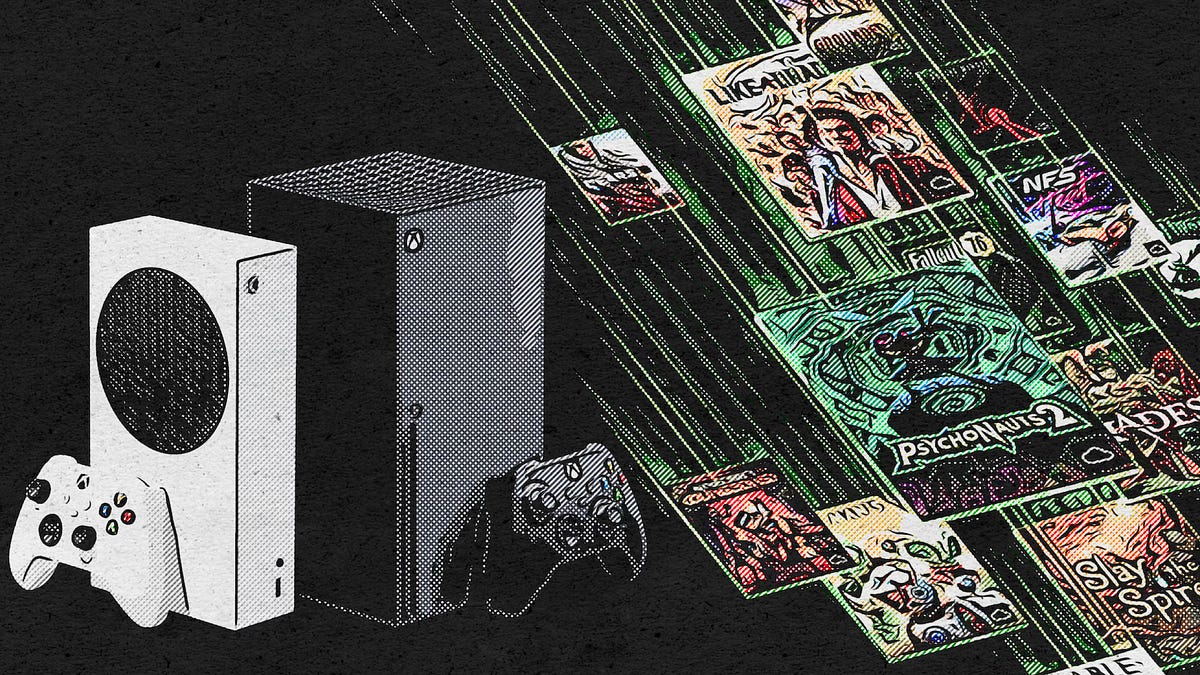
The document also evaluates the shifting landscape of gaming subscriptions, noting that Netflix Games has struggled to gain traction, with less than 1 percent of its subscribers engaging with its titles. Drawing parallels to the streaming video industry, where 38 percent of subscriptions are now ad-supported, the analysis predicts a similar shift toward ad-integrated models in gaming services like Xbox Game Pass. Ultimately, the findings suggest that the industry is moving away from isolated mobile apps toward integrated, cross-platform brand ecosystems to offset rising costs and market maturity.