VideoPocketGamer.biz
Sticky, Loveable, and Loyal: How Developers Create Winning Games with Psychological Segmentation
26 Nov 202454 min video
Transcript
[Music] hello world welcome to the Pocket Gamer podcast with your hosts me Brian Bago and the ever amazing she's a player she's a prognosticator she is a policy expert it's her very own Peggy and Sals hello Peggy how are you oh my goodness Brian I'm I'm doing extremely well now because you just showered me with compliments but uh I'm home that's one thing um and uh finding as always great content for us both and how are you doing I don't know what I'd call you um I think of you as the wizard but we won't go there wizard mro ninja doesn't quite you're not you're not there's there's a there's a whole musical it's we can we can dig into that we we'll we'll have to do an episode where every every question
is in the form of song you know it's they did it in The Simpsons they did it in South Park um they even did it in It's Always Sunny in Philadelphia so you know oh and Buffy um but we'll maybe build up to that towards the end of the year I'm good I feel as though I have been buried in a big deep black hole um for the last six months I have been working on this action plan is first step in creating a national strategy for video games for Scotland and uh I I've finished the draft it's out for consultation it's hitting all of the sort of the industry and the stakeholders and everything and and so far so good so I I feel as though I can go out into the sunlight unashamedly and do things like potentially after this call I might even switch on my Xbox which could be the first time this year so you are getting back into games getting back into enjoying them again Brian and that is a perfect way to get into what we're going to be talking
about because it's not just about player engagement in gaming we want to dig deep because we love this and we want to dig in deep into the psychology of what keeps players happy so I can't think of a better way to talk about this than our guest today no pressure here Joe sheepy CEO of solsten who is on our program today Brian because he absolutely gets what players want welcome on board it's lovely to have you here we went into what you are CEO of solsten will talk about that but you're so into the mindset of what it takes to survive not just in the world of game development but yourself you're into Wilderness training I mean that I'm intrigued how do you draw on that mindset and where does that come out in the world of game development for you um I mean that's I think if you look at you know most human beings like play is an inherent part of of how we grow how we we learn it's just
it's just embedded in in who we are um and I had the Good Fortune to like grow up as a skier and have parents that we spent a lot of time outdoors and things like that so really like solsten in many ways was a natural almost like outcropping of just my reality um I grew up ski racing ended up living all over the world skiing which was just really amazing uh became an adventure psychologist so I specialize in adventure-based Psychotherapy because you see the outcomes that happen in that world and how much better they are than typical cognitive behavioral therapy when we're on a couch you know just neurogenesis happens when you're in a state of play in just ways that it does not happen when you're just physically sitting or things like that so as a part of my um Psychotherapy training yeah I have to I have to maintain my Wilderness first responder so that's something that I got to do so if you know something bad happens and it's out in the nature you're middle of nowhere um it's a very different type of medicine than Urban medicine and when you think of play like
the highest forms of play there's usually some element of risk that's involved so some form of risk is an important part of play and when you look at Adventure things like that one of the best ways to approach risk is to be prepared for the outcomes of risk and having something like your Wilderness first responder is a great way to be prepared for for fun risk and fun love it yeah we talked to a lot of people on the on the show um Joe who talk about you know putting players first and and I think one of the problems that we have is because so many people in the games industry see themselves as Gamers as well they're players too that's why they got into the the sector they think they understand what players want without necessarily ever being able to step outside their own kind player type you know Explorer helper Griefer whatever you happen to be um so it's always interesting when we talk to people in and just sort of trying to figure out
where where they fit so when it comes to when it comes to games when it comes to actually playing games what kind of player are you it's good question um I think maybe to speak to the first one you know people that think they're the player are absolutely not the player like if you have that thought then you're probably the opposite of the person you know just because you play that game does not mean that that you're a player and often times at Solon because we group People based on their psychology like there's no such thing as a player type and this is getting into my question there's literally no such thing like the ble types that's wrong those are made for MMO games there's not four types of people in the world think of like Myers Briggs 16 types there's not 16 types of people in the world as as humans we kind of like to make things simple we like to create buckets for stuff because it's easier for our brain it's less cognitive load our brain uses a lot of glucose and so this idea of player type it's non-existent uh a good example of that was um we were working with Christian sraw on one of their games and and our our algorithm is
basically able to figure out the like-minded groups of people within your system so it's kind of like a real-time Harry Potter hat it's looking at hundreds of psychological traits and I remember Christian looking at one of the personas and going like that one is totally me and then when we scrolled down on our platform and we looked at the market size of that Persona there was only like two million people in the world that was like that group of people which like makes total sense right you're you're Christian you've built massive compies before and been very successful so there's probably not very many Christians in the world and it was just a moment where he had that aha where he was like wait even if I am the player even if I am giving the feedback I'm literally giving us feedback into a niche market I'm excluding the bigger part of the market that actually is going to allow this game to expand and grow and so I think that's a point and then you know what type of what type of player are you um so that comes down to a lot of what we do at solsten there's a San and Adventure cycle ology which is
show me how you play and I'll tell you who you are so the type of player that I am is who I am that's that's the realest question so to to ask me that we need to do a soulsten assessment um I need to put my psychological data up here and you know talk about that I'm high on openness for example I'm extremely high on openness um I'm really high on one of my biggest motivations fearlessness and risk-taking so now we can start to understand how I might like to play a little bit okay that was a far better answer than my question deserved I like this guy Peggy he can come back are you kidding I mean I am transfixed by this and just saying that player types aren't the model aren't the framework we need to be thinking about I mean wow was that as they call it a thought grenade or not you have a concept that you call resonance so let's just start in practice what does that mean for Studios you know we've been so
focused on relevance in the 9s 2000s um because you clicked on this you should also like this and we've all had enough experience now with relevance that we know that it's not that great um you know oh you're a 50-year-old male here's things for other 50-year-old males that's that's relevance and so I think you know at the same time we've all we all know residance because we've all felt it before you know one thing I think the the chills is something that we don't talk enough about in society like we've all had it where that song that game that moment you get the chills and you're like oh my gosh that's so cool um now we're talking now we're talking about resonance we're talking about something that is connecting to who you are it's a thing in the environment it's a noun it's a person place or thing that's happening and then there's you which is your psychology your cognition and then the in between thing of those two things connecting that's resonance and the out cppy the the off gas of resonance is enduring durability so one way to know that
something resonates with you it's something that you usually want to keep in your life you're like I'd like to keep this thing around this person this place this thing this activity that's something that resonates with you so when we measure resonance at solsten whether it's a game feature whether it's a game whether we're doing concept testing go to market testing we do this for so many great game developers and we see these games go to market and become successful because we're measuring resonance what we're actually measuring is is this resonating with people right now and that's important because when I was at Big Fish a lot of the games this was like 2016 to 2018 is when I was there you know we would build games um uh to my major displeasure off of who else is popular right now in making money and it's like if that feature already exists and that feature is already out there that means that is it's it's already in the Paradigm and if you want to create something that is going to be resonating with somebody that they're going to enjoy that they're
going to love you can't just go copy some that already exists they've already consumed that that piece of reality and so if we want to create resonance the best way to do it is to start from the person understand who they are and then let the artist breathe from there and that starts with the other knowing who they are to let your own creativity really breathe and explore for so many developers it starts with I have an idea I think this is cool um yeah and if I just make it good enough people will come with me um and the the reality I think we're seeing in in 2024 is the games Market is is vast and there are almost not quite an infinite number of niches but within that you you have to be credible you have to be real you have to be connected to your players um and all of your players not as you say the niche within the niche um so this is making a huge huge amount of sense yeah or not just the people on Discord cuz hear that too oh we know our players so
well we talk to them all the time it's like the people that use Discord are such a niche group of people still so it's still not your audience but yeah that's that's exactly it Brian so I have just as of yesterday morning relaunched the the Discord channel for the whole of the games community in Scotland and it's already turning factional the clan wars are back um so I I absolutely hear you I thought you know we'll do this we'll bring this together uh but the number of people who have turned around to me and said what's Discord I'm like it's slack but dark and they've gone that I I I I I don't like the sound of that so so yeah I I take your point entirely I want to get to how to use resonance to stand out you know you've worked with so many different Studios Joe and and more coming tell me a little bit about how
you help them improve how they resonate to ultimately retain I think just to piggy back on what Brian said too I think what the gaming industry is waking up to is that it's actually competitive industry now so when I was at when I was at Big Fish back in those days I'd always joke like I was like you know you could say hey merge games are popular what are also popular dragons let's make merge dragons and players just didn't have like enough you know they're like well that sounds cool I'll play that game because there's just not a lot of games out there and what we're going to actually see is the the cost of building games is going to continue to decrease the amount of human beings are naturally creative and human beings naturally like to play like play is not reserve for gamers anymore there's 3.4 billion people in the world that play games now only six billion people have smartphones we're going to see that number increase there's going to be a point where everybody in the world plays a game in some way shape or form and as people do that they're also going to want toate create games and we saw that in the
music industry already right now I think there's about 200,000 songs a day that get released in like Spotify or iTunes so it's it's really really hard now if you want to have a hit song you know you can't just go oh I I we're we're you know top thing on Spotify anymore or we're on Tik Tok and we got no it's it's much harder than it used to be and we're going to see that same Trend happening in gaming because human beings love to create and with the onset of ai ai is going to bring up the the Baseline significantly so the bottom level of stuff is going to come up what AI what AI has a really hard time doing is what humans are good at which is finding the far-reaching far away connections that don't seem to relate to each other but a human being can make that work and then it becomes really really interesting so there's going to be more room than ever at the at the top which is going to be good for players good for gamers and so that being said when you go to build a game today you can't just go into it saying like hey this is really fun for
me because there's a bunch of other people out there now that are making games Electronic Arts Activision supercell epic that are using companies like solsten that are starting with their audience who also have people that are passionate creative just no one special that are just as creative as you that are just as good as you and they're using solsten from the start and so they're going to have a huge advantage and we also have a lot of small game companies that are using solson from the start too um and I think the you know so how do we do it so when people start with us we start with the audience so you have an idea amazing who is the audience for that you know what do you know about them is it is it interest categories is it demographics what can we start with so solsten over the past seven years we psychologically evaluate people through a questionnaire in in a game so like when you're playing when you're playing let's say Heyday your supercell player a popup happens and it says we want to
improve this experience for you um people take that questionnaire then we use our AI that we built um before AI was popular uh that basically it's think of it as like a cognitive behavioral model so play behavior is the most accurate behavior on the internet at predicting your psychology um much more than anything else it's it's play behavior is like gold um your insurance data your credit card spending data is maybe like bronze um your social media data data is like garbage from a signal to noise ratio so that's part of why meta wants to get into gaming because they know that the signal the noise ratio from how you play back to the show me how you play and I'll tell you who you are it's much more accurate so we're able to take you know our model is able to take that data for people that didn't take the questionnaire and we can understand their psychology to an extent depends on the game how you know where it's better where it's worse and what we're able to do and have done from that is we build the largest psychological database in the world so it's a living
breathing thing um if you go to navigator.of interest categories like 30,000 Brands so I mean one of our advertisements to the world going in next year is your competitor is probably going to know your audience better than you if they're using solsten and so we release that we're releasing that to the world that's a big paradigm shift because a lot of companies not just game companies think hey I own my customer this idea of owning your customer it's such a false thing because players customers we're omnivorous we consume different products different games no we own ourselves like we we do that and so solsten is basically allowing anybody to understand any audience and so with that database that we have when you start building your EXP experience we launch
an audience we call that a navigator audience um you're going to see the different personas in it but you can segment it to no end so you could say actually we're really focused on an MMO game just for women who are just gen Z and when I hit that segment button what our what our program will do what our software will do is it will say actually we found three different psychological groups or eight different psychological groups so it refactors every time you segment and it finds the different psychological groups of people it knows their Market size how many people in the world are like them it knows their average spend so from the start we have to start thinking this way now that we're in a red ocean your ideal player profile who is the ideal player profile that I want to go after when I'm building everybody does it in every other industry and gaming has been able to be Niche enough where it was pretty hard to build games like in the early 2000s to you know it got easier and easier but it was hard to do and there just wasn't a lot of competition now it's getting easier to do and there's more competition so we have to start
thinking about audience now once you have your audience you're going to be able to see out of hundreds of psychological traits you're going to be able to see what traits are the highest for your ideal player profile so think of it more as less data is better and those are the types of things that if you're a developer it makes it kind of easy um I think the the global creative director at Zinga recently got back to us he's like this is just it makes my job so easy because I can use my own creativity but now I know the direction where I'm pointing it so now when I'm creating I know who I'm creating for and then what we call resonance testing which it kind of comes down like concept validation what we're doing we're doing that along the journey so while the person's developing features mechanics we're doing play tests and what's nice about that is we call it our typing tool so when we're doing the play test you can actually map back the people that are in the test to the different
personas the different psychological groups from that market audience and I kid you not like we've had play tests before where every single person in the play test was the smallest part of the market the the smallest Persona so it doesn't matter what you're getting from that play test because you're going to design yourself into a really Niche space you know lots of small studios are thrilled with loyal players in the niche but you understand what you're going for and you understand what the trade-offs are I I think this is the thing piggy we have tools out there now which can do the all the competitive analysis in the world you know the different business models the different events the different ways in which you introduce new content the content scheduling you can pick apart successful games in almost every degree but then replicating them or copying them or or iterating on them you is fine but as Joe has just said so beautifully unless you know who
you're doing it for and how they're going to engage with you then it's a shot in the dark and and so few companies can afford that shot in the dark um and just to pick on something that you said Jo is the success at scale you know we get so many questions coming in not just in the podcast but on the Pocket Gamer site about why games are cancelled um so early or games that are in um you know early early release or only available in small regions why are they closed down before we get a chance to see them and it's because they're normally they're not they're not succeeding at the scale the companies need I mean it's almost as if if you could have uh if they would have gotten to you earlier uh then they might not have closed down yeah I mean that's you know the and this comes from you guys you know there's a PGC article um but it's something like 84% of games in the first three years end up end up failing so end up being shut down and then in that same article it says something like
40% of games to your point Brian don't even make it to Daylight and you know one of the advantages of a studio is like if a game's not working you want to kill it as fast as it can so you can reallocate those resources onto a game that can work and so what we did is we looked back hey in the last seven years out of all the game companies we've worked with and we've worked with like a lot of great startups all the way to all the big names uh and we look at all the games that have been developed as solsten from the start like merge Mansion is a great example we started with them when they were like nothing like tiny tiny tiny like thousands of players and if you look at all these types of games that started really really early on as an idea use Solon through that process it's something like 74% of those are still in the market and making money seven years later so like at the very minimum Solon is an insurance policy and I'd even go as far as to say understanding your audience psychologically and testing against that
is an insurance policy and maybe a good story there is like um Monopoly solitire um Mobility where makes the largest soliter game uh in the world I think is spider solitire and they came to us and said like Hey we're thinking about different IPS um would Monopoly be a good one I don't know well let's let's launch the solitire audience we launched it we looked at all the personas the second highest LTV Persona not the first um but it was the second largest market size so it's still a big Market size um their second back to seconds their second favorite IP was Monopoly not their first the first one they didn't have access to but we said yeah I think Monopoly is actually a really good idea I didn't we didn't think it was going to be that high but the IP was high that's kind of a first step to building towards the market and then the second step when they were building it they were asking themselves how much Monopoly versus how much Solitaire and actually teams had different ideas so there was two major hypotheses on that and both teams felt very passionate because gamers are
passionate you know they they felt very passionate about what was there and we said let's just test it against the market and there's one that won which was a little less popular internally but then when it went to market now Monopoly Solitaire is mobility wear's second highest grossing product that they have that's Ena to help them get through this period of like where all these layoffs were happening with game companies yeah it's been difficult for them but we didn't hear about Mobility Weare because that's what gets you when you pay attention to the market and you build things based on on the market and I want to add the fact of what a lot of game companies don't talk about right now is because we're a more mature Market we're in a red ocean now is switching costs switching costs are very real now that's another thing that every other red ocean industry knows very well if I'm in Roblox and there's a new game and it's really cool and I start playing it it can't just be better than Roblox it has to be 10 times better than Roblox
because I have to convince all my friends of all the stuff that they've done and built I have to convince them to go to this new space because when we when we in the entertainment industry are we're competing on people's time and people's time is their most valuable resource and what we're seeing is an increase in a trend of depth of experience people just don't want they want something they can sync their teeth into and play it over time we're seeing this with players we measure something called um long-term orientation and it's increasing in human meaning people about hey if I this um and it's 30 days from now is it still going to be interesting to me because I want to spend time in the game I want to build up a world I want to build up my character Etc is that still going to be a place I want to spend time in so this is how players are thinking more and more and more and so when you build something is it enduring and of course what that means is more enduring experiences will be built ion line is one Roblox is one fortnite is one those
are enduring experiences and then if you're competing against those to your point Brian your job as an entrepreneur isn't to build something that already existed it's to figure out where are people going in the world and meet them there so you have to look at audiences you have to understand groups where are they going and I'm creating for them for where they're going that's how Roblox got to be where it's at ROBLOX didn't say what's that game that we should copy their features from they said well where are things going and let's build something for where where people are going and then you get roblo what is it that I'm actually bringing in order to unlock this superpower that solsten gives me in understanding my audience you do have your questionnaires and you do have your AI and your evaluation and assessment of those answers but do I have to come with my own player um database my own dat I mean how am I actually making certain that what you're
finding out about what audiences love is also what's going to transfer over to my audience my game my world yeah so I think what's important is um Solon is we've really pioneered we're we're the first we have all the patents on it to use AI for predicting human psychology so we're not we're not a gaming company we're we're a human understanding company and that's what we came out of and I think that's what's important is we're not doing barle types we're not doing Myers Briggs we're not doing player classification a lot of times when people talk about player motivations what they're talking about is extrinsic motivators this player is motivation motivated by uh Adventure this player is motivated by completionism there is nothing in the psychological literature that says Adventure is a psychological trait but if you look at human psychology that's what we're actually measuring so it doesn't matter if you're building a game like understanding the human psychology ology is the enduring part about that
person and what you need to show up with starting to work with solsten is an idea so there's a lot of really good ideas like Tesla had a lot of really really really good ideas but not all those ideas were ideas whose time has come and so with solsten you can say hey I'm thinking about making this specific game and we can build an audience off of that so well okay it's these features is this genre because what we're doing within our database is we have millions and millions of people who filled out like basically really precise complete psychological assessments so we're adaptively learning about them we use machine learning to do this and then we have a full psych profile but then we ask like survey questions like what are your favorite games what are your favorite movies what are your favorite TV shows all this other kind of stuff so we're able to pull that data in so if you're like yeah it's going to be like kind of a cross of valheim meets Candy Crush I don't know like whatever your crazy idea is we can take that we can go well let's look at the Val players that also play match three games um we can
see if that market is there if that market is big enough um or if it's growing because maybe it's really small but we're actually seeing month over month uh because maybe in two years it's going to grow into being a big enough space that we can actually bring people in so showing up with an idea is where you start and then if you already have a live game well that's easy because so we have two products Navigators our database traits is our think of it as like kind of a a dumb down version of the Matrix where we're understanding your audience in real time and then you can use our API to do player matching to do personalized recommendations hey I'm sending out an offer um this offer goes to all the people that are above 90 on altruism buy this sword and help your friends um same offer you know it goes to all the people that are high in dominant competition buy this sword and crush your enemies who and if we look at Day Zero through day seven of A game a lot of what we're seeing right now is a
big move towards personalization like the best the best in the industry are talking about it and if you really want to get your day seven retention up like we did this with heyday heyday you know pretty old game supercell like it's done well for them um literally got their their day seven up significantly I think it's like 20 something percent we have a case study you can find on the website but um the the person who was running he's like you guys literally got a back on the map at at Super solid that's just one little thing that that we did there's so many things you can do well the good news is Brian what I heard from all of that is that because I was worried I thought oh I've got to have this massive database and my statistically significant stuff which for an indie is like it's not going to happen you know the good news is I have an idea I have a concept I have a grasp maybe of my existing game and I can come over and I can match that very
intelligently so that's good news that's democratization when I see games that are built for one two three years and then fail it hurts because I'm like that is a loss of create of that Brilliance of that creativity that the world will never get to see and one of our passions at solson is making sure that even the smallest teams have a way for that to be able to be seen so we we listened we're also releasing because solon's kind of sometimes unaffordable if you're not uh venture-backed startup so we're actually releasing a more affordable version of our product next year that that even like Indie groups that might not have as big a budget um would be able to start to access this so yeah democratizing the ability to understand audience but let's be really fair like Matt stright who's shout out to Matt they're also he's also making a new game Matt was at solsten for a while um Matt used to be the head of research at scopely he built that team up he was at Activision you know we
started working with Matt really early on and this guy's you know PhD Psychology as sophisticated as I think you can kind of get in the gaming industry he used solsten to success actually um ended up coming over to Solen he's like I need to work with you guys and someone asked him was like Hey Matt would you do things knowing what you know now would you do things at Activision the way we did them before solsten and Matt said yes absolutely if I wanted to be miserable and so he's got he's got a beautiful dry humor um dry sense of humor if you know Matt um this is a great guy but that being said you know if you look at the big guys too you know we're here as a solution for them all the way down like we work with a lot of middle tier like tilting Point type groups as well all the way down to startups of five to seven people um because there's games will always fail but it's just so cool to prove out the fact that that once you have that brilliant idea and know your
audience and who you're making it the the brain has this amazing thing that it does that when you know the end point when you know where you're going it makes it very easy for the brain to fill in all the gaps but if you don't know who you're going to or where you're going it's very hard it can wander and go different places so we just hope to provide that of this is the audience today and you guys are the creatives and we're just here to help you hit the mark when it goes goes to Market and then when it after it goes to Market we're here to help you grow it based on who they are and personalizing things for them and making it affordable that is really really something I'm going to take the role of the the the be bewildered developer which I do very well Jo so um for a lot of developers it's it's until they have a vertical slice and until they have a demo until they have some something running it tends to be very very internal where should companies be you know be talking to you thinking about this kind of thing it seems to me that it's before you commit a single line of code you know at
the the design stage am I am I off base here yeah the sooner the better so the moment you have an idea um I'll use Christian as an example again where you know Christian Seer sh is like I got five ideas um that's that's the point because that's where we can build up those audiences and have a look at them together and have an honest look um because once you as a developer once you cognitively commit to an idea that's where your brain brain power is going you know you're thinking of you get all these amazing ideas what you can do what world you can build what you can create what's the art style what's the theme and we all know this our brain is the most expensive organ that we have you know it's it's burning more glucose than anything else so that's important so when we want the brain directed at something we want it directed as early as possible at something that has the highest likelihood of reaching reality and then along that as well it's not too late as well if you pull us into the Journey your mid-development you have a prototype something like that because
there's still things that you know we've seen um we had one it was a social feature where that game happened to have um its ideal player profile was off the charts on competitiveness but also on uh collaboration and it was specifically independent competitiveness so a little tweak in that in that feature where if the if your team lost and like your team just bombed it you still got heavily rewarded if you performed very well in relation to everything else that wasn't even on the road map it wasn't thought of when they actually released that um it performed incredibly well um it was one of is a retention feature Etc so it's not too late as well um the thing is what you're designing to is the later you start working with solsten in the process the more you might be subject to a local maximum so you might have made design decisions that are like o that you know who resonates with thatc ision is like the third biggest Persona in
your market so now where our Market size is a little bit smaller but hey maybe it's still a viable market for you but we just know we're not maybe hitting that that bigger one and maybe sometimes that's a conscious choice too you're like nobody's making games for this Persona right now we're an only 10 person Studio we want to have this as our you know proof of Point kind of proof proof point and we're going to get this game out and then we're going to go do the big one so it allows you to actually be way more empowered of your ship as a person running a game Studio or as a developer because you're making decisions based on the reality of the market because our database is literally representative of 3.4 billion people our assessment is in Japanese it's in Chinese it's in so we literally are measuring the world there's something called the state of the player that we release last year was the first year next year well so early next year we'll have the new one and it will compare how have players changed from 2023 to 2024 because we're literally measuring
globally these audiences um and I think you know one person joked and like you just call it like the state of humanity because that's kind of what it is it's it's like we found in the last one for example that um one of between covid and after covid the one personality trait that changed the most among Humanity was actually altruism people became more altruistic after after the pandemic so sometimes bad things be good things um but that was really interesting to see I love it the state of humanity I was looking at the report I won't geek out and go into the data points but it was eye openening and it's fascinating how what we value comes through in the gameplay what we value in life we value in the game I mean we talked about altruism you know earlier if I tell someone hey your audience is in the 99th percentile globally for altruism like rather than saying what featur should we make next if I'm a game developer my idea my
brain's on fire right now I'm thinking about what are all the things we can do in the game where people can help each other out have the opportunity to help and there's and now let's let's I stack trait so we call we call this trait stacking the more high-scoring traits for your audience that you know the better off you are so let's say you know that your audience is in the 99th percentile for for being altruistic as a human being this is not how they play this is who they are so that's a that's an off gas of that and so if I know that and then I also know you know what they're also in the 97th percentile globally for let's say individualism so now that's interesting okay so they want to achieve things by themselves they're individualistic they're goal oriented so how can I have helping behavior in a way that actually highlights their individualism and now you start stacking that and now you end up with a feature of mechanic and someone goes I've never seen anything like this before yeah because you didn't copy somebody you literally just made it for your audience and so yeah that's you
know authentic authentic data um we are no when we play we're we are the most authentic version of ourself and what's so fascinating is there's no other industry that people answer psychological assessments more accurately than in the gaming industry and I think what I would want to say too about auth about authentic data is if you look at like we started talking to like BMW for examp example and Porsche and MasterCard like these kind of companies and a lot of the outside world like they send out surveys all the time so take this paid survey and tell me about yourself well nobody who drives a Porsche is going to take a $5 60 question survey like that's just not going to happen but that same person who drives a Porsche also might play fortnite and they're going to they're going to take a a survey where they maybe get a free thing in the game or we don't always reward but sometimes we do probably 50/50 um because they want
fortnite to be better for them because they really care about that fortnite experience and then solson also knows because we ask what are your favorite Brands and maybe they said Porsche so we can go to Porsche and be like yeah we have tens of thousands of people in our database that are also Porsche drivers and the whole idea that there's Gamers and not Gamers that's not true anymore it's like people are players so when we look at data as a whole we capture data at the point of authenticity that's part of why gaming is so important to us and why we're so passionate about gaming and play and what we do here I mean that's part of my personal story too but then if we're enabling you know consumer insights you know from from Beyond we're also saying we're capturing data at a point of authenticity not at a fake point of you know here's five bucks for a 60 question survey that a person's going to kind of laxidasical take and also the people that actually are might be your buyers I've never taken $5 consumer Insight survey I just want to interject for one
moment because you've got me thinking because that's the other topic going forward is brands in games and getting those worlds together and and you Brian you've got some great ideas about how this goes beyond games it's in everything the play in the game goes to rest of world whether it's Commerce or you know everything but for you is that that part of the endgame pun intended I guess for youa because you can bring those worlds together better than I think they can themselves so again it's in beta um but if you go to all that show I mean you're sitting on a treasure Trove you can go you can almost
own the world with that we can go visit you on your Island next know I mean this is something yeah maybe maybe a a ski hill or a mountain I'm more of that I'm that kind of guy I'm not Mountain I'm not one of those Island weirdos so more come to Scotland come to Scotland it's covered in mountains covered well this I would like if they had snow that's so I know it's it's a little wet sometimes but you know if I can ski on it I'll I'm there Brian so okay we'll see what we we'll see what we can do after the the recording session but yeah that's that's awesome and with Brands and um that's that's part of our Niche is we we know that trans media is not just it's like it's a very real thing and it's only going to increase like we did a we did something with cund in Germany it's a big grocery store so they are looking at what games overlap with people that like and go and shop at klont they did a partner parip with Roblox for example so we're able to see like what are the top
games that overlap because what brands are starting to become very intelligent and smart about is the fact that mind share and screen share gamers are just way more into the game than they are the TV show the movie um or the billboard for that example so if you're a brand and you're looking at your trans media opportunities you know games are a very very good place to go and the fact of the matter is as we talked about this whole show is G games are really really hard to make so if you're McDonald's and you're like our McDonald's team made a game nobody cares like Ro like unless it's unless it's better than Roblox or it's better than fortnite or it's better than insert name of you know really good game um the Mind share is not there it's it's it's a waste it's a it's a interesting marketing effort people are going to see it and go and as a brand what people want to be is top of mind you know it's something like Gartner came out with this report saying that 78 of 78% of consumers in the next eight
years are going to quit one of their favorite Brands so consumer trust is at an all-time low people don't trust Brands anymore and that's Brands need to get their their trust up because that's literally what a brand is it's trust and so people are quitting brands at unprecedented rates we know gen Z more than ever is quitting Brands and so people are not thinking of brand as an opportunity but as a risk now and so how can I take where there's mind share I can go into sols and see what game so the other way around what games overlap and then as a game developer I can also go to what brands and we can cut deals and actually have really good opportunities together because I'm as a gamer I'm more empowered now to drive Revenue because I can go to them and say yeah hey according to solsten you guys are the number one brand that our players are overlapping with and if you guys want more mind share we can think of really interesting ways to incorporate your brand I am blown away that we'll be able to make that match
between games and Brands and that's just going to be the start because you're absolutely right how we play is who we are and if you want to connect with consumers no matter what the offer is understanding me understanding the real me that's going to make that connection you have such an exciting time ahead of you Joe it's you know it's been a lot of grinding for seven years it's been a lot of being I was on a podcast with Mark Randol the Netflix co-founder and the podcast is called that will never work and we talked about that was the that was the stage of soulon where that's all I was being told you know and I think it's when you create something that is new that's that's what you're just going to hear all the time and you just got to really want to create it like you know it's there you believe in it um something I tell our team is like you know if you're in the desert and some you clearly see somebody that's thirsty they need water things are not going well for them or coming full circle back to the Wilderness first responder now
and you go up to them and things are not going well and you need to render Aid and you say I have and you have a lot of water you're you've been you going on Excursion you were ready for the desert and you try to give them some water and they hit it away from you like you're not just G to go oh they didn't want it gon to go walk the other direction you're GNA be like I'm going to give this person water until they start to come to and start to become better and become okay because you know the Val you know the value of water like you understand that if you're in the desert and you're trying to give that person water how valuable it is but they might have been in the desert so long that they're hallucinating and it doesn't matter anymore and I think that's just the message in general if you know what you have can really have value for people and add value to people you just got to keep going so we're so like we're super excited for what's happening now in the markets and where things are coming to and and what we've built and what we've done I think we're excited to see the kind of brand trans media thing play out because I think it's going to be really good for consumers game
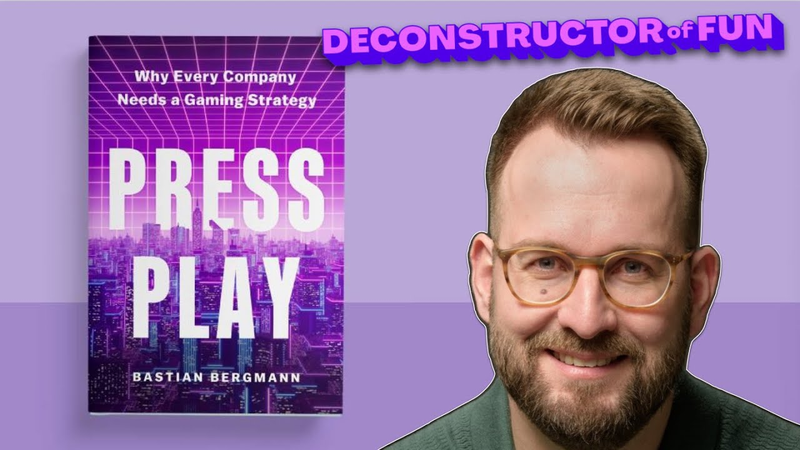
developers and Brands um and maybe just a a shout out my co-founder Bastion Bergman who is our coo um Bastion did a book deal with Harvard Business Review so the book's written it's been published um I think next year early next year but it's on it's on Brands and games so how that whole world happens Peggy and I have been doing this for a while not the podcast but but h i I remember I think the first time I met Peggy was at the business Design Center in Islington in London at one of the very early mobile entertainment Forum events where we were still trying to persuade the games world that mobile phones were a worthwhile thing to be paying attention to and the Telecommunications industry that games were something that they should be putting alongside stocks and shares and weather reports and it's fair to say the skepticism on both sides was healthy uh so I absolutely feel where you've been you know it's Piggy and I have seen this
um and so take it take it from a a a couple of people who have who have been there I think you're in a good place thank you yeah we we think so too it's when navine Jane um who was a friend while I was living in Seattle uh said something to me that like I really appreciated when we were talking about this because we were trying to raise money back then and it was very very early and one of the things he said Joe if you have an idea and 50% of all the VCS that you talk to think it's a really really good idea it's not a good idea he said that's that's that's a multi-million dollar company at best and he said if you have an idea and 99.5% of all the VCS think it's a horrible idea but 05% of the VCS that are the closest to your Niche and and what you're doing think it's a really good idea he said that's a billion dollar company and I know because I've built one before and so that was kind of
a funny funny naven Jane anecdote or moment like he's a great guy um but that I think that was really true for solsten is we saw a lot of companies in 2018 when we founded it um 93% of all venture back companies uh that were founded in 2018 are now gone they had to go through covid they had to go through a bank failure like we did with Silicon Valley Bank um they had to go through a lot and it's really hard to survive there's no there's no book for how to survive a global pandemic as a venture back company from 2018 and you have to go through through a lot of challenges and I think one of the things that did Keep Us Alive is being that smaller percent that was willing to go through a lot of rejection early on and uh one of our our very very first investors was um one of the supercell co-founders um he was an angel in solsten and he got it he was like oh my gosh if we would have had this when we were making Clash of Clans this would have made my life so much easier so you know it's it's that's
those are the signals that you want you know early on okay somebody who's in it Niche been successful um inventure LED our seed round in our series a um twas who's the partner there uh tus was the CFO of roio so he got it he'd been in that same space he saw he saw everything that Angry Birds went through so yeah I think it's you know early on when you when you know something you know it and it's important not to let other people I think I think deter it but now to your point Peggy with the market now we're now our timing is back there so for us it was we got to survive till this moment we knew the moment was coming but we didn't know when it would start to to start to happen and it's it's happening now though and we have you on our show at this time when you have all of this news all of these developments I mean the show that's are just going to be full of check out the beta here and do that there I mean Wow have you been busy and are we fortunate Brian really to have him on the show oh listen it's it's
it's rare that we can say you heard it here first folks um but but and whether we we whether that's true or not we will we will claim it but um Joe it's been an absolute pleasure I I have so many more questions but I think that's going to have to wait for episode two and so Joe before we let you go and thank you so much for your time I know that we've overrun significantly into your busy day but um we Tred to Bringing back to the world of games before for all of our guests so we have two questions for you one is what are you playing right now what's on your mobile what's on your console what's obsessing you what you spending time on when you should really be doing more psychological profiling and then secondly um what's your favorite game of all time so you know nice simple stuff you know a lot of the games that I'd love to sink my teeth into I just don't have enough time to do so what that means is it ends up being being yeah more on the mobile side um a mobile experience that I I've really enjoyed but also think that there's a
lot they could do to be um more enduring is Souls um I think that's a it's a really interesting game um I've definitely enjoyed playing it um so that's more recent one I don't know if you guys have checked it out but it's habby they have that Kappa Bear game right now that I think is doing also really well so yeah I've enjoyed Souls um and then all time I mean that's that's tough probably Ocarina of Time Zelda it's probably yeah N64 yeah it's a strong Contender we we we have heard that one quite a lot and it's up there for a reason well Joe thank you so much thank you for your time thank you for your enthusiasm your passion and for so much information I think it's fair to say we're uh we're going to be giving the audience a lot to think about with this one Peggy I'll hold you to it Jo we will share this with everyone so they can get excited the the same way that we are and also uh be excited about what's next there's a lot coming thanks so much yep thank you
both this show is all about how to do your job better how to make an amazing game how to Market it and you have a say so if you have a story or know someone we need to shine a light on then we would love to hear from you we want to hear from you we want to reflect the reality of the mobile games Market in all its wonderful complexity and strangeness so if you have any suggestions for us if you have any feedback for us you can always get in touch you can email us at podcast pocketgamer.biz you can find us on Twitter at PG Biz and you can reach out to us through the pocketgamer.biz website if you're interested in listening to all of our podcasts you can find them at pocketgamer.biz SLP podcast and we would love to hear your thoughts on future shows and we've got you covered on all the major platforms so subscribe to the audio podcast as Brian said look for us on YouTube if you want to read hey you can do that too because we have a companion post for you as well
on the pocketgamer.biz website tune in again for the next edition of the pocketgamer.biz podcast and we look forward to speaking to you in the near future
Auto-generated captions from YouTube — names and numbers may be misheard.
Key insights
Distilling the key insights…
Ask AI about this video
Cite this video
Citation
Generating citation…













Comments