VideoPocketGamer.biz
Speed Panel: New Revenue Pipeline: How To Effectively Monetise HTML5 Games.
10 Feb 202619 min video
Transcript
Uh, next up we have our uh panel um on new revenue pipline uh pipeline how to effectively monetize HTML 5 games.
Good morning.
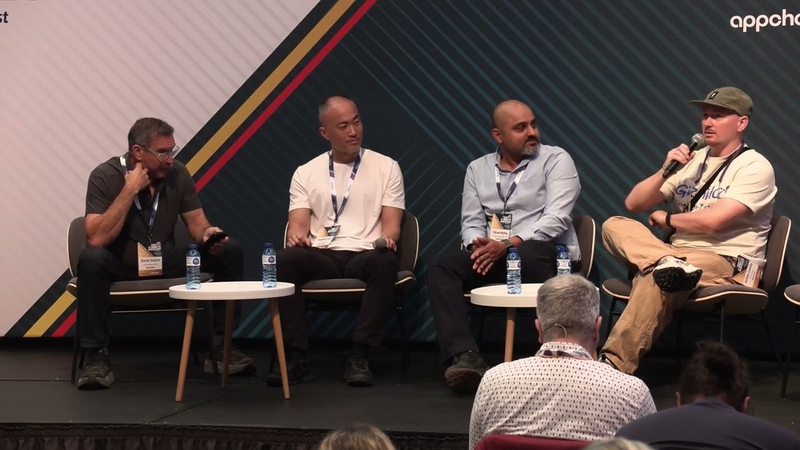
Thank you. Um right, so uh yeah, welcome to the panel. Uh this is new revenue pipelines. Uh where we're going to be hopefully talking to you about um well essentially the nuts and bolts of how you can actually make money making web games, right? Um [snorts] uh so with us to do that we have the init ineitable uh
Raphael Morgan um from Crazy Games uh which is one of the world's biggest and arguably best web games portals.
So yeah, I can I can only agree. uh but who are also now creating huge success in mobile. Um we have Gustaf uh from Pixel Federation who who are a developer and publisher of hit free free-to-play games uh and experts in transitioning from uh uh successful mobile to web publishing. Fair enough.
Yeah, correct. Thank you.
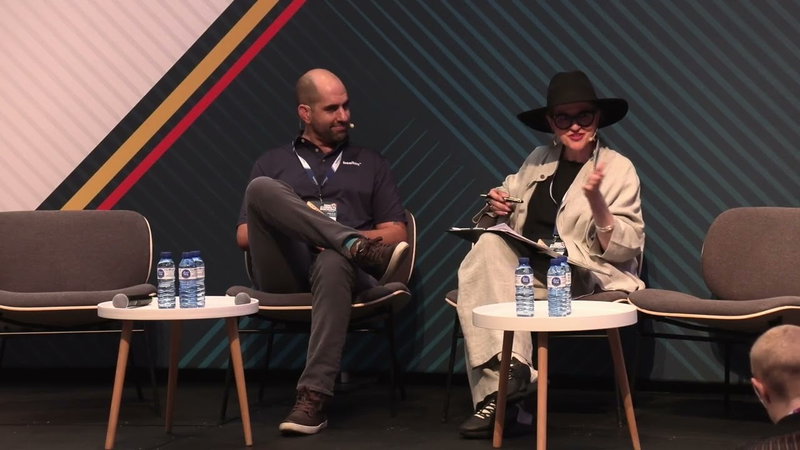
Uh we have Alex from Stinger, sorry, Stinger. [laughter] um who basically specialize in the integration of uh and low friction licensing and and monetizing premium uh music content in in games than on other platforms. Uh and Alina uh from Quicksave who are developers of web games and uh playable ads uh but have a really broad understanding of all of the
options uh in in the area including moving into a AI at the moment. Sorry. Um, and then finally, uh, me. I'm Chris Kemp. Uh, I have a long history in games. I actually released my first one in, uh, 1996. Um, I'm passionate about web games. Fell into mobile after that. Uh, and but I'm very pleased to say that I've been helping Addicting Games for the last few weeks, uh, to figure out their new direction, uh, which is one of the longest running web games portals. Um, yeah. And so there you go. So um now we can move on to my questions. So um let's so Raph let's start with you. Um so basically could you set this up by just giving us a a very brief overview of the kind of landscape and and basically what you see as the options for monetization in web games at the moment. Well, um it got much more mature in the recent years like I I was
just um talking about in purchase being one which was something that you know um a lot of people had doubts but I think it became and then it just became more mature over the years. I mean we have historically we've been always like ad driven like you know we have banners interstials um and rewarded video being actually um quite quite important but now we start seeing like you know there's a bunch of all the all the payment providers like Xola app charge they all have web shops so we start we start having like you know parity with um with with mobile which has been um you know quite quite some quite remarkable to We also have tools like Stinger which is also pretty nice. I'm working at a new layer of monetization. So we have more and more options for a web game actually to um to to monetize right the user. And I also feel like there is I would say better
the most important thing the UX is start becoming more and more important for the web in terms of monetization because before you would just like shovel ads in the in the user and it would just just harm your your long-term um retention and now I think like people are being more cautious about like figure out like how do I monetize a web game like crazy crazy games provide a bunch of guides where you can actually look up if you go to the developers page and we can we can guide you through how you can better monetize your games as Well,
cool. So, yeah. Um, so thanks Raph. So, uh, yeah, I mean, BT, who would like to start by digging into that? Um, perhaps I mean, Gustaf, perhaps we could start with you like of the opportunities that Raph just mentioned, which which is front of mind for you? What's working best for you?
Yeah, to me, like the whole thing uh is uh I mean, it's your chance to reclaim part of your revenues uh without having to pay 30%. I mean, not the whole thing, but it helps. And it helps also with marketing when we think about it. Uh for
us as a company we feel like uh in general it's a like it's it's a nice revenue source. So just to give you a little bit of a context like on two of our biggest names uh we have browser version for both of them and it brings something like 10% of revenues to each of that. So I wouldn't say like we would couldn't be we wouldn't live without that but uh it's nice steady and predictable revenue for us and it's also I must say it's like a new revenue stream also like new player stream so uh there's a thought that maybe it's just a players who would be paying otherwise on a mobile but like arguably I mean we can prove it with data it's a it's a players we otherwise wouldn't be able to get so it's also like new market for us so that's what we really appreciate I also must say that it might not be true for all the games but our games like Tycoon games uh they are even better on a bigger screen too right so it's our chance to to go to bigger screen with the the easiest possible way and uh and the monetization like playtime everything is really different but uh we really love this opportunity
yeah we we actually just to add it it's
funny cuz we we brought some like you know big projects to crazy games and the web and we actually get to see even here the developer saying like oh actually playing on the web it feels right to my game cuz you have a bigger screen if you're playing on the desktop you go of the mobile so the experience is better even so which is which is nice
it's just less crowded right and it for our audience it's also really suiting their lifestyle right so it's uh basically people working at their jobs right and they will just having their next step playing our game from time to time instead of watching YouTube video or something like that so uh we we are like we we like to be part of their you know relaxed part of the day let's put that way
cool
okay so before we start diving into the details. Perhaps Alex and Lena can you just add anything to that or a little bit?
Uh yeah. Yeah. So actually the the fact that um inner purchases are kind of uh rising in the web uh is also like uh the regulatory environment for that is uh is has improved in the recent years. It was
only late 24 I believe when um for example Apple started to allow proper monetization with this embedded as platform. So if you have an app that has embedded web games, they were not able to monetize properly. Uh but now that Apple allows you know the sites web shops and you know that there's different um uh restrictions lifted that actually applies for this embedded uh like you know uh your Facebook, Discord or Reddit or whatever. If you have a mobile app that has games inside they are now more free to how they do also monetization and they they are technically web games as well. So, so I think that gives you more platforms where to monetize with with proper inapps as well.
And Alex,
yeah, it's interesting. I mean, music is probably not what you think of when you think of monetization initially, but like you look at something like Fortnite and their fastest category of uh IPs as music emotes now because it just is a weekly repeatable pipeline of new drops. And I think it's actually quite
symbiotic. Like you look at the music industry, we're a joint venture with the labels, right? So they are just interested in distribution. They really want to reach more folks specifically in Gen Alpha and Gen Z. And the web is exploding, right? It's exploding for this this enormous group of users. And they may not do other things like have a subscription to a DSP. Um so there's really interesting ways that we're using music to lift ad metrics and there's really interesting ways that we can do it with IP. So yeah, just to add right super cool that he's here like you see the of like big record label to get their music to web games as well similar to all you know companies like Reddit or or YouTube actually looking at the web and validating what's happening so the shift is real right so it's I think time
cool so before we move on to the details I just want to do a quick show of hands so who in the room is actually either building or interested in building web games at the moment and for commercial
purposes, not just as fun. Okay, so yeah, that's pretty good, right? Uh so yeah, you should be tapping up Raphael after this. Um but yeah, so uh I wanted to move on to some of the details. So first the elephant in the room, Alina, um is web 3 still a thing? Will there be a web 4? [laughter]
Yeah. Yeah, sure. So first of all I was just yesterday talking to someone who was explaining their platform that was helping companies to monetize their UTC content and the way he explained the platform and what they do I was I was my first question was so you're building this on blockchain right and he said that yeah yeah yeah but we don't talk about that [laughter] so so I mean because it was obvious for me like we built two games on on different blockchains and that the kind of mechanics that he was describing would be easier to do with blockchain so I think there are certain use cases where it makes sense uh to use that as a technology, but it's it's not as something that you should just slap on to everything uh which was kind of the
the hype at a point. Um and uh eventually like like web three as a monetization when we had it in uh or you actually still have it in the game. Um it's actually like inapp purchases for us which you are just paying with tokens. So it's not a very different model. Uh you can do certain more innovative things as well. Uh, and then of course it allows you to do Kickstarter for free-to-play games. So you can pre-sell assets, but uh that's a risk like maybe you know Kickstarter risk like maybe the game never materializes like you you buy something paid something for for for nothing. Um, so so yeah, it's obviously not a hype anymore. Web four is going to be with AI. So, so there's already some talk about like your uh browser experience being like fully customized like everyone sees their own view of things, their own surfacing of content, for example, could be hyperpersonalized web with AI. Um, you know, there's different ways that it can do, but once it's going to be with AI, but but whether we ever going to use the term web 4, I don't
know. I mean, did we did we get burned with the web three term? I don't know. [laughter]
Cool. Well, um, yeah, I mean, basically time is rapidly elapsing for us, but so very quickly, Raph, like what's the other side of that from a crazy games point of view?
Um, I mean, that's my personal opinion, but I think like the I think this microphone's gone. Um, like my voice. Um, so I think like the the beauty about the web is how acceptable it is, right? Like if you add if you add layers of complexity, you just take the biggest strength of it. But again, I think as as Lena mentioned, there are some use cases. It's not something that we actively seek on on crazy games. We want to have like smooth experiences just that snappy and and get you into the action very fast. So, this is what we're going. But then that I mean I think we the whole industry know the web three bubble like the the amount of money that came for web games and we even talked to a lot of studios who started doing web three games and then they have to hide it behind because you know they understood like okay there's a lot of friction for the user we don't want this
to to be on the face of the of the players. So there's that's a point actually.
Awesome. Thanks. Um all right so now good stuff. like how much money can you actually make from a web game from inapp purchases like you know is is it comparable to the mobile landscape or what you know if you're building or planning a a game what could you do
yeah I mean like as mentioned before like we never really went through like the 10% of what we make on mobile uh but uh to give you a context for us like we just uh in the partnership we did with one of the porting companies uh we just celebrated first uh on one of our games, right, which is uh it's a decent amount of money, I would say. Um and again, like that's a revenue we wouldn't be able to to get to anywhere else. So So we really like the opportunity and I would I feel like like my personal goal is to to do maybe 20% eventually like uh through partnerships with other companies to distribute also
elsewhere. So so far we did only ourselves uh but uh there's a lot of channels uh to distribute those games. So, uh, I I strongly believe that we could do more like at 20% that's that's decent, I would say.
Drop our move upstairs.
Okay. Um, sorry, I thought you were going to chip in. Um, all right. So, moving on, Alex. I mean, yeah. So, you can you explain the music opportunity a little bit more in sort of terms of like, yeah, basically planning business. Why should they be talking to you?
Yeah, music is interesting. It's um I mean we power like uh Roblox on the B2B side we power like Roblox and and the Java side of Minecraft and we get some really interesting you know web and mobile learnings out of those platforms and the metrics that move with music are engagement. So you see session length session frequency they go up 20 to 200%. These are like great metrics for ads right but user acquisition is bonkers. It's really rough. So you have like SEO
masters like crazy and it becomes a very attractive distribution system where you can get something like a drop from a major artist, a song that's coming out in a weekly pipeline from a you know a Warner Universal and then you build an environment around it and you have this pipeline you have something that's really interesting for users who are attached to that artist and you have branded IP in a way that's like not really being used um in the way that it probably should be this time.
Cool. All right. So, we are running short of time. So, uh we'll break from this for a sec to just say, has anybody in the audience got any specific questions for these the panelists? Hands up. Yeah.
Yeah. This is um kind of touching on a point that Crazy made in their previous uh presentation. Um discoverability. So there's tens of thousands of web games being launched every every quarter and
we've heard for years that SEO is dead and hasn't really died but we are kind of moving into an age now where it's it's AI engine optimization. So the days of typing in fun free games into Google and getting hundreds of pages and yeah the first page was the most important one are kind of gone. Now it's I type fun free games into chat GBT or Gemini and I get maybe four links. So, you know, how important is it to be in those top four links? How is that going to affect the browser games industry? Um, yeah. So, basically the question is about the challenges of AI engine optimization and and how it's going to kind of shake things up.
Um, very important, very very important, of course. Um, but but I I do feel like as we as a AI grow, we also will grow in sort of like the personalization, right, of of knowing yourself. So I think it's it's just I think we're not there so I don't have a clear answer but by using I don't know sh GPT nearly daily for a lot of stuff we kind of get to know you a
little bit more about you um and I think that yeah it's something that you know we see we see some of these AI companies making um possible for you to actually include your your your your game or or your link um into the the recommendations but yeah it's I think it's very important ultimately right um it's all about engagement So if you have a good game that has engagement that it sees that you know it's it's been um um it's kind of as a success we will find the user and I think that's it we don't have a clear overview how it's it's going to evolve because the AI is changing every 3 months so we don't become it would be even unwise to to project something but but yeah definitely
okay well um [clears throat] that's probably a good segue actually onto one of my other questions which we'll start with Alina like the uh what about AI from the other point of view from the development point of view how much of a factor is that going to be on you know web games production and revenues
well well it's it's already a huge
factor and it's it's also the acceleration is accelerating so um like even our like CTO uh a year ago at this time he was hesitant to use too much AI because it was slowing him down right now it's it's like 10xing him his his productivity so the models everything is is improving and actually there's some startups now starting with web first approach because the AI is faster with uh with web uh technologies. So, so even if you go for mobile, you just wrap it and and but you actually want to go web web tech first. And for us like we're building uh tools as well. So, we have a tool to do playable ads with AI now and uh we first had like a visual editor, but the but the demand from the market is that you have to be able to prompt. So, obviously we integrate with AI so that you can also prompt and use the tool by prompting. And I think that's the user interface that many many of these tools kind of uh need to start having like also including like game engines but but uh but definitely tools need to be promptable. Uh that's kind of the market expectation so that it's
really easy and fast.
Cool. Um right well I mean with apparently 20 seconds to go um I I guess we I'm sorry guys but we have to finish with Raph. Uh what should this audience be bringing you for Crazy Games? um good games. But I think like um what what we're really seeing is um it is that you understand um how the web can play in your favor on your pipeline where you actually start your journey on the web. Um we're seeing more and more bigger publishers actually doing this as well. And this indie guys, the ones that are the new founders, they actually doing it. They're killing it. So they will be the big companies in 10 years, the 15 years. And this is this is what we're seeing right now. It's happening on the web.
All right. Well, minus 20 seconds. Thank you very much. Uh, please give the panel a round of applause.
Yeah. Well done. [applause]
Auto-generated captions from YouTube — names and numbers may be misheard.
Key insights
Distilling the key insights…
Ask AI about this video
Cite this video
Citation
Generating citation…






















Comments