ArticleAlinea Analytics
Sony Divorces Kojima, While Nintendo (Re)unites Fans with Ocarina of Time
10 Sept 20261 pages~16 min full read
Key insights
6 slides
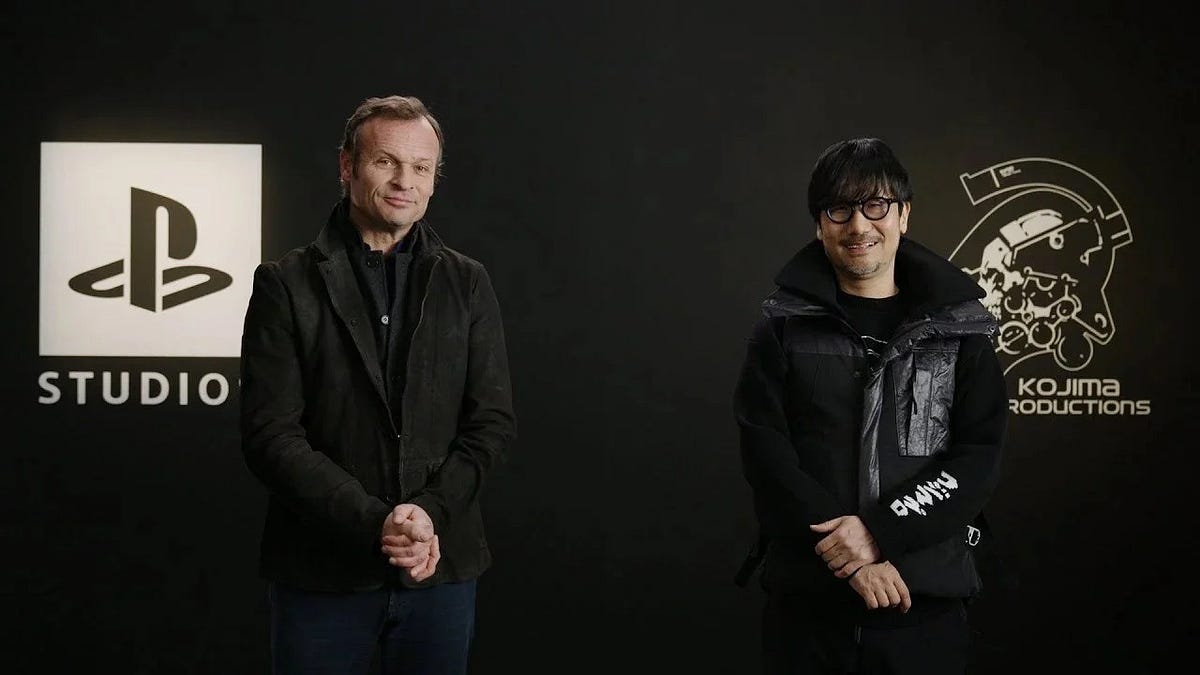
Partnership Ends
Sony cancelled its partnership with Hideo Kojima Productions for 'Physint'.
This decision led Kojima to move the espionage project to Xbox.
Sales Performance
Death Stranding 2 sold 2.5 million copies globally since June 2025.
The game generated $170 million in revenue.
2.5 million
Death Stranding 2 global sales since June 2025.
- on PlayStation
- 1.8 million
- on Steam
- 700,000
Financial Impact
Sony's financial performance was impacted by failures like 'Concord'.
'Concord' cost over $300 million, leading to a more cautious approach to project development.
Impact of Failures. Sony's financial performance has been impacted by high-profile failures like 'Concord'.
Continued Success
Helldivers 2 remains a significant success for Sony.
It sold nearly 23 million units and generated $800 million in revenue. The game maintains a consistent base of 1 million monthly players.
Physical Sales
Physical game sales are critical for Sony's prestige single-player titles.
Physical copies account for 38% to 47% of total sales for games like 'Ghost of Yotei', 'Astro Bot', and 'Stellar Blade'.
Leveraging IP
Nintendo is developing a 1:1 remake of 'Ocarina of Time' for the Switch 2.
It aims to appeal to both millennial parents and their children.
Like a classic movie reboot, it aims to bring an old favorite to a new generation while satisfying long-time fans.
1 / 6
Ask AI about this report