1 free read left. Create a free account for unlimited reading + AI research.
Create free accountWhitepaper European Conference on Games Based Learning (ECGBL)
1 free read left. Create a free account for unlimited reading + AI research.
Create free accountWhitepaperEuropean Conference on Games Based Learning (ECGBL)
The work frames integration as a two-way process. It identifies the transition from introductory migrant programs into regular high school as a key point.
This paper presents the design of Wanderers, a collaborative puzzle game created to foster low-stakes social interaction and cultural exchange between high school students with and without migrant backgrounds in Norway. Drawing on design-based research and grounded in interviews with students and teachers from the LIM (Language, Integration, Media) project, the authors identify four design principles: facilitating cultural exchange through "safe topics" such as food and traditions, promoting mutual dependency through culturally specific puzzles, diversity in representation, and a stimulating theme. The work is framed around the view that integration is a two-way process and that classrooms are a critical but underserved arena for inclusion, particularly during the transition from introductory programs for migrants into regular high school.
The study's central contribution lies in its candid account of how well-intended design choices produced problematic outcomes. The authors find that "safe topics" can displace more difficult conversations about migration, trauma, and racism, and may partly shield designers and teachers from uncomfortable realities. Culturally specific puzzles, while empowering in playtests, risked placing a "responsibility to know" on migrant students whose schooling and family traditions varied. Efforts at representation raised tensions between authenticity and stereotyping, and an extensive narrative proved less accessible to students learning Norwegian. The authors conclude that conventional game design advice to prioritize enjoyment and indirectness may reproduce existing power relations, and that low-threshold activities are valuable but insufficient on their own for meaningful social inclusion.
The evidence base is qualitative and modest in scale: eight focus groups with students from Eritrea, Syria, and Norway, eight teacher focus groups, and a single playtest with ten students at one high school, supplemented by the designers' own reflections. Findings are therefore exploratory rather than generalizable, and the paper is explicit that its insights come from iterative design practice rather than controlled comparison.
European Conference on Games Based Learning (ECGBL) · 2024
European Conference on Games Based Learning (ECGBL) · 2024
European Conference on Games Based Learning (ECGBL) · 2024
European Conference on Games Based Learning (ECGBL) · 2024
European Conference on Games Based Learning (ECGBL) · 2024
European Conference on Games Based Learning (ECGBL) · 2024
European Conference on Games Based Learning (ECGBL) · 2024
European Conference on Games Based Learning (ECGBL) · 2024
European Conference on Games Based Learning (ECGBL) · 2024
European Conference on Games Based Learning (ECGBL) · 2024
European Conference on Games Based Learning (ECGBL) · 2024
European Conference on Games Based Learning (ECGBL) · 2024
European Conference on Games Based Learning (ECGBL) · 2024
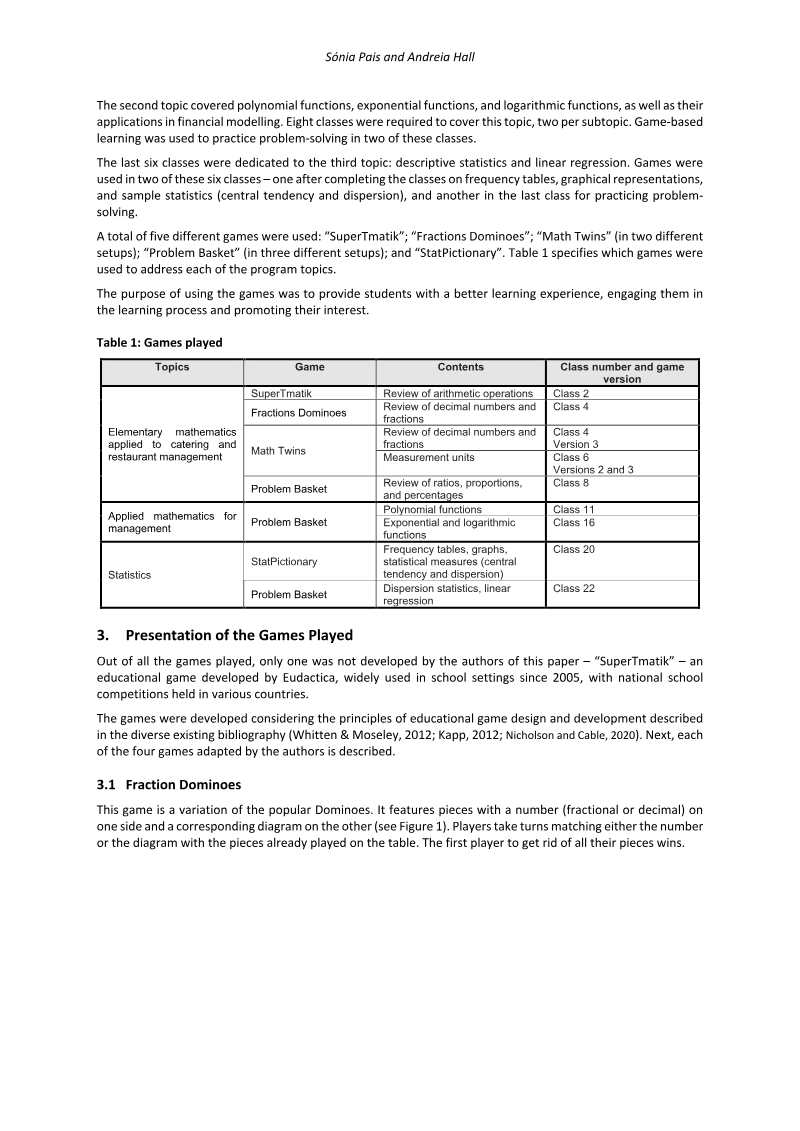
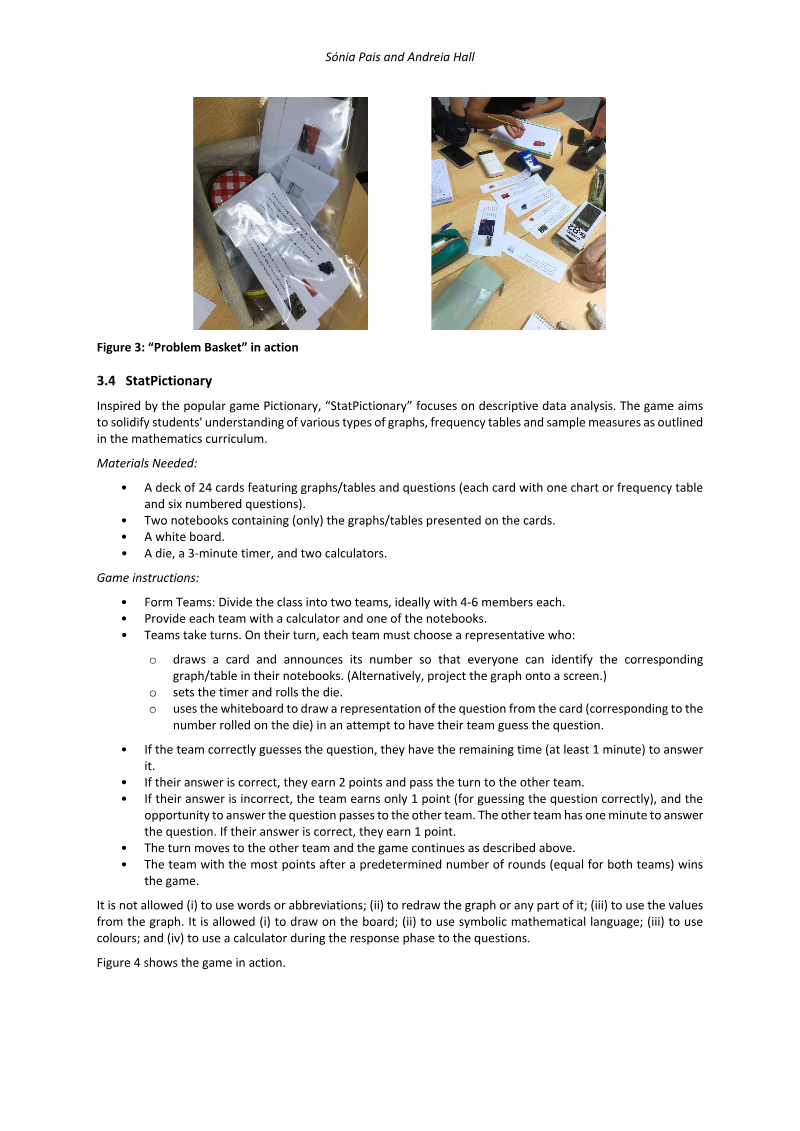
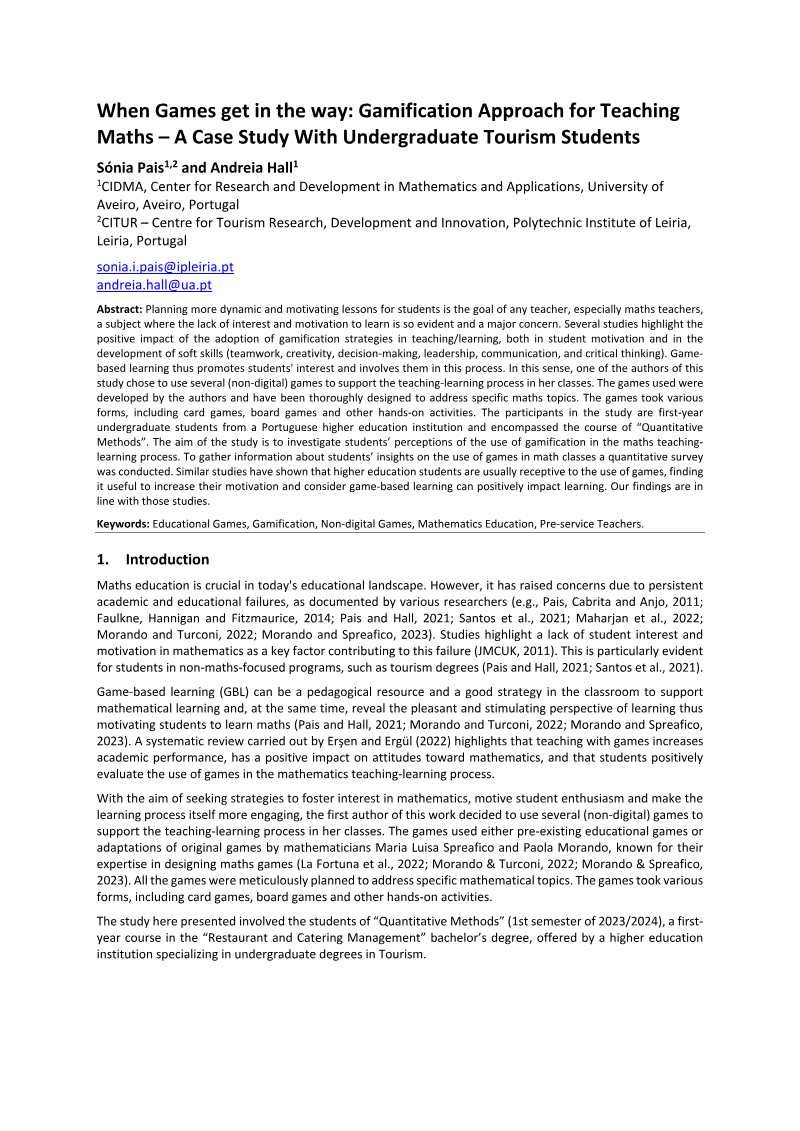
European Conference on Games Based Learning (ECGBL) · 2024
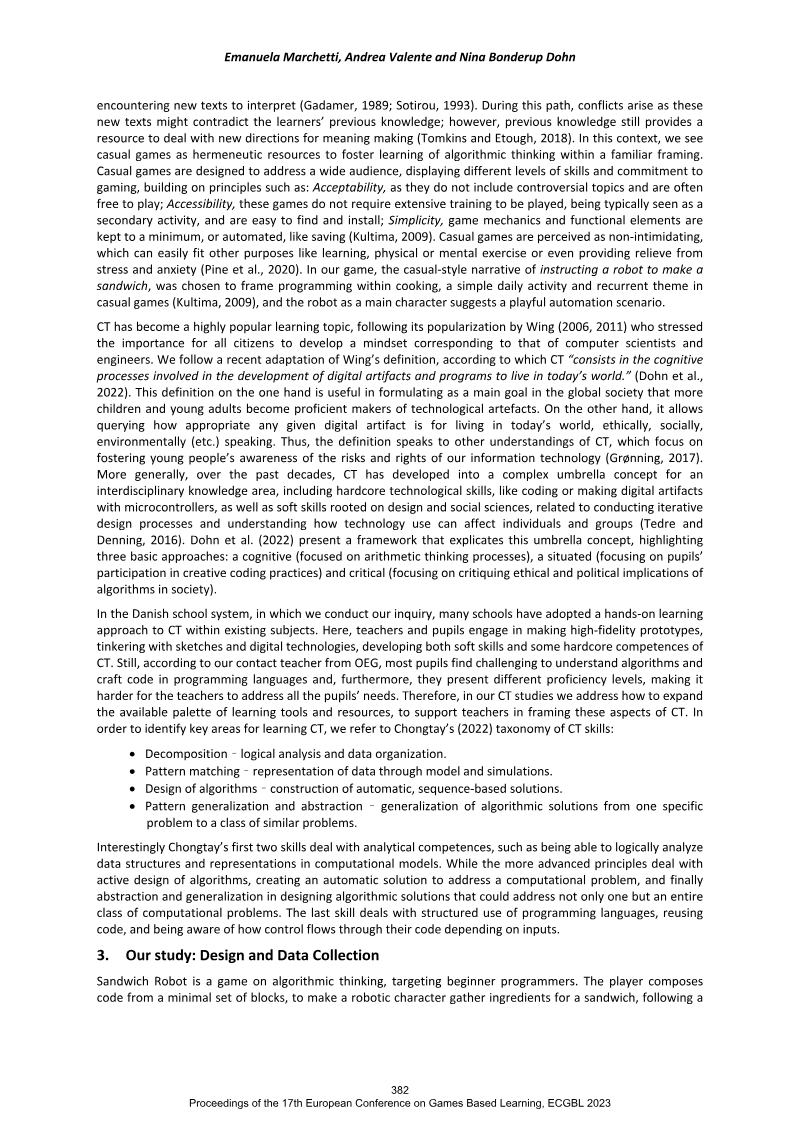
European Conference on Games Based Learning (ECGBL) · 2023