1 free read left. Create a free account for unlimited reading + AI research.
Create free accountReport DiGRA
1 free read left. Create a free account for unlimited reading + AI research.
Create free accountReportDiGRA
Distilling the key insights…
Indie game developers in Sweden, China, and India are increasingly confronting localization as digital distribution opens global markets, and a study presented at DiGRA 2018 examines how these small studios approach it within their production processes. Motivated by rapid market growth, including Steam's Simplified Chinese share rising from 8.97% in December 2016 to 63.9% in December 2017, the research addresses a gap in the literature: how localization is actually handled by independent developers rather than large publishers. The work draws on established localization frameworks and indie definitions to frame an interview-based analysis.
Findings from interviews with eight developers show that localization is pursued chiefly to broaden audience reach rather than for immediate financial return. Chinese and Indian developers were shaped by specific constraints, such as the absence of a Chinese smartphone market in 2009 and a message-driven game aimed at rural Bengal. Swedish developers typically recognized localization's value only after early-access feedback revealed a global player base, and several acknowledged that deferring it, whether from assumptions about English proficiency or resource limits, generated later rework. Swedish industry data, with 99% of game income derived from exports, underscore why localization carries particular weight for small domestic markets.
Under tight budgets, developers rely almost universally on basic text-only localization, sourced through freelancers managed in-house, Fiverr, or unpaid fan translation from player communities. Reported outcomes were generally positive, including wider reach and social impact, with one Indian developer's Bengali release producing a clear download spike in Bangladesh. The study concludes that resource constraints largely determine localization decisions, that digital distribution makes post-release localization feasible though earlier planning eases the process, and that existing localization process models fit indie practice poorly, pointing to a need for frameworks tailored to small studios.
DiGRA · 2018
DiGRA · 2018
DiGRA · 2018
DiGRA · 2018
DiGRA · 2018
DiGRA · 2018
DiGRA · 2018
DiGRA · 2018
DiGRA · 2018
DiGRA · 2018
DiGRA · 2018
DiGRA · 2018
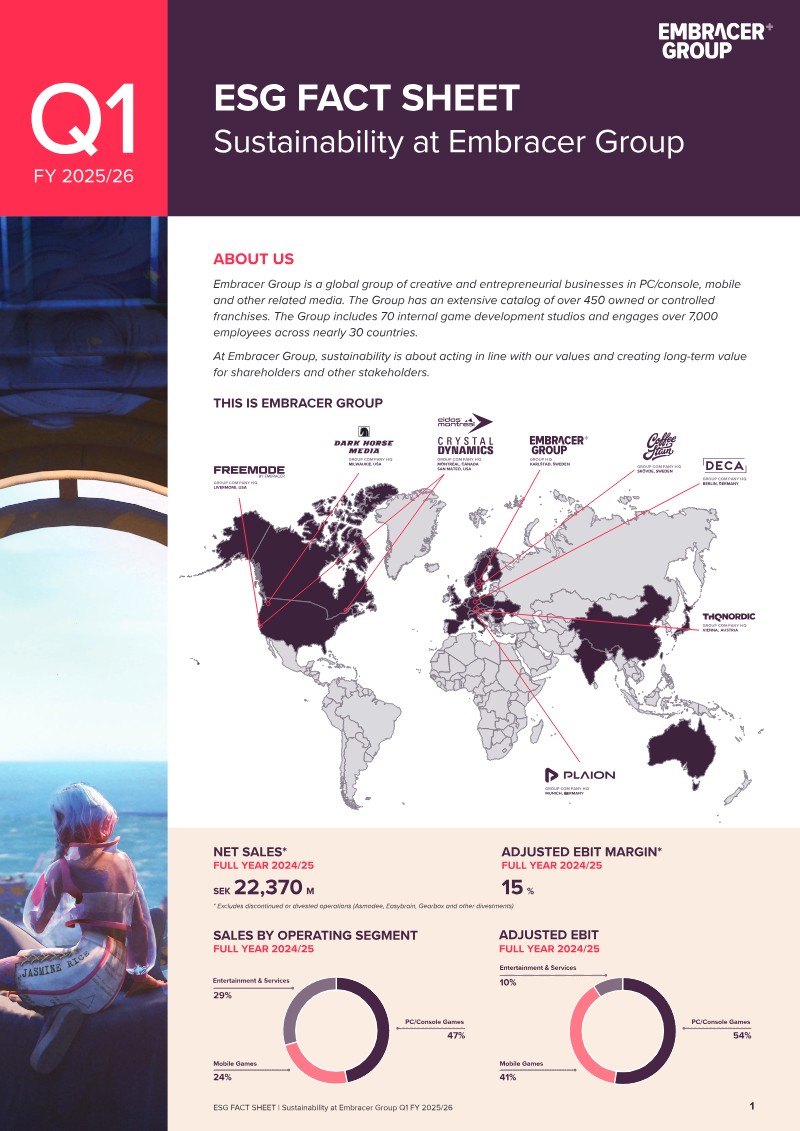
Embracer Group · 2025