1 free read left. Create a free account for unlimited reading + AI research.
Create free accountArticle DiGRA
1 free read left. Create a free account for unlimited reading + AI research.
Create free accountArticleDiGRA
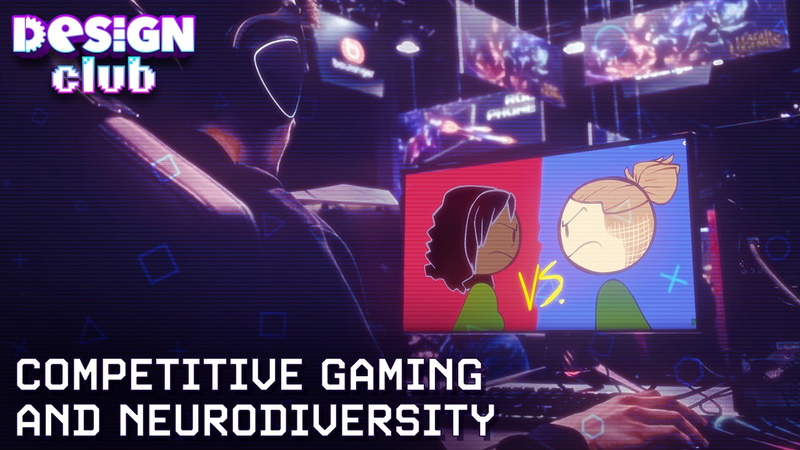
Siutila and Havaste's study examines online reactions to the announcement of all-female esports teams, drawing on 952 Reddit comments from two subreddits, r/leagueoflegends and r/GlobalOffensive, which are dominated by what the authors term "geek masculinity." The work situates these reactions within a longer history of women in competitive gaming, from 1990s "girl gamer" clans to the persistent male-dominated public face of esports, where women remain a minority of professional competitors and are often relegated to supportive roles. Women-only tournaments have historically been lower-level and less lucrative, a context that frames the community responses under examination.
The central finding is that commenters overwhelmingly described esports as a meritocracy "blind to identity," while viewing all-female teams with suspicion. Discussion focused on whether women-only leagues helped or harmed women players and whether women's lower representation reflected biology or culture. Many commenters asserted that women showed less skill, though some cited research, such as Ratan et al. (2015), finding that men and women acquire League of Legends skill at equal rates when time played is controlled. The dominant view held that sponsorship by a pornography company was a publicity stunt that damaged perceptions of women players, and that the teams' low rankings and rule-based exclusion from top competitions made them ineligible for higher-tier play.
Analysis of the threads also revealed frequent jokes, banter, and sexual humor, with references to Team Siren prominent in the League of Legends discussion. Women commenters, including members of Team YP and a former Team Siren player, contributed firsthand perspectives. The authors conclude that women in esports face stereotypes and pressure to hide or justify their gender. Changing this, they argue, will require either less uncritical faith in meritocracy or a substantial increase in women at the highest levels of competition.
Each row is a game or company this document names, each column a document, oldest first. A mark means that document names it. Select a row to see those documents.
DiGRA · 2018
DiGRA · 2018
DiGRA · 2018
DiGRA · 2018
DiGRA · 2018
DiGRA · 2018
DiGRA · 2018
DiGRA · 2018
DiGRA · 2018
DiGRA · 2018
DiGRA · 2018
DiGRA · 2018
DiGRA · 2005