More from a16z Games
View all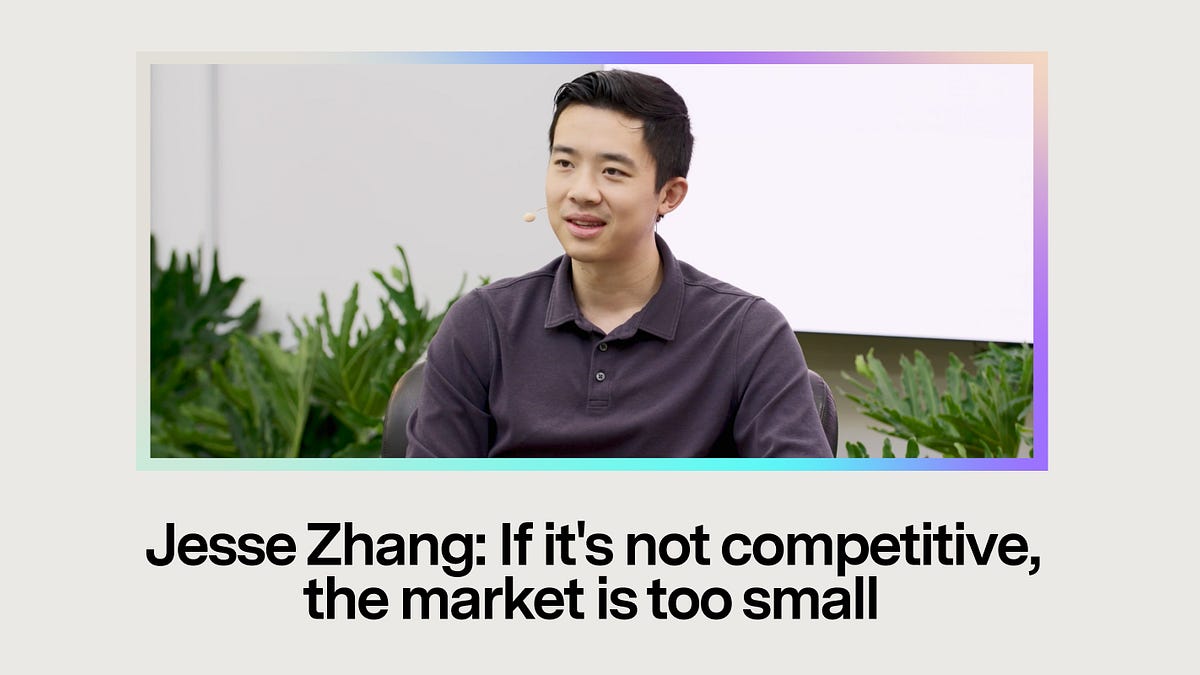
Article
If It's Not Competitive, the Market Is Too Small
a16z Games · 2026
Article
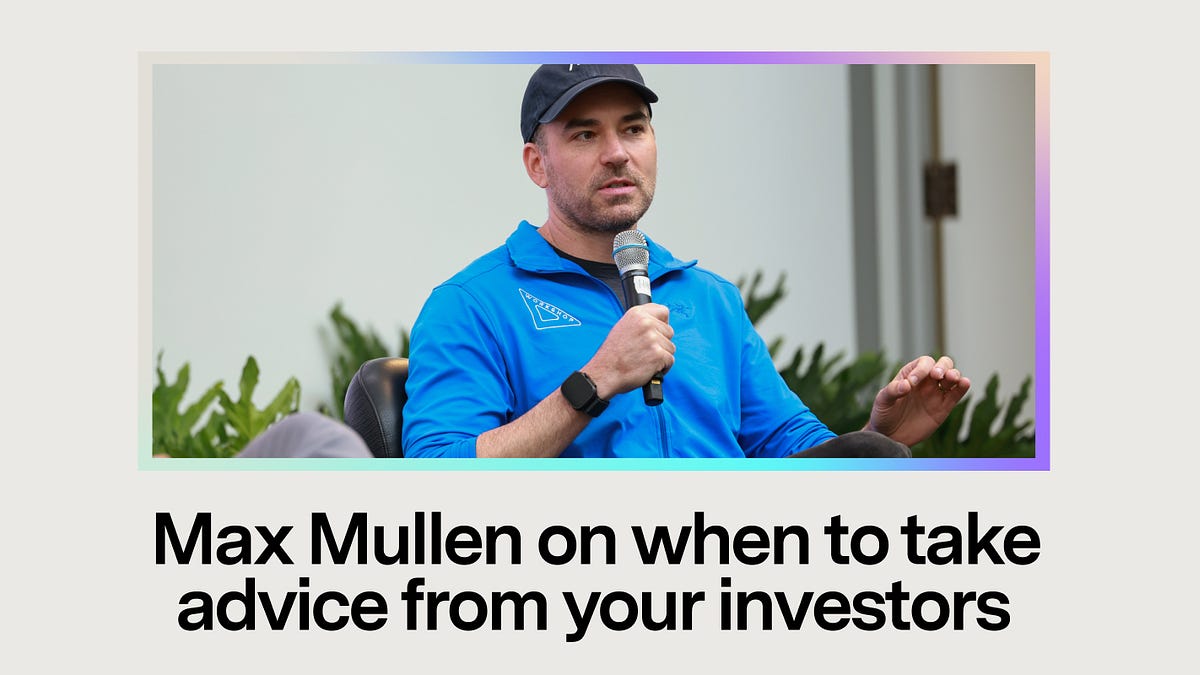
Max Mullen on When to Take Advice From Your Investors
a16z Games · 2026

Article
What Will You Do With Unlimited IQ?
a16z Games · 2026

Article
Peter Steinberger on Building in the Agent Era
a16z Games · 2026
Article
Don't Hit the NOS Too Soon: A Founder's Guide to PR
a16z Games · 2026

Article
When and When Not to Raise
a16z Games · 2026
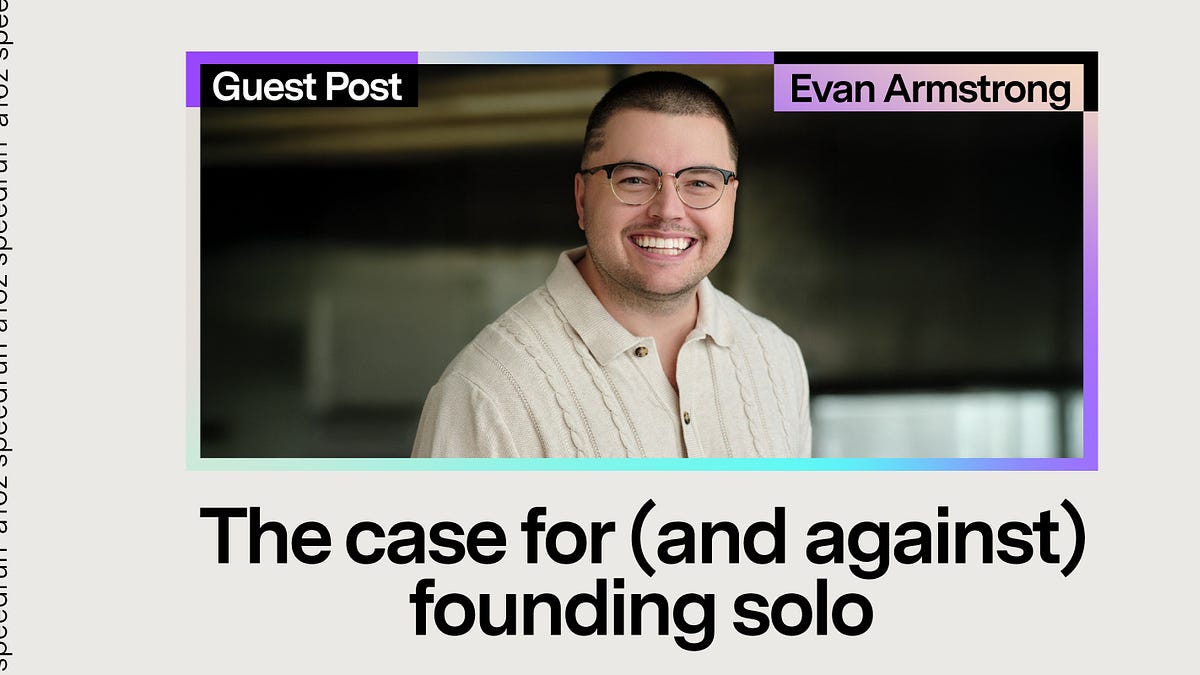
Article
The Case for (and Against) Founding Solo
a16z Games · 2026

Article
7 Mistakes Founders Make When Chasing Their First Deals
a16z Games · 2026
Article
How to Pivot Well
a16z Games · 2026

Article
Takeaways from New York Tech Week
a16z Games · 2026

Article
Three Ways Founders Are Building in Public
a16z Games · 2026
Case Study: The Evolution of a Pitch Dec
Article
Case Study: The Evolution of a Pitch Deck
a16z Games · 2026