Key insights
6 slides
The challenge
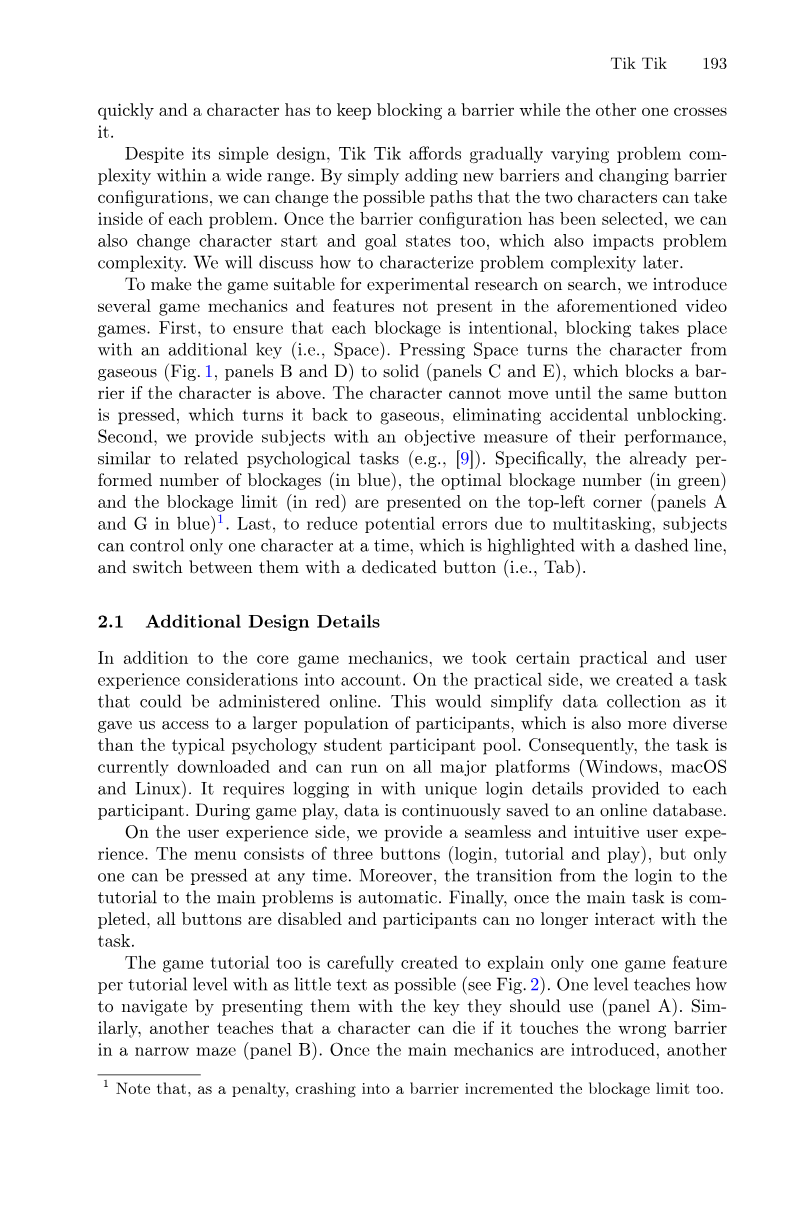
Educational game implementation in higher education has a significant efficacy gap.
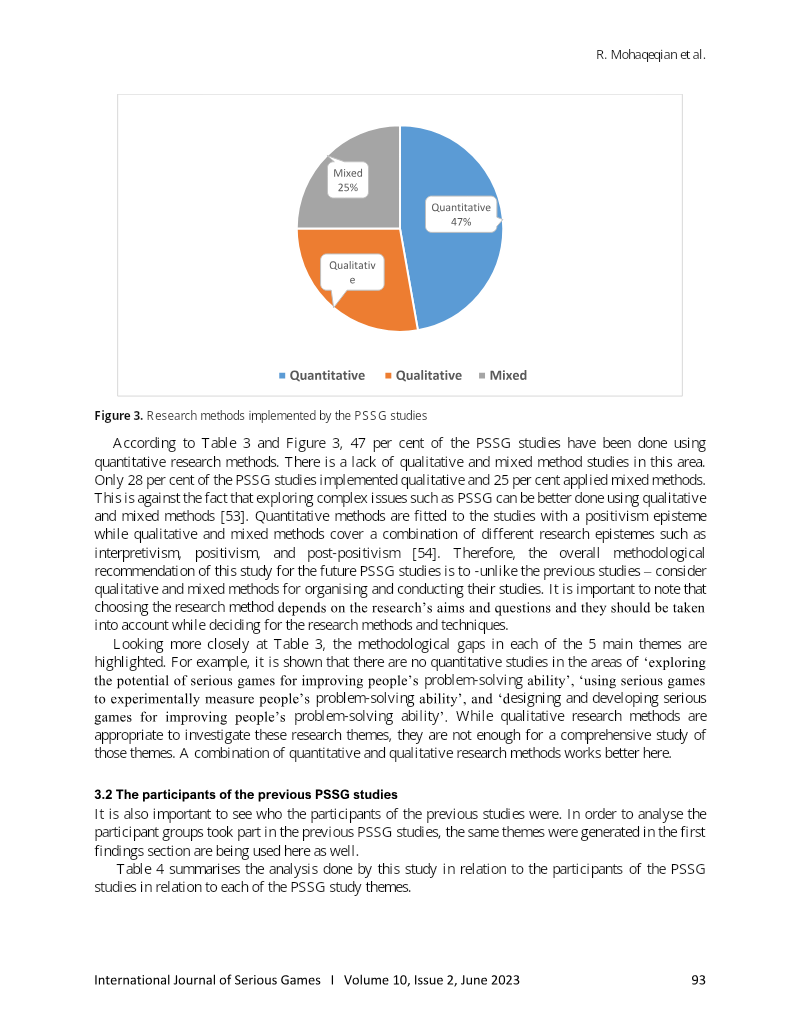
Student completion rates for educational games consistently remain below 48 percent.
1 / 6
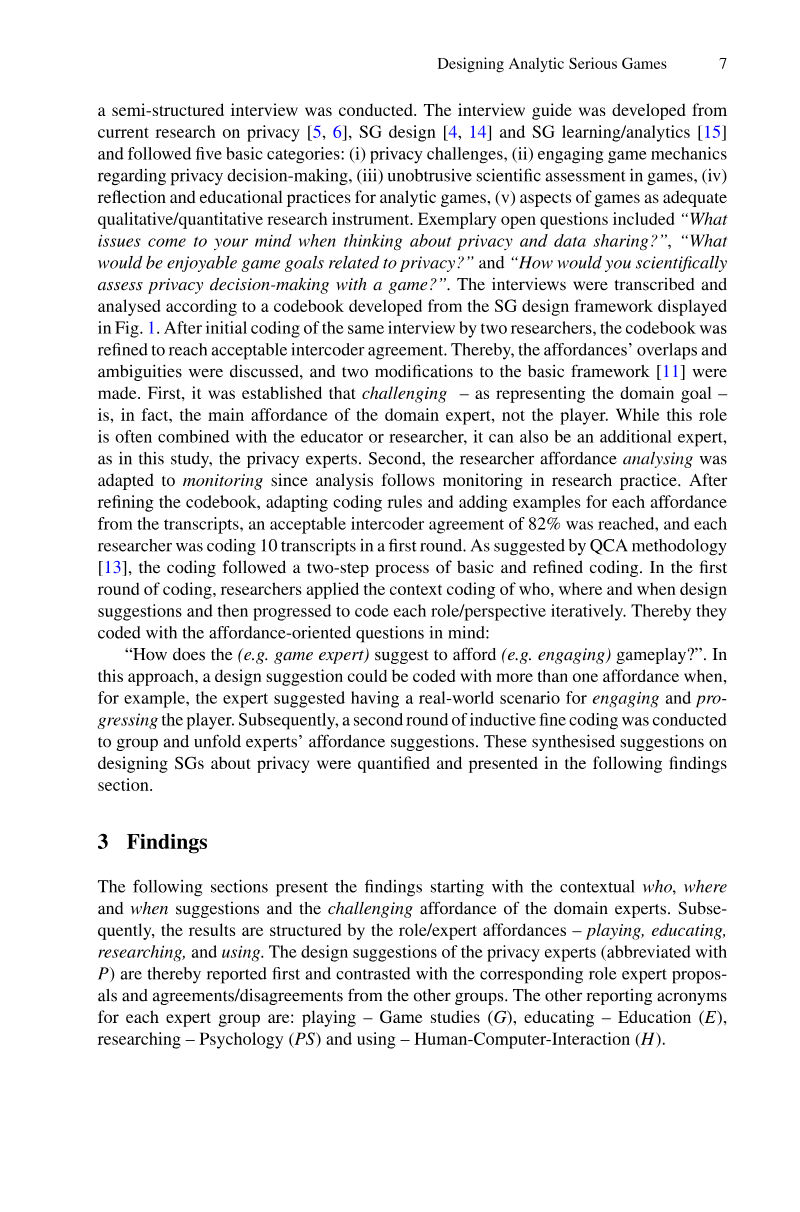
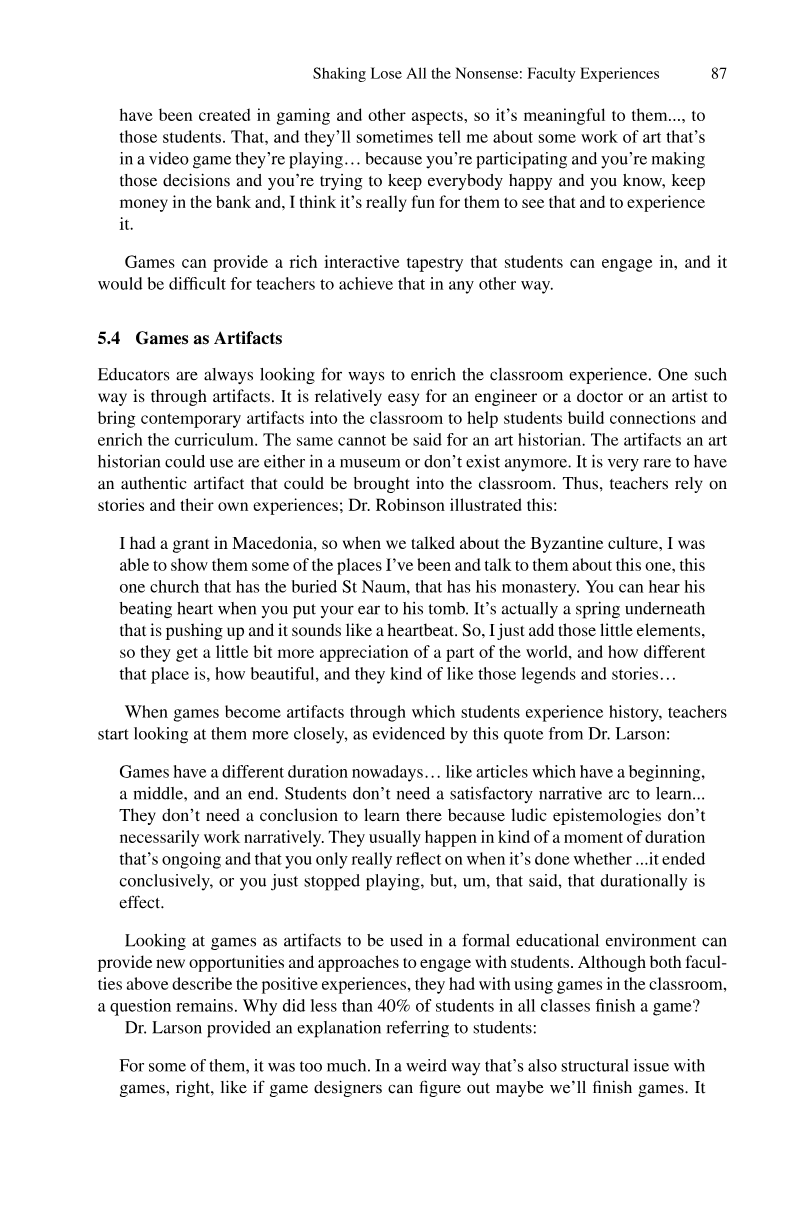
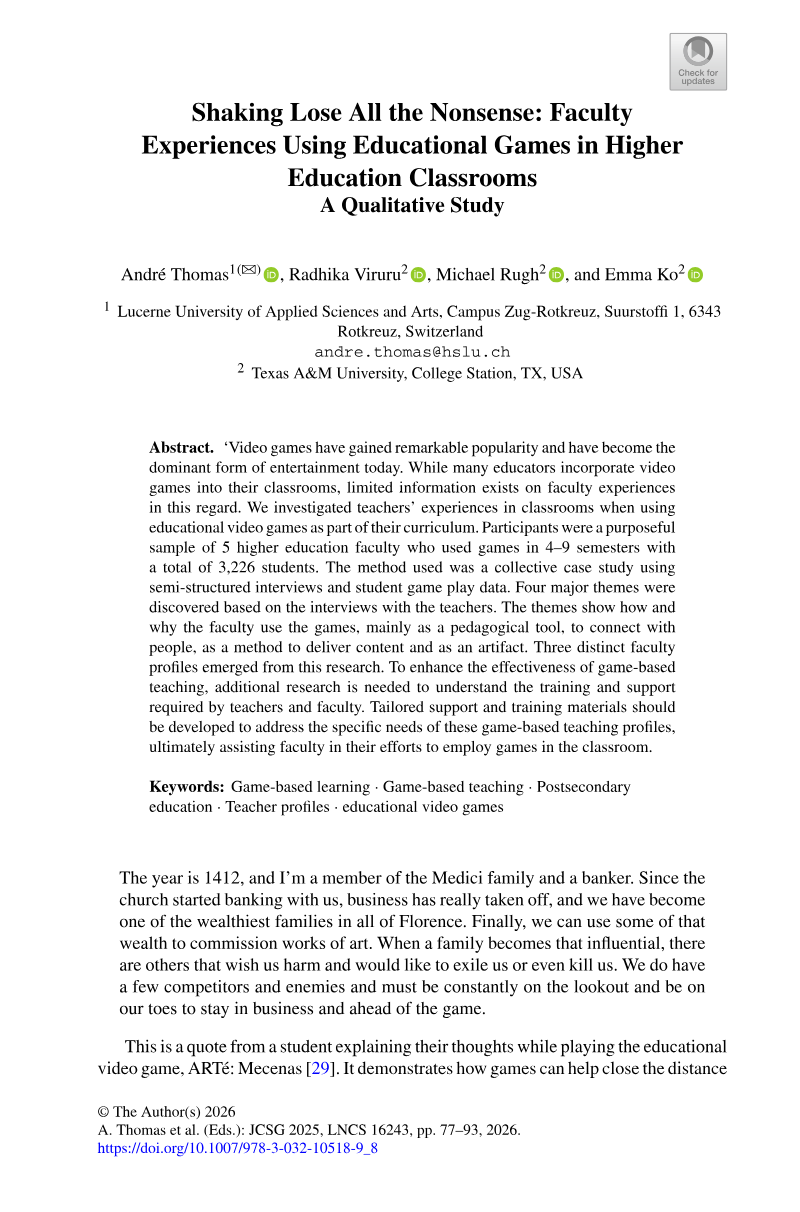
- 01Educational game implementation in higher education suffers from a significant efficacy gap, with student completion rates consistently remaining below 48 percent.See it on page 11
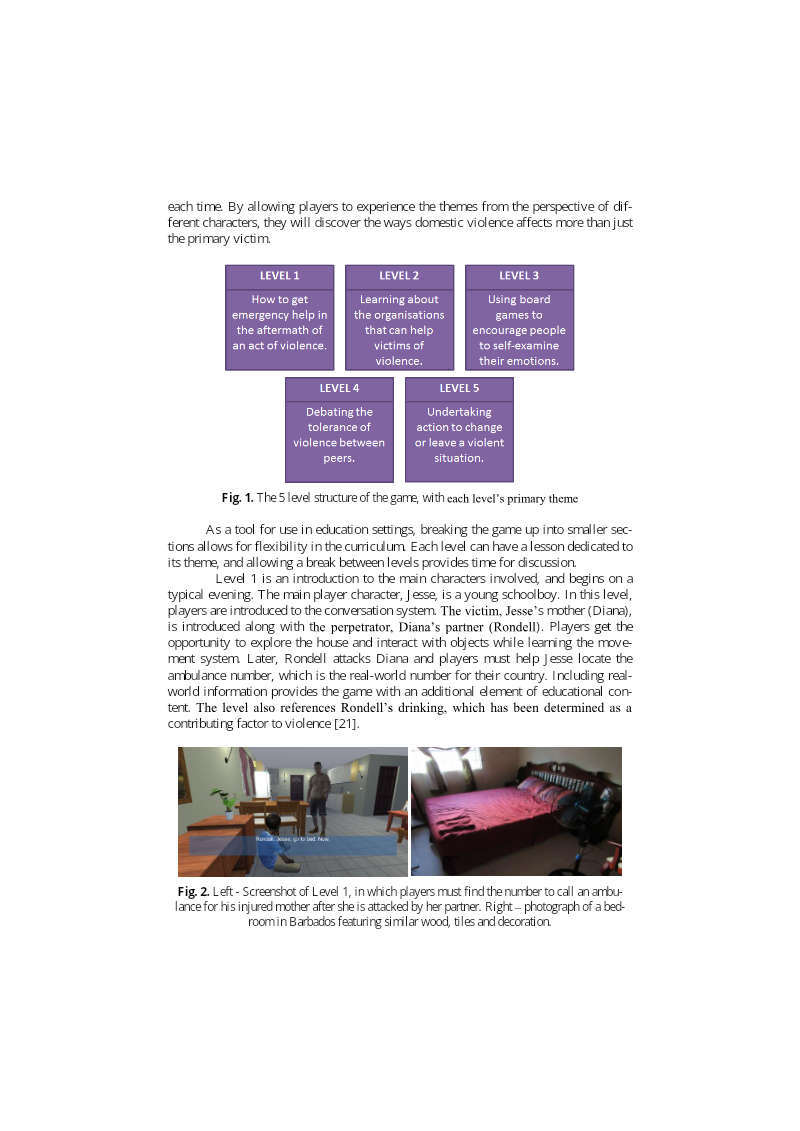
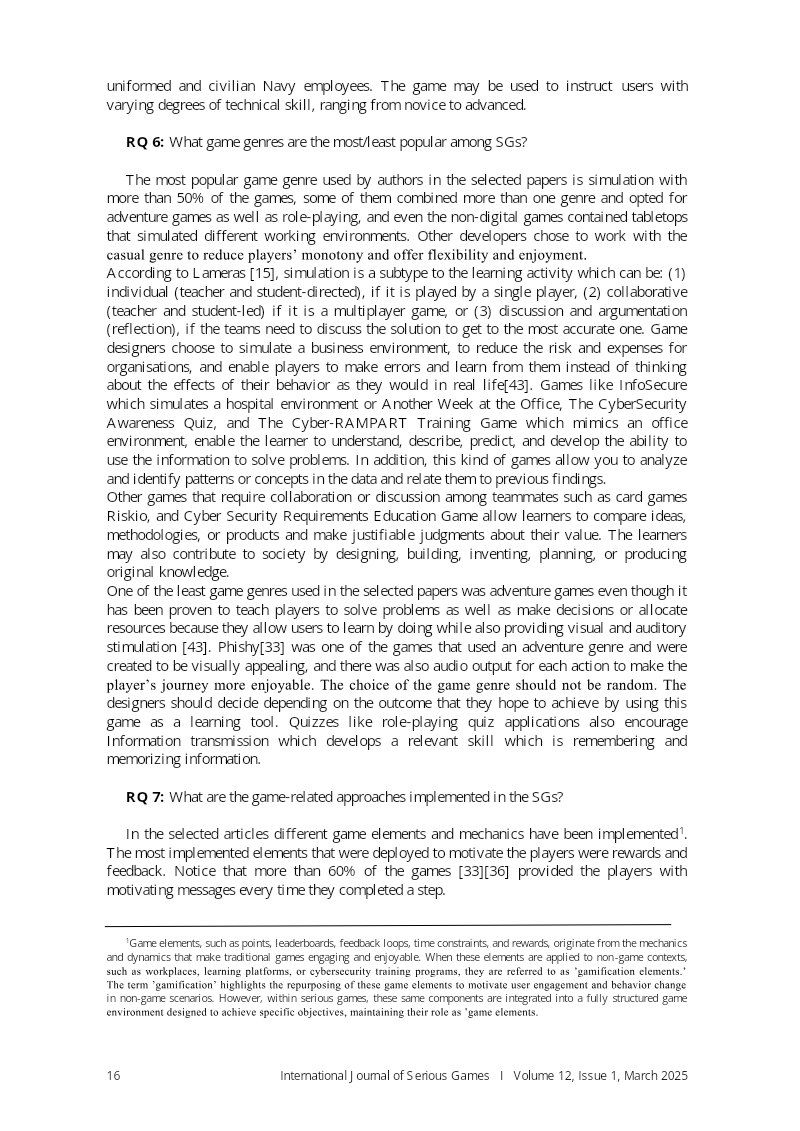
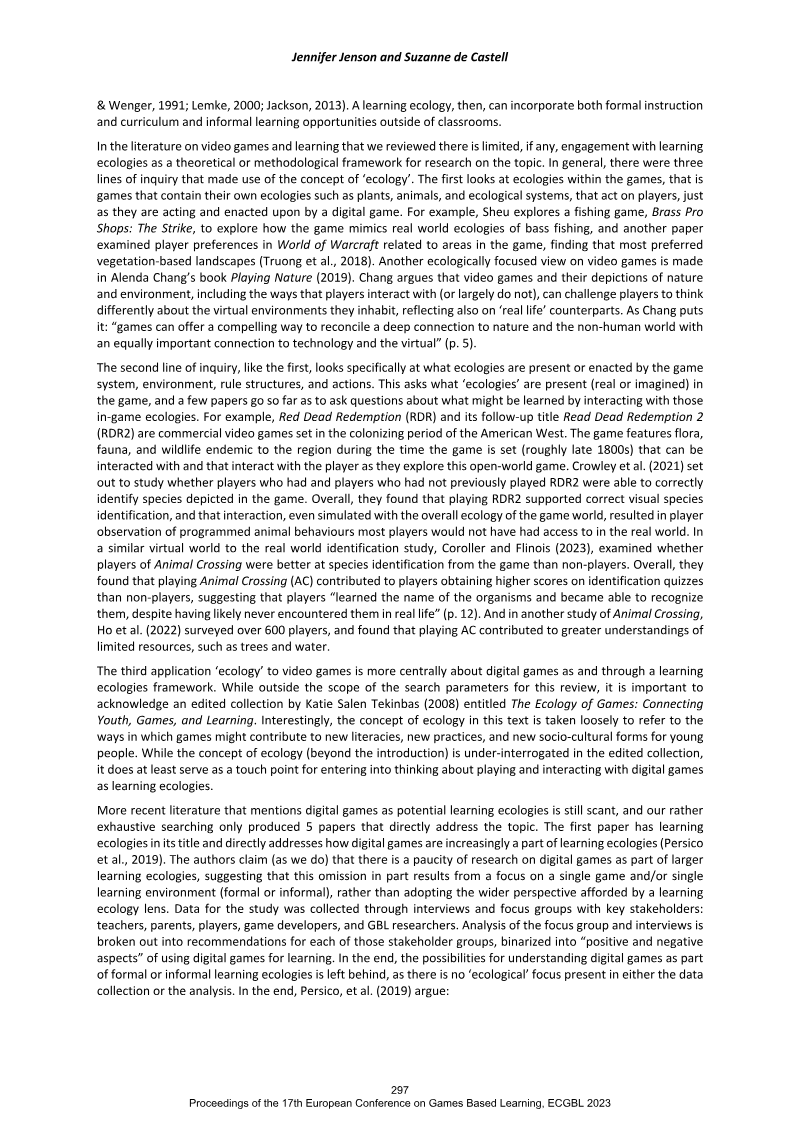
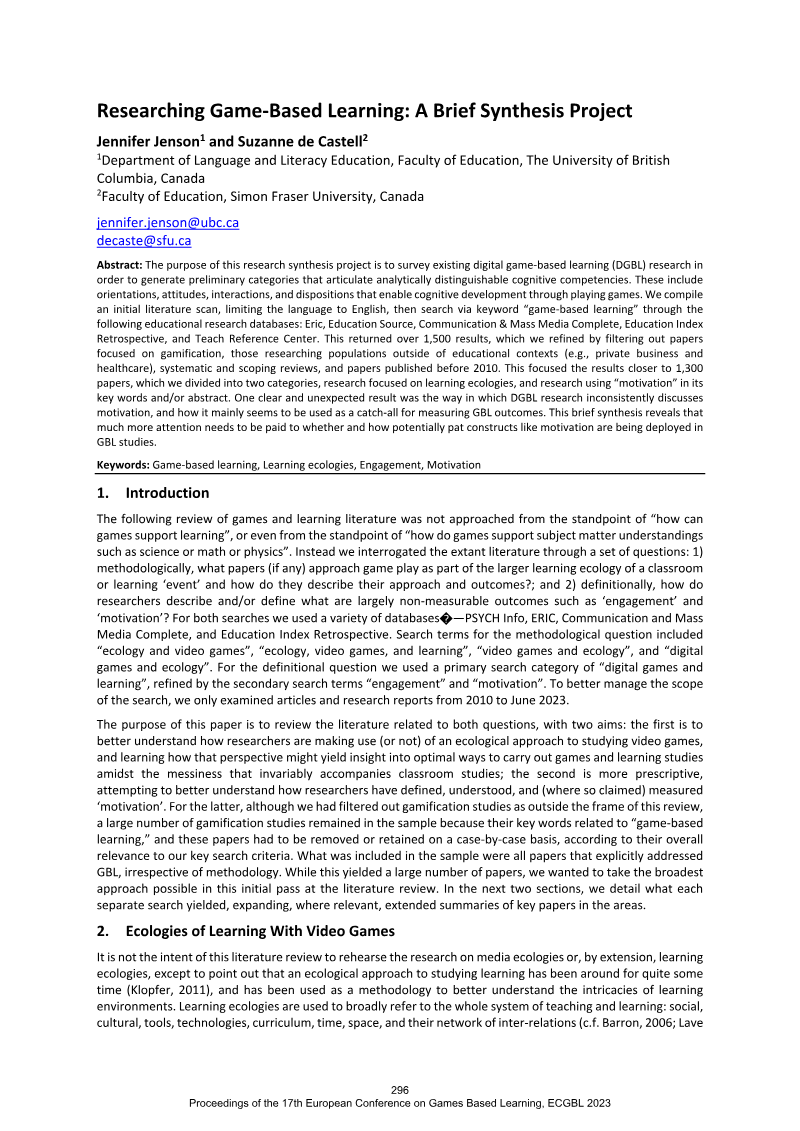
- 02Faculty utilize games for four primary functions: as pedagogical instruments, catalysts for human connection, methods for content delivery, and historical artifacts.See it on page 1
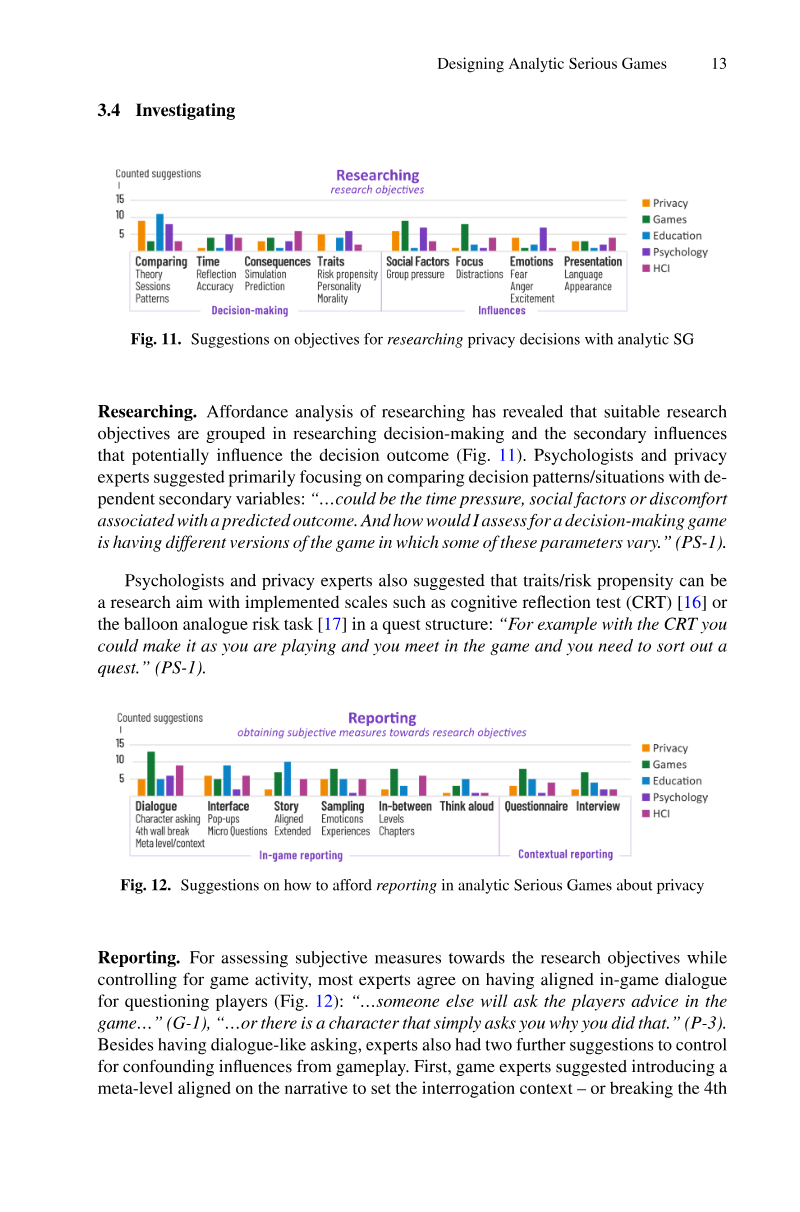
- 03Integration strategies are driven by three distinct faculty profiles, each prioritizing specific game attributes while often neglecting the broader potential of a game's design.See it on page 14
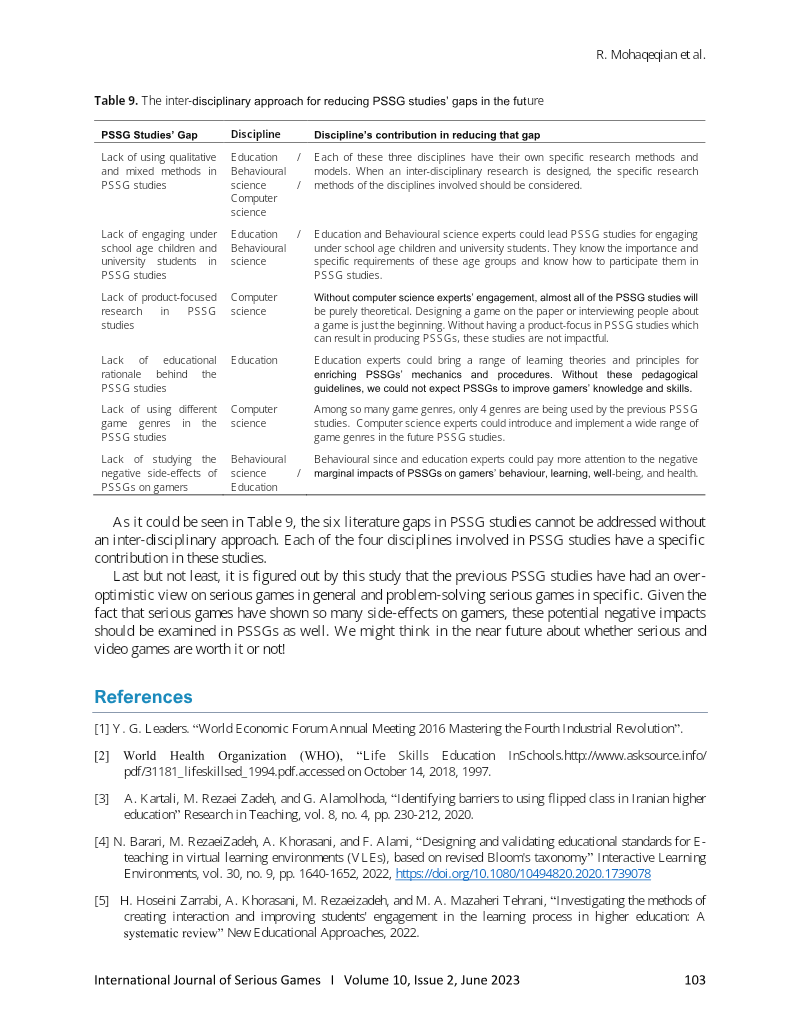
- 04The current lack of versatility in educational game design prevents products from effectively supporting the diverse instructional approaches found in modern classrooms.See it on page 1
- 05Bridging the implementation gap requires moving away from one-size-fits-all products toward game designs that are adaptable to specific, multifaceted teaching styles.See it on page 14
- 06Successful adoption of game-based learning depends on providing educators with specialized training and instructional materials tailored to their unique pedagogical priorities.See it on page 1
Ask AI about this report
Summary
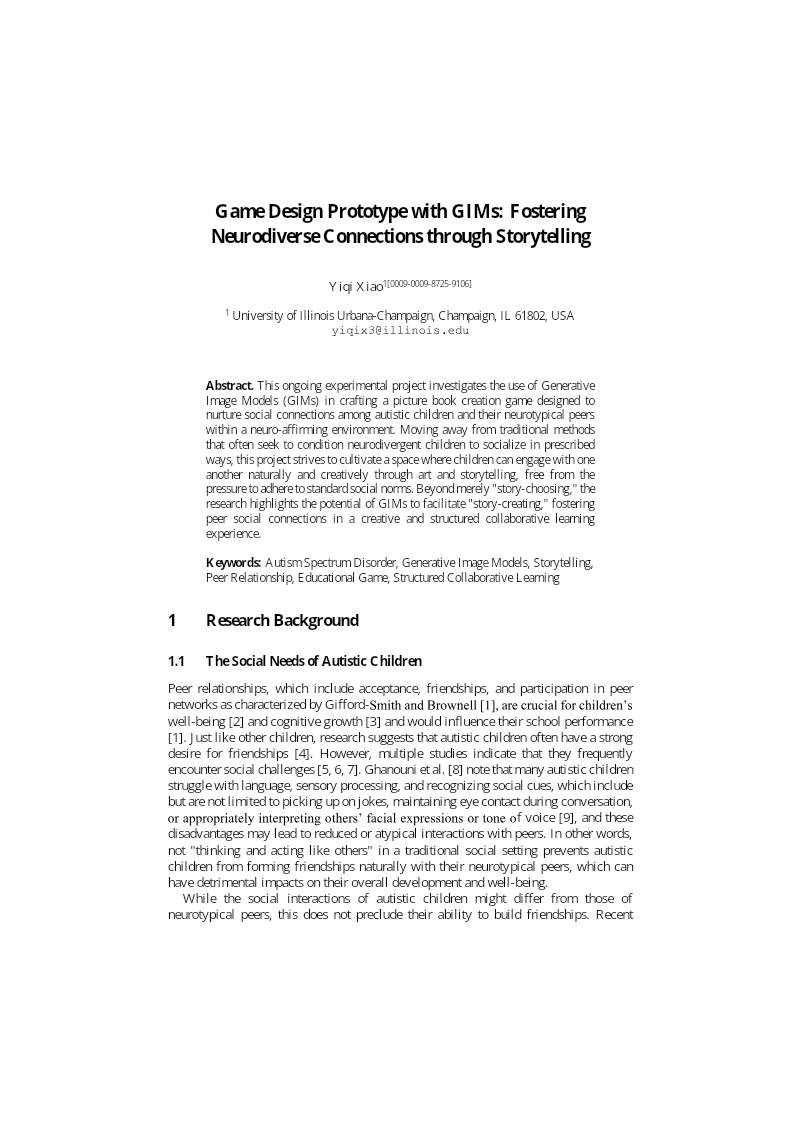
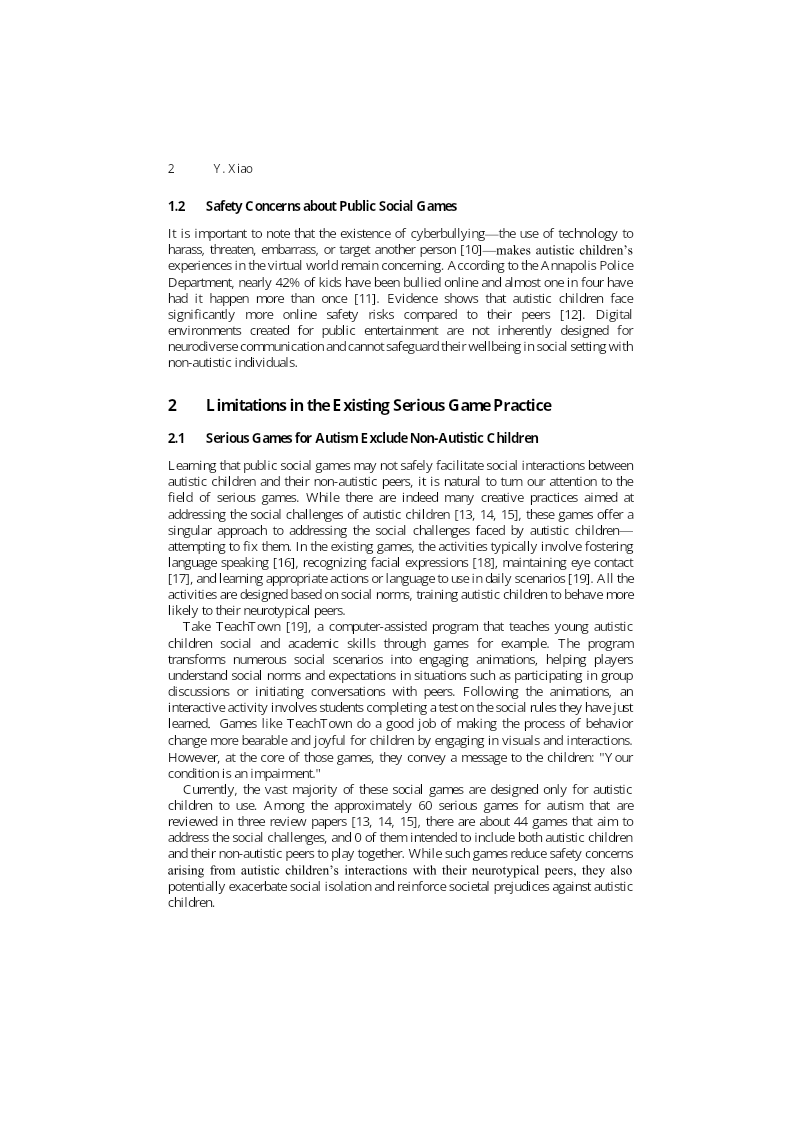
Higher education faculty increasingly integrate video games into their curricula to enhance student engagement and immersion, yet the practical application of these tools remains highly variable. By analyzing the experiences of educators across a cohort of 3,226 students, it becomes clear that games serve four primary functions: acting as pedagogical instruments, catalysts for human connection, methods for content delivery, and historical artifacts. Despite the perceived value of these digital tools, a significant implementation gap persists, evidenced by game completion rates that remain consistently below 48 percent.
The integration of game-based learning is largely dictated by individual teaching philosophies, which can be categorized into three distinct faculty profiles. These profiles reflect how educators prioritize different facets of the classroom experience, such as pedagogy, content, interpersonal connection, and the use of artifacts. Because faculty tend to emphasize specific game attributes that align with their personal teaching styles, they often overlook the broader potential of a game’s design. This narrow focus suggests that current educational games are not yet sufficiently versatile to meet the diverse needs of different instructional approaches.
To bridge the gap between the potential of game-based learning and its actual classroom efficacy, the industry must move toward more tailored support systems. Educators require specialized training and instructional materials that account for their unique pedagogical priorities. Furthermore, game designers must prioritize versatility, creating products that can be adapted to various teaching styles rather than forcing a one-size-fits-all approach. Ultimately, while games are recognized as valuable additions to the higher education repertoire, their success depends on aligning game design with the specific, multifaceted requirements of the modern classroom.