Key insights
5 slides
Platform Purpose
Tik-Tik is a standardized experimental platform designed to isolate human search strategies.
The game uses a semantically impoverished environment to minimize the influence of prior domain knowledge. This allows researchers to focus exclusively on cognitive planning mechanisms.
1 / 5
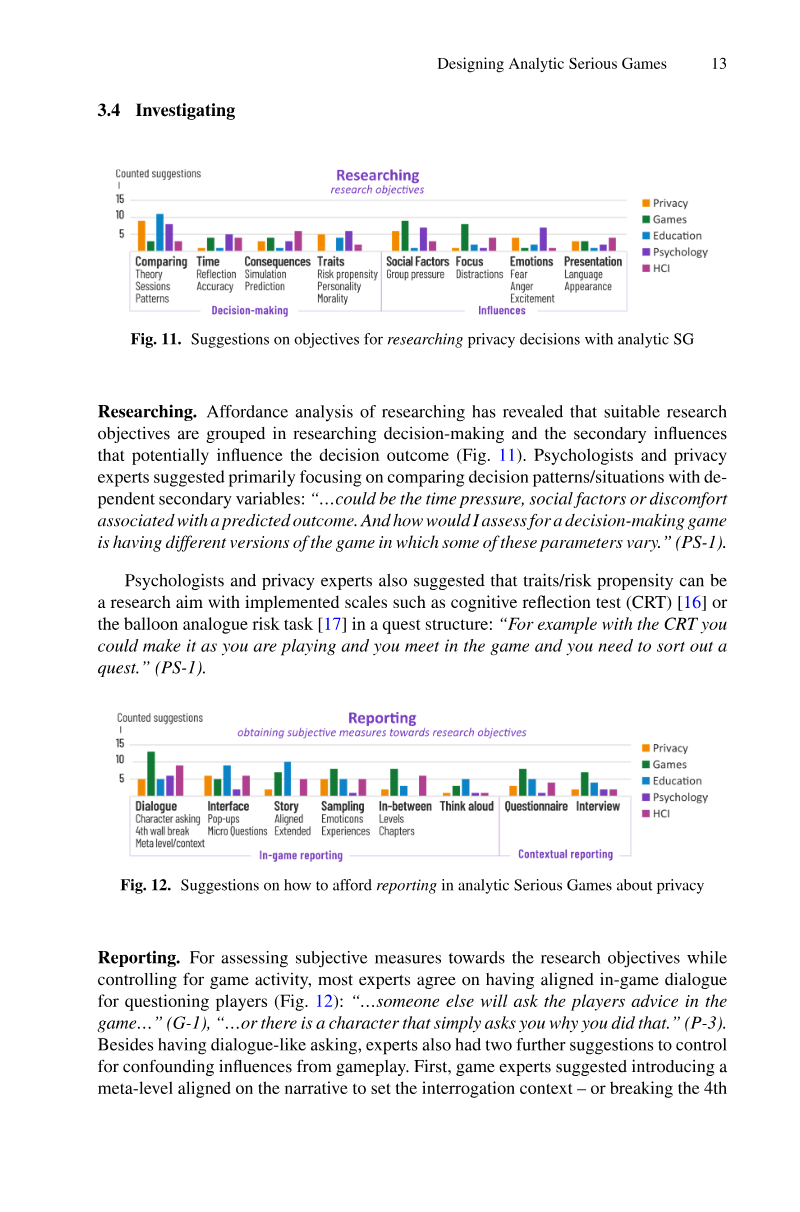
- 01Optimal Solution Length and Truncated Search Space Size are the primary determinants of task complexity, accounting for 50% to 63% of the variance in player performance.See it on page 7
- 02Tik-Tik functions as a standardized, semantically impoverished experimental platform that minimizes prior domain knowledge to isolate human cognitive planning mechanisms.See it on page 15
- 03The platform achieved a 50.8% optimal solution rate across the tested difficulty spectrum, confirming its stability for behavioral research.See it on page 13
- 04Researchers can force shifts between deliberate and improvisational planning strategies by manipulating structural constraints, time pressure, and blockage limits.See it on page 7
- 05The game provides a scalable framework for measuring the efficacy of decision-making and planning strategies without the confounding variables found in knowledge-heavy environments.See it on page 16
- 06Problem difficulty in the platform is a quantifiable outcome driven by specific structural parameters rather than an arbitrary metric.See it on page 10
Ask AI about this report
Summary
Tik-Tik functions as a standardized experimental platform designed to isolate and analyze human search strategies within the context of problem-solving. By utilizing a semantically impoverished environment, the game minimizes the influence of prior domain knowledge, allowing researchers to focus exclusively on cognitive planning mechanisms. The primary thesis posits that problem difficulty is not an arbitrary metric but a quantifiable outcome driven by specific structural parameters, enabling the creation of a reliable difficulty gradient for behavioral research.
Empirical analysis identifies two critical determinants of task complexity: Optimal Solution Length and Truncated Search Space Size. Together, these variables account for 50% to 63% of the variance in player performance. By manipulating these structural constraints alongside secondary factors like time pressure and blockage limits, researchers can effectively force shifts in planning behavior, moving players between advanced, deliberate strategies and more improvisational approaches. This calibration allows for the precise investigation of how individuals navigate trade-offs between internal mental simulations and external environmental exploration.
The validation of this model confirms that Tik-Tik serves as a robust tool for psychological and cognitive study. Achieving a 50.8% optimal solution rate across the tested difficulty spectrum, the platform provides a stable environment for observing how human agents adapt to varying levels of complexity. These findings establish a clear framework for future investigations into decision-making processes, offering a scalable method to measure the efficacy of planning strategies across diverse populations without the confounding variables typically associated with complex, knowledge-heavy gaming environments.