1 free read left. Create a free account for unlimited reading + AI research.
Create free accountWhitepaper Ludic Language Pedagogy
1 free read left. Create a free account for unlimited reading + AI research.
Create free accountWhitepaperLudic Language Pedagogy
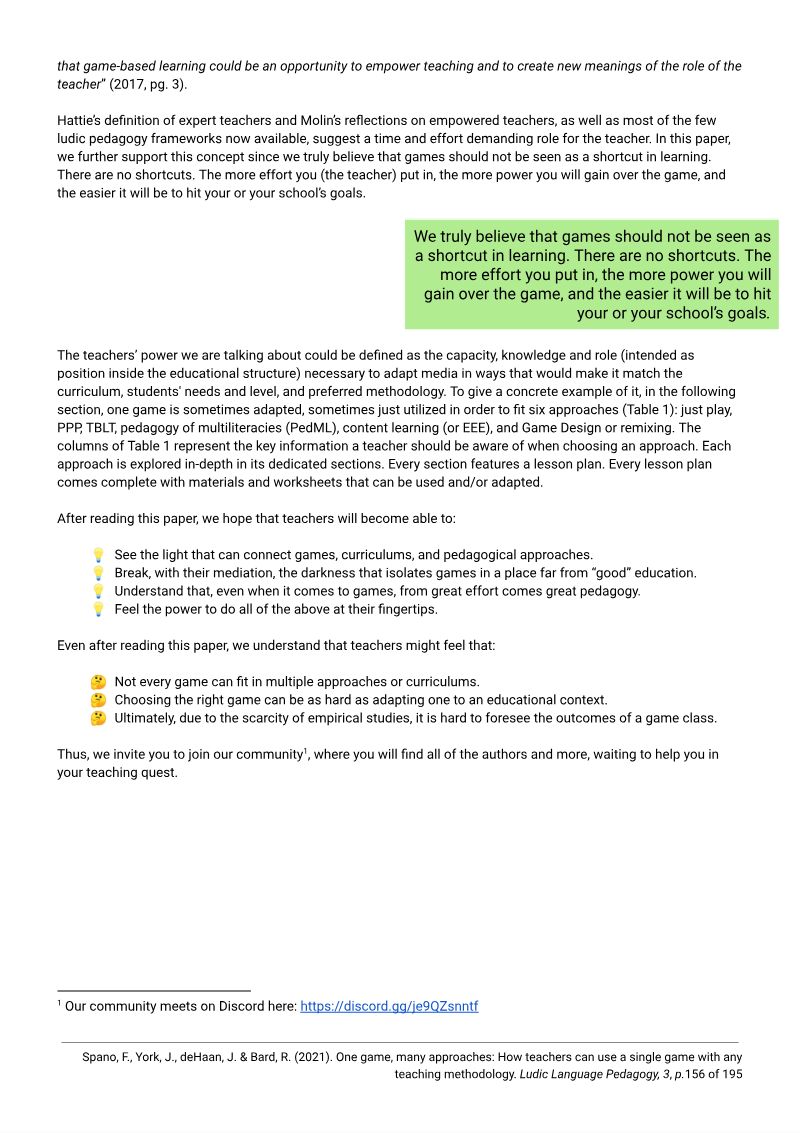
The specific game title used is less critical than the teacher's ability to integrate game mechanics into intentional, iterative learning cycles.
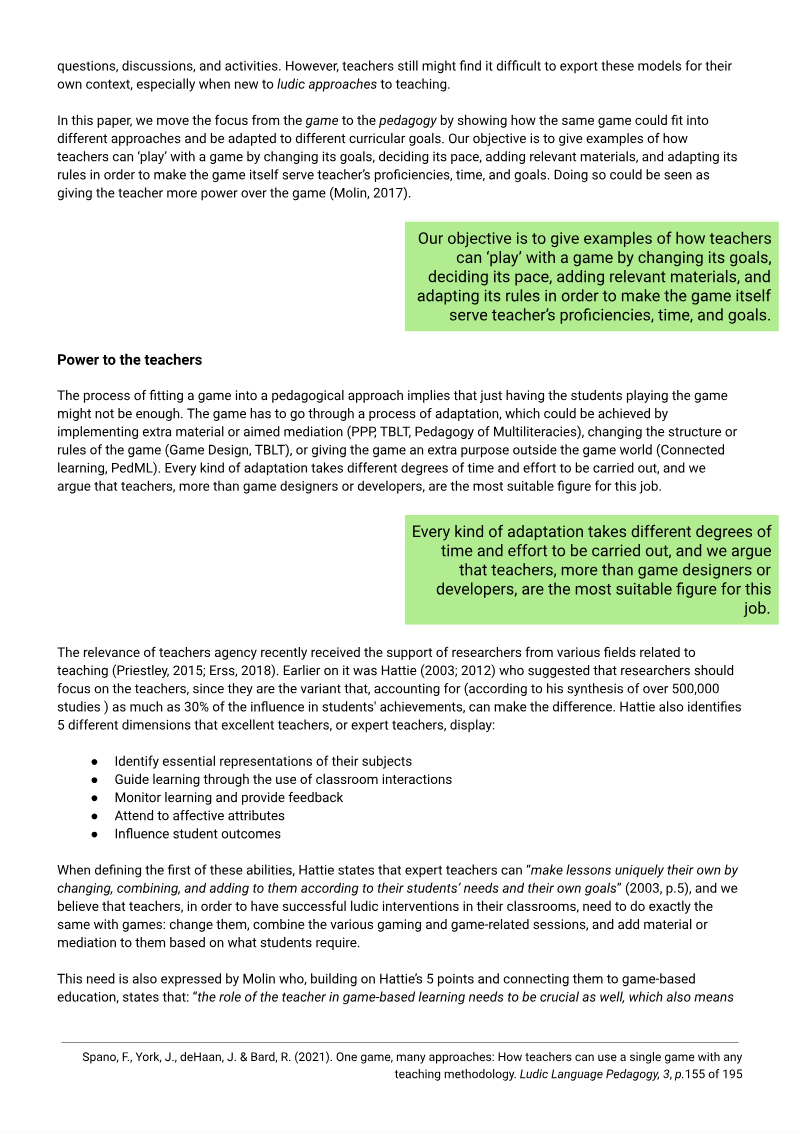
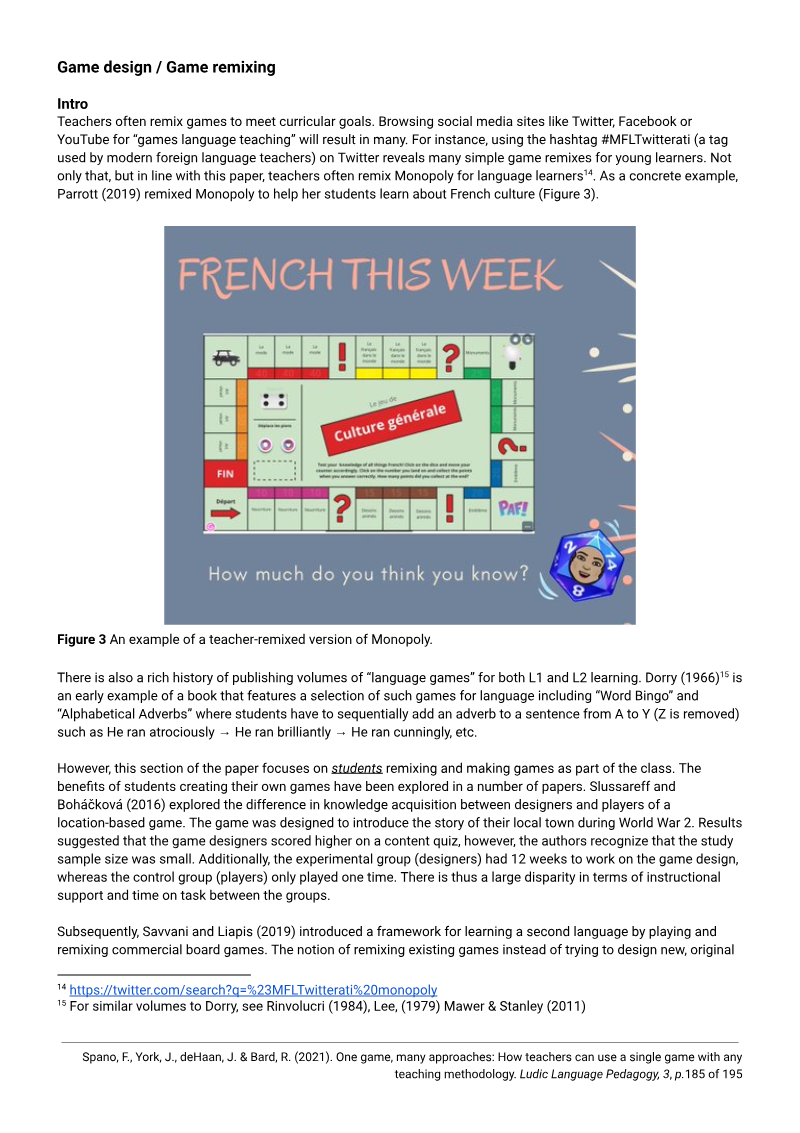
Game-based learning functions most effectively when educators transition from passive observers to active mediators, utilizing their professional agency to adapt existing commercial games to diverse pedagogical frameworks. By leveraging a single title like Monopoly, teachers can bridge the gap between abstract educational theory and practical classroom application. This approach moves beyond reliance on pre-packaged educational software, instead empowering instructors to modify rules, materials, and objectives to meet specific curricular goals and student needs across various language proficiency levels.
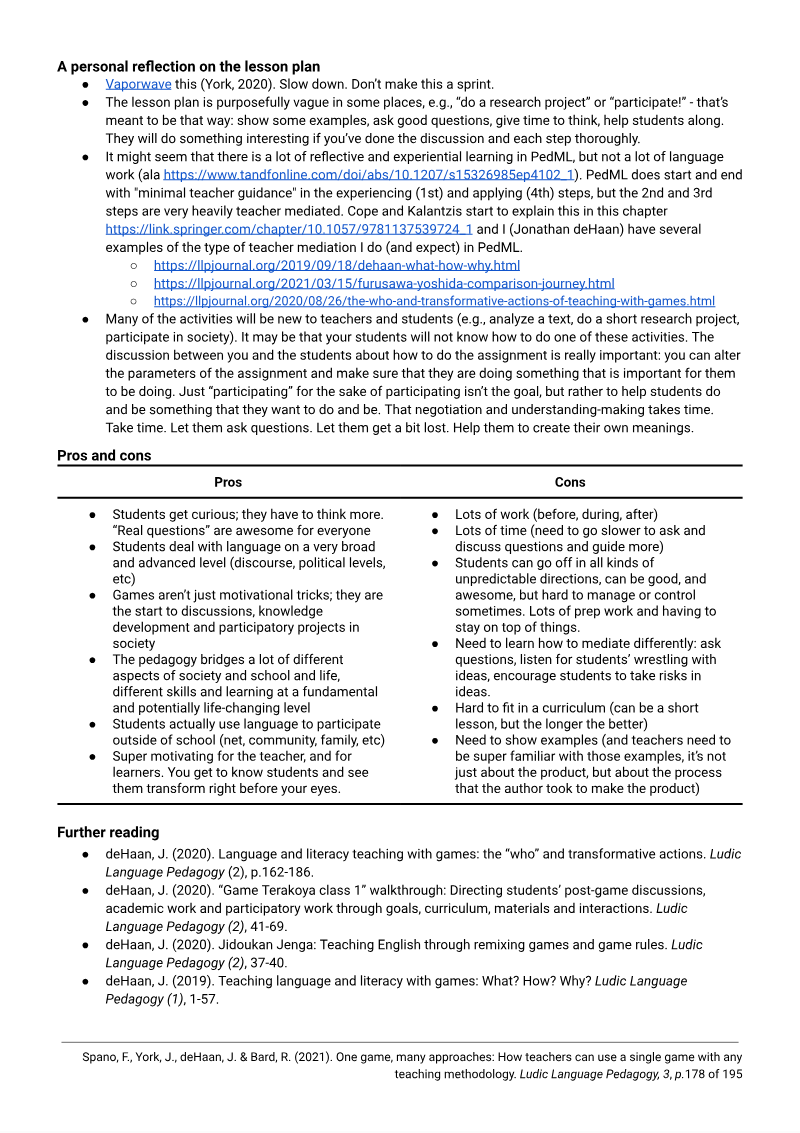
The integration of games into language education spans a spectrum of methodologies, ranging from structured teacher-led models like the PPP framework to student-centered approaches such as Task-Based Language Teaching and the Pedagogy of Multiliteracies. These frameworks utilize gameplay as a vehicle for communicative tasks, critical inquiry, and the exploration of personal identity. Furthermore, Connected Learning models and student-led game remixing initiatives demonstrate that when students are tasked with modifying game mechanics or engaging with internet-mediated communities, they develop higher-order thinking skills and academic literacy that far exceed the outcomes of traditional, static instruction.
While these methods foster significant engagement and multimodal skill development, successful implementation requires high levels of teacher game literacy and substantial preparation. Educators must balance the benefits of student autonomy with the necessity of managing cognitive load and providing targeted feedback. Ultimately, the versatility of a single game proves that pedagogical success depends less on the specific tool and more on the teacher’s ability to align game mechanics with intentional, iterative, and reflective learning cycles. This flexible approach ensures that games serve as dynamic, transformative instruments for language acquisition and social analysis within the modern classroom.
Ludic Language Pedagogy · 2026
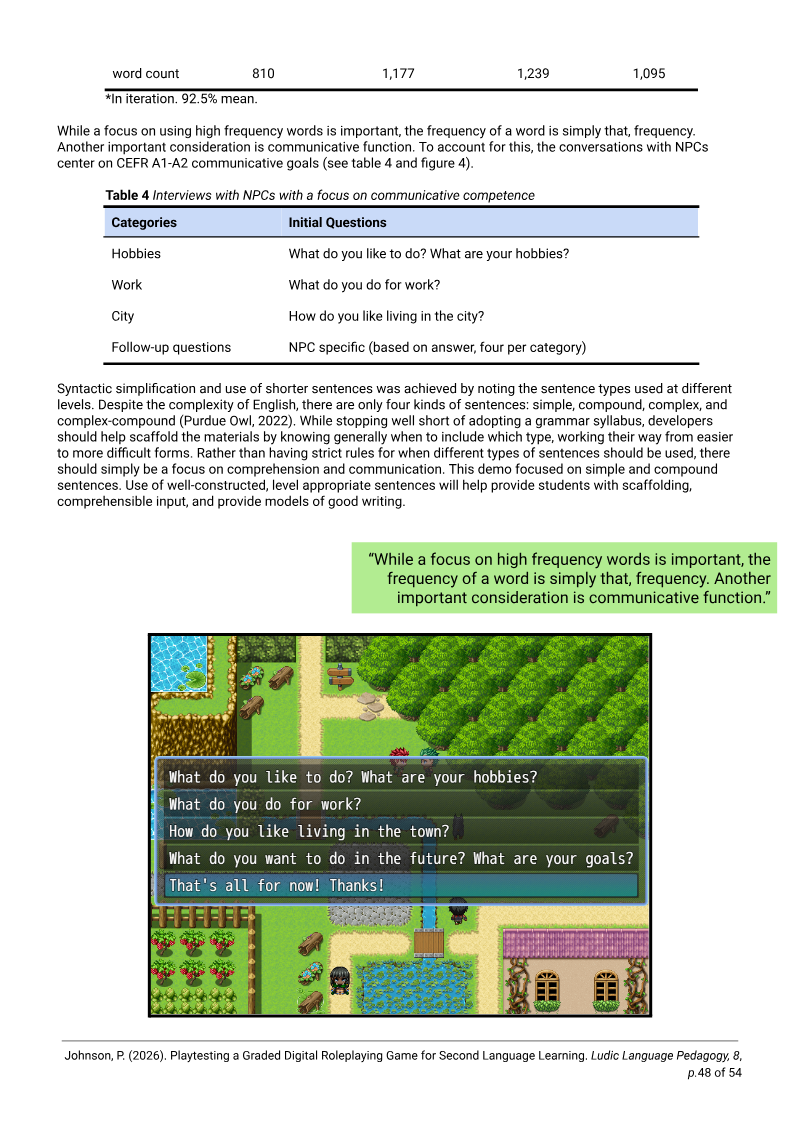
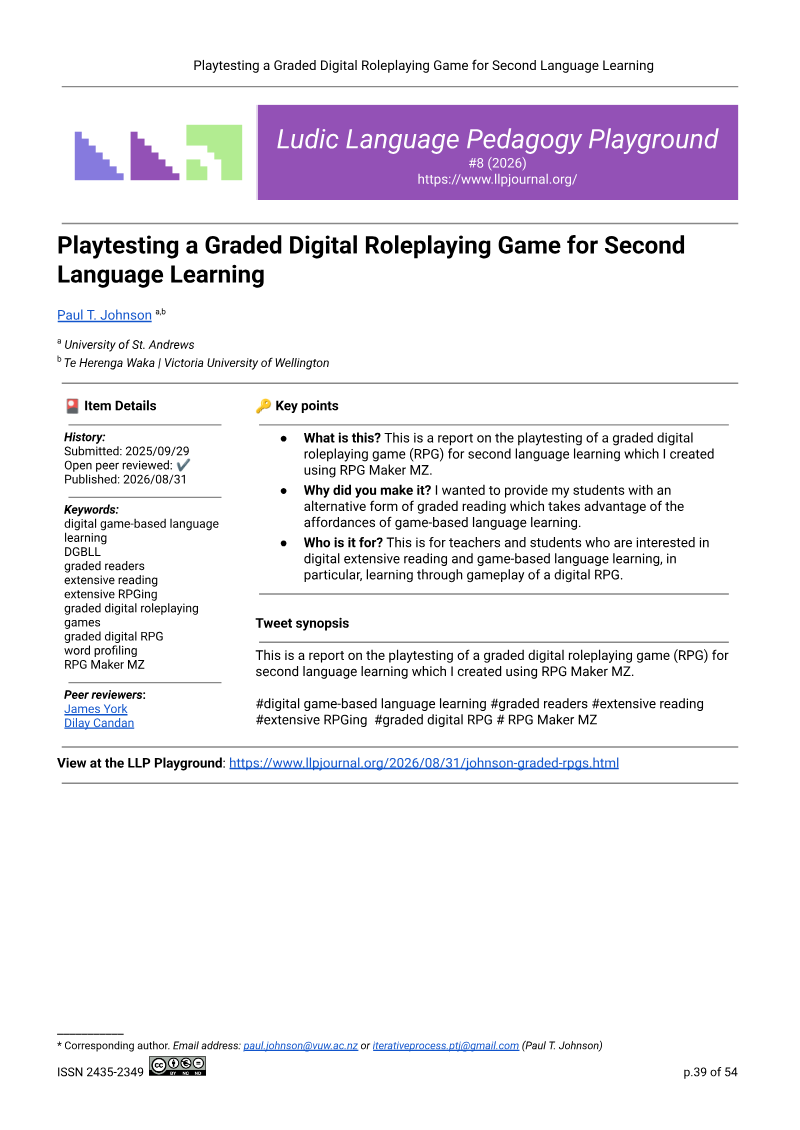
Ludic Language Pedagogy · 2026
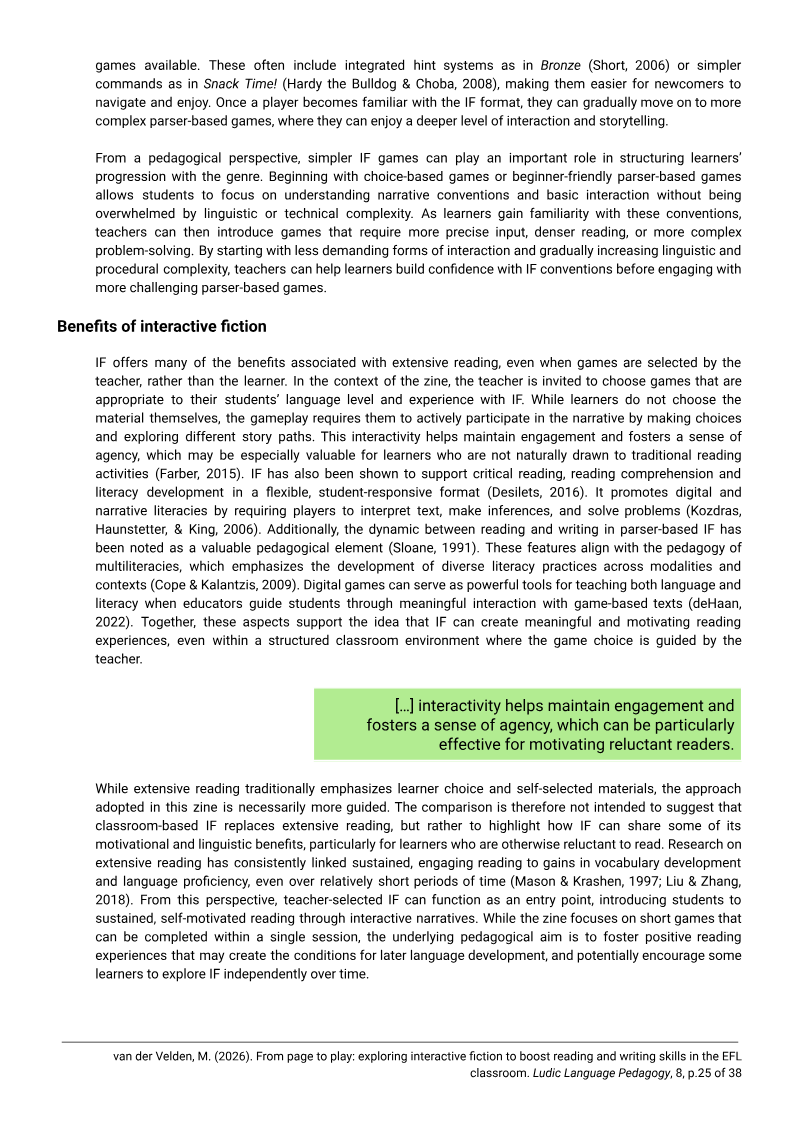
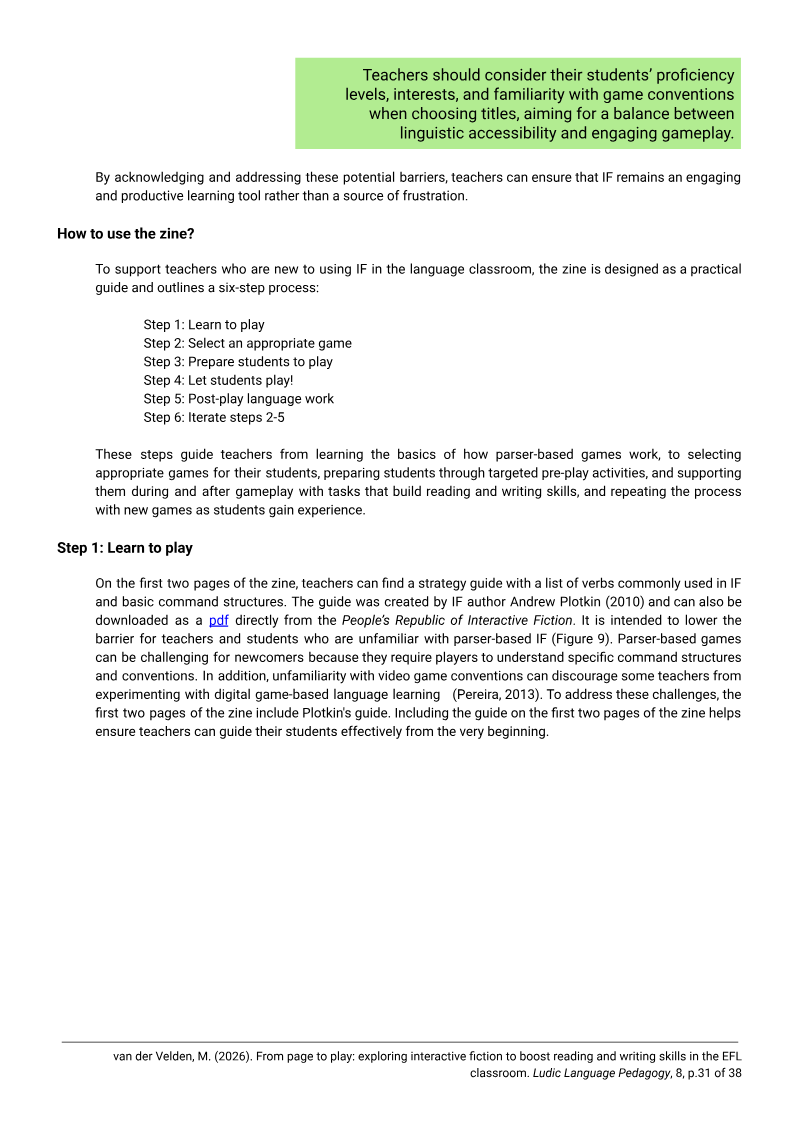
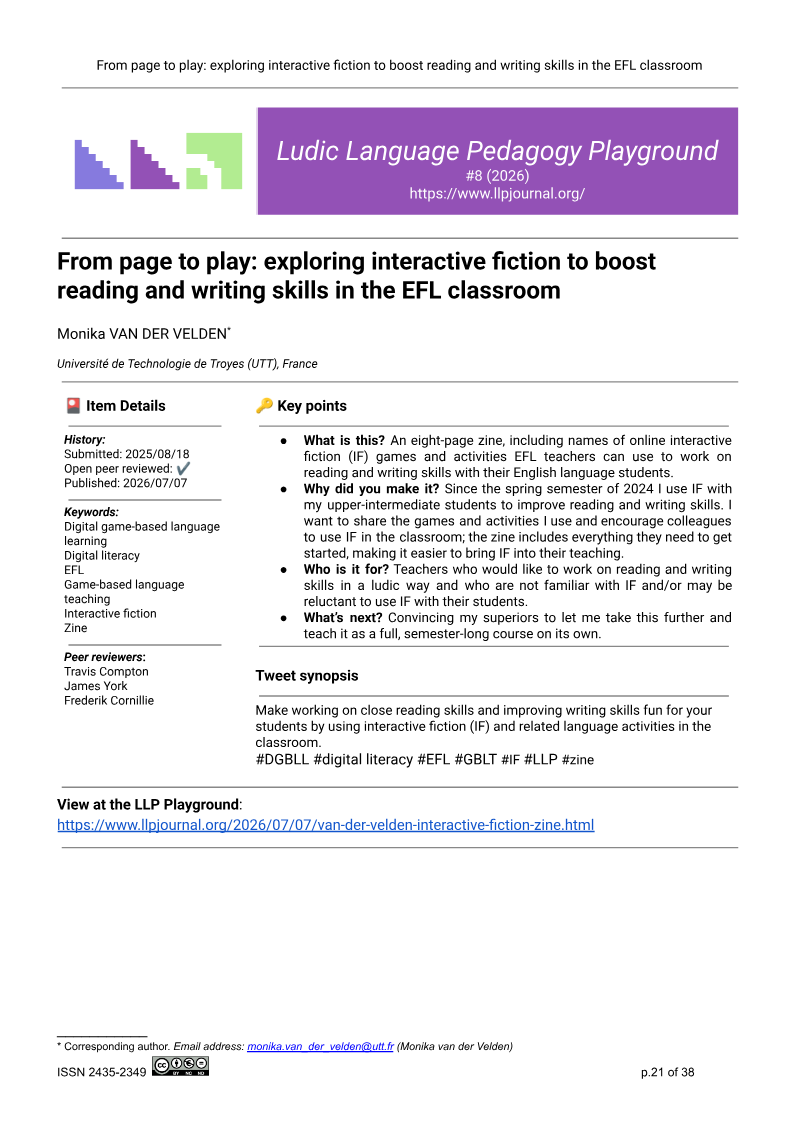
Ludic Language Pedagogy · 2026
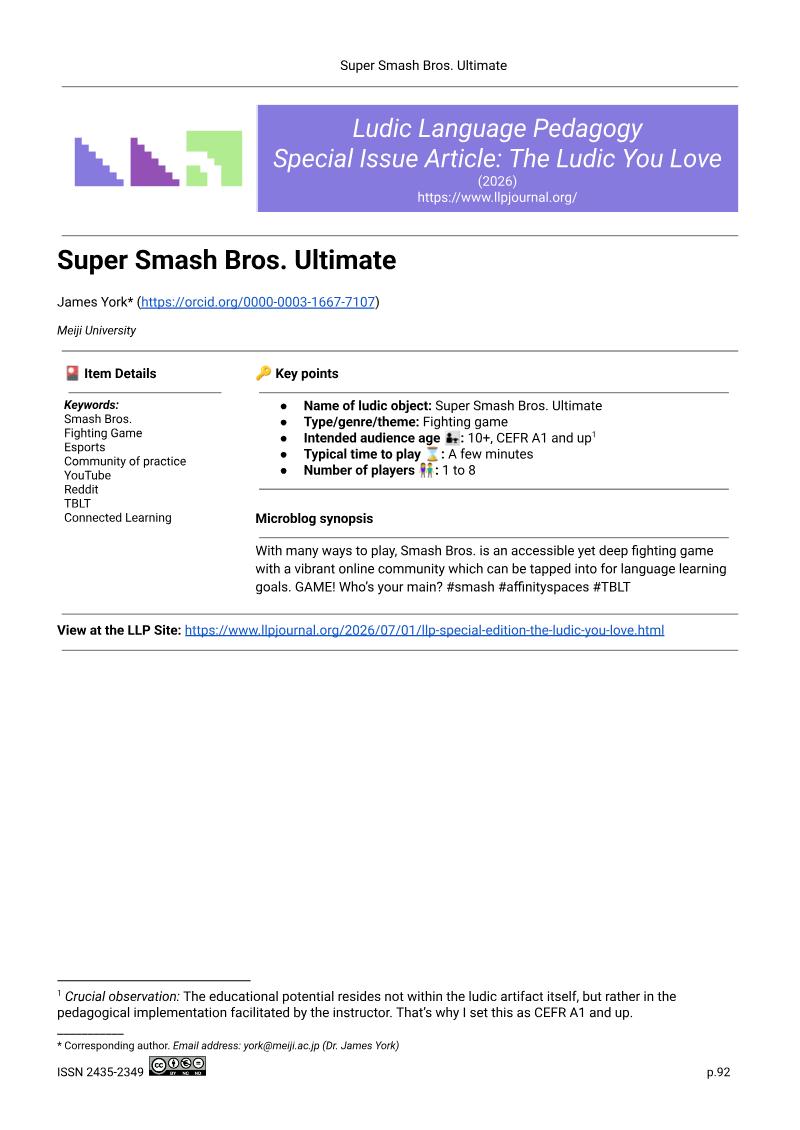
Ludic Language Pedagogy · 2026
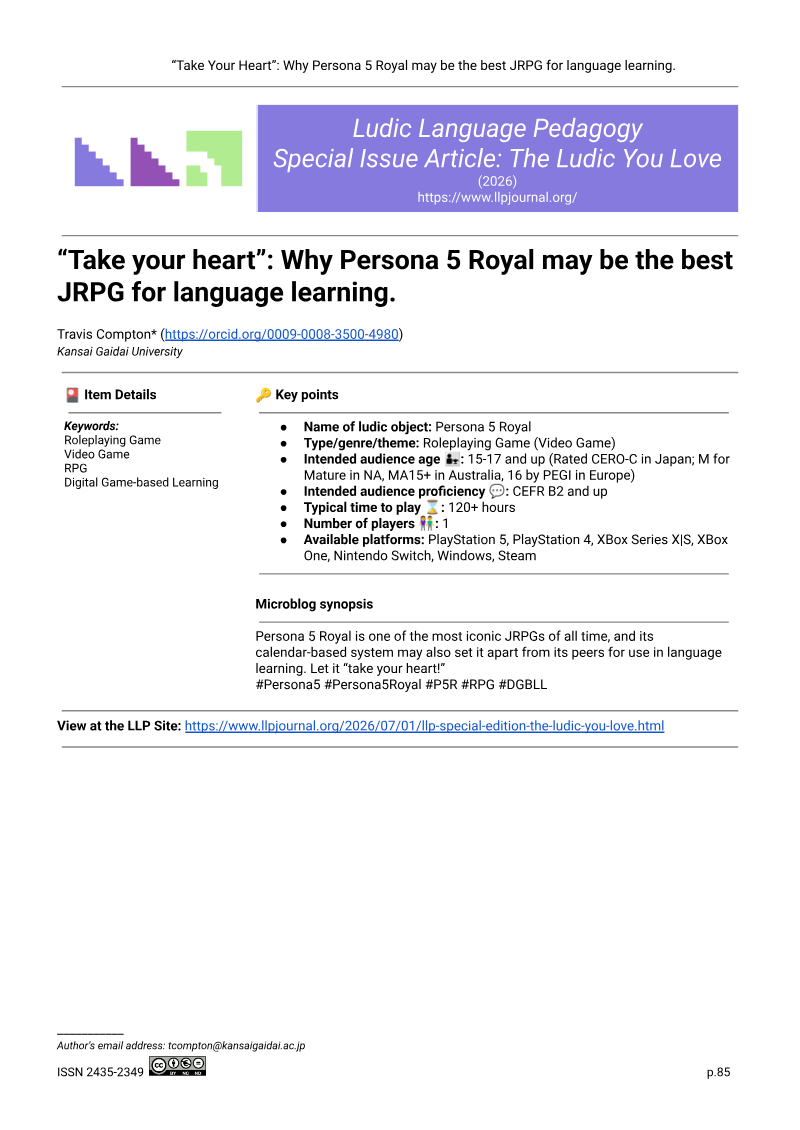
Ludic Language Pedagogy · 2026
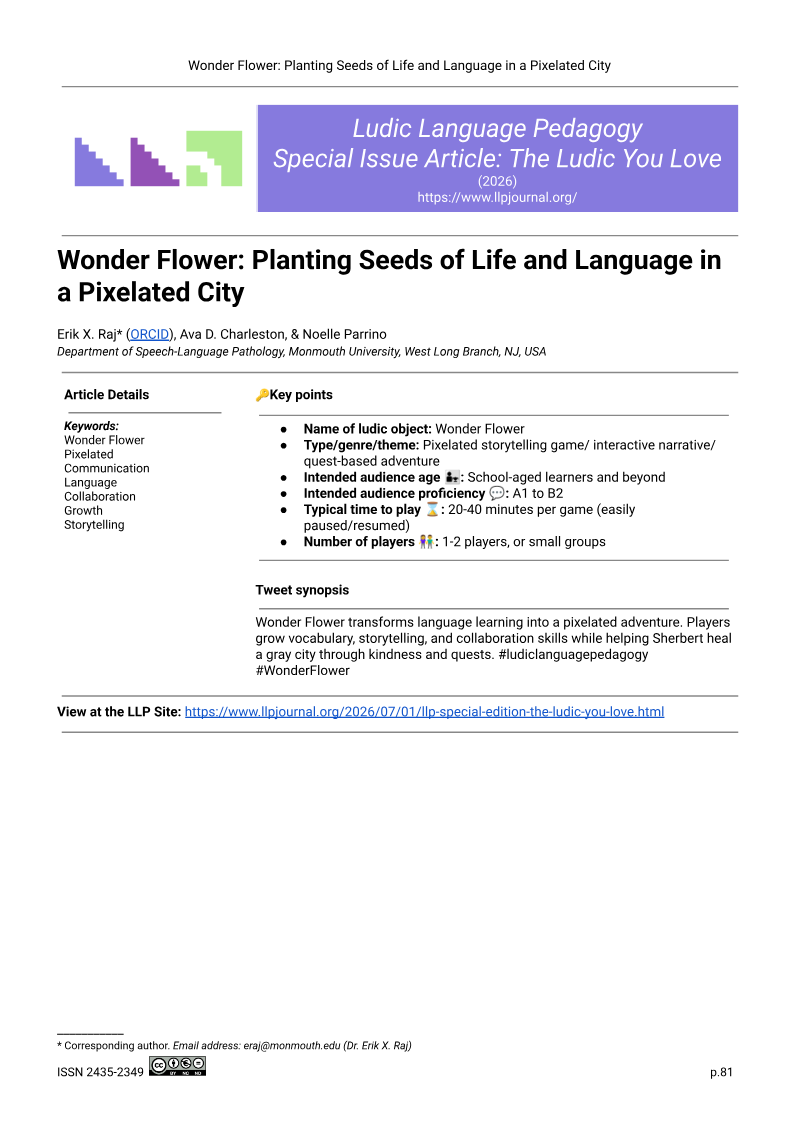
Ludic Language Pedagogy · 2026
Ludic Language Pedagogy · 2026
Ludic Language Pedagogy · 2026
Ludic Language Pedagogy · 2026
Ludic Language Pedagogy · 2026
Ludic Language Pedagogy · 2026



Ludic Language Pedagogy · 2026
Serious Games Society · 2025