1 free read left. Create a free account for unlimited reading + AI research.
Create free accountReport Malaysia Digital Economy Corporation (MDEC)
1 free read left. Create a free account for unlimited reading + AI research.
Create free accountReportMalaysia Digital Economy Corporation (MDEC)
The report notes more than 5,000 industry job cuts by February 2024, while the global games market was projected at USD 187.7 billion in 2024.
The Malaysia Game Development Industry Talent Economics Report 2024 examines the human capital underpinning Southeast Asia's game development sector, with Malaysia as its primary focus and benchmarks drawn from Indonesia, Singapore, Germany, Saudi Arabia, and China. Drawing on a survey of 295 individuals and 48 studios across six Southeast Asian nations, it situates the region within a global games market projected at USD 187.7 billion in 2024, while noting over 5,000 industry job cuts by February 2024 and a regional video game market expected to reach USD 6.5 billion by 2025.
The workforce is young, with roughly 80% under 35, male-dominated at about 80% men, and highly educated, with 63% holding undergraduate degrees. Pay levels vary sharply by country, from an average of USD 9,176 in Singapore to USD 516 in Indonesia, with Malaysia at USD 1,275. Men earn about 16% more than women overall, a gap that widens to roughly 45% at ten or more years of experience. Within Malaysia, salaries rise steadily with experience, from about USD 739 for those with under a year to USD 3,553 at ten-plus years, and game programmers lead both entry-level and long-term pay growth, while Malaysian salaries across most specializations trail regional averages.
The report's central conclusion is that Southeast Asia's workforce remains concentrated in art and outsourcing-driven roles, while demand is shifting toward programming, live-operations, marketing, and original IP development. Job satisfaction is strong on work-life balance, culture, and flexibility, but weakest on salary and benefits, which threatens retention as developers seek higher-paying markets. The report closes with recommendations for studios to upskill, diversify, and audit pay equity, and for policymakers to fund specialised training and IP incentives.
New Zealand Game Developers Association · 2026
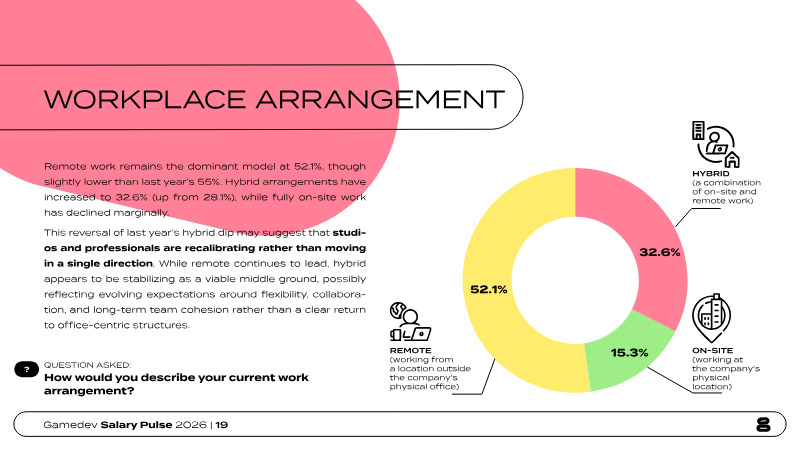
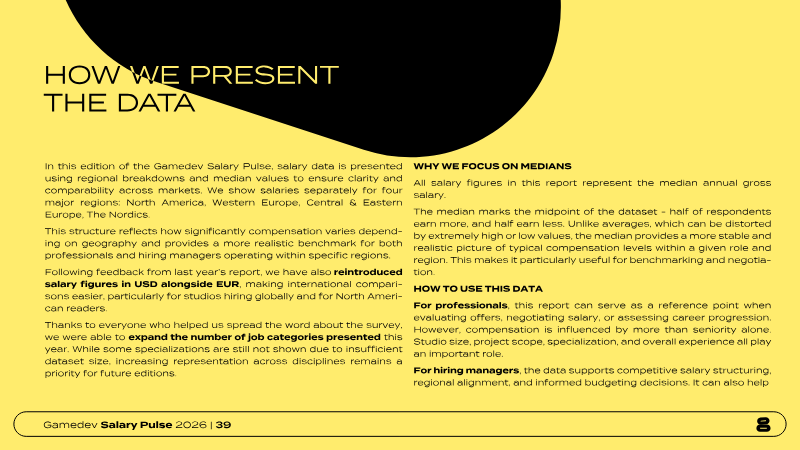

8Bit · 2026

Game Dev Unchained · 2025
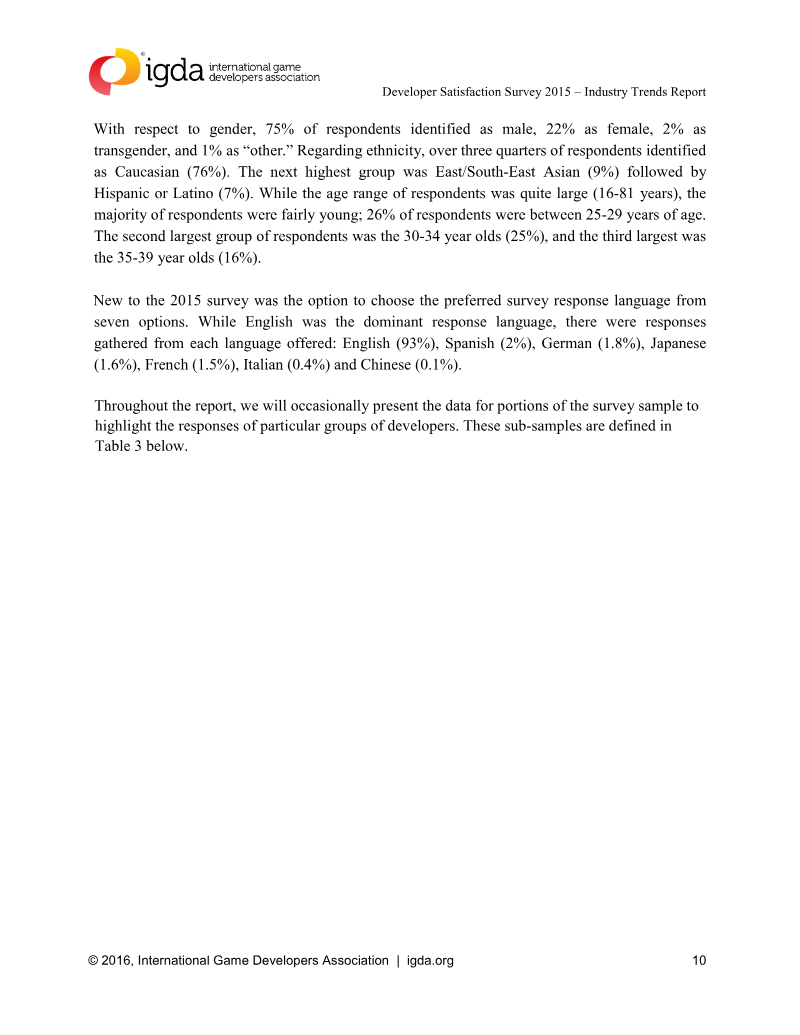
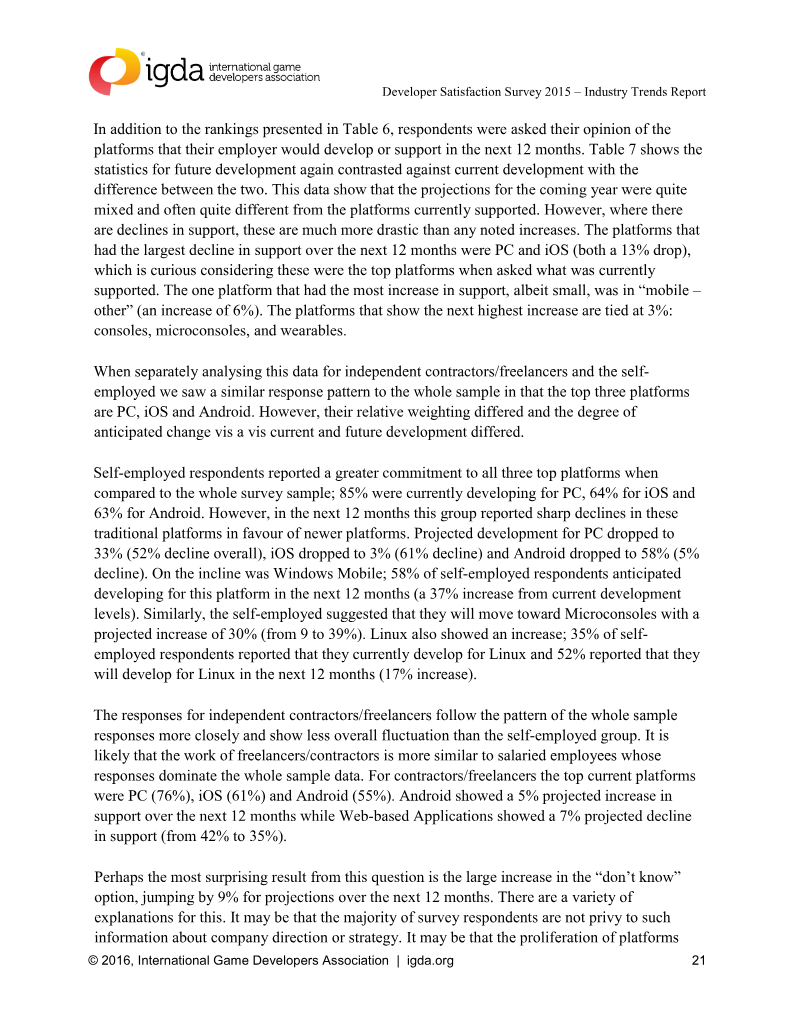

International Game Developers’ Association · 2016
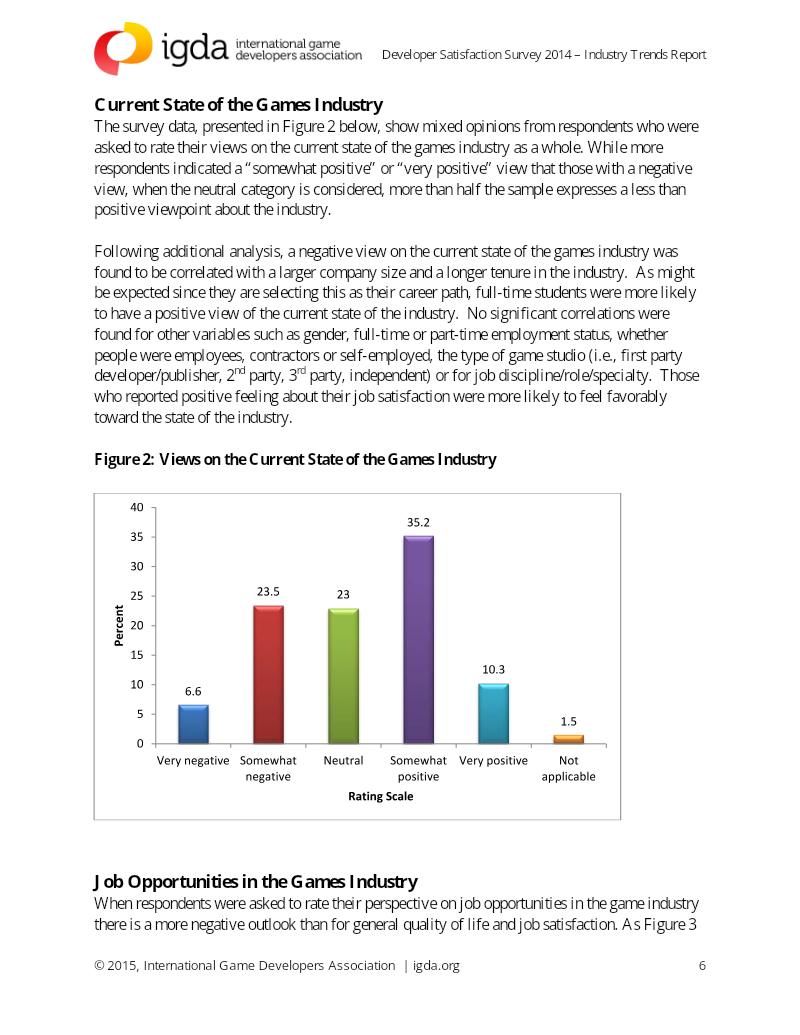
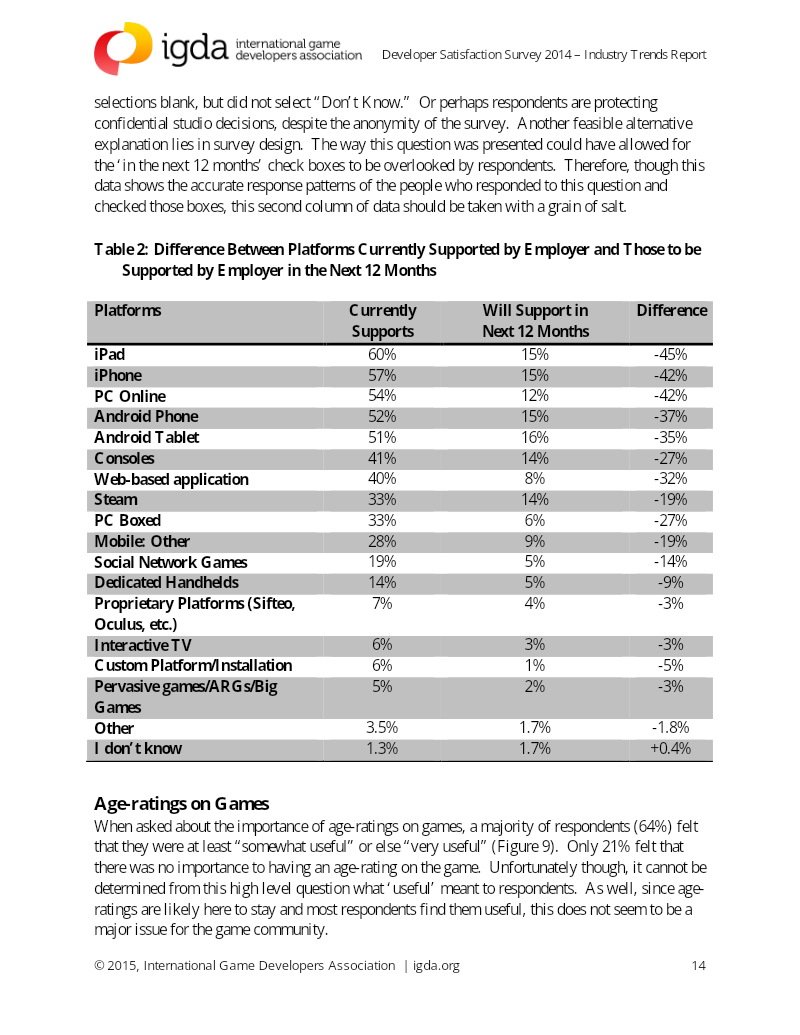
International Game Developers’ Association · 2015
Observatory of Argentinean Video Game Industry
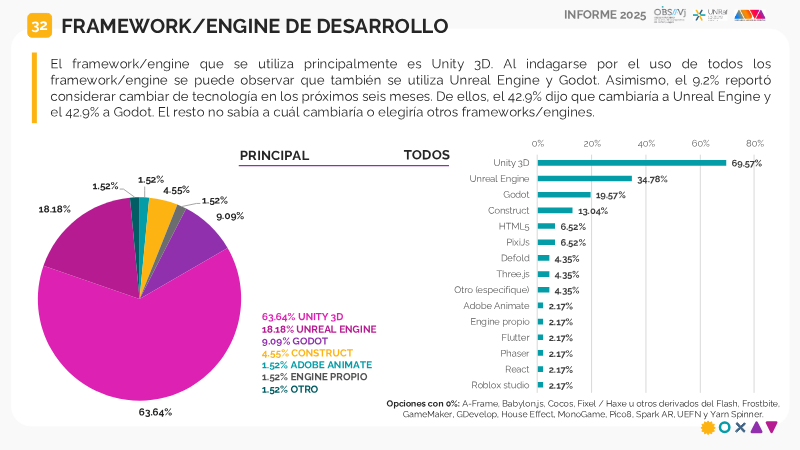

Universidad Nacional de Rafaela
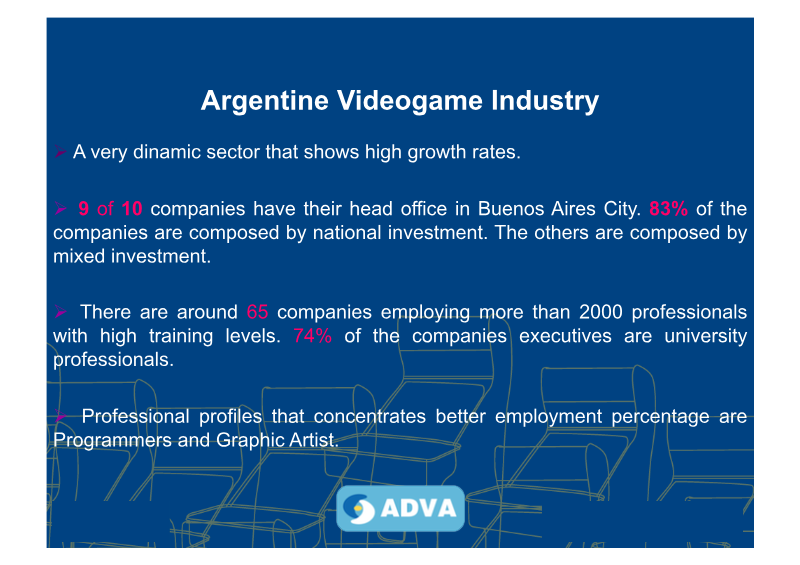
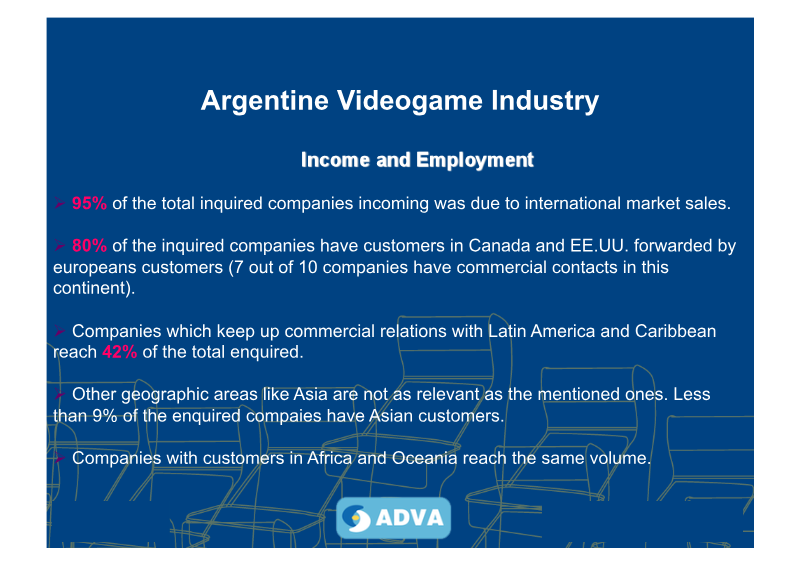
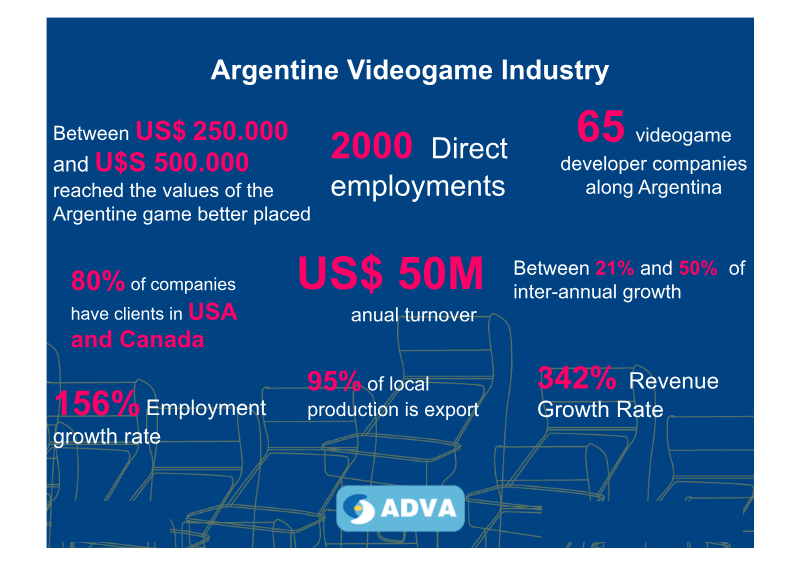
ADVA – Asociacion de Desarrolladores de Videojuegos Argentinos
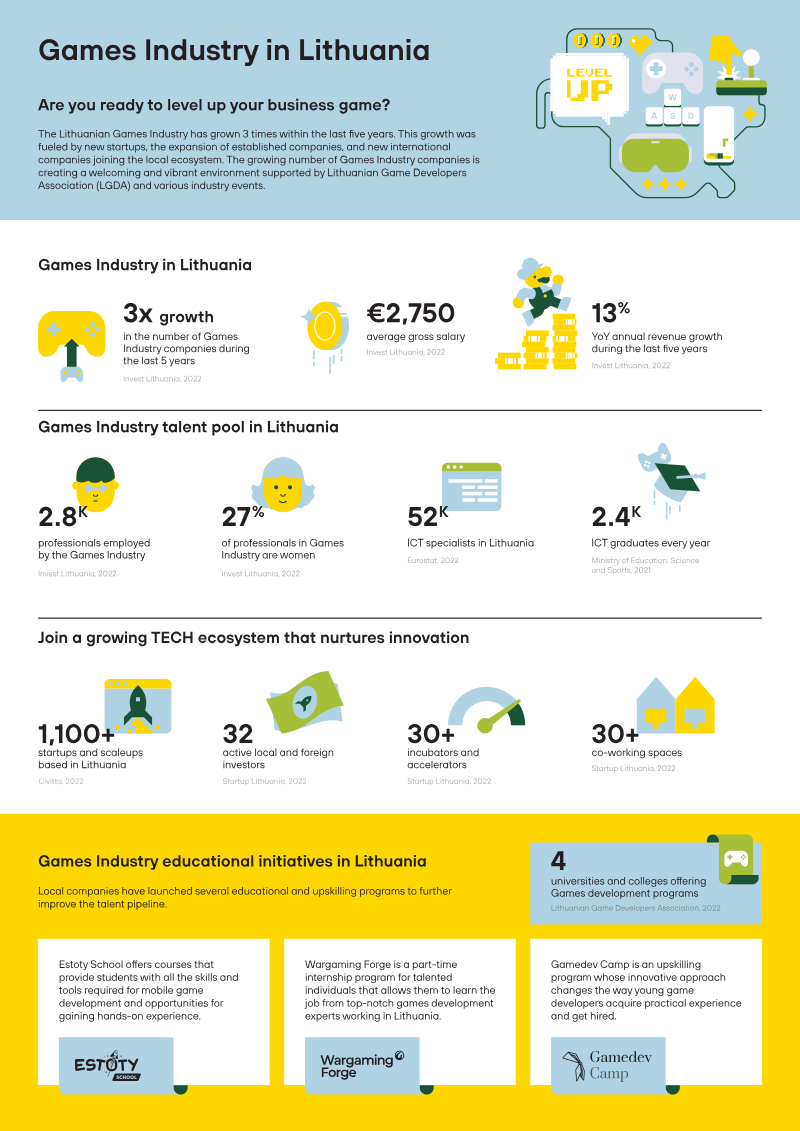
Invest Lithuania
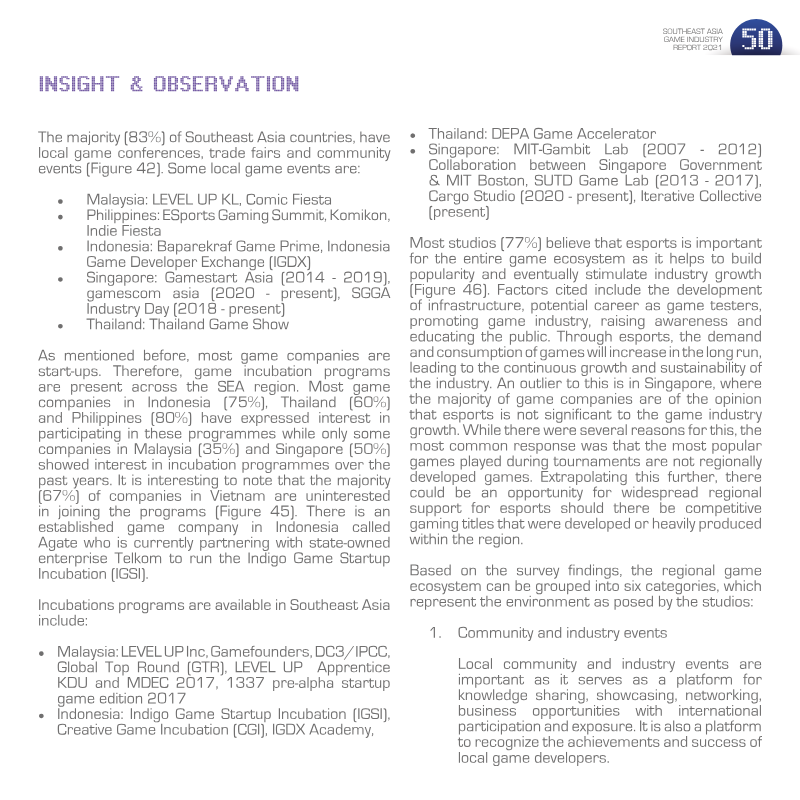
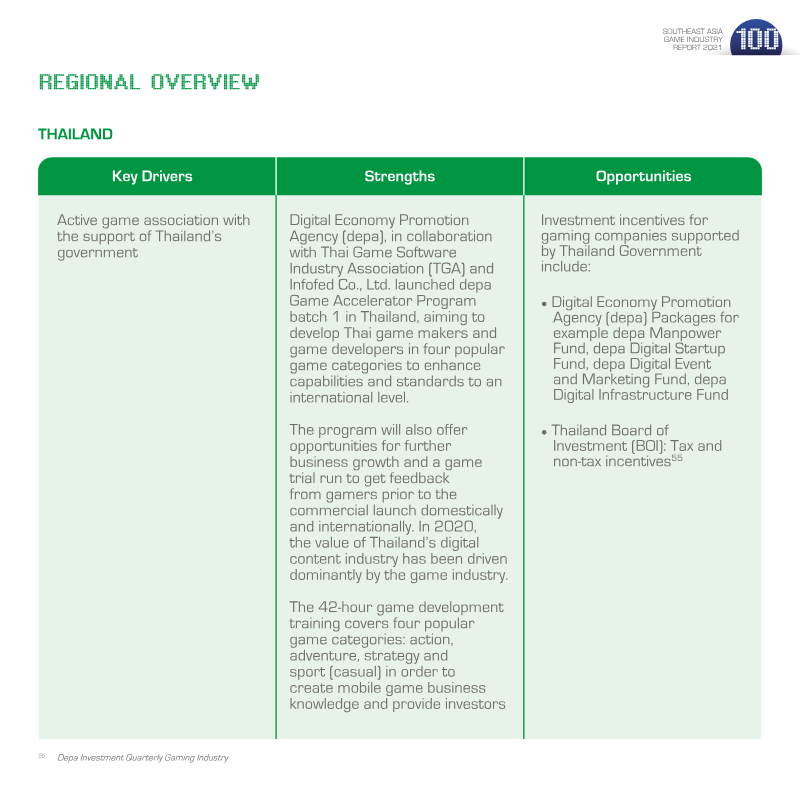
IGDA Malaysia

InvestGame

Mobilegamer.biz · 2026