More on Market Analysis
View all
Report
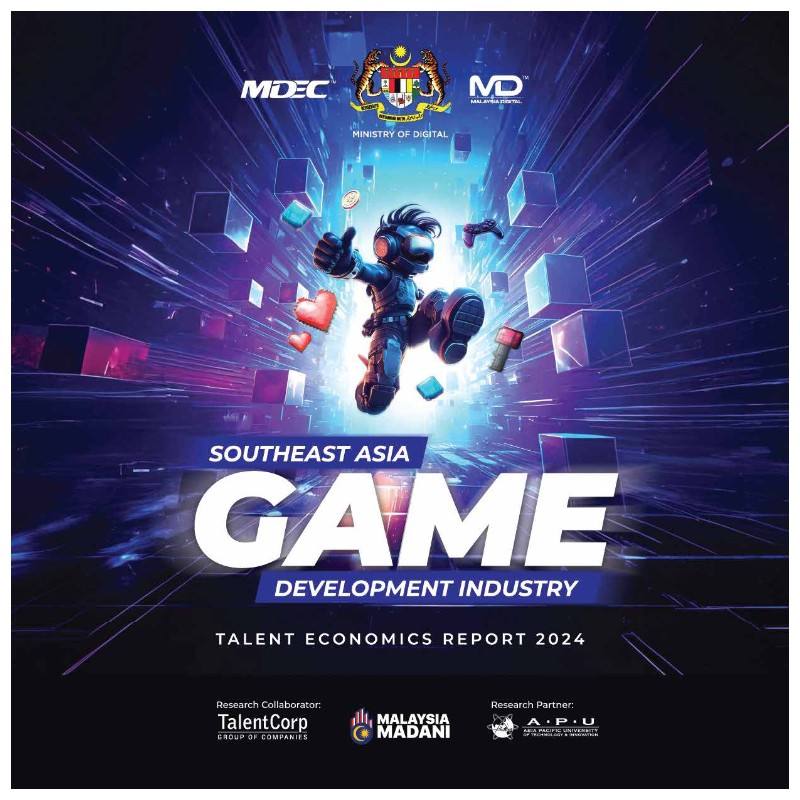
Malaysia Game Development Industry Talent Economics Report 2024
Malaysia Digital Economy Corporation (MDEC)
The Game Business
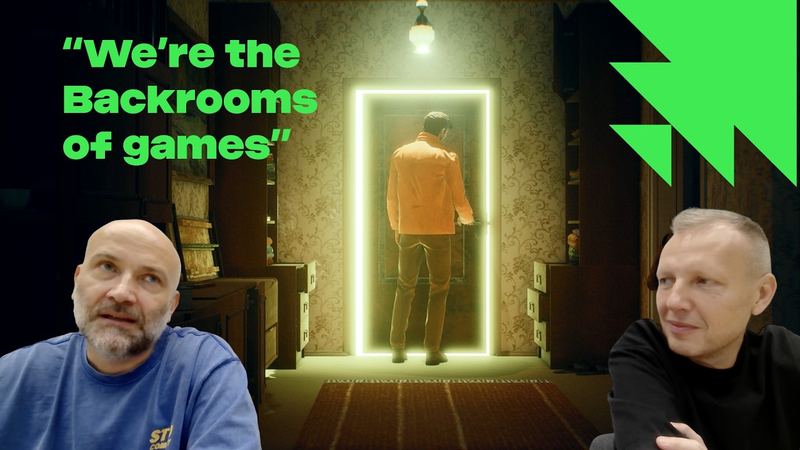
Games media crisis deepens, Bloober hunts weird horror titles, and New York Games Week launches
The Game Business · 2026

Report
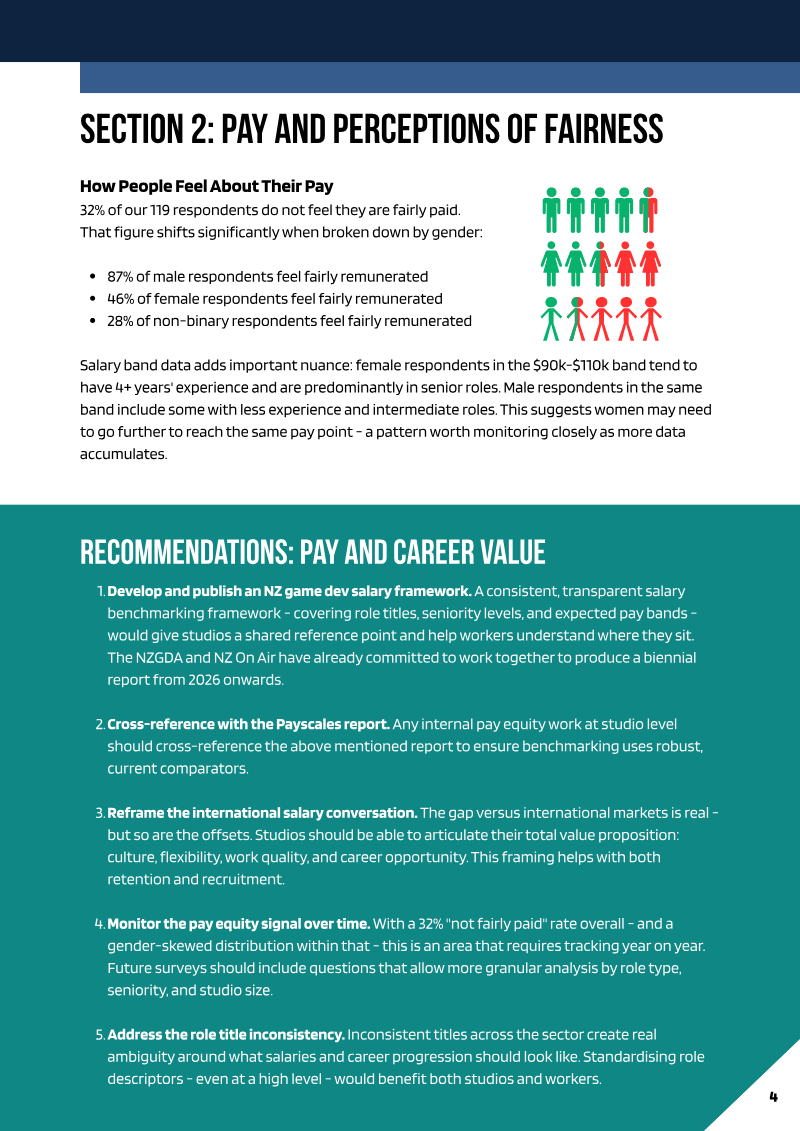
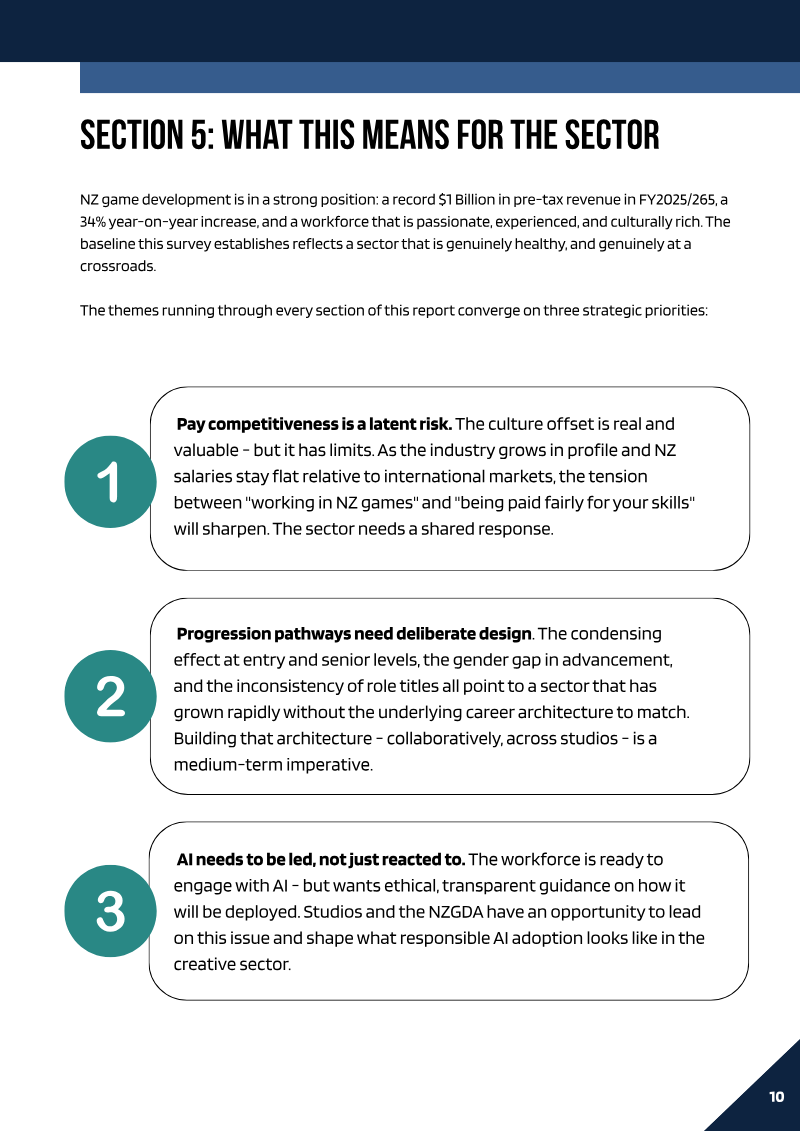
Game Development Workforce Report: New Zealand 2026
New Zealand Game Developers Association · 2026

Jason Schreier
Xbox Layoffs, Halo To Activision, Destiny's Back (And More)
Jason Schreier · 2026

Deconstructor of Fun
TWIG #400: Is the Game Industry Actually Crashing, OpenAI's Astra and 8 Years of Hot Takes
Deconstructor of Fun · 2026


Report
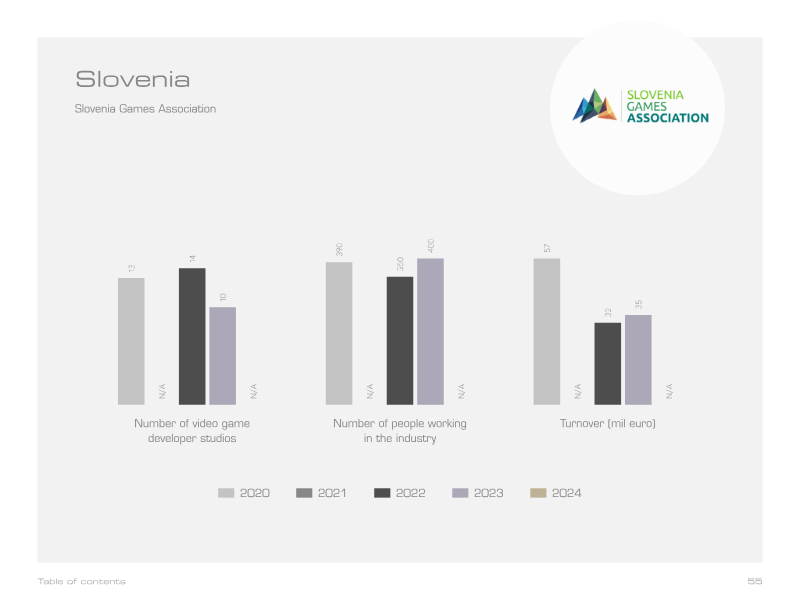
European Video Games Industry Insight Report: 2024
European Games Developer Federation · 2026

Report
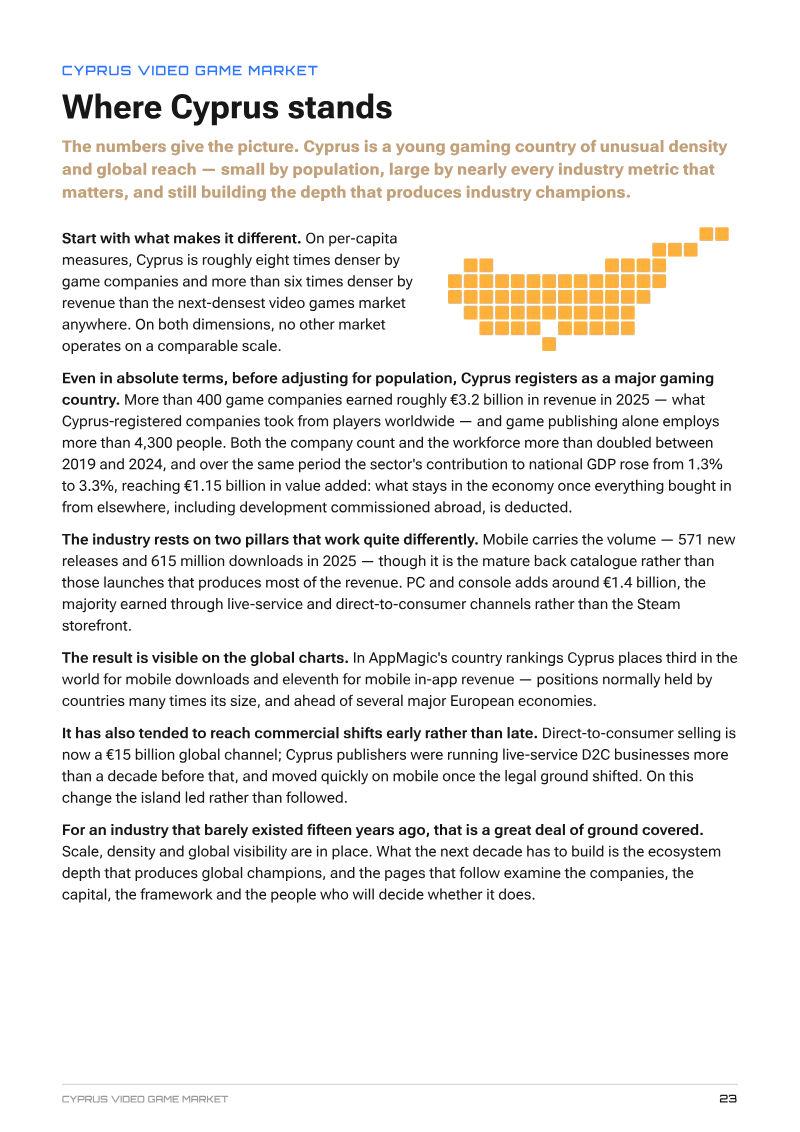
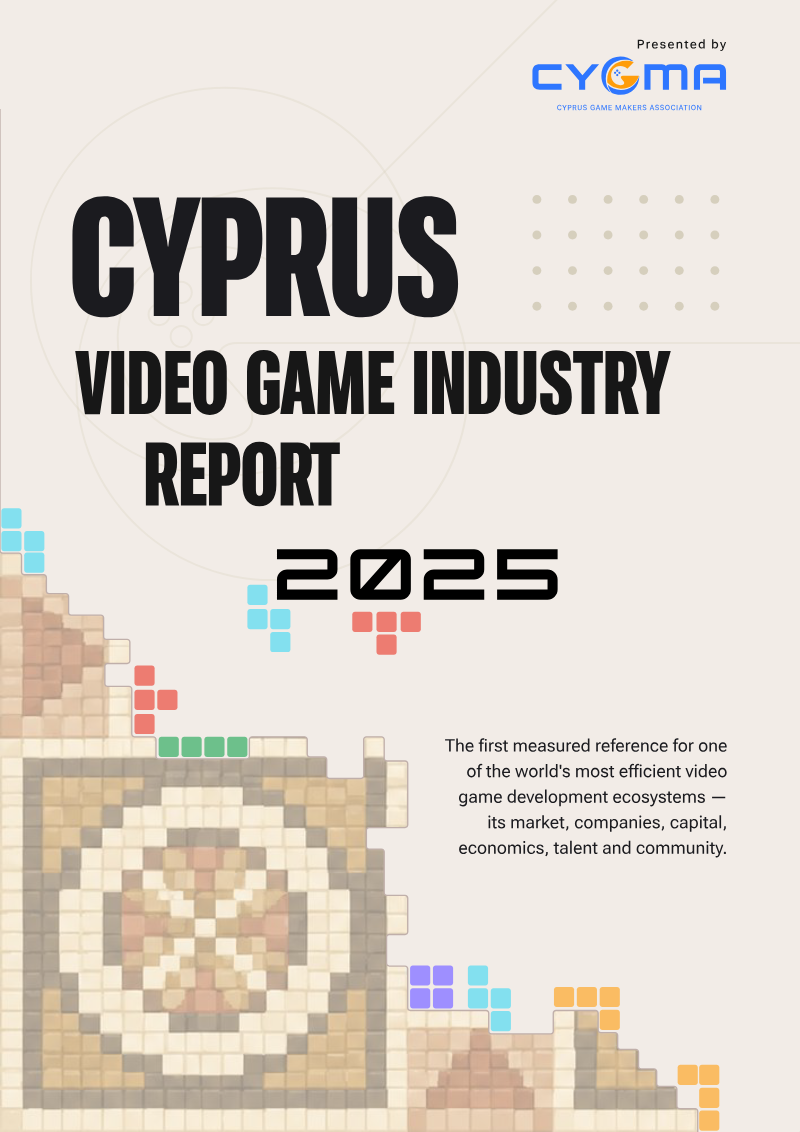
Cyprus Video Game Industry Report 2025
Cyprus Game Makers Association · 2026

Naavik
Fractional Talent’s Growing Role in Game Development
Naavik · 2026

Deconstructor of Fun
Bungie's Layoffs: The End of an Era?
Deconstructor of Fun · 2026

Tenjin
Inside Vietnam’s Mobile Gaming Industry | Flappy Bird, Hybrid-Casual Games & D2C Payments
Tenjin · 2026

The Game Business
Xbox plans 3,200 job cuts, and will drop five acclaimed studios
The Game Business · 2026

Report
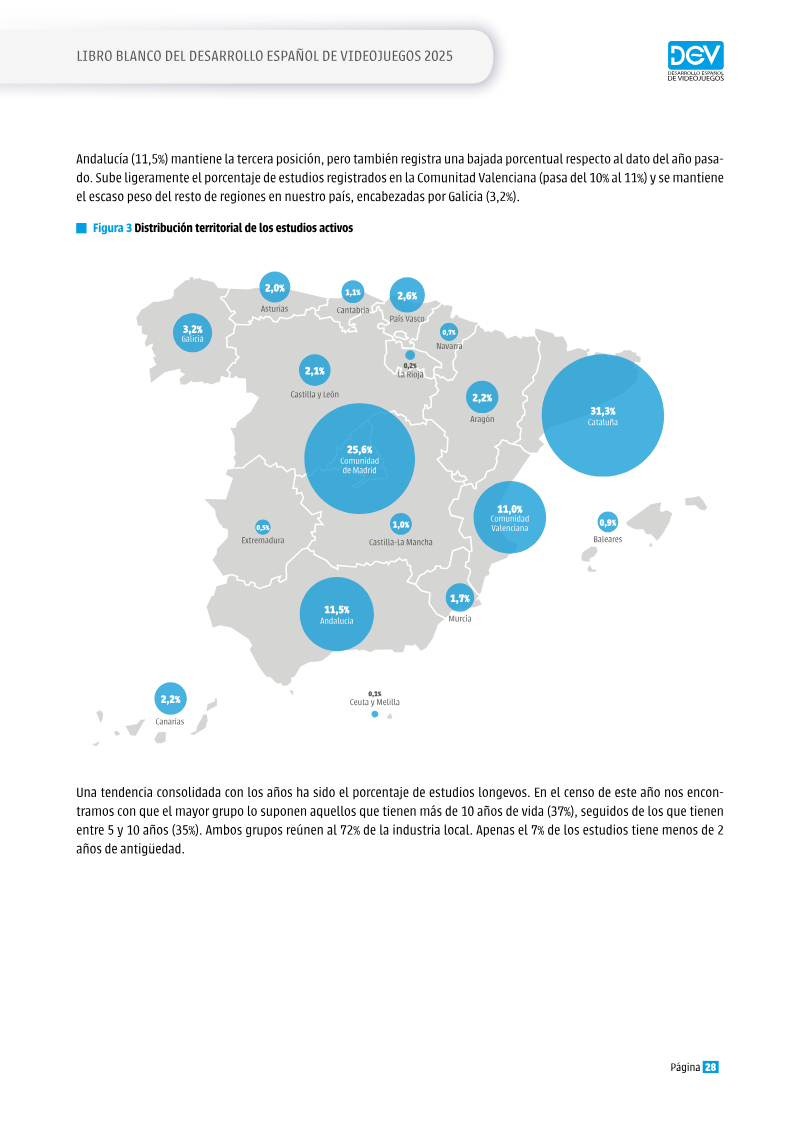
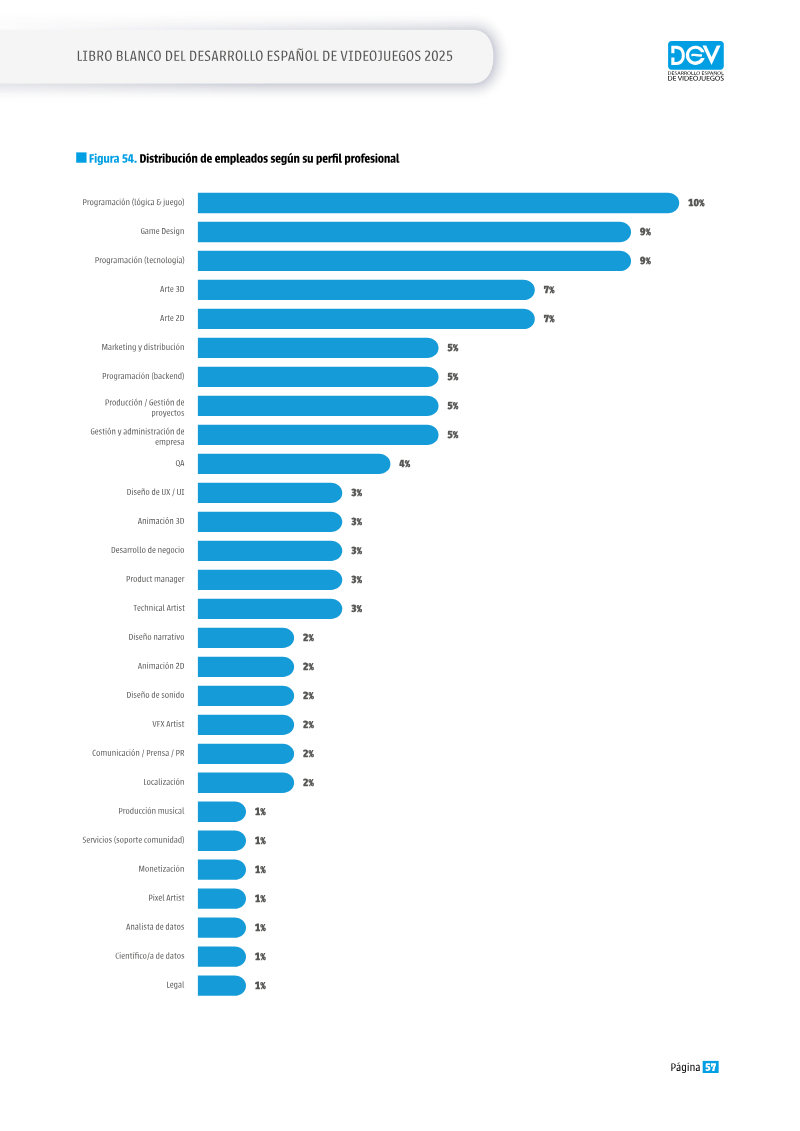
Libro Blanco del Desarrollo Español de Videojuegos 2025
DEV – Asociacion Espanola de Empresas Productoras y Desarrolladoras de Videojuegos · 2026