1 free read left. Create a free account for unlimited reading + AI research.
Create free accountArticle Game Production Alchemist
1 free read left. Create a free account for unlimited reading + AI research.
Create free accountArticleGame Production Alchemist
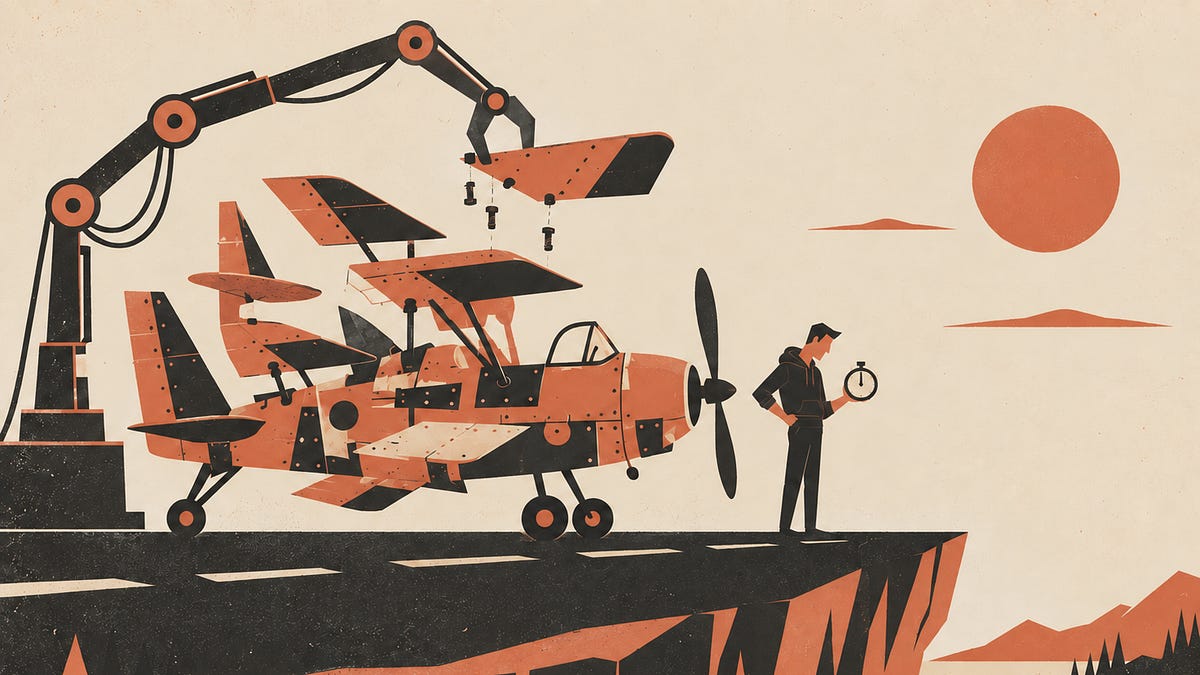
Scrum, designed for early-stage product discovery, is often ill-suited for modern LiveOps and mobile game production. It assumes a controlled development cycle that conflicts with external release constraints and continuous maintenance.
Key Conflict. Scrum's assumptions about development cycles do not align with the realities of LiveOps environments.
The primary thesis of this analysis is that many LiveOps game development teams are misapplying Scrum, a framework originally designed for early-stage product discovery, to the fundamentally different environment of live service maintenance. This rigid adherence to Scrum ceremonies—often referred to as "agile necromancy"—frequently results in process-heavy workflows that prioritize meeting attendance and burndown charts over actual player-facing value.
The core argument posits that LiveOps requires a different operational approach due to its unique constraints, such as continuous content pipelines, external platform release dependencies, and the need for rapid, unpredictable responses to live game performance. While Scrum was a significant advancement for game development in 2010, the industry’s evolution has rendered its two-week sprint cadence and story-point estimation often counterproductive for teams managing existing, revenue-generating titles. The analysis highlights that these teams frequently suffer from "sprint-friendly" task slicing, where work is artificially fragmented to fit a calendar, leading to increased friction and the illusion of progress without tangible output.
To address these inefficiencies, the analysis advocates for a transition toward flow-based methodologies, specifically Kanban. By focusing on cycle time, throughput, and lead time rather than arbitrary timeboxes, teams can better visualize bottlenecks and manage work as it arrives. The conclusion emphasizes that process should serve the work, not dictate it. Rather than blindly following standardized frameworks, LiveOps teams are encouraged to align their operational rhythm with their actual delivery cadence, ensuring that their chosen methodology supports the goal of delivering consistent value to players rather than merely performing empty rituals.
The games and companies this document names on the inner ring, other documents about them on the outer one. Select a cover to see it up close and open it in a new tab; drag to move, pinch or Ctrl + scroll to zoom.

Game Production Alchemist · 2026

Game Production Alchemist · 2026

Game Production Alchemist · 2026
Game Production Alchemist · 2026

Game Production Alchemist · 2026

Game Production Alchemist · 2026

Game Production Alchemist · 2026

Game Production Alchemist · 2026

Game Production Alchemist · 2026

Game Production Alchemist · 2026

Game Production Alchemist · 2026
Game Production Alchemist · 2026
The Game Business · 2026