1 free read left. Create a free account for unlimited reading + AI research.
Create free accountWhitepaper DiGRA
1 free read left. Create a free account for unlimited reading + AI research.
Create free accountWhitepaperDiGRA
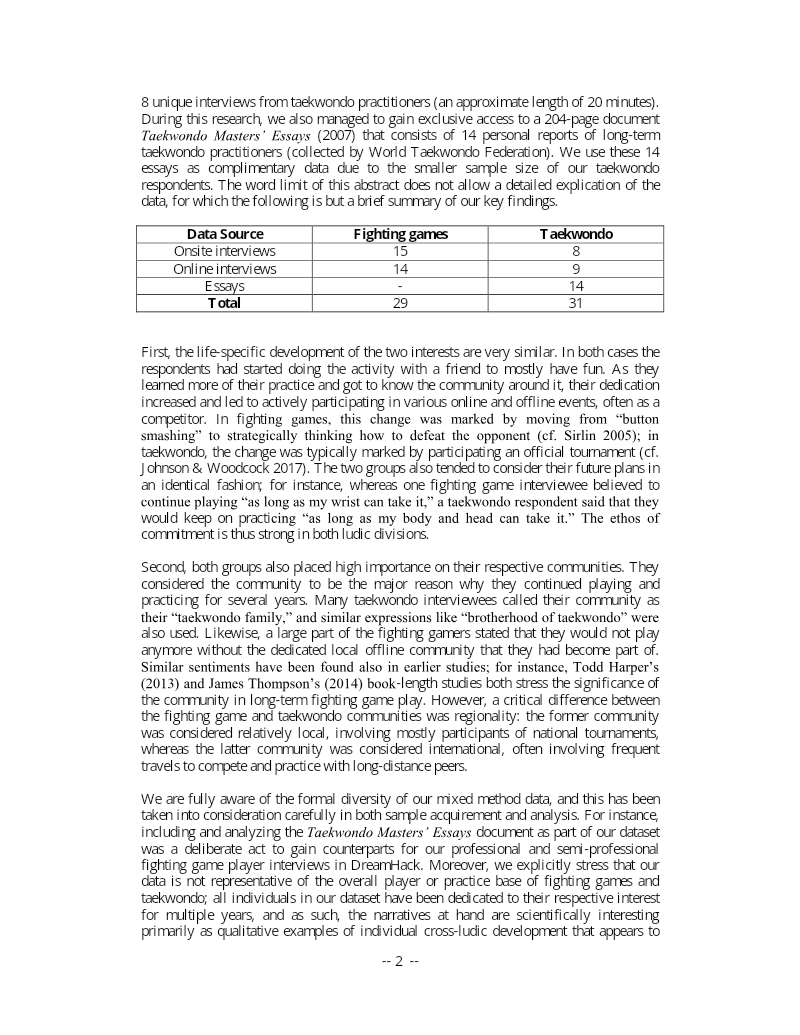
The paper is an ethnographic case study of community-organised Super Smash Bros. Melee events in the United Kingdom.
This paper examines a grassroots esports culture centred on Super Smash Bros. Melee (SSBM) in the United Kingdom, focusing on the chants performed by players and spectators at live tournaments. Its central argument is that community-organised esports events can serve as a commercially and culturally resistant alternative to mainstream, economically driven esports formats. The authors frame this question against existing esports scholarship, which has concentrated largely on online spectatorship and Twitch chat rather than the experiences of live audiences and event organisers.
The research is ethnographic, drawing on field notes and informal conversations gathered at Fête, a UK SSBM tournament held at Staffordshire University from 2 to 4 August 2019. The event drew more than 320 players and was described as a successor to the long-running Heir to the Throne 5 tournament. The authors attended in the roles of event manager and volunteer, which positions the study from an organiser's vantage point. The events are characterised as large grassroots competitions planned entirely by the community, attracting international players with little or no commercial support.
The paper's main finding concerns esports chants, which the authors liken to football chants. Sampled chants reference player names, gaming knowledge, local football culture, and political views, and they are not documented online but circulate through live crowds and tournament streams. Drawing on Armstrong and Young's analysis of football chanting, the authors argue that these chants express intense community identity, shared hostilities, and playful emotional investment. They conclude that such localised, shared rituals of play constitute a distinctive form of cultural identity that brand-friendly commercial events would struggle to replicate.



DiGRA · 2022
Game Developers Conference · 2017