1 free read left. Create a free account for unlimited reading + AI research.
Create free accountArticle The Game Post
1 free read left. Create a free account for unlimited reading + AI research.
Create free accountArticleThe Game Post
Others were spun off into independent entities.
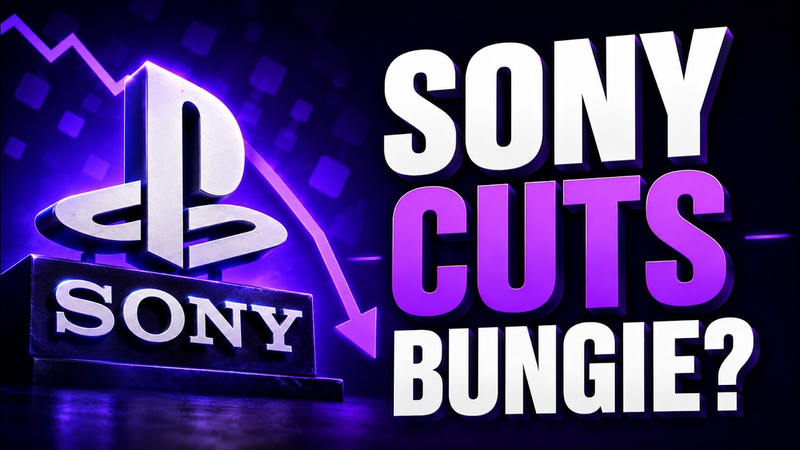
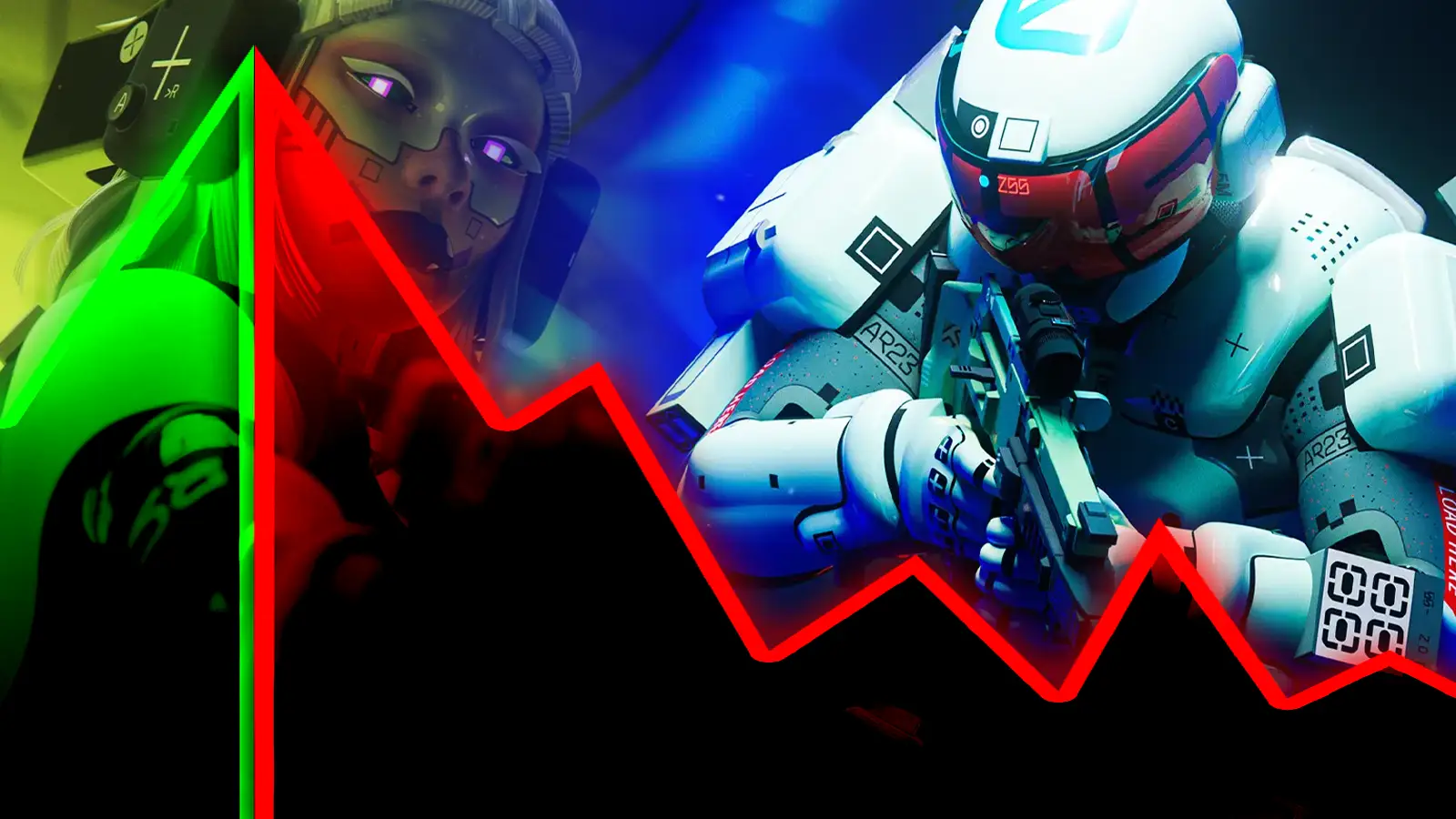
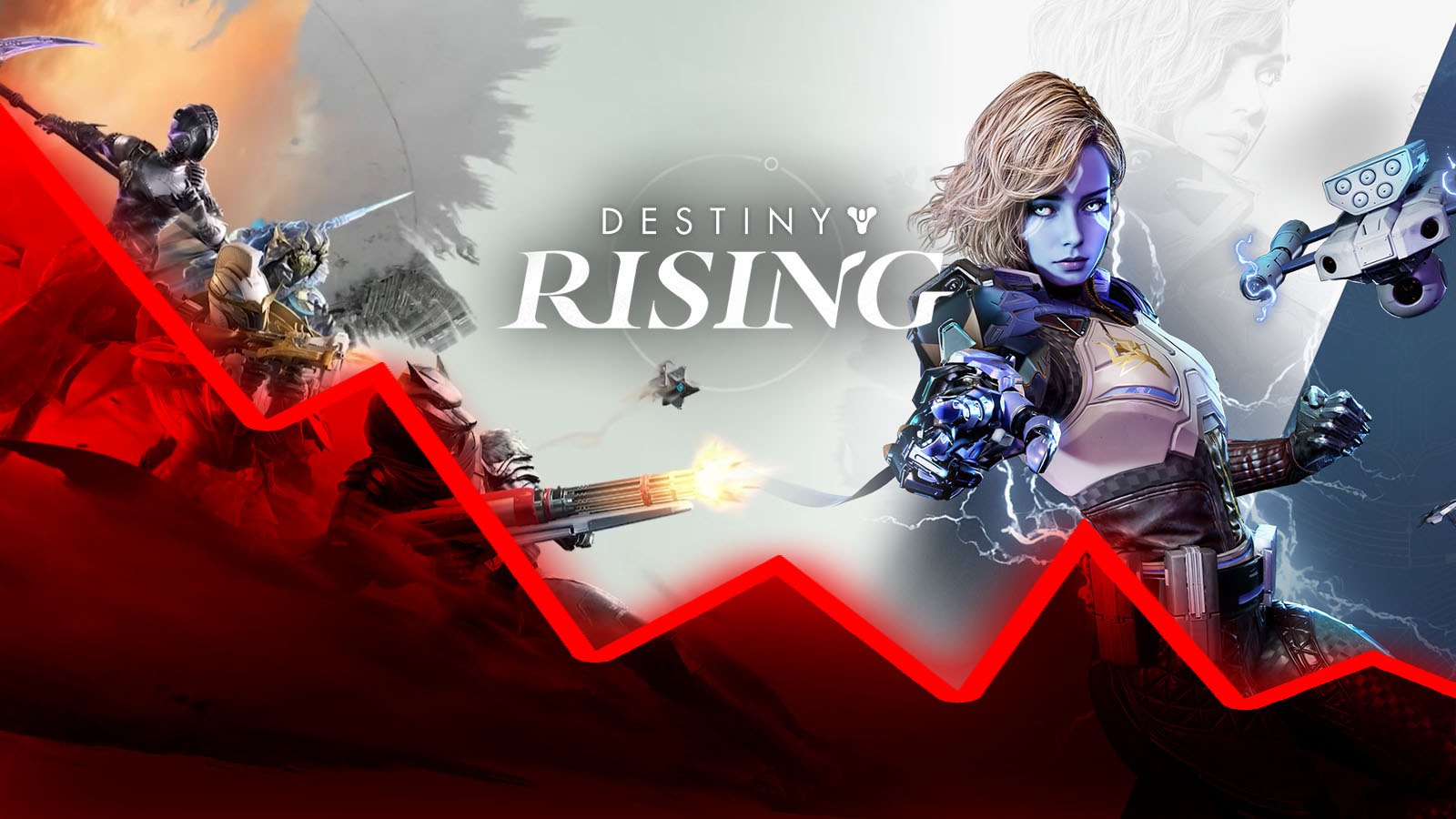
Following its 2022 acquisition by Sony for $3.6 billion, Bungie initiated an ambitious expansion strategy that saw the studio juggling up to six concurrent development projects. This period of rapid growth aimed to diversify the company’s portfolio beyond its established flagship franchise. However, this strategy ultimately faltered, resulting in the cancellation of several initiatives and the spin-off of others into independent entities. Currently, only a limited number of projects, most notably the extraction shooter Marathon and the mobile title Destiny: Rising, have emerged from this period of internal expansion.
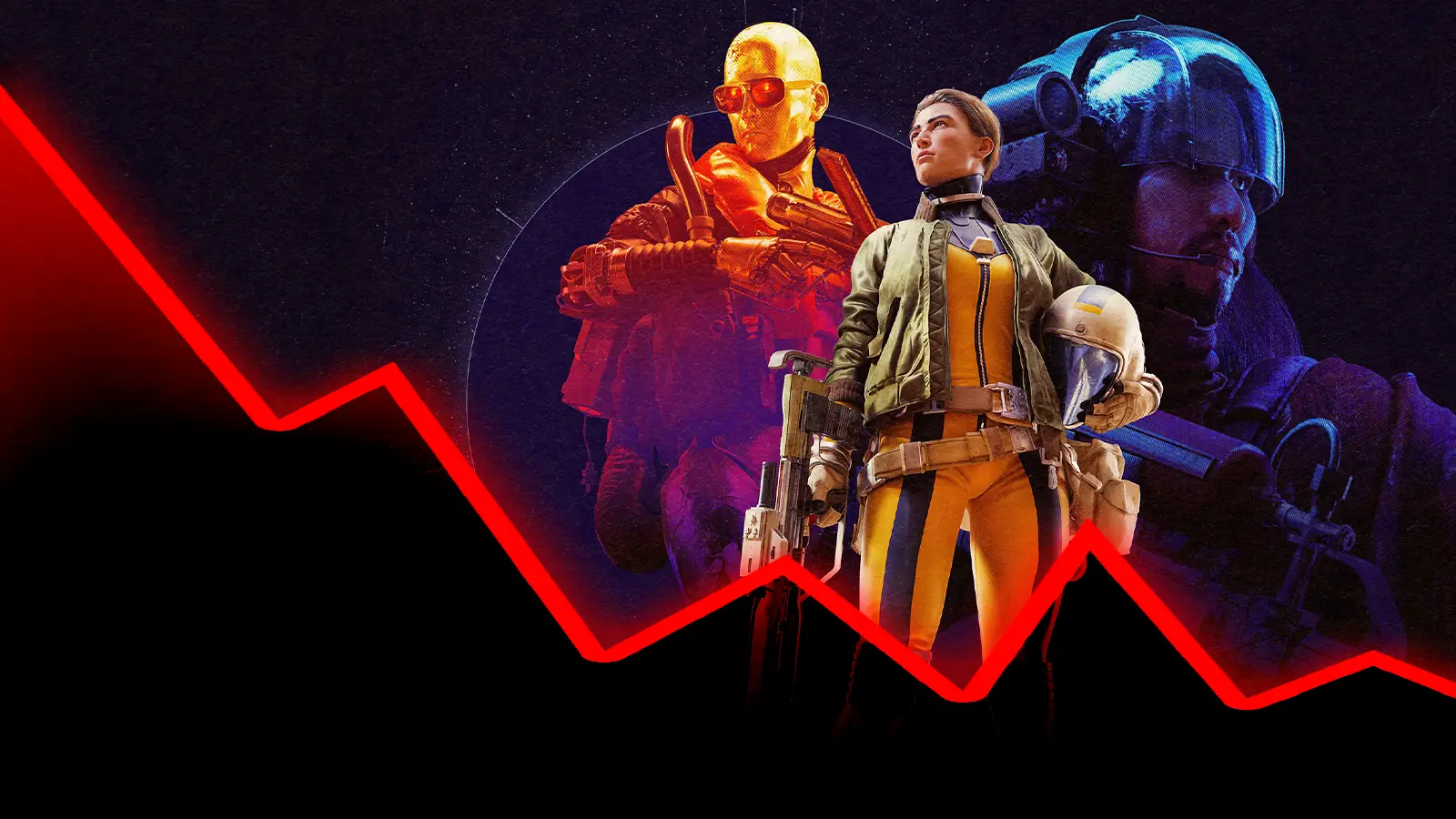
The studio now faces a significant strategic pivot as it lacks any greenlit projects to succeed Destiny 2, and there are no active plans to initiate production on a third installment of the Destiny series. The company’s long-term viability is increasingly tied to the commercial performance of Marathon and the ability of its remaining development teams to successfully pitch new concepts to Sony leadership. This transition marks a contraction from the studio's previous multi-project approach toward a more focused, albeit uncertain, future.
While the broader industry landscape continues to evolve with high-profile releases and shifting market trends, Bungie’s internal trajectory is defined by this recent consolidation. The studio is currently in a transitional phase, moving away from its previous attempt at massive parallel development and toward a model that relies on the success of its remaining active titles to secure future investment and creative direction.
The Game Post · 2026
The Game Post · 2026

The Game Post · 2026
The Game Post · 2026
The Game Post · 2026
The Game Post · 2026
The Game Post · 2026
The Game Post · 2026
The Game Post · 2025
The Game Post · 2025
The Game Post · 2025
The Game Post · 2025