1 free read left. Create a free account for unlimited reading + AI research.
Create free accountPresentation Remedy Entertainment
1 free read left. Create a free account for unlimited reading + AI research.
Create free accountPresentationRemedy Entertainment
The company is building internal infrastructure for market research, forecasting, and community management.
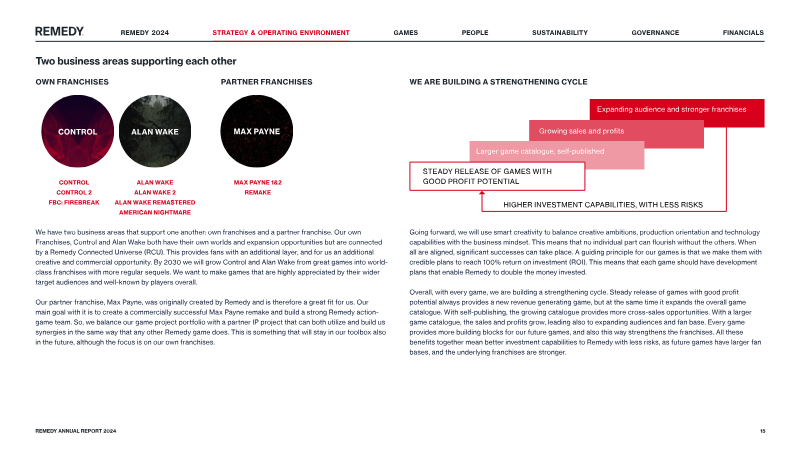
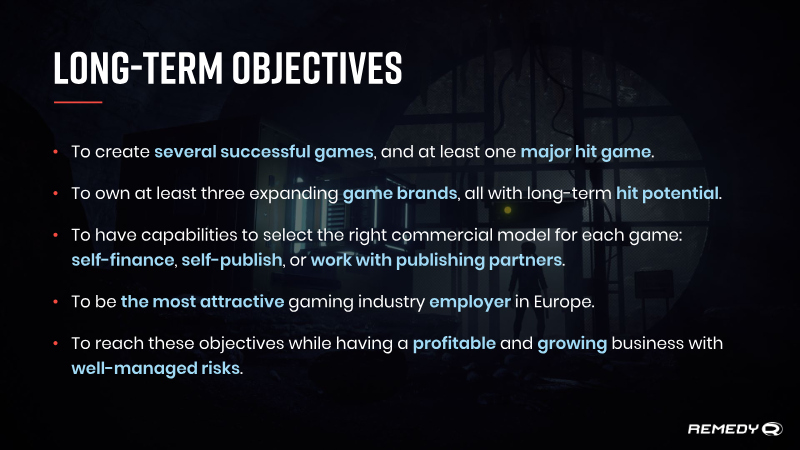
Remedy Entertainment’s commercial strategy centers on strengthening its market position by building a robust internal publishing infrastructure while cultivating strategic partnerships with industry leaders. The company aims to maximize the business potential of its intellectual property through a multi-platform approach, data-driven marketing, and long-term lifecycle management. By integrating internal publishing capabilities—including market research, forecasting, and community management—the firm seeks to transition from a pure development studio to a more influential player in the gaming value chain.
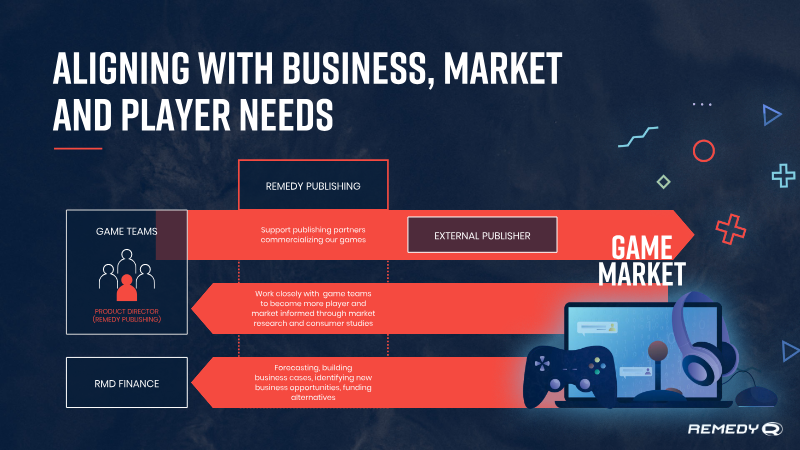
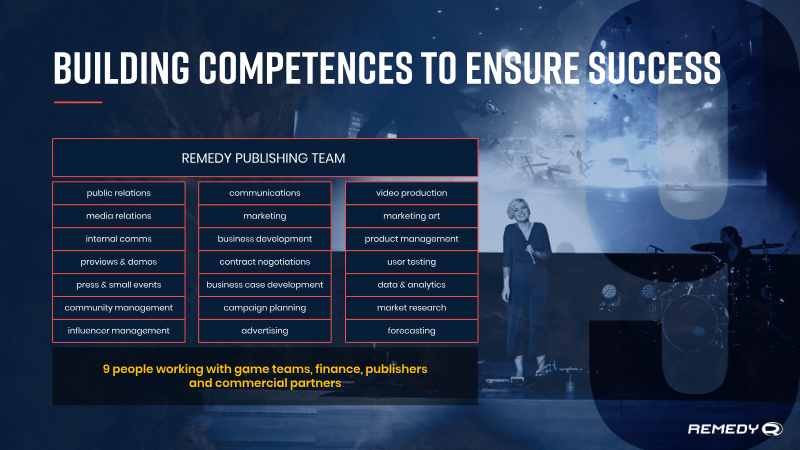
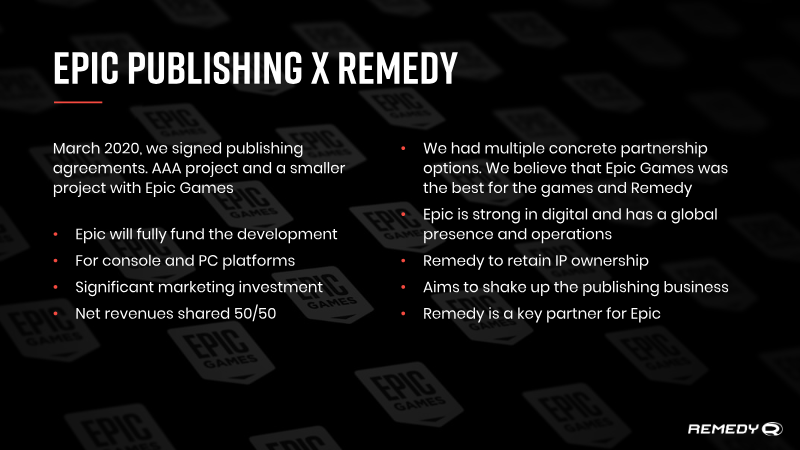
The company’s operational model relies on a diverse portfolio of partnerships tailored to specific project needs. Collaborations include long-standing development agreements with Smilegate for the Crossfire franchise, which leverages a massive global user base, and a significant publishing partnership with Epic Games. The Epic Games agreement is particularly notable for its 50/50 net revenue share model and the retention of intellectual property ownership by Remedy, providing a blueprint for future self-publishing ambitions. These partnerships are supported by a dedicated nine-person publishing team that coordinates across finance, game development, and external marketing to ensure games reach wider audiences.
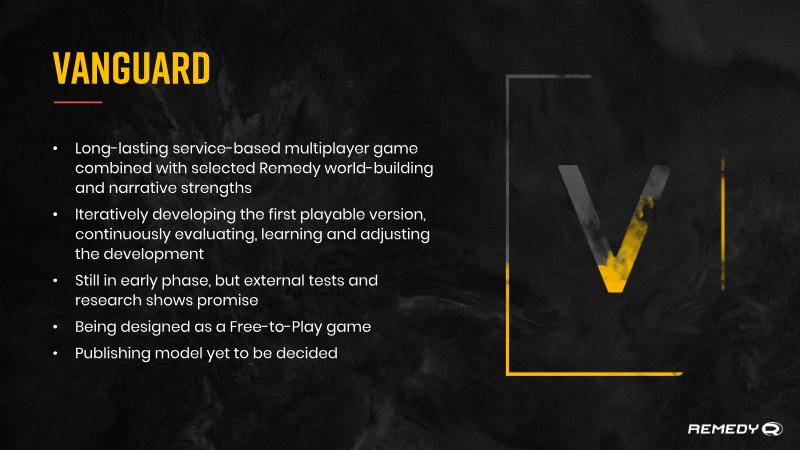
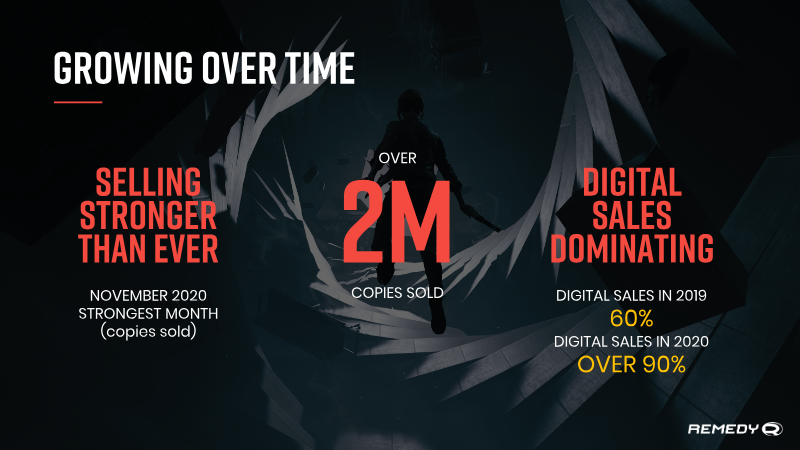
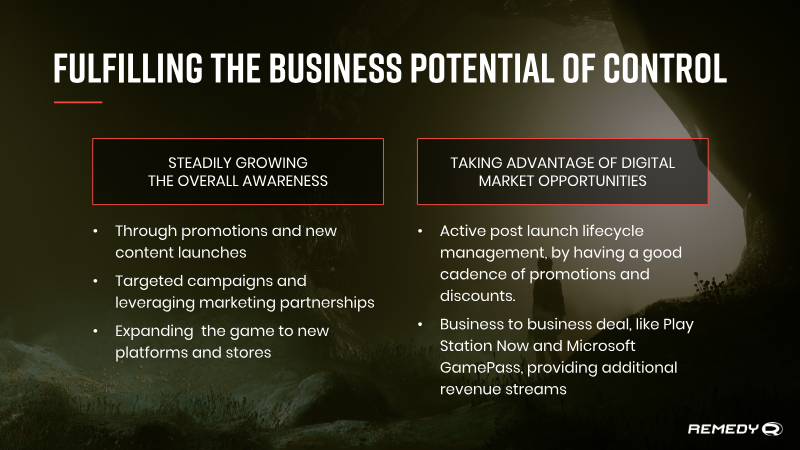
Performance data for the title Control illustrates the efficacy of this commercial focus. Through active post-launch support, including expansions and strategic digital promotions, the game achieved significant growth, with digital sales rising from 60% in 2019 to over 90% in 2020. This shift toward digital distribution, combined with availability on subscription services like Xbox Game Pass and PlayStation Now, has allowed the company to extend the commercial lifespan of its titles. Looking forward, the company is prioritizing the development of service-based, free-to-play projects like Vanguard while simultaneously building the internal competencies required to self-finance and self-publish future titles, thereby securing greater control over its long-term growth and profitability.
Remedy Entertainment · 2026


Remedy Entertainment · 2026
Remedy Entertainment · 2025
Remedy Entertainment · 2025

Remedy Entertainment · 2025

Remedy Entertainment · 2025

Remedy Entertainment · 2025

Remedy Entertainment · 2025

Remedy Entertainment · 2021
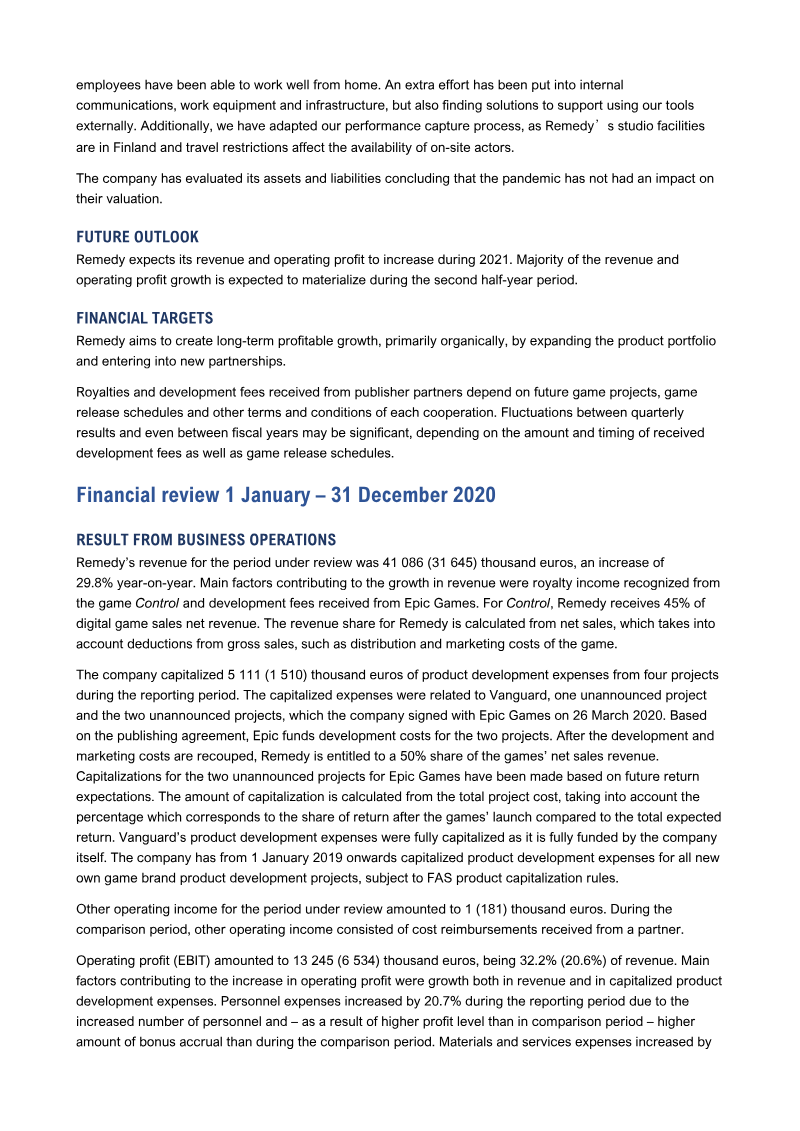
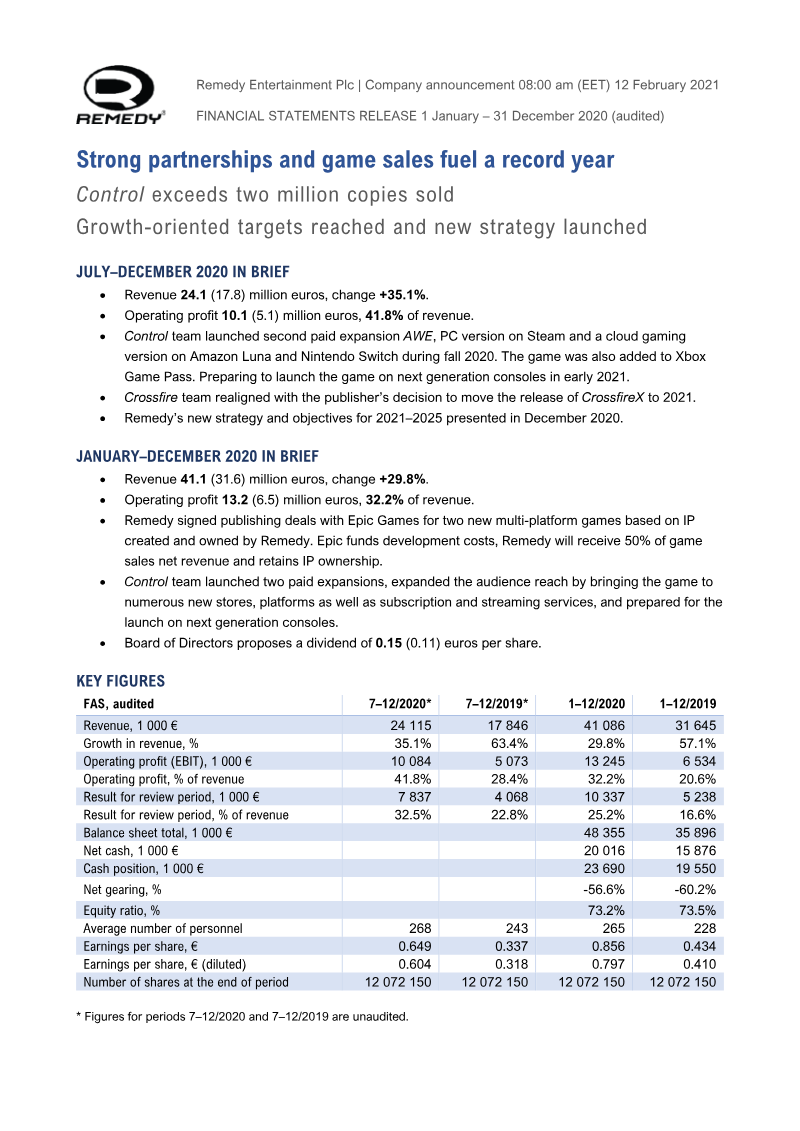
Remedy Entertainment · 2021


Remedy Entertainment · 2020

Remedy Entertainment · 2020