
ArticleGameDiscoverCo
Rematch, Peak, Broken Arrow Top Big Week for Steam Debuts
20 Jun 20251 page~9 min full read
The gaming industry is currently navigating a period of market stabilization, characterized by a plateau in consumer electronics adoption and a strategic shift toward predictable, long-term revenue streams. Recent data indicates that while hardware sales remain significant, the growth of third-party software on new platforms, such as the Switch 2, is a multi-year process rather than an immediate success. Market analysis reveals that console adoption in the UK has reached 40%, with VR penetration at 10%, suggesting that the industry has entered a mature phase where no new major hardware form factors have emerged in the 2020s.
PlayStation’s recent business segment presentation highlights a transition toward a more durable and diversified financial model. While the PlayStation 5 has achieved significant profitability, generating $136 billion in revenue and $13 billion in profit, the company is actively pivoting away from an aggressive live-service strategy that previously prioritized a wide array of AAA live-service titles. Instead, Sony is focusing on franchise engagement hours and upselling existing users through higher-tier PlayStation Plus subscriptions, which grew from 30% to 38% of the total subscriber base between 2022 and 2024.
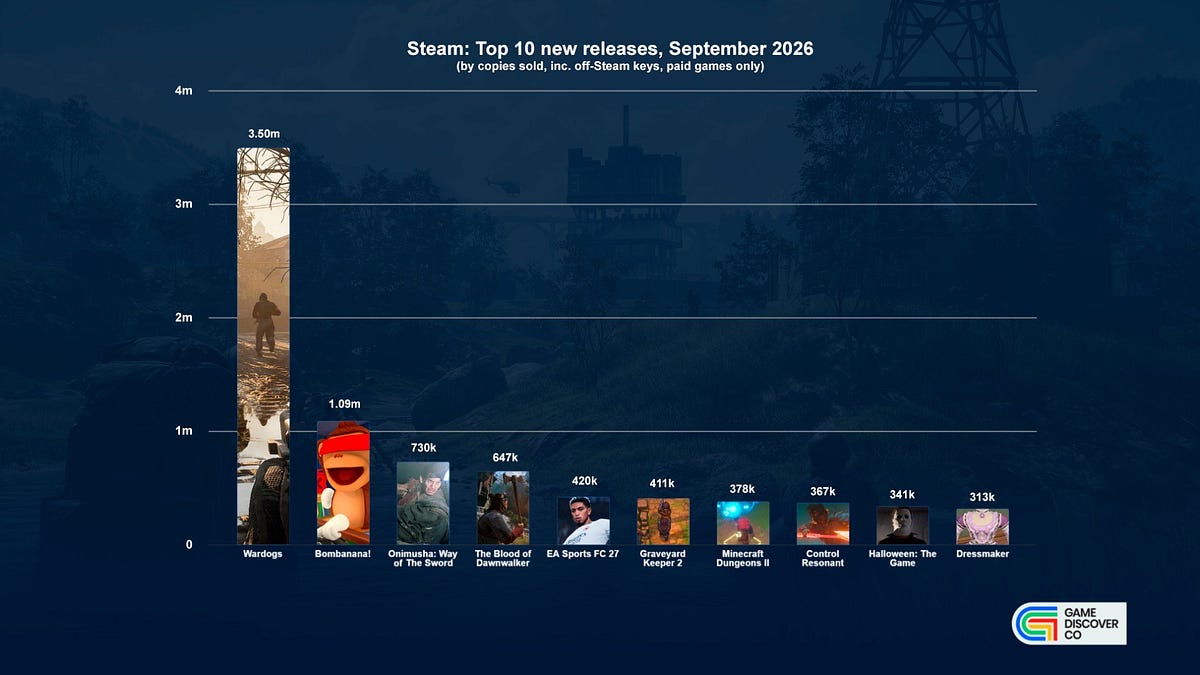
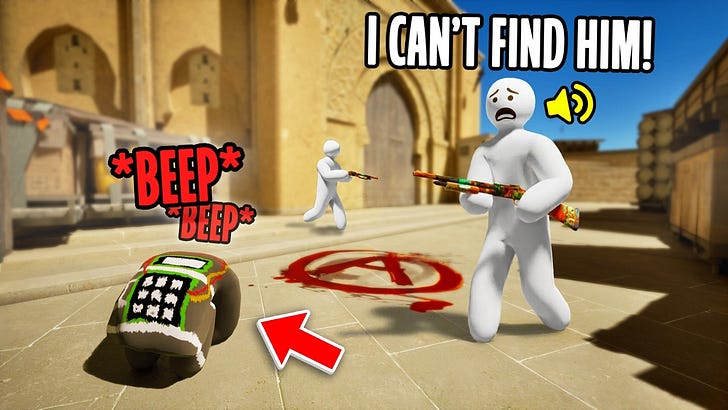
The broader industry landscape reflects these trends through various platform developments, including Microsoft’s commitment to a next-gen Xbox experience that transcends single-device limitations and Steam’s continued investment in accessibility features for the Steam Deck and Big Picture Mode. Meanwhile, the Steam marketplace remains active, with recent debuts like Rematch, Peak, and Broken Arrow leading a busy launch week. Despite these successes, the industry faces ongoing challenges, including shifting production schedules, potential trade tariff impacts, and a growing need to balance hit-driven development with the demand for stable, recurring revenue.
GameDiscoverCo · 2026
GameDiscoverCo · 2026
GameDiscoverCo · 2026
GameDiscoverCo · 2026
GameDiscoverCo · 2026

GameDiscoverCo · 2026

GameDiscoverCo · 2026
GameDiscoverCo · 2026

GameDiscoverCo · 2026

GameDiscoverCo · 2026
GameDiscoverCo · 2026

GameDiscoverCo · 2026
Rokky · 2025
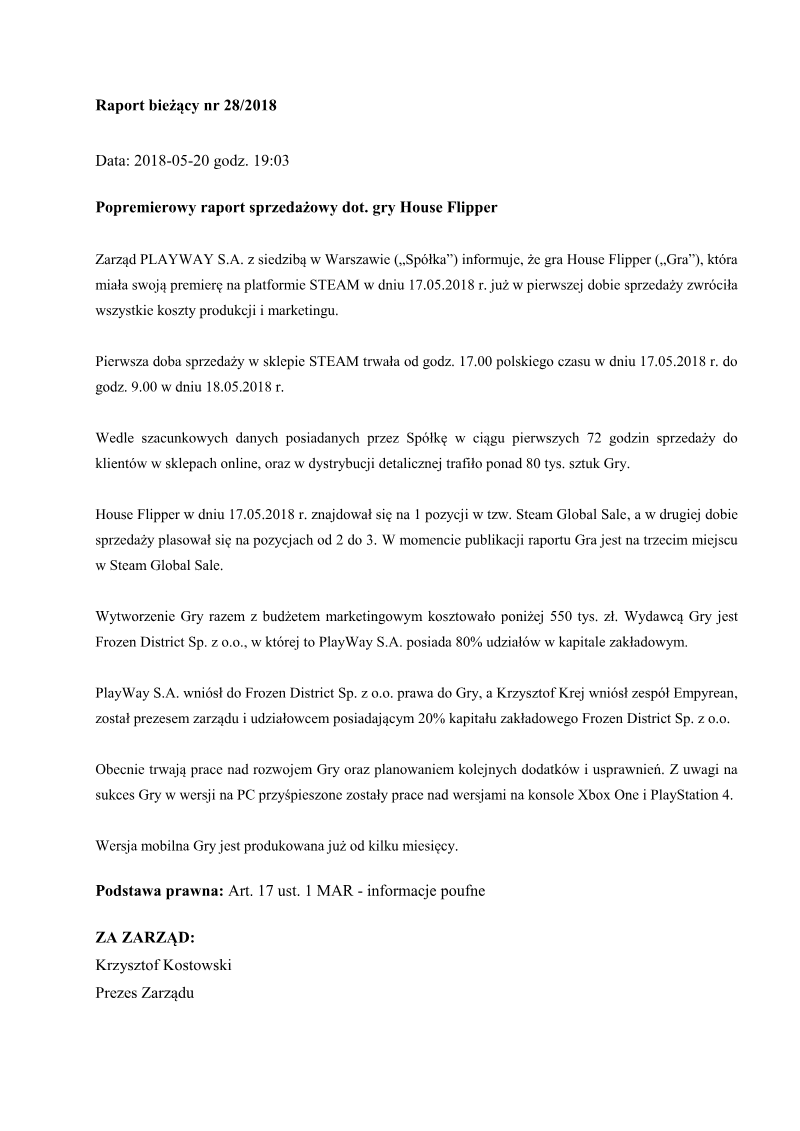
PlayWay · 2018
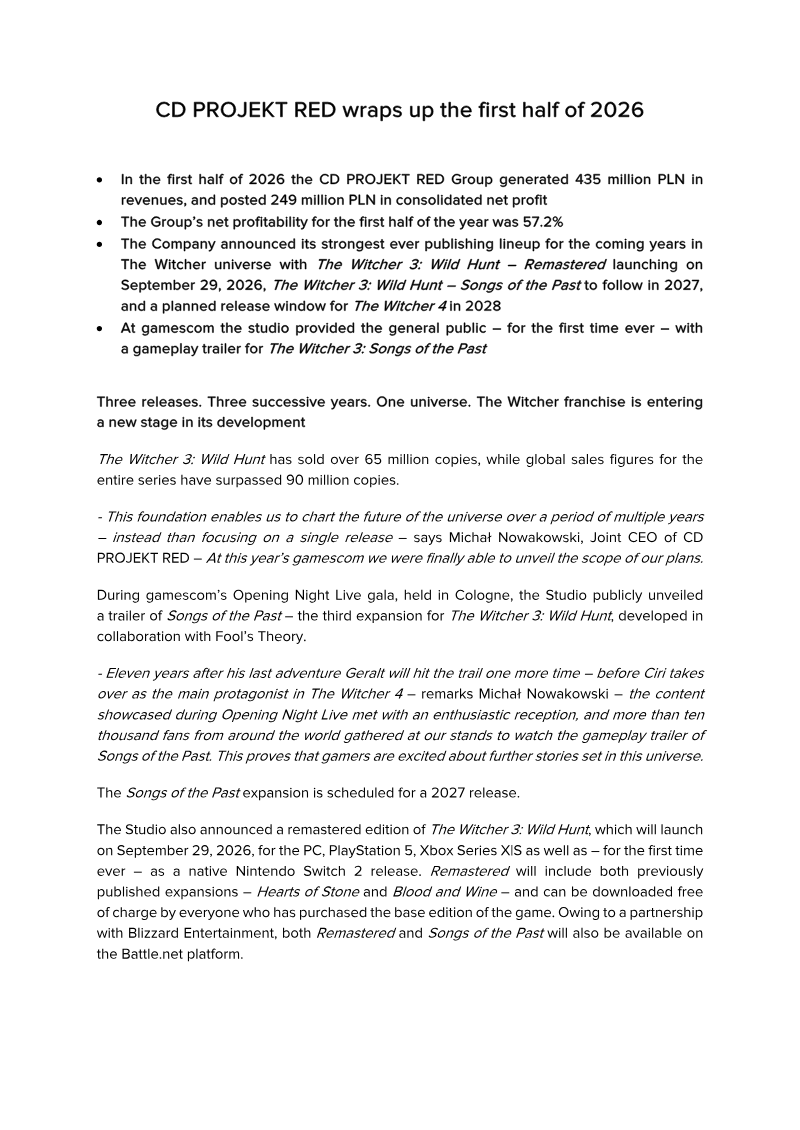
CD Projekt · 2026
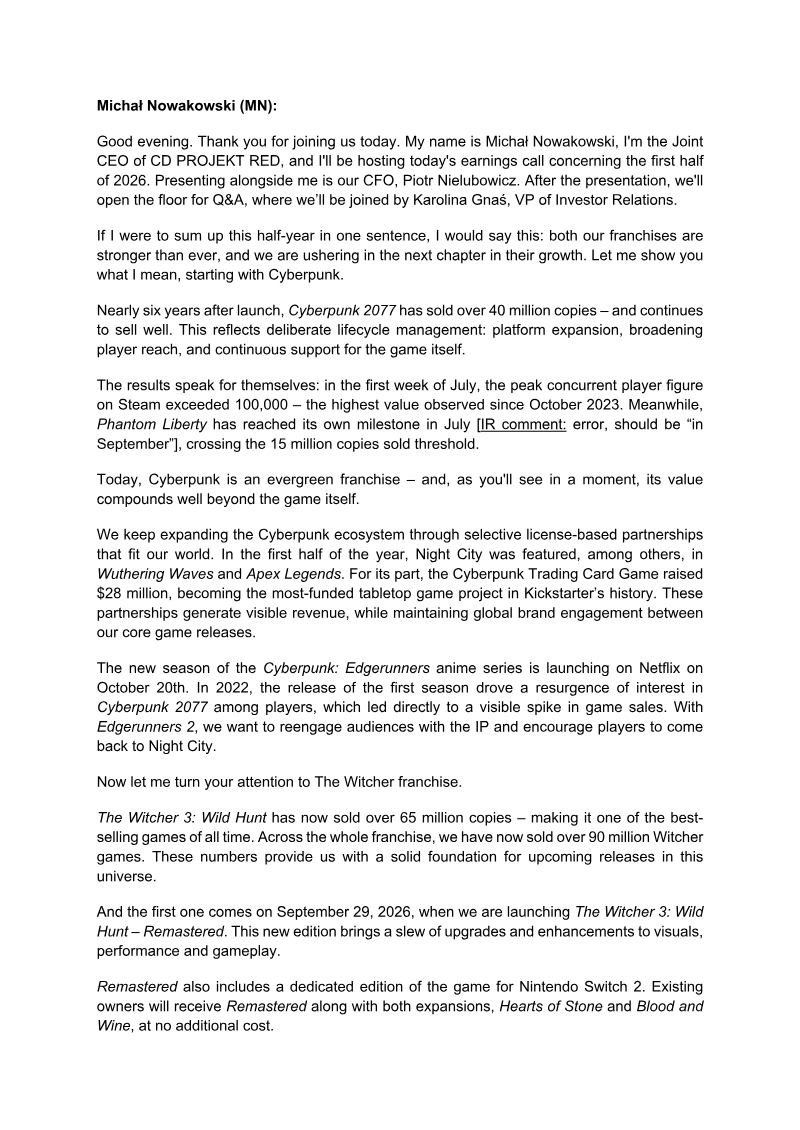
CD Projekt · 2026

VG Insights · 2025
Video Game Insights · 2025

Video Game Insights · 2025
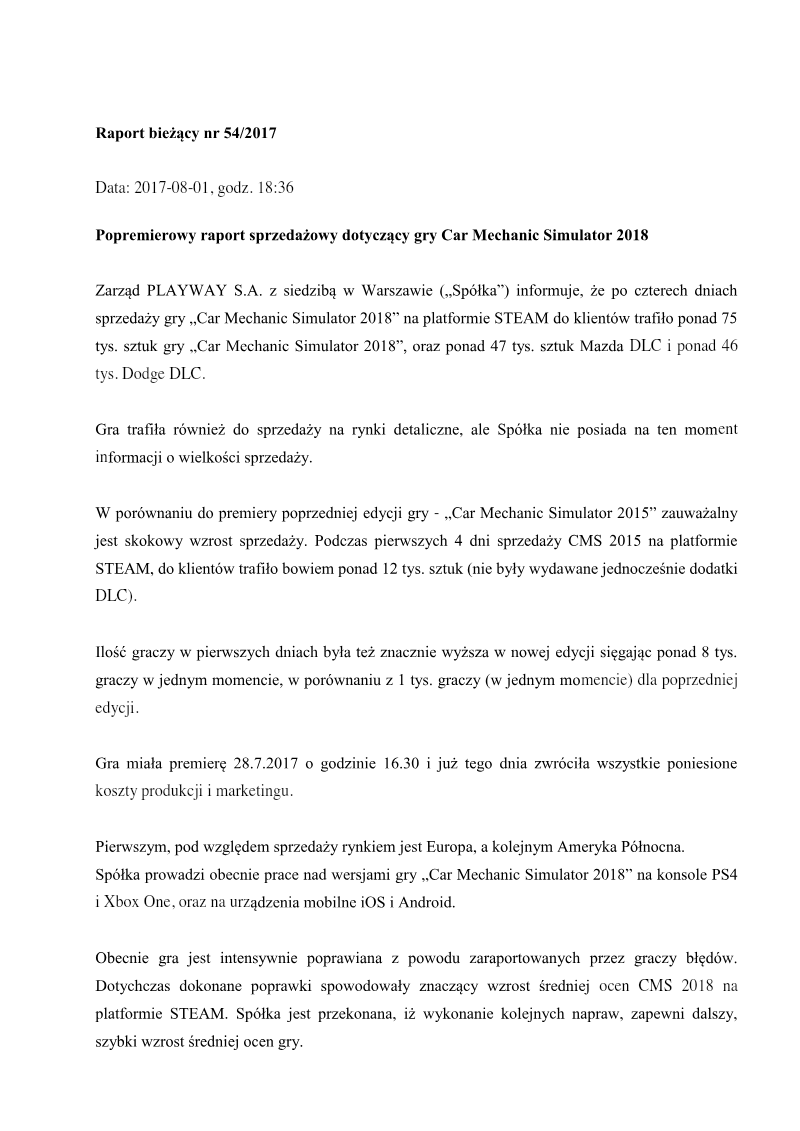
PlayWay · 2017
11 bit studios
GungHo Online Entertainment
11 bit studios
Nacon