1 free read left. Create a free account for unlimited reading + AI research.
Create free accountWhitepaper International Journal of Serious Games
1 free read left. Create a free account for unlimited reading + AI research.
Create free accountWhitepaperInternational Journal of Serious Games
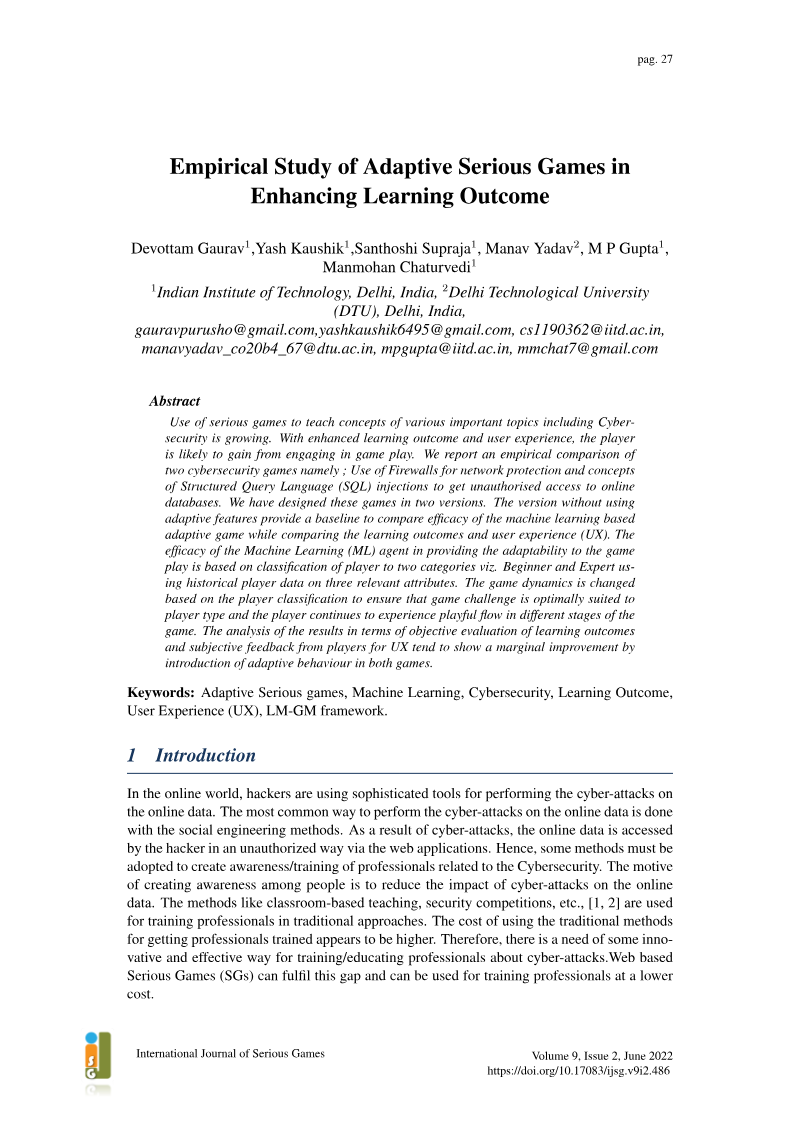
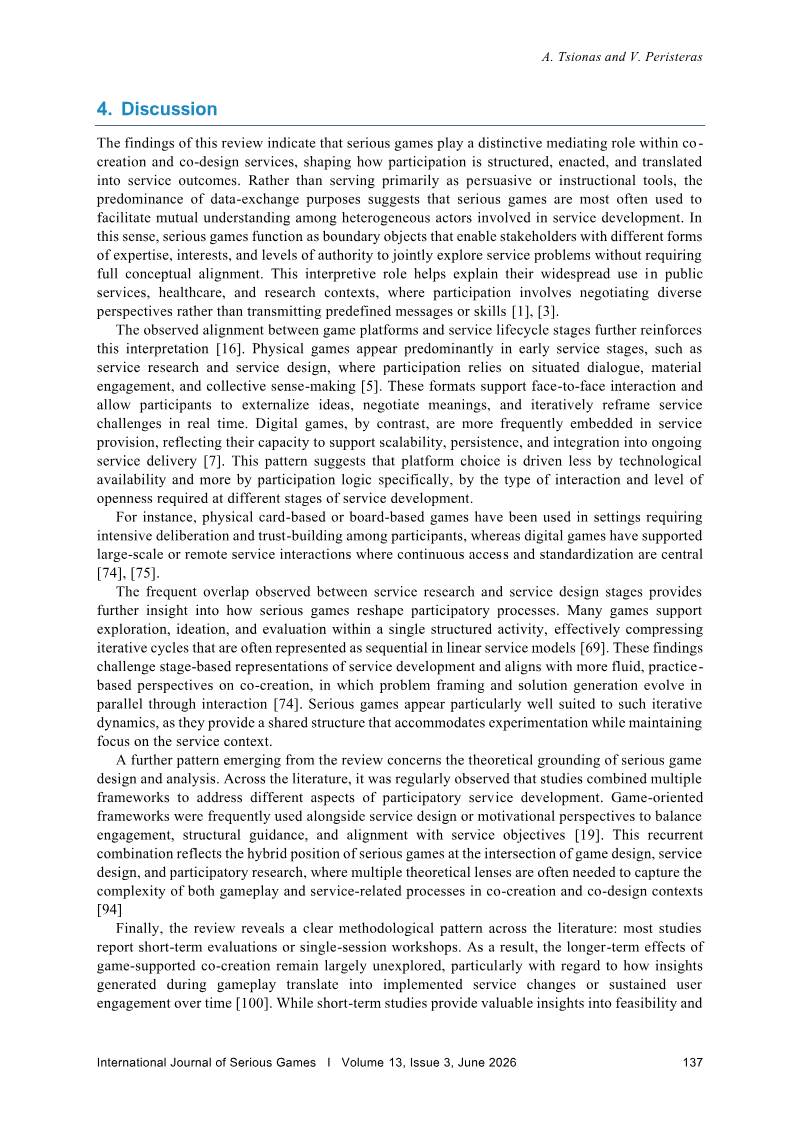
Fixed-trajectory training often fails to account for varying skill sets and cognitive needs of diverse learners in cybersecurity education.
Key Issue. Traditional training models do not adapt to individual learner needs.
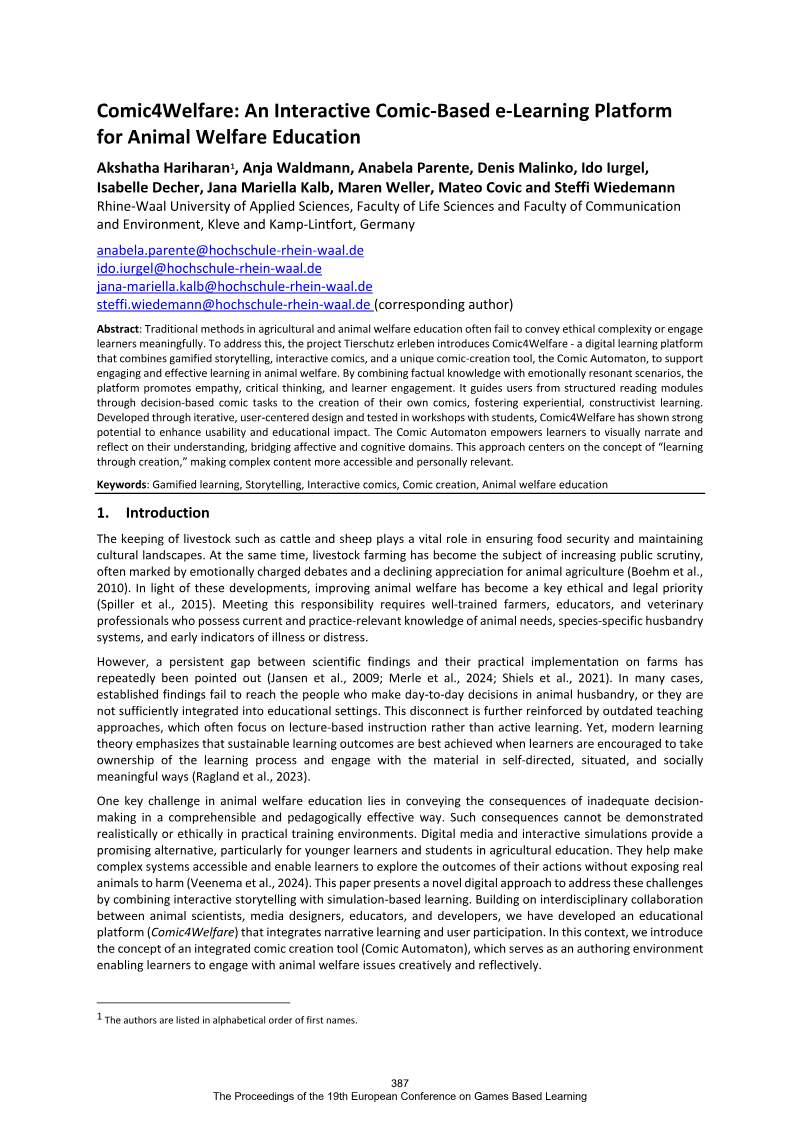
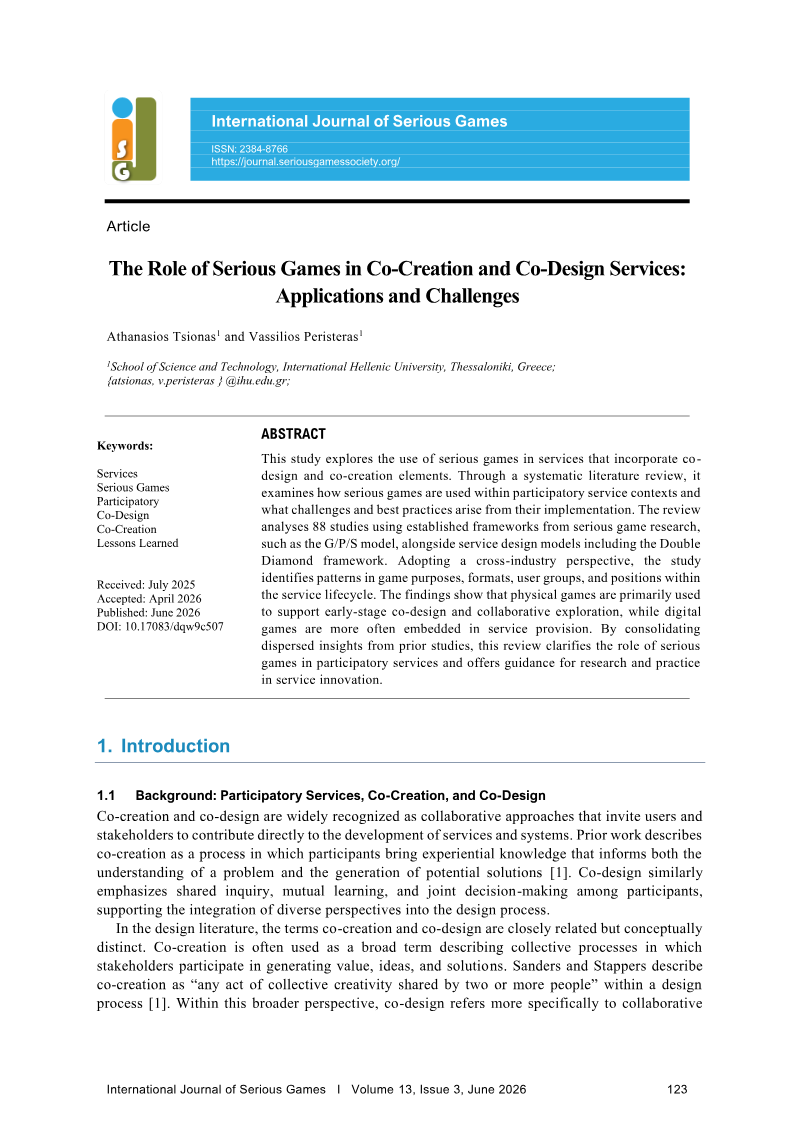
Adaptive serious games represent a significant advancement in cybersecurity training by utilizing machine learning to dynamically adjust difficulty levels based on individual user performance. By classifying participants as either beginners or experts through metrics such as response time, error frequency, and hint utilization, these systems maintain optimal engagement levels throughout the learning process. This approach contrasts with traditional fixed-trajectory training models, which often fail to account for the varying skill sets and cognitive needs of diverse learners.
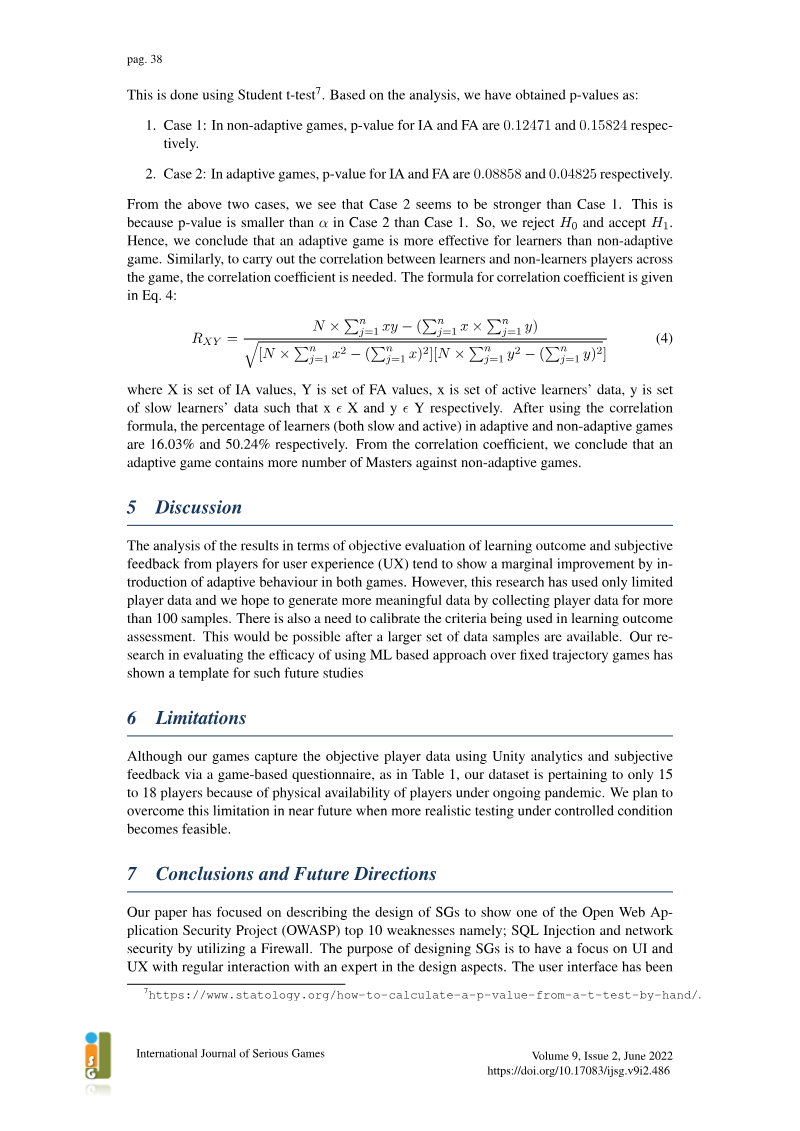
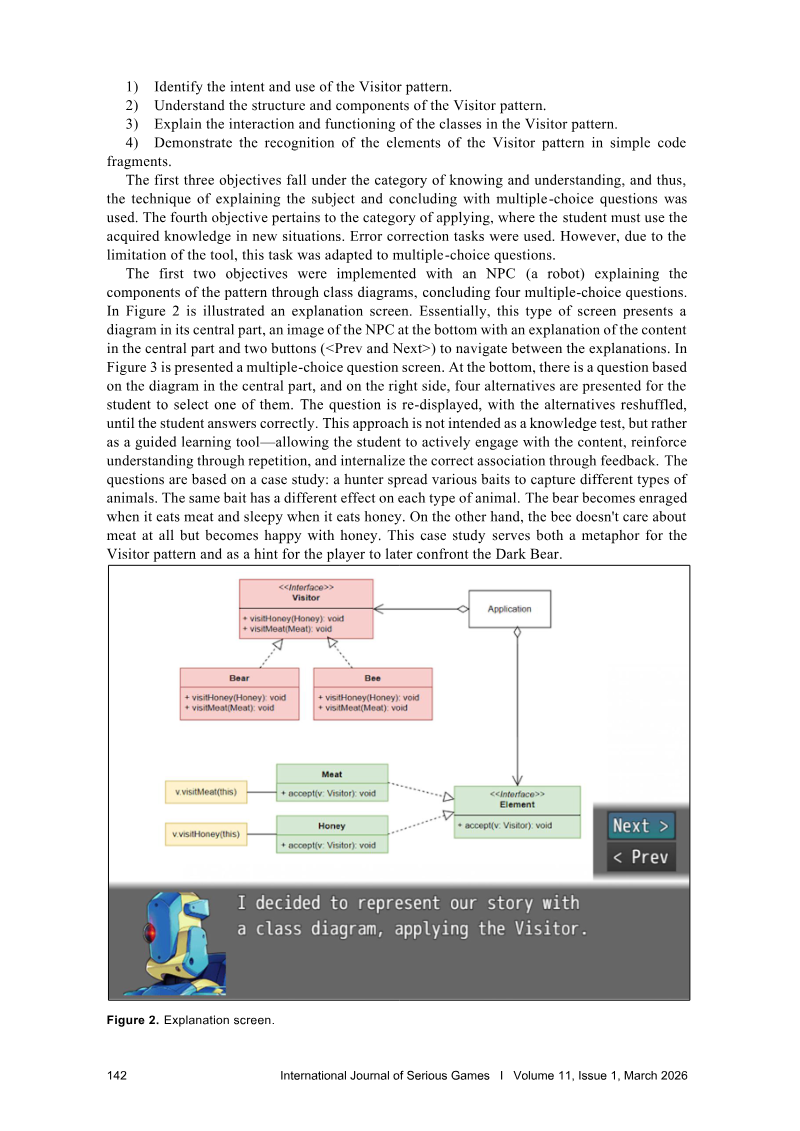
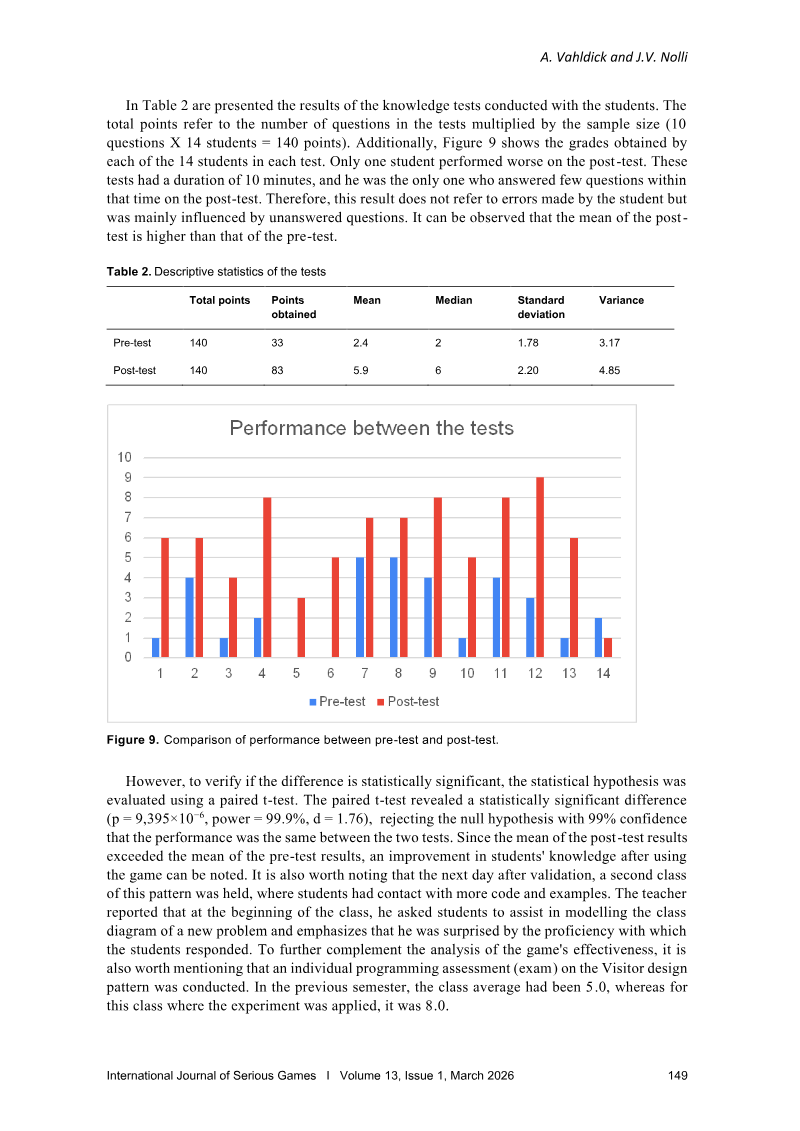
Statistical analysis, including k-means clustering and Student t-tests, confirms that adaptive game environments consistently outperform static alternatives. Participants engaged in adaptive training demonstrate superior performance metrics and a higher rate of achieving mastery in cybersecurity concepts. While the observed improvements in learning outcomes and user experience are currently categorized as marginal, the data suggests that personalization is a critical factor in pedagogical efficacy. These findings are supported by the Government of India’s Ministry of Education under the IMPRINT initiative, reflecting a broader institutional interest in integrating sophisticated technology into professional development.
Despite these promising results, the current scope remains constrained by a limited sample size, necessitating further research to validate these trends across broader demographics. Future iterations of this study will prioritize larger participant cohorts and controlled group settings to refine the underlying algorithms and confirm the scalability of adaptive learning frameworks. By bridging the gap between objective performance analytics and subjective user feedback, this research establishes a foundation for more responsive, data-driven educational tools within the cybersecurity sector and beyond.



International Journal of Serious Games · 2026

International Journal of Serious Games · 2026

International Journal of Serious Games · 2026
International Journal of Serious Games · 2026

International Journal of Serious Games · 2026


International Journal of Serious Games · 2026

International Journal of Serious Games · 2026


International Journal of Serious Games · 2025
International Journal of Serious Games · 2025
International Journal of Serious Games · 2025

Serious Games Society · 2025


International Journal of Serious Games · 2025


Serious Games Society · 2024

European Conference on Games Based Learning (ECGBL) · 2026



maxmetrics · 2026