1 free read left. Create a free account for unlimited reading + AI research.
Create free account
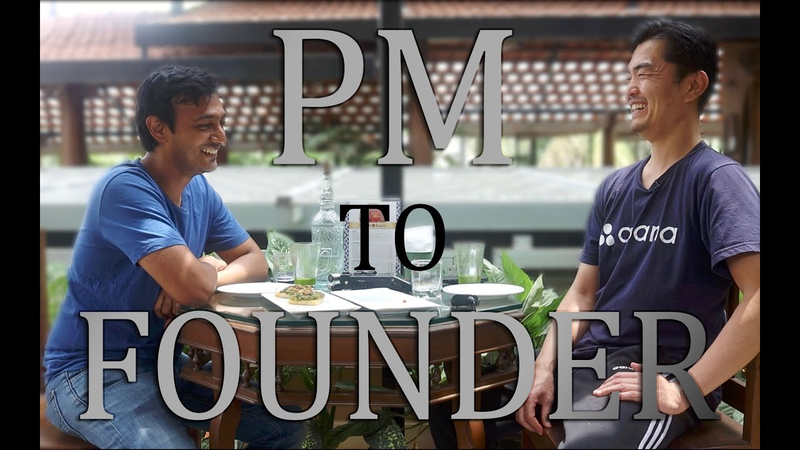
Product Manager to Founder | Akash Senapaty (From Zynga to Vah Vah)
Key insights
7 takeaways- 01Technical skills in SQL and data analysis, typically honed in large gaming firms like Zynga, provide the necessary foundation for scaling new startup models like Vah Vah's live vocational training.
- 02Transitioning from product management to entrepreneurship requires shifting focus from prestige-driven metrics to genuine problem-solving and operational discipline.
- 03Long-term success for local firms depends on fostering a creative culture that prioritizes product impact over superficial growth metrics.
- 04Founders must navigate distinct cultural differences, as the Indian work environment is characterized by 'organized chaos' and collective effort compared to the compartmentalized, individualistic structures of Western markets.
- 05The Indian tech landscape offers structural cost advantages and a deep talent pool, but firms struggle significantly with hiring high-caliber engineers and establishing effective onboarding processes.
- 06Mastering people management is the most critical hurdle for founders, outweighing the importance of status or traditional markers of success like team size.
- 07Professionals in the tech sector should prioritize meaningful challenges and diverse global experiences over financial accumulation, given the inherent job security in the industry.
Ask AI about this video
Transcript
all right guys we are going to talk to akash cenapati who is a co-founder at vava it's in startup that's been around for a year and seven months but prior to that he was a senior product manager at some game companies like digital chocolate and zynga natural motion in the uk so we'll find out more about his background how he is transitioning into life as a founder from being a product manager [Music] what you're doing right now what is vava could you tell us a little bit more about about the company and your role at the company cool so huawei was started about a year and a half back and what we do at wawa is that we do live online training in a variety of skills mostly next generation skills and
with a clear slant for towards earning so the mod of the company is learning say earning which is a mix of hindi and some english in there basically means from learning all the way to earning right and what's the next generation skill what what's an example of uh so so for example we are training people in currently online completely online live micro batches with a lot of one to one or rather it's a micro batch mentoring seven eight people in a batch but we currently do for example things like nail art this is exploding in popularity you don't need to have a previous degree to do any of these skills you can get into it you can learn you can learn really quickly we help you in understanding what the market is like we help you in understanding how to source raw materials we help you in setting up your business and earning right so kind of a difference between like the traditional education system where you're going for general skills degrees and then going towards a specific career but it seems like you guys are more
focused the specific skill learn that skill get right to work absolutely it's exactly that and nail art is just one of the examples we aim to set up multiple such colleges so i can't really talk about what's coming next but yeah as an example we have nail art we have makeup we have hair styling multiple things over there and then we'll see more such verticals come up very soon right and how long have you been doing this and you you're a co-founder could you talk about some of the other like how did you start the company um so we have four co-founders and at least three of us have a very solid gaming background okay one of us ran zinger in india oh one was one of the star product managers at zynga in india nice and that's where i met him and and he introduced me to the others and that's how we all got started so all of us pretty much collectively made the decision to start this and we're all very much involved with the games industry we love that industry right we talk about it affectionately every day
nice and sometimes unaffectionately as well and maybe we could talk about that because you have your career and you worked at amongst other companies digital chocolate i believe in the bingalore office and then you also worked at zynga the natural motion studio in the uk but could you talk about some of your gaming experience what did you do what were your specific roles and you know the different companies uh the very first company i worked for was ibibo and i think i owe that company a huge debt of gratitude because um the product leader who i trained under he is some hot shot at amazon in seattle he was absolutely fantastic right and i think at that time there were very few product management roles right pure product management roles and not project management roles in india right and i just sort of stumbled into this and i guess my only what brought me to that was that i was always interested in computers from a very young age i had a ms-dos 386 with four mb rams so that's how ancient i am and so that's where i started where we were doing social games for india and very very india focused games and
then after that digital chocolate after that moved to london real fun games zynga and it's always been product management roles um and always always games okay so and so you made the transition from product management to entrepreneurship in terms of like your role at lava is it similar in terms of the product management role and maybe you could talk about that in terms of you know that transition as well as maybe some of the skills that you learn that apply now to you as an entrepreneur yeah i think in in some ways there is a similarity there is some amount of overlap very specifically at wawa what i do is that i look after course design okay and we have taken a very product management approach to that so we'll design the course we'll i don't want to talk too much about how exactly we do it i think a lot of this is a secret sauce but i would say that a lot of my pm experience translated into me doing a good job at
being able to design the courses right the other thing that i look at at java is just running operations and running operations like a tight ship but there's no way i would have been able to do it without my previous gaming knowledge because all that focus on metrics and watching for numbers and movement in those numbers that really that pedigree is really what's helped me a lot over here that and the ability to write sql which eternal debt of gratitude to zynga is that necessary for a pm there's a big debate now should pms no sequel or not no sequel they should okay oh 100 absolutely they should i mean they don't need to know like super complex people but they're the basics yes because because i think as a pm it's very it's a very interesting role very often nobody's going to tell you hey this is exactly what you need to do you should be self-sufficient you should be entrepreneurial you should be able to figure out answers on your own and even
if you don't figure out the answers you should be able to say hey i think there's a problem there can i get some analyst support to really really get into the weeds and i think that's important for the pm so yeah 100 and and before i learn sql i was also like why am i doing this but it's only when i crossed the chasm that i was like yeah okay okay so akash in terms of your perspective of the indian gaming market what are your thoughts in terms of positives and areas where you think india still needs to kind of grow in terms of the gaming industry all right so i think so i'll start with the positives first i think we've got a really good strong product management core over here okay and a lot of that is due to zynga india they've got they take a very good approach to product management so a lot of the product managers i've spoken to from zynga india are absolutely world class so over there i think you know we've got a very good strong of people i think one of the places where
there can be a lot of improvement is art and design and uh there's several reasons for this i think multiple people have talked about different things my my thesis on this is that when artists go grow up abroad and i saw this in in the uk where i worked for quite a while you know they grow up with their own local influences but at the same time they've got so many influences coming in from everywhere so if someone has let's say a japanese influence along with something which is more european they can just seamlessly blend that together and if you say that hey okay so i like this norse mythology thing you've got going on can we put in some japanese weapons over there just to make it a little bit more interesting something more unique they're like yeah okay done that does not translate so well over here over here you'll have to give references right and i think that a lot of that is because when people are growing up over here they don't get that many creative inputs from across the world and i think that is an issue with with art and design okay but i think that like everything with india that will
that will be solved going forward but i think these are my my two but i'll also say this that that since i since i moved back to india i've not been that much that immersed in the gaming scene so i'd actually throw the question to you and i'd like to know what you say it feels like i i think that the biggest issue i have with indian gaming is just in terms of like the sophistication because like obviously like a lot of the work here has been content treadmill live ops and so like in terms of like new game development and understanding that discipline how do you build something new something innovative in the process and the practices around that i think need further development and then just a lot of folks who don't question why right like they're doing something but then they don't attack the process they don't try to improve upon it they're just like okay we do this and then if you ask them okay well why do you do things in a certain way
they kind of don't know or they haven't thought about it so i just think that it's a skill that can be learned and i think that that kind of thinking is starting to come here but it just hasn't been developed fully yet yeah i think that's a really good answer while you were while you were saying this the other thing that popped into my mind was that i noticed that when i was in the uk everyone who i work with i would say 70 80 they were there because they really love games and they love the games industry and because of which they're sort of sponges for a lot of influence they play a lot of games that's not yet there in india again i can see this increase exponentially if your quarter quarter year on year but classically historically that's not really there yet you won't find kids in india like i want to work in the games industry i'm going to start as a qa and i'm going to become a pm right abroad you'll find so many people who started as qa and then they went into design or product or engineering even every single thing people are perfectly fine with starting
in qa just because they love games right so that's not something i've yet seen over here so akash i wanted to ask you about when you think about the differences and so you worked here in bangalore for digital chocolate you worked in the uk for zynga natural motion like if you were to compare some of the differences in terms of approach philosophy ways of working what are some of those key differences that you saw i think india has a lot of organized chaos if you don't if you aren't very familiar with the working culture yeah it'll just look completely chaotic but there's a lot of organized chaos and we can make great strides in a short amount of time right the uk everything was super organized for example there was absolutely no work chatter on whatsapp right like whatsapp meant the game is down like all hands on deck right over here i mean i don't know sometimes i don't know why we're paying for slack right because everything's on whatsapp ever anyway right so that's a very
different mode and philosophy with regards to work culture the other thing is that in india work life and personal life blends people will spend a lot more time in office they inform the friendships in office but in the uk when it came time to go home people would just go home because it's the uk there would of course be several drinks at the pub before going home but by and large people would go home you know there was that kind of a separation right in india you don't see that as much and so i would say these are the two you know main differences we can go deeper into any of this that you would like to talk about yeah i mean like so maybe i could ask you about that in terms of when you think of somebody in india working at a game company versus somebody in the uk in terms of lifestyle so do you think you mentioned there's more of a separation in the uk more work integration here being lore and i think i've kind of heard a couple
of different stories on this right so i've heard from some companies that they're there they're working all the time they're work they're going home at like midnight they're working on the weekends and then i hear from other people like folks at like zinger ubisoft oh no it's all work-life balance and so what's what's the truth i think if it's companies like possibly zynga and ubisoft maybe there is you know i mean they will follow um i guess they'll follow what the international parent sort of lays down for them okay but at indian companies and in general like what i've seen before the life's blend even at several indian companies actually like life can blend between work and between personal people from the friendships at work right and i think that's that's something which i've pretty much only seen over here i will also say that like for example in the uk there will be no tea breaks in the middle very less uh people will come in at a certain time they will work hard at a certain point of time and in india
there'll be several breaks in the middle of the day uh there'll be tea there'll be chai there'll be coffee you know you get to know each other yeah chat a little bit then you go back to your desk and which is why it'll stretch beyond six and stretch beyond seven and stretch beyond it often because you've got all of these things integrated and i think like western culture is a lot about the individual and indian culture is a lot about the collective so in the west you would cultivate a separate hobby out of work and if you don't have that if someone says so what did you do on the weekend and if you can't say something interesting like oh i went for a hike or i went holdering all right people were like oh okay so you just saw netflix huh but that's not really the case in india people will you're not really expected to cultivate something fantastic and interesting and mysterious outside of work you can do all of that within work so you finish work and then you'll probably go to the bar with your work friends maybe you'll play football with them those lines are very much blurred over here because it's all about the collective and this is the collective and together you know you've got this
goal hopefully usually yeah and looks like i came to the right place because i i agree with you like i believe that work and life should blend and i believe in more reflective as well so that's great so oh gosh you came back so you know when i talk to some folks from whether it's zynga or ubisoft or some of these other companies they can't wait to get out of india you came back what brought you back to india i think uh several reasons and so one of them is my partner she's german okay so i feel that you know what so when people go abroad they like to they like to stay there on a work visa regardless of all the complications of a work visa because that's the only choice they have okay my partner is german so i always feel that i have haven't in europe if i want to make it happen okay so i
think i'm in a slightly different position as compared to other people so it's easy for me to come back but even if that was not the case i do find the whole work visa thing quite annoying i like freedom okay that's one two living in london apartments are really small over here you can live a king's life if you work in tech and that's fantastic and there are there'll always and always be pros and cons like for example a lot of the indians who i know my batch mates my friends so many of them work abroad now and a lot of them have universally embraced the outdoors they're into fitness they're into hiking into all of these things that are slightly harder to do in india because you can very quickly and easily get out of the city on a weekend and like all the hiking trails are beautifully laid out right so i would say they're pros and cons and i think for me i felt that if i come back to india it's easy for me to i would never have been able to do it living in the uk right like i can't i can't think about starting something
because what about my work visa they'll chuck me out of the country right right i've actually interviewed at this point hundreds of product managers in india in gaming yeah and i would say when i ask them about their future aspiration it's basically your path a lot of these product managers well the number one response to like what they want to do in the future is always i want to start my own company so there's a strong entrepreneurial culture here and kind of like a desire to follow the path that you have gone down which is starting your own company what advice would you give to gaming product managers maybe whether they're working in zynga or startup or other companies here on how they should think about this journey that you've taken starting a business what steps should they take how should they think about a company before starting it i would say that the first thing to acknowledge that right now living in india starting a company is cool okay so
yeah so know this acknowledge this because there's just this whole romance which is being created around starting a company and around being called a founder right i would say that when you're in it there's no romance in there so you shouldn't know this and there is absolutely nothing wrong if you want to be an employee it's especially if you're in tech we are all privileged to have a relatively very good life right now there is a really high demand for people who understand technology yeah and there's absolutely nothing wrong with being there as well i think if you want if you for example if the little things annoy you you know why isn't this like this why isn't that like that i want to fix things i want to build things if if you've got that itch in your head then you know you've probably got the right dna that's one and if you can identify a problem that you want to solve then that's also good so that's check
two then you have to find other people who you want to do it with because doing it just by yourself is hard right uh there's a lot a lot of work to be done and four you really have to sign up for the work i can tell you this that once you're really in it you'll find the romance of it will quickly be sucked out like air from a vacuum so you really have to know and recognize that so it's perfectly fine you know if the answer is no for a lot of you and there's no harm in that right right i mean companies aren't built just because of founders there's a lot of people who work in these companies who do fantastic work and if everyone wanted to do become a founder then there'd be no companies sure so so yeah i think weigh everything and wait well like figure out the pros and cons and figure out if you're the right person for it and if you have the right motivations and not because it's cool and you want to raise a round of funding and you know you can go back and here raise funding guys it's there is a lot more that lurks below the
surface that you just never know until you really neck deep in it [Music] i don't know why so that's why i really want to see leela games succeed i really like the name thank you i love the name i think it's absolutely fantastic be here use use the market because this is definitely going to be uh cheaper than developing a product and games is not like uh you do one and then that's it right like it's very difficult for that to happen yeah that's kind of like how i'm thinking about or opportunity is like what i tell our guys is like if we can have an incredibly strong team a year from now two years from now that has so much value in this world where you've got like broken cultures broken cost structures and other areas of the world so if we can have massive structural advantage here you know with a team deep in a specific genre with very deep expertise with the cost
structure that we have with a team that really wants to work on you know creating a world-class product i mean it's kind of like from my background working at fun plus king of avalon we did that in beijing yeah i think there's a lot of value in that what is that parsi or kuriantos okay yes this is from the north of iran from caspian sea okay nice thank you compared to a game studio in the west if we can make three games to their one who's gonna win over long term right absolutely so absolutely and what about the choice of games so what game are you guys working on so we're working on a shooter game which is a massive technical challenge but i will say that i think that so long as we're betting on the long term then i think we'll be okay and then some of the technical challenge we can
get around from design yeah that it is it is a pretty massive challenge that we're that we're taking on because we're not just doing another shooter we don't want to do battle rail we don't want to do team deathmatch we just don't think we can i mean there's there's 250 person teams you know in china and all over the place we can't compete in those spaces so we're trying to do something different right right i would i would be very about the technical challenge stuff i think that's the one that just sort of creeps up on you slowly slowly slowly and then one day you're like oh my god how do i solve this how do i make the tech work yeah no we've been we've been fairly warm right like so you know i have a friend of mine who is you know led and he led a very successful shooter game that's a top cheater gaming he warned me that there are going to be like three call it 10 to 12 million dollar technical challenges that we're going to
have to figure out how to get around yes so we've got ideas on them and and you know that that will be a risk yeah how's the how's engineering sort of scaling to be able to handle that challenge and i will say like our our ability to hire engineering here is very very tough not only because one there's so much competition for engineers here yes and i would say like the technical capability of the engineers here still has to mature i think that yeah there's a ton of unity developers but then there's also a lot of unique developers who don't have like a solid foundation like in terms of math logic so they can kind of code stuff but you know we're not really looking for scriptures we're looking for real hardcore engineering talent so our conversion rate from has been super low like 0.6 yeah i i understand that and i think that's a
very very good point the grounding the fundamentals right sure you know unity but did he have some background in motion graphics before did you do any kind of c plus plus before any you know like that really the kind of coding that you would learn in an engineering school and i think that's a fair point so i would have thought that that would be a challenge like which you have confirmed because i think there are a lot of engineers a lot of good engineers but easier for them to plug into let's say sas software right games is hard now maybe another question i could ask you so yeah you've worked that digital chocolate you've worked it seeing uh promotion if you could tell me about one thing that they that you thought they did really well and maybe one thing you think that they can improve upon and don't worry nobody's getting us watching so i'm sure everyone from zinger is watching i i think the one i'll start with the positive so i think in general like game studios i've seen that there's a it's a very fun lively creative atmosphere so you know the walls will be done up nicely and it's a very nice feeling to walk in
there in the morning this is specifically or for both singers i think i think zynga was better okay and i think de chalk was also quite nice but zynga was definitely better a step above i would say but then also like there was a while there was a different time right when i worked at dechard which was facebook games right right so there's a certain evolutions everything just becomes better from the games of the processors to even the office take on right so unfair to compare but i think the overall environment in in a games office is fun it's interesting it's creative there's a lot of talk about what the latest games did you see the cultural influences in that movie it totally looks like that game so it's fun it's interesting really keeps the creative juices going and i think i think game game industry execs they maybe they do a little extra because uh they're willing to do that a little extra to inject some more fun in there you know into into game studios they're not they're not just your regular mbas they're interested in games i've seen this quite universally
the one thing that i think that they could do better is onboarding new people and because game themes can be uh they can be large but they're often you know like they're they're small pods and unlike other companies where there would be a structured training program before you hit the floor what i've found is that you know you walk in one day like hey welcome hey akash and that's it nobody really knows what's happening i remember one of the places i joined within the first week i remember checking in code yeah right like x strings of a game translations and someone said hey why didn't you do that i said sure let me figure it out i didn't know how to check it in but i figured it out i did it but i should not be checking in cold like you can't let me anywhere near your repo so and that's because nobody really knows how to onboard people right so i think that's something that they could do much better it could set them up for success where are you getting your engineers
from i mean we primarily use linkedin angel list yeah github and how big is the company now so we'll be slightly over 30. oh wow 2 30 to 35 because we're bringing in so many people depends on the weekend yeah we just very recently hired a lot i think we're going to slow it down because i think that was just too fast yeah yeah otherwise like you just have more new people than the old people and then you are a different problem right yeah i've got a new appreciation for everything hr which i just never had earlier right because also game game teams right like even as a pm you'll have four or five other pm's reporting to you it's it's small right you'll have these longer one-on-ones this is a completely different ballgame like what i mean now is operationally so heavy and so complex
the numbers of people involved are so much higher it's very different so i think the biggest thing that i've learned in this is people management right i didn't also notice a lot of the game companies where you know where i've been we've been receiving recruits and when i interview them it seems like there's this i don't like the structural issue where after let's say five ten years a lot of whether it's pms or in any like art any discipline they want to become managers and then they shift to management and then it's just like how big can i grow my team and they stop actually learning their discipline and want to just manage okay so that's been a little bit of a disappointment yeah i think watching when you if you sort of look at india as a game that is soft launched yeah all of this will you know start to click into place right like so for a majority of people right like everyone who you
hire they won't be from very rich families right like now for the very first time they're experiencing wealth right like everyone mostly will be from a middle-class family maybe their parents back home they're on a shop maybe a lot of government jobs right and it's a bit like you know you're experiencing this for the very first time but your thinking hasn't changed right right so you're like what are the things that would be social signaling number of people in my team right like the ability to say i'm a manager so once you have gone through that whole cycle then you're like what you know what like the title i don't how does that even matter it kind of goes back to like this this notion of you know self-worth how do you view your value and for some people it's about prestige it's like what is my title how many people report to me how much money do i make for other people it's going to be like well i launched this product
and then you know so i think and then i think there's other reasons we're trying to like orient people more around their craft and more around their specific skill and then that should translate into value right like the salary and the money that you make but hopefully we can change that thinking here yeah i think it'll take some time because like i i mean the thinking changed in me and it's not like it's not like like today i'm like yeah whatever i don't care whether i'm called founder whether i or the coffee in the morning i clean the desks in the morning it doesn't really make a difference to me was i like this ten years back i don't know i'd like to think i was but i really don't remember right maybe i was maybe i wasn't maybe at that time my internal goals were different so i think it's a bit like you know that the need hierarchy permit right like once you once you get up there that's when you're in a very different place right but if you if you're from a different if
you're from a first world country then that's not really something that you would see over there everyone comes from pretty much very comfortable backgrounds and especially if you're from from europe the welfare state is there right like it is a welfare state and even if you know your parents do not make that much of money life would have been very comfortable but that's not necessarily true over here so you do come from that mindset okay so maybe i could just ask one last question if you have advice to the pms out there maybe the zynga pm who was you you know years back what advice would you give them i would say that you don't need to be chasing a higher salary you don't need to be chasing more people on your team i think find something that fulfills you and whether that's moving abroad and doing hiking on the weekends while working on your game monday to friday then that's fine and if you want to build something fun and interesting right here then go join leela games i
mean what are you thinking about right so yeah find find something that that that fulfills you because the time when you had to hold down a job is gone you will be fine you won't even if you're working on a high-risk job that company closes down you will be fine you work in tech right you're okay you know actually that advice really resonates with me because one of the reasons i started leela is because i had a career working in games and did fairly well but then i thought about so what so i made some money right so i have you know i have i'm happy relatively but then i thought about but what did i do if i'm look back on my life when i'm older and i think about what have i accomplished i'd be very disappointed so so i definitely appreciate that you're the advice that you're giving folks and even and even pm's abroad right like i mean if you want something different if
you want a bit of a challenge i mean let's say that you know you're from helsinki you've grown up all your life in helsinki you can go to helsinki anytime you want but maybe why don't you come and spend a few years in india it might be interesting it might be different you might learn a few things you might like it you might not like it but one thing i can promise you it'll be the ride of your life it will be interesting and you will see and learn new things every day it's a different perspective life is short life is short absolutely thanks so much for insight most welcome [Music]
Summary
The transition from product management in the gaming industry to entrepreneurship requires a fundamental shift in mindset, moving away from prestige-driven metrics toward genuine problem-solving. A product-first approach, rooted in rigorous data analysis and operational discipline, serves as the essential foundation for scaling startups. By applying technical expertise in metrics and SQL—skills honed at major gaming firms—founders can effectively navigate the complexities of building new ventures, such as the live, micro-batch vocational training model utilized by Vah Vah.
The Indian gaming and tech landscape presents a unique environment characterized by significant structural cost advantages and a growing pool of product management talent. However, the industry faces persistent challenges, particularly in securing high-caliber engineering talent and establishing effective onboarding processes. Cultural differences also play a critical role; the Indian work environment is defined by a sense of organized chaos and collective effort, which contrasts sharply with the more structured, individualistic, and compartmentalized professional cultures found in Western markets like the UK. To succeed, local firms must cultivate a deeper, more passionate creative culture that prioritizes long-term product impact over superficial growth.
Ultimately, professional fulfillment should be prioritized over traditional markers of success, such as salary increases or team size. Given the inherent job security within the tech sector, individuals are encouraged to pursue meaningful challenges and diverse global experiences rather than focusing exclusively on financial accumulation or job titles. Mastering the nuances of people management remains the most significant hurdle for founders, as the ability to lead teams effectively is far more critical to long-term success than the pursuit of status.