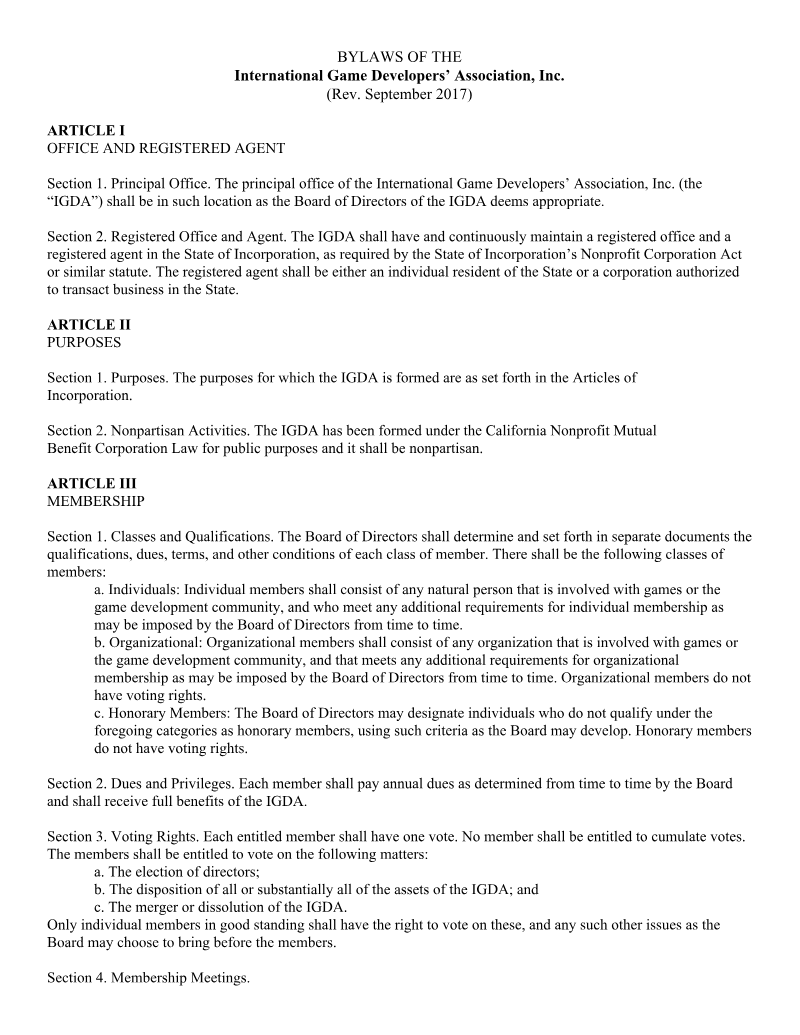
The International Game Developers Association and several partner organizations submitted an amicus curiae brief to the United States Supreme Court in September 2010 to defend the First Amendment protections afforded to video games. This legal intervention specifically addressed a California law that sought to ban the sale or rental of violent video games to minors and required strict labeling systems. The central thesis of the filing asserts that video games are a sophisticated form of creative expression entitled to the same constitutional safeguards as literature, film, and music. By challenging the state’s attempt to categorize interactive violence as a new class of unprotected speech, the organizations aimed to prevent government overreach into artistic content and parental decision-making.
The brief emphasizes that the video game industry already maintains a robust, voluntary rating system through the ESRB, which effectively informs consumers without necessitating state-mandated restrictions. Industry representatives argued that the California statute was based on flawed social science research that failed to prove a causal link between virtual violence and real-world aggression. Furthermore, the legal challenge highlighted the potential for a "chilling effect" on innovation, suggesting that vague definitions of prohibited content would force developers to self-censor to avoid litigation. This defense focused on the North American market during a pivotal period for digital rights, seeking to establish a permanent legal precedent that recognizes the medium's cultural and expressive value.
Ultimately, the collective action by these entertainment organizations underscores the industry's commitment to self-regulation and constitutional consistency. The filing concluded that the government lacks a compelling interest to restrict speech based on its perceived impact on minors when less restrictive means, such as parental controls and existing rating systems, are already in place. By advocating for the reversal of the lower court's decision, the industry sought to ensure that interactive media remains a protected frontier for storytelling and technological advancement, free from content-based discrimination by legislative bodies.