1 free read left. Create a free account for unlimited reading + AI research.
Create free accountArticle Deconstructor of Fun
1 free read left. Create a free account for unlimited reading + AI research.
Create free accountArticleDeconstructor of Fun
Casual game developers are shifting focus from simple portfolio expansion to creating deeper, higher-LTV titles with advanced mechanics.
It's like a store moving from selling many cheap items to fewer, more valuable ones because advertising costs are too high for…
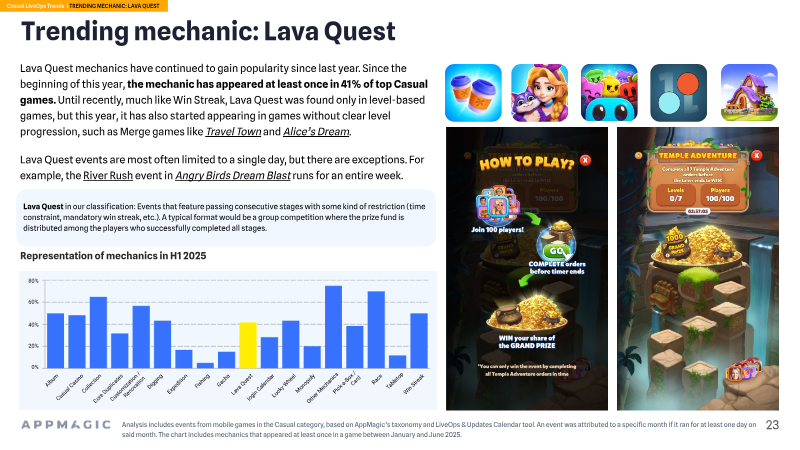
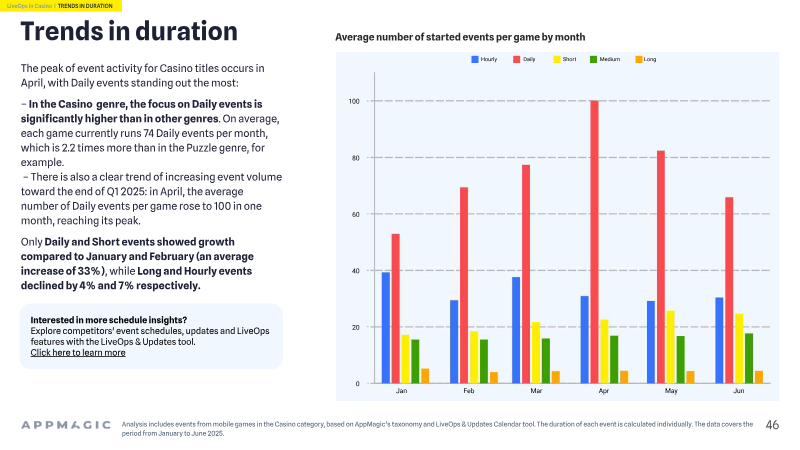
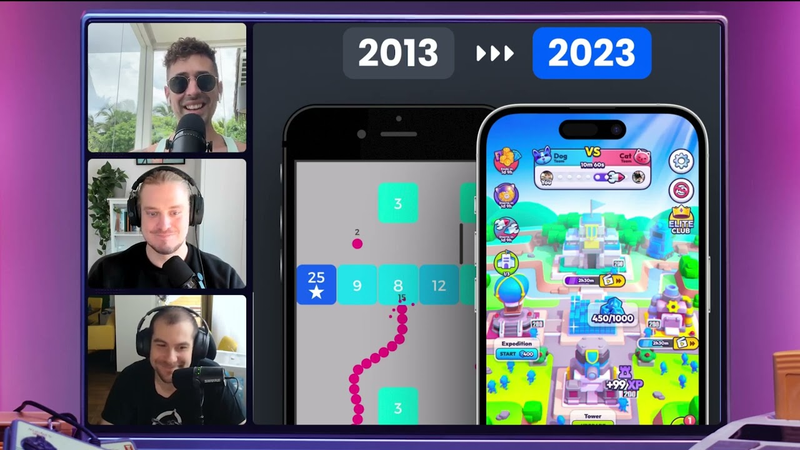
The casual mobile gaming landscape in 2018 is defined by a shift from volume-based growth to a focus on product innovation, deeper engagement, and improved monetization. As rising costs per install (CPI) make traditional user acquisition strategies less sustainable, developers are increasingly prioritizing lifetime value (LTV) through advanced gameplay mechanics and robust live operations. This analysis, supported by Sensor Tower data, highlights a maturing market where revenue growth is decoupling from download volume, signaling that success now depends on retaining existing players rather than simply acquiring new ones.
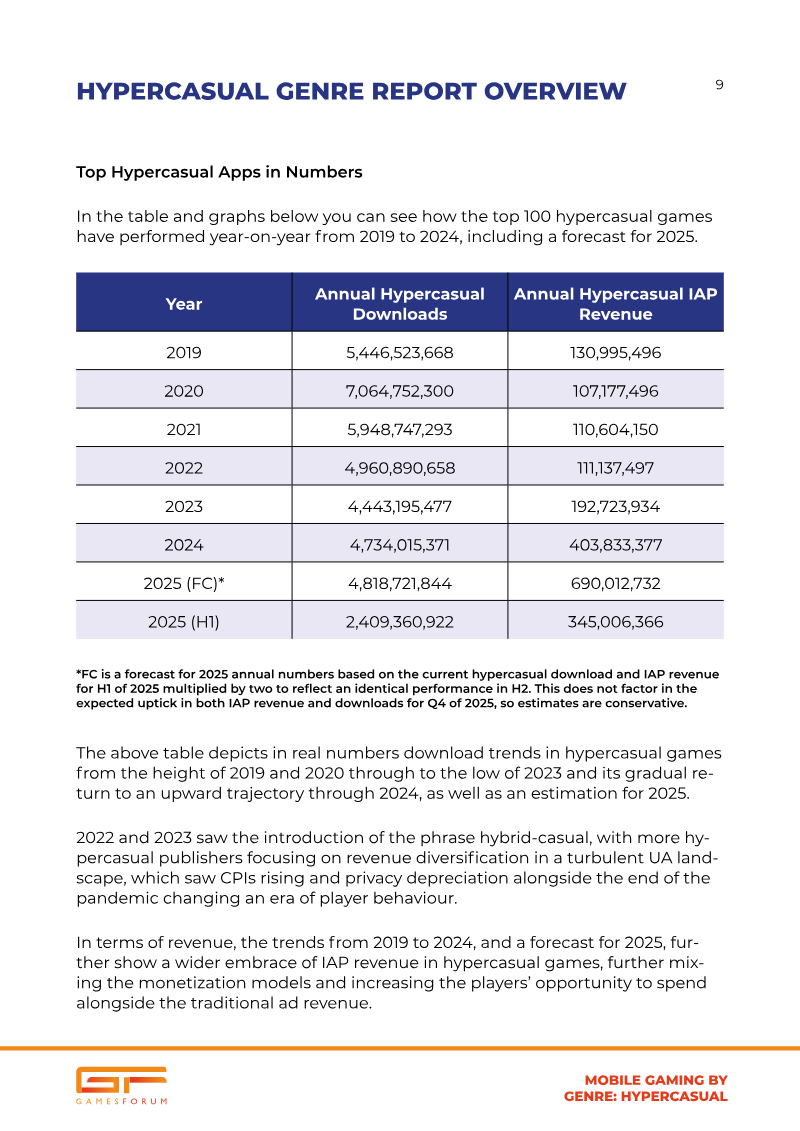
The puzzle genre remains a primary battleground, characterized by a 65% increase in revenue for top publishers despite stagnant download numbers. Playrix has emerged as a dominant force through gameplay innovation, effectively challenging industry incumbents like King. Meanwhile, the hyper-casual segment has experienced a resurgence, offering a high-growth alternative that relies on short, accessible gameplay loops and ad-based monetization. This sector is expected to see further consolidation as top publishers acquire smaller studios to secure talent and scale.
Messenger-based platforms, particularly Facebook Instant, have reached a critical inflection point, evolving from simple gimmicks into viable distribution channels with significant scale. Conversely, the simulation category remains highly stable but stagnant, dominated by long-standing titles that are difficult for new entrants to displace. In the lifestyle segment, Glu has captured a lucrative niche by delivering sophisticated social-game hybrids, though rising competition and the increasing cost of intellectual property partnerships are expected to pressure margins. Overall, the industry is moving toward more complex, long-term engagement models, forcing developers to innovate or risk being marginalized by larger, better-capitalized competitors.

Deconstructor of Fun · 2026

Deconstructor of Fun · 2026

Deconstructor of Fun · 2026

Deconstructor of Fun · 2026

Deconstructor of Fun · 2026

Deconstructor of Fun · 2026

Deconstructor of Fun · 2026

Deconstructor of Fun · 2026

Deconstructor of Fun · 2026

Deconstructor of Fun · 2026

Deconstructor of Fun · 2026

Deconstructor of Fun · 2026
Two & a Half Gamers · 2026