More from Spiel|Formen
View all
Whitepaper
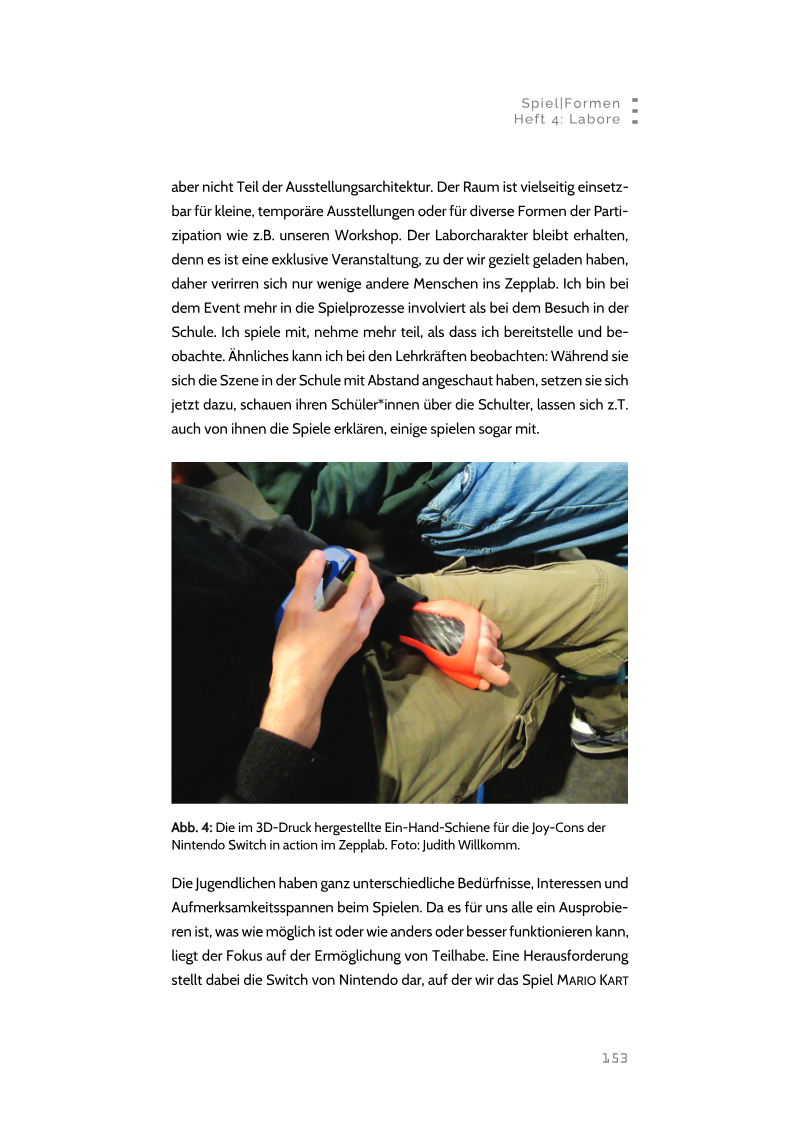
Game | Play | Ability: Ein Laborbericht zu alternativen Spielweisen
Spiel|Formen · 2025
Article
Warum und wozu braucht man 50 Jahre alte Computer?: Retro Computing Lab an der Uni Würzburg
Spiel|Formen · 2025
Report
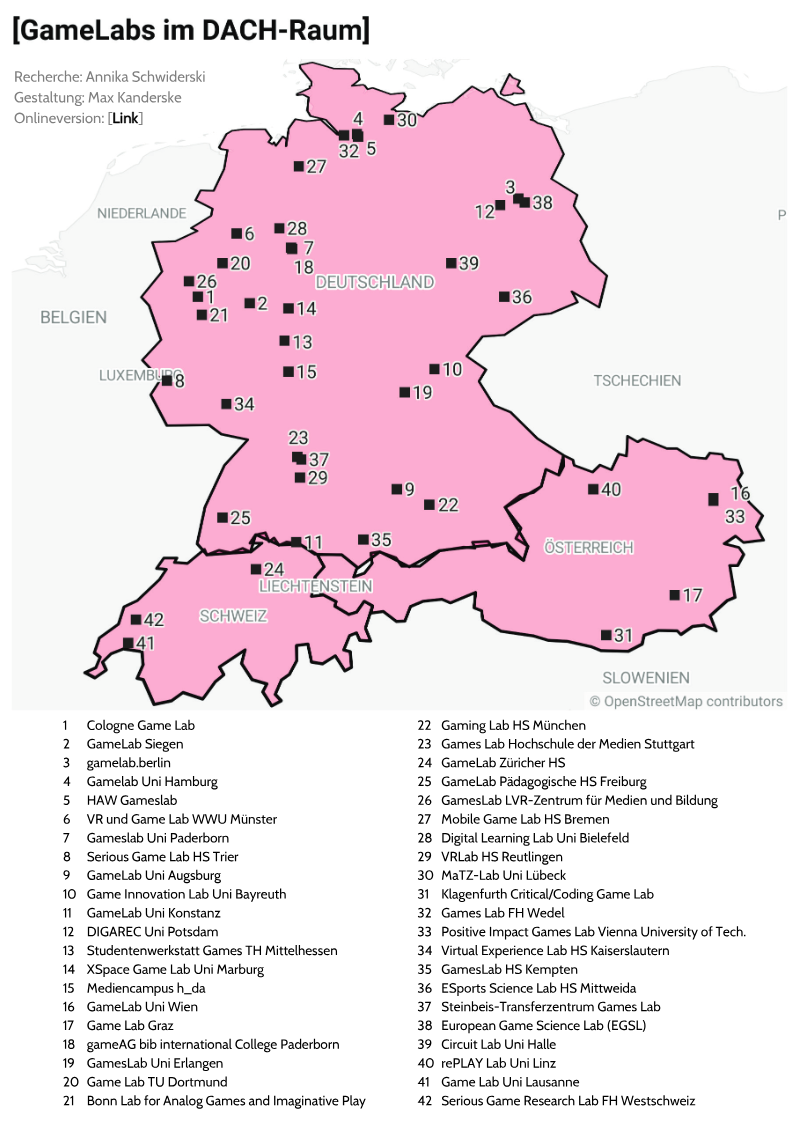
Game Labs im DACH-Raum
Spiel|Formen · 2025
Whitepaper
Digitale Welten, Analoge Verfahren: Ein Praxiskurs zwischen GameLab und Fotolabor
Spiel|Formen · 2025
Whitepaper
Gamelab ohne Hardware: Mittelalterimaginationen spielen
Spiel|Formen · 2025
Whitepaper
Ein experimentelles kulturwissenschaftliches Labor für das analoge imaginative Spiel: Konzept, Aufbau und Praxis des Bonn Lab for Analog Games and Imaginative Play
Spiel|Formen · 2025
Article
GamesLab und VR Lab zwischen studentischer Partizipation und Freelabor
Spiel|Formen · 2025
Whitepaper
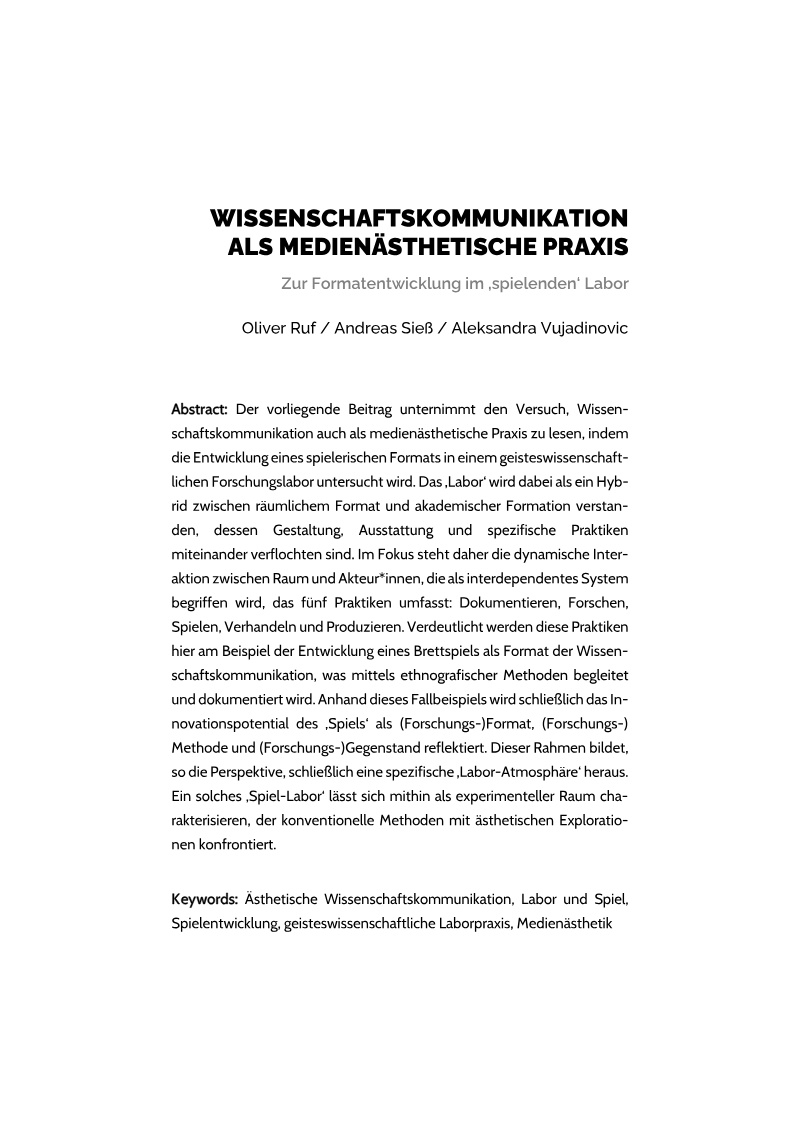
Wissenschaftskommunikation als medienästhetische Praxis: Zur Formatentwicklung im 'spielenden' Labor
Spiel|Formen · 2025
Article
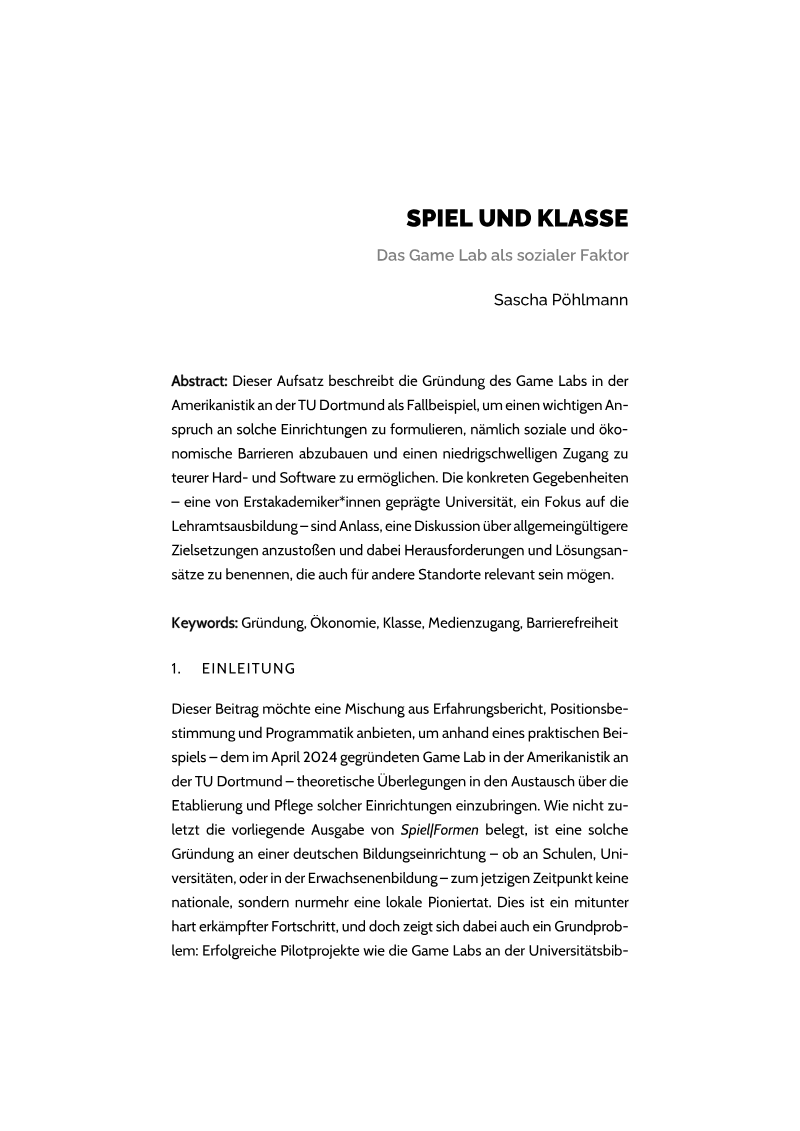
Spiel und Klasse: Das Game Lab als sozialer Faktor
Spiel|Formen · 2025
Article
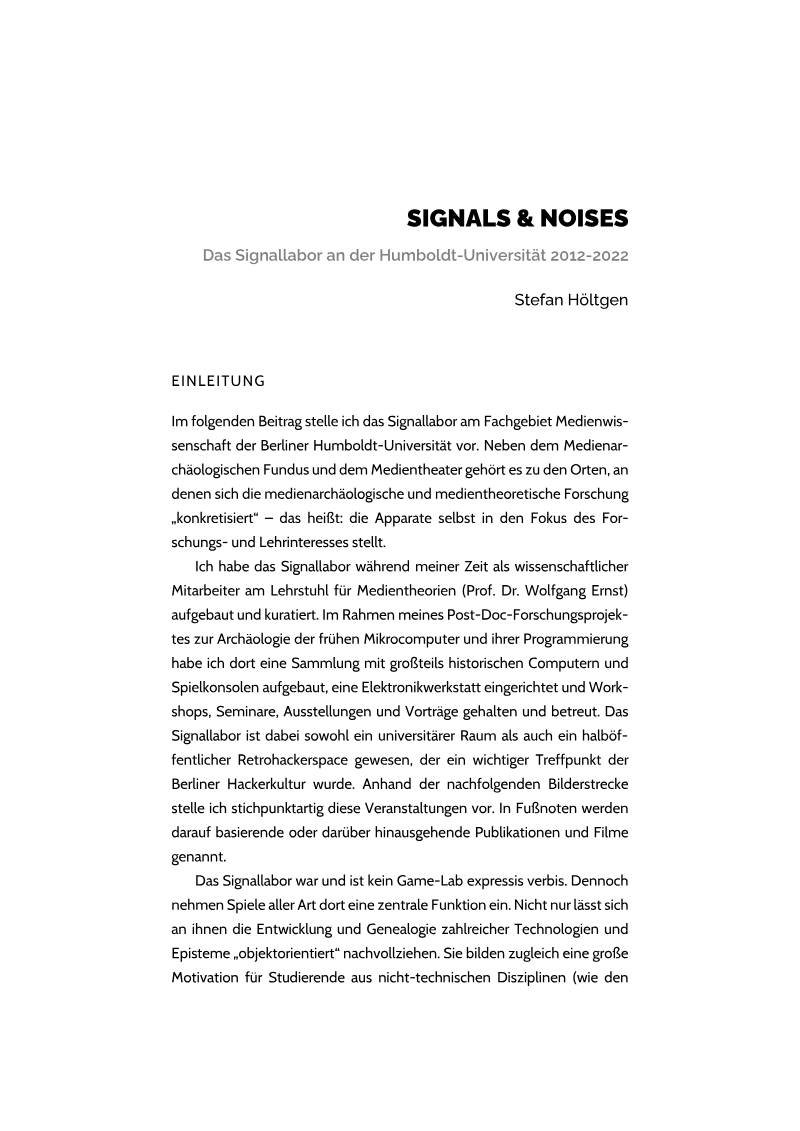
Signals & Noises: Das Signallabor an der Humboldt-Universität 2012-2022
Spiel|Formen · 2025
Article
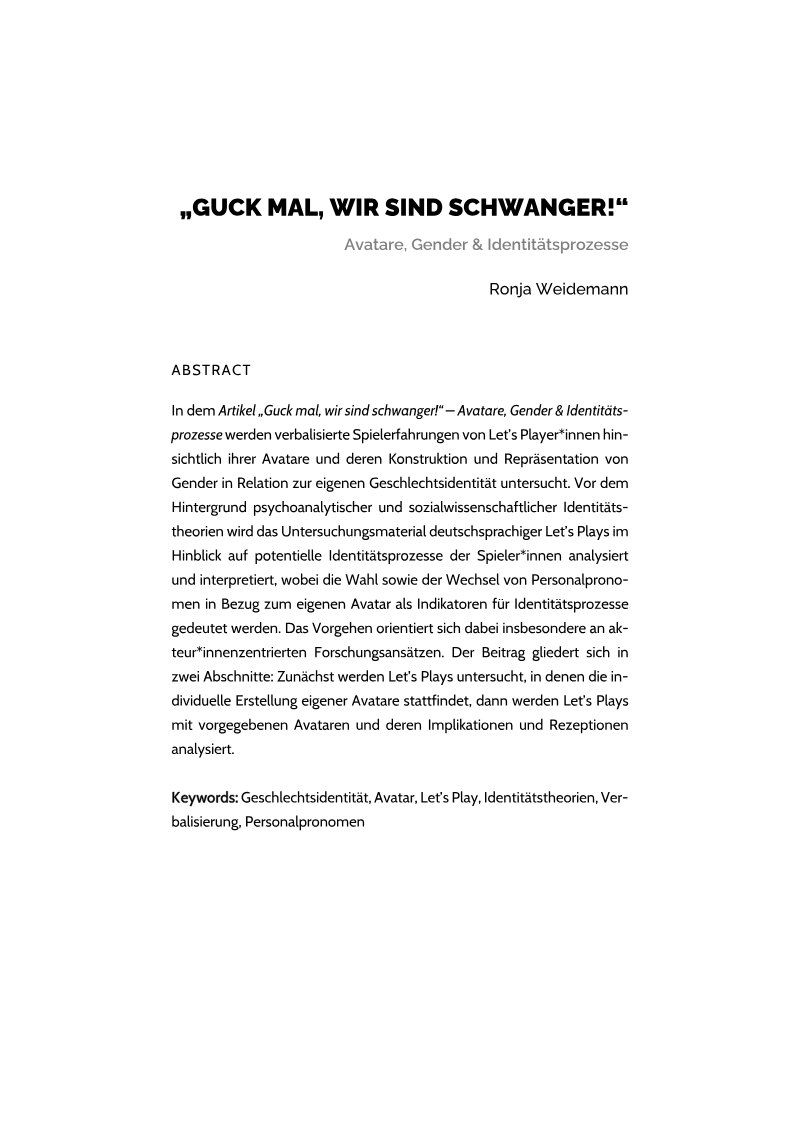
Guck mal, wir sind schwanger! Avatare, Gender & Identitätsprozesse
Spiel|Formen · 2024
Article
Gaming Regional und Fair: Praktische Einblicke in lokale Initiativen als diverse Potenzialträger
Spiel|Formen · 2024