1 free read left. Create a free account for unlimited reading + AI research.
Create free accountWhitepaper DiGRA
1 free read left. Create a free account for unlimited reading + AI research.
Create free accountWhitepaperDiGRA
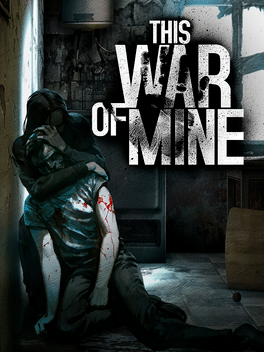
This paper by Elisabeta Toma and Cosima Rughiniș proposes a set of six indicators for systematically examining how feminine characters are represented in historical video games, which the authors argue has received far less critical attention than historical texts and films. The six topics of inquiry cover the relationship between game characters and real historical persons (distinguishing historical, fictive-representative, and purely fictive characters), the proportion of women, the strength of their agency, whether they can be player characters, their age diversity, and other forms of diversity such as personal histories, skills, and personalities. The authors illustrate these indicators through analyses of three games: This War of Mine, a civilian-centered war game set during the Siege of Sarajevo; Valiant Hearts, a WWI commemorative game with only one playable woman, a nurse; and 80 Days, a steampunk reimagining of Jules Verne's novel with numerous fictive female characters across many occupations and ages.
The analysis finds that each game has both strengths and weaknesses in its construction of feminine characters. This War of Mine offers balanced, individualized playable characters of varied ages and backgrounds, though only one woman appears among its civilian cast in a balanced way with men. Valiant Hearts uses few women but sketches them as recognizable historical types tied to wartime employment such as factory work and nursing, supported by embedded historical information. 80 Days shows the greatest variety of women in fictive roles, including stereotypically masculine occupations, but contains relatively few real historical women. The authors conclude that considerable room for improvement remains, and that future designs should weigh multiple indicators rather than focusing solely on the number or strength of characters.
Each row is a game or company this document names, each column a document, oldest first. A mark means that document names it. Select a row to see those documents.
DiGRA · 2019
DiGRA · 2019
DiGRA · 2019
DiGRA · 2019
DiGRA · 2019
DiGRA · 2019
DiGRA · 2019
DiGRA · 2019
DiGRA · 2019
DiGRA · 2019
DiGRA · 2019
DiGRA · 2019