1 free read left. Create a free account for unlimited reading + AI research.
Create free accountWhitepaper DiGRA
1 free read left. Create a free account for unlimited reading + AI research.
Create free accountWhitepaperDiGRA
Gareth Schott's analysis examines how video games have typically handled death, most often as a punitive game mechanic such as the screen-death "game over," which arguably trivializes the irreversibility of mortality and bereavement. Through the lens of That Dragon, Cancer (2016), the paper argues that games can engage death with seriousness by grounding it in lived experience rather than treating it as a consequence of failure. The work situates this argument within broader Western shifts in how death has been sequestered, medicalized, and commodified, drawing on historical and sociological scholarship. Its central thesis is that non-entertainment treatments of death offer a meaningful alternative to the medium's conventional use of mortality as a mechanic.
The analysis finds that Silent Hill: Shattered Memories and That Dragon, Cancer both depart from standard game design by removing combat, game-over states, and win conditions in favor of exploration and reflection. That Dragon, Cancer, an autobiographical game of roughly two hours depicting the Green family's loss of their five-year-old son Joel to cancer, relies on abstraction, shifting player perspectives, and the absence of a win state to convey medical helplessness and grief. Drawing on concepts of social death and the changing Western approach to controlled, personal endings, the work argues that the game's design communicates the experience of loss in ways conventional mechanics cannot. Critical reception, in which reviewers found the game resistant to conventional scoring, is presented as evidence that it expands what games can communicate.
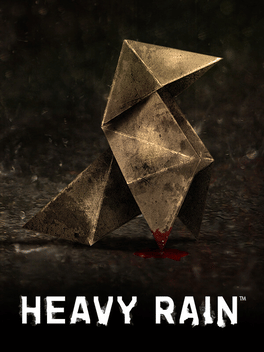
The scope centers on Western, particularly Anglophone, contexts and on digital games released in the mid-2010s, with a focus on a small set of titles that experiment with minimizing or reframing death. The supporting bibliography spans scholarship on mortality, media ethics, war imagery, the public role of news coverage of death, and moral ambiguity in games such as Heavy Rain, and it situates the reviewed game within contemporary journalistic and critical discourse. Taken together, the work offers a focused case for treating death in games as a subject of serious reflection rather than a tool of challenge.
Each row is a game or company this document names, each column a document, oldest first. A mark means that document names it. Select a row to see those documents.
DiGRA · 2018
DiGRA · 2018
DiGRA · 2018
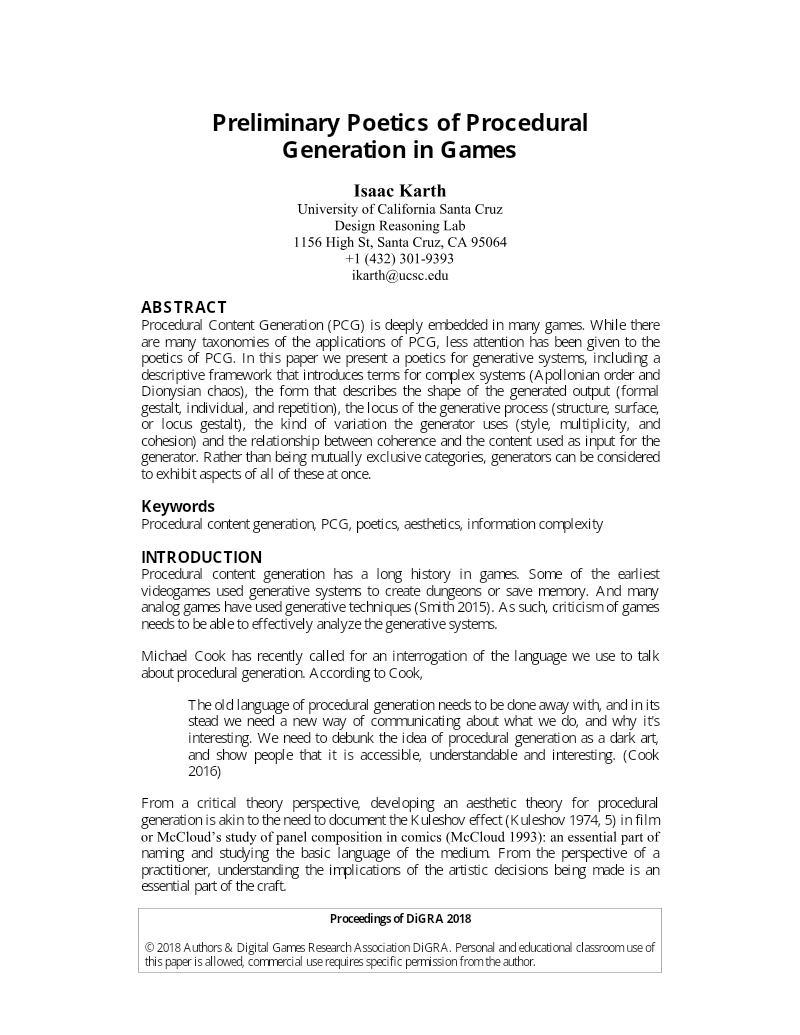
DiGRA · 2018
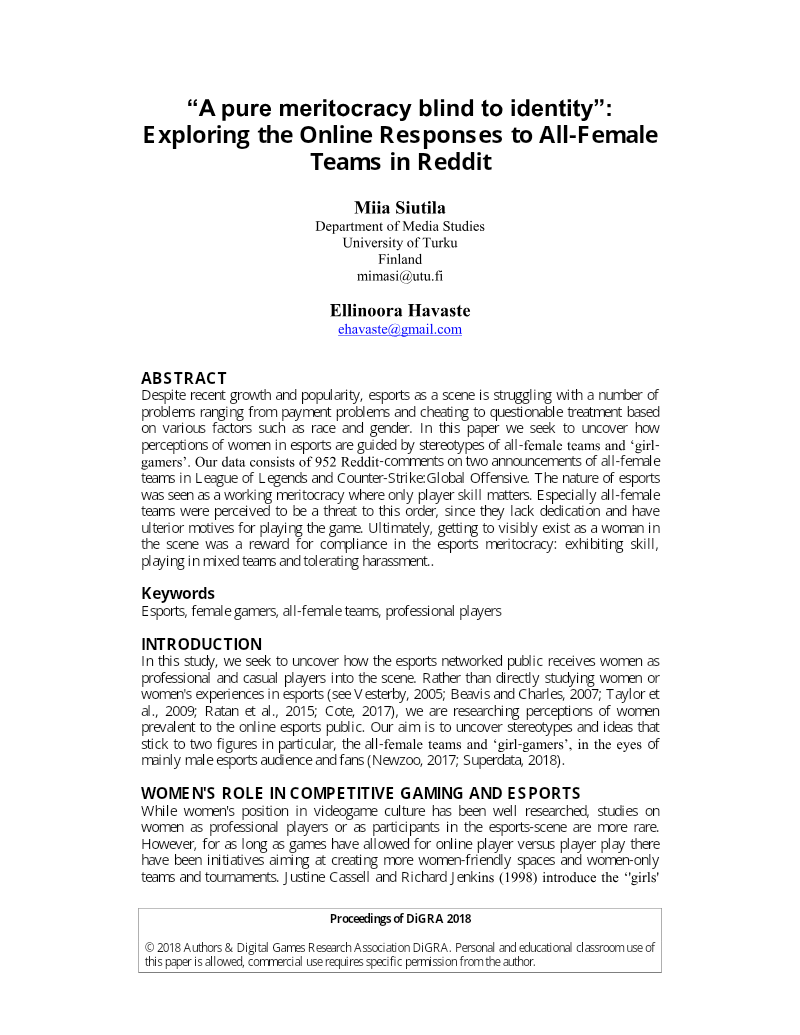
DiGRA · 2018
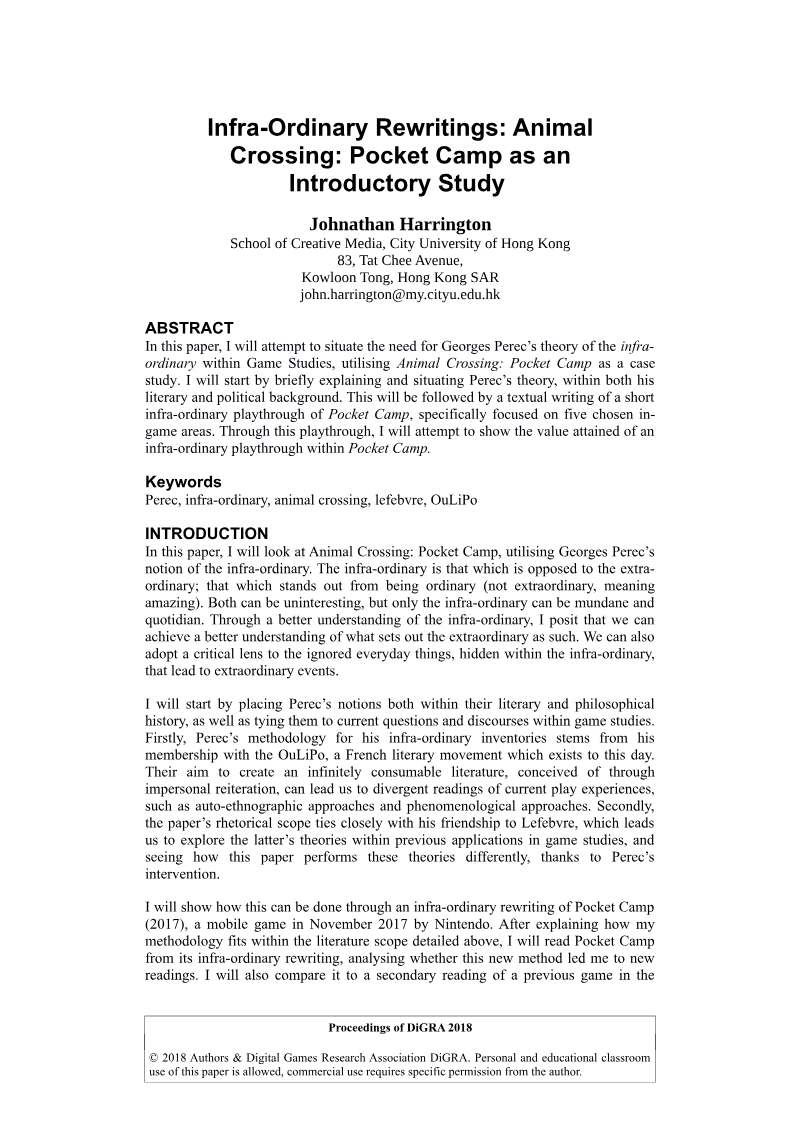
DiGRA · 2018
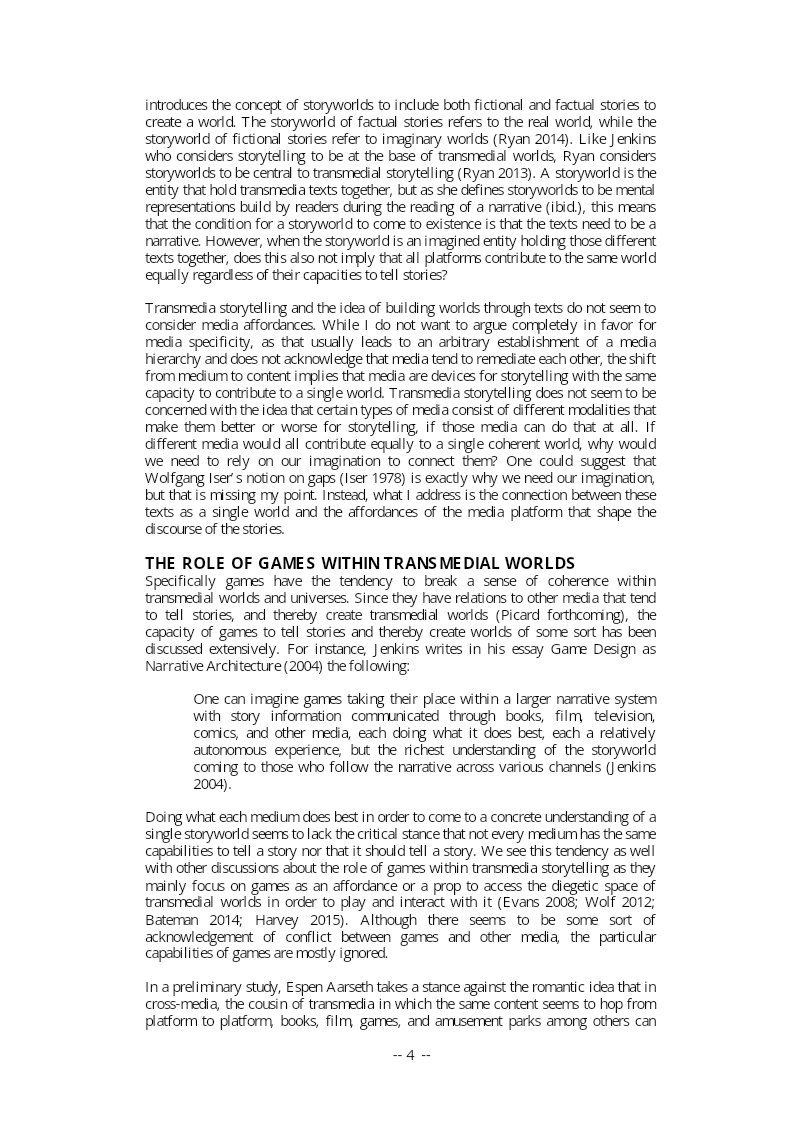
DiGRA · 2018
DiGRA · 2018
DiGRA · 2018
DiGRA · 2018
DiGRA · 2018
DiGRA · 2018
Extra Credits · 2015