1 free read left. Create a free account for unlimited reading + AI research.
Create free accountWhitepaper International Journal of Serious Games
1 free read left. Create a free account for unlimited reading + AI research.
Create free accountWhitepaperInternational Journal of Serious Games
There is a strong, statistically significant correlation between a student’s enjoyment of the game and their perception of having learned about property investment.
Like a captivating story making a lesson stick, enjoyment makes learning feel more effective.
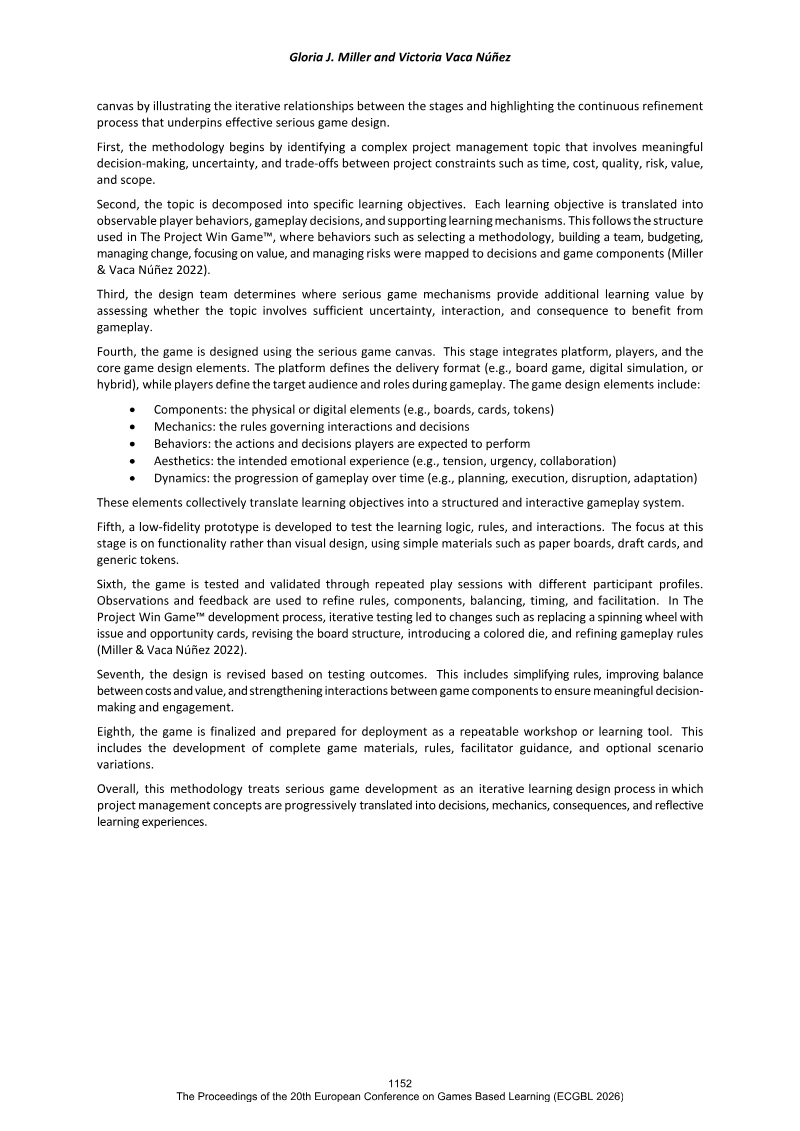
This research examines the relationship between gameplay achievement, student enjoyment, and the perceived effectiveness of learning within the context of serious games. The study focuses on "Playing Property," an audience response game designed to teach property investment principles to junior high school students aged 13 to 15. The analysis draws on data collected from 14 workshops conducted over three consecutive years, involving a total of 341 participants. Methodology involved tracking accumulated game scores as a metric for achievement, followed by post-game surveys that utilized a four-point Likert scale to measure student feedback regarding enjoyment and perceived learning gains.
Key findings indicate a strong, statistically significant association between a student’s enjoyment of the game and their perception of having learned about property investment. While a positive correlation exists between game achievement and enjoyment, the relationship is notably weaker. Furthermore, the data reveals no statistically significant link between final point scores and the perception of learning. These results suggest that while competitive elements and point-based rewards are common in serious games, they may be less effective at driving educational outcomes than other interactive play attributes.
The study concludes that serious games can successfully engage students and foster a positive perception of learning, but cautions against an over-reliance on rigid, point-based structures. The author suggests that future research should move beyond simple achievement metrics and incorporate more robust assessment tools, such as reflective journals and staged testing, to better evaluate the depth and durability of knowledge gained through play. By shifting focus from extrinsic rewards to intrinsic motivators, educators may more effectively align serious game design with constructive learning objectives.
International Journal of Serious Games · 2023
International Journal of Serious Games · 2022

International Journal of Serious Games · 2020

International Journal of Serious Games · 2020

International Journal of Serious Games · 2020
International Journal of Serious Games · 2020
International Journal of Serious Games · 2020
International Journal of Serious Games · 2020
International Journal of Serious Games · 2020



International Journal of Serious Games · 2020

International Journal of Serious Games · 2020
Air Force Institute of Technology · 2020
European Conference on Games Based Learning (ECGBL) · 2026