1 free read left. Create a free account for unlimited reading + AI research.
Create free accountWhitepaper DiGRA
1 free read left. Create a free account for unlimited reading + AI research.
Create free accountWhitepaperDiGRA
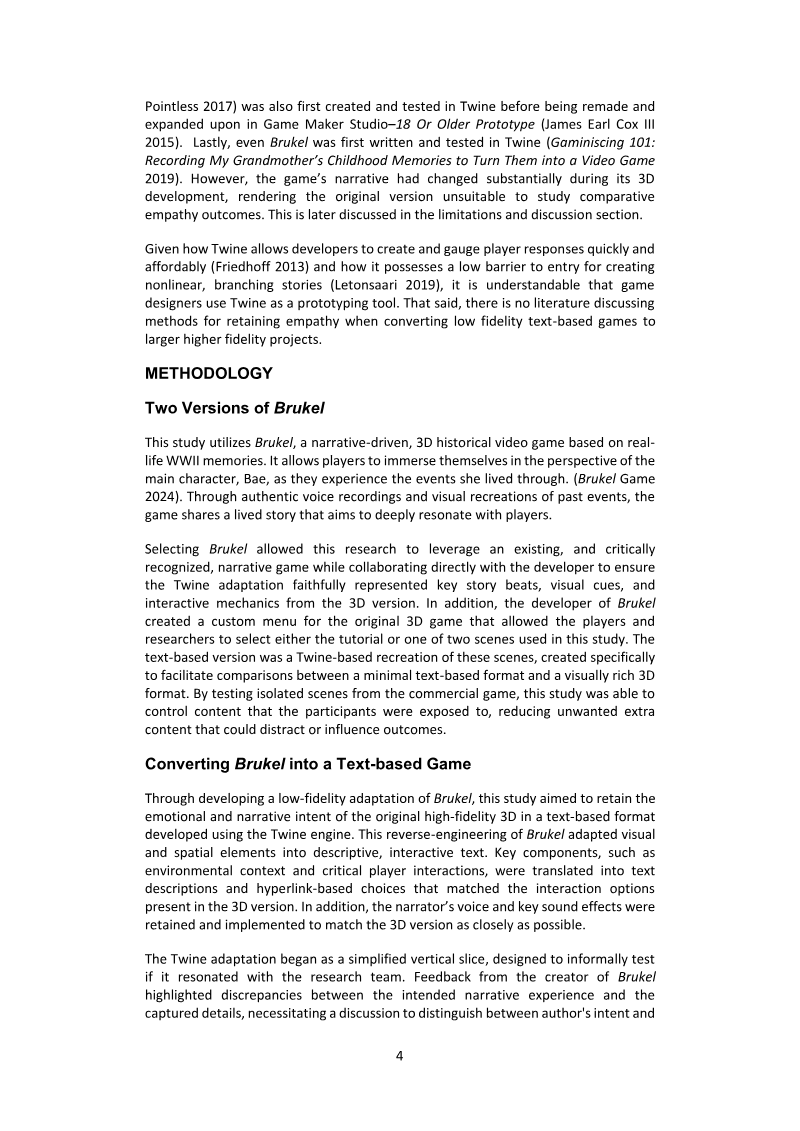
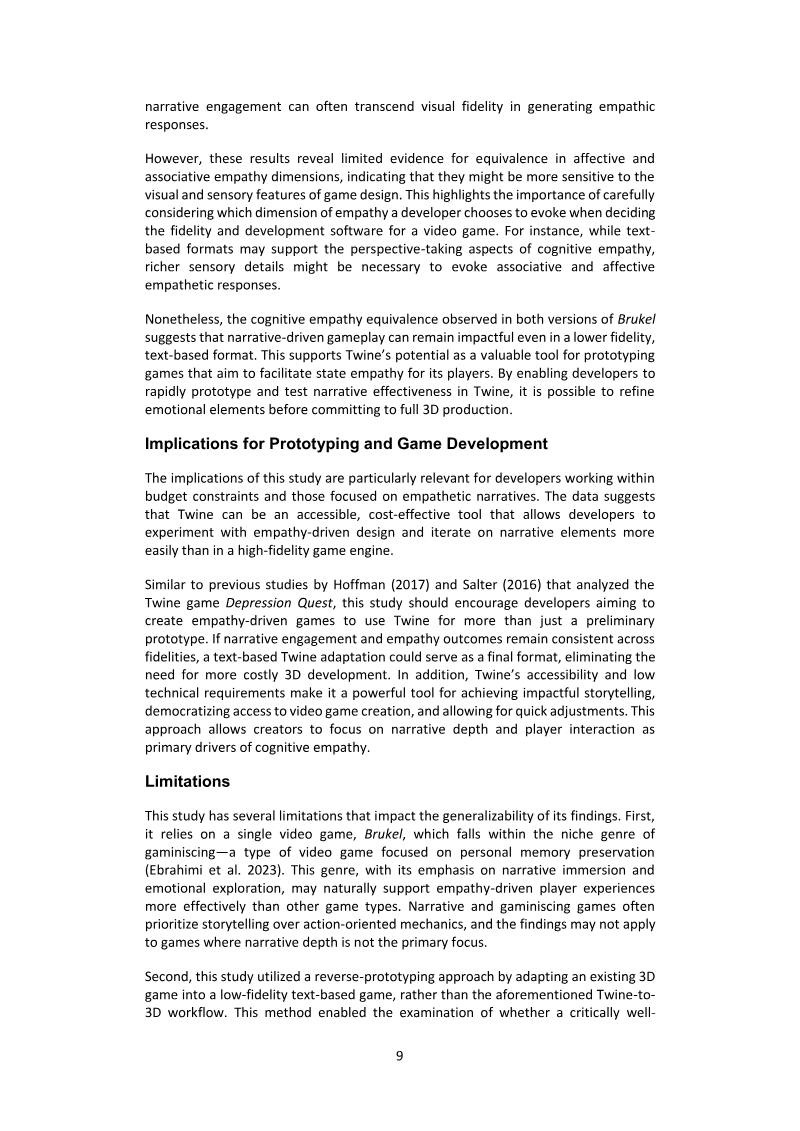
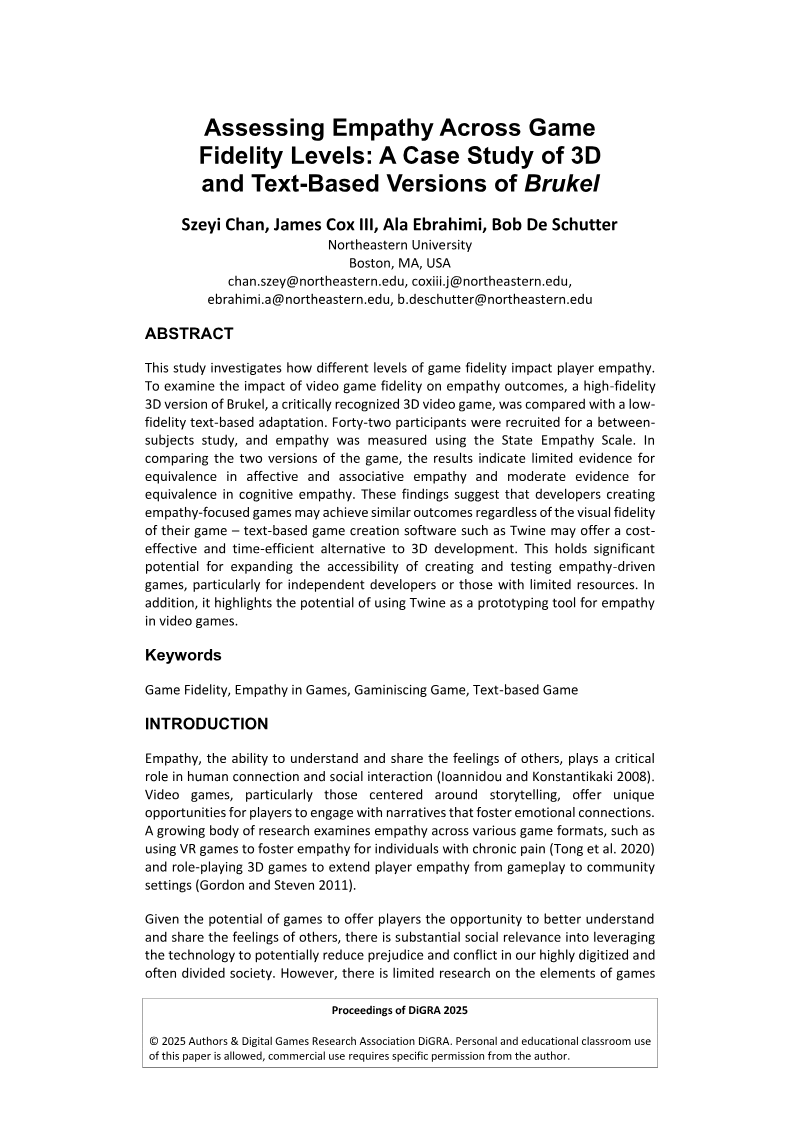
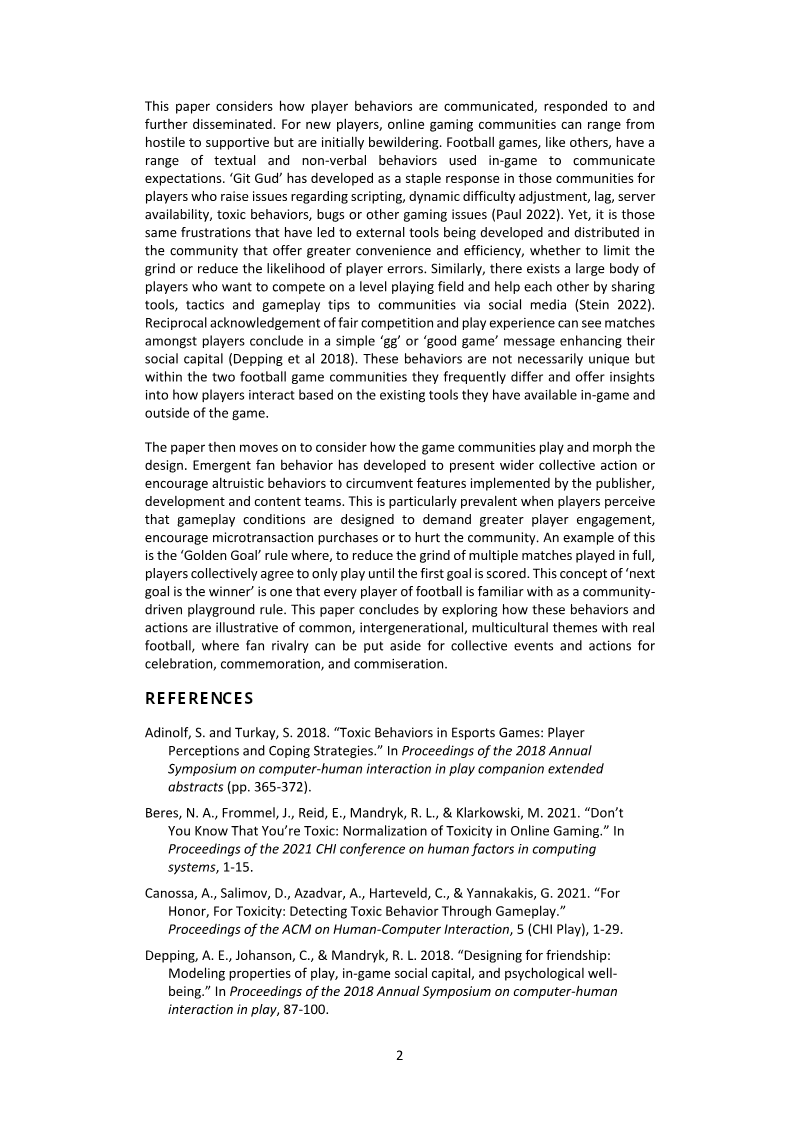
Dr Iain Donald's study examines how the FIFA series, later renamed EA Sports FC, manages and presents its game data, and what this means for claims of authenticity. The paper argues that these football simulation games function as historical artifacts, or "playable archives," that both reproduce and reshape the real structures, players, clubs, and history of association football. Its central thesis is that authenticity in the franchise is not a fixed quality but a shifting construction that varies across game modes and is increasingly mixed with fantasy elements.
The analysis finds that the series has long relied on a thirty-year history, extensive licensing agreements, and real-world data to present itself as an authentic depiction of the sport. Each annual release functions as a snapshot of leagues, clubs, players, ex-players, and stadiums at the time of publication, with core modes such as Kick-Off and Pro Teams remaining closely tied to reality. In the Ultimate Team mode, authenticity is largely delivered through "inform" cards that reward players for strong real-world performances, a mechanism the community broadly accepts as a reflection of actual form even when debating the accuracy of individual statistics. Over time, however, promotional cards with out-of-position or game-changing attributes have introduced more fantasy, and the end of the licensing arrangement with FIFA prompted further departures, most notably the inclusion of female and male players within the same Ultimate Team squads.
The study draws on a mixed methodology combining game design frameworks such as MDA and DDE with close reading of gameplay and paratextual materials. The author played and analyzed multiple iterations of the series alongside marketing and press coverage, situating the work within Historical Games Studies and building on concepts such as "selective authenticity." The scope spans the franchise from roughly FIFA 11 through EA Sports FC 24, with particular attention to the 2022 licensing split and its mainstream press reception. The paper concludes that the franchise now exists in a paradoxical state, where its data is simultaneously historical and ahistorical, and where the "authentic" game differs by mode while continually reshaping the sport's history.
Each row is a game or company this document names, each column a document, oldest first. A mark means that document names it. Select a row to see those documents.

DiGRA · 2026

DiGRA · 2026



DiGRA · 2026



DiGRA · 2026



DiGRA · 2026



DiGRA · 2026



DiGRA · 2026



DiGRA · 2026

DiGRA · 2026



DiGRA · 2026



DiGRA · 2026

DiGRA · 2026