Comics to Games: Great Adaptations
11 Nov 202460 min video
Transcript
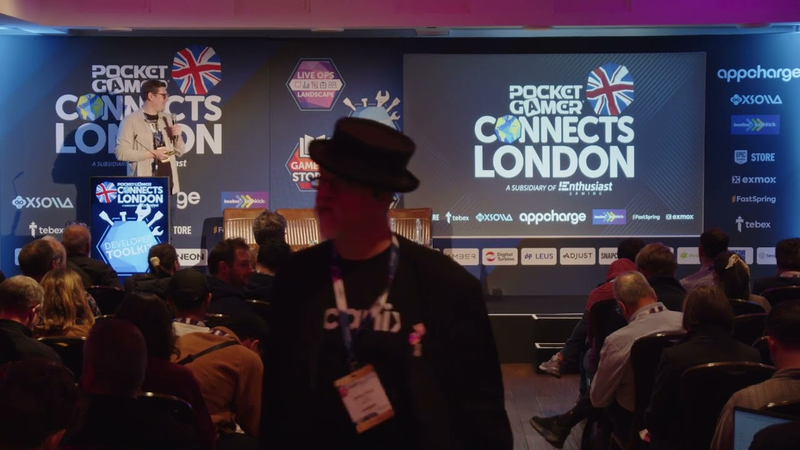
[Music] we uh have some amazing speakers on this panel this morning um oh I got to set my counter so we're going to tie together comics and games whether that's working for a better known IP and all the negotiations that entails uh myself and Mike Rogers uh are going to cover both the right and publisher sides of that and then we have Evan narcis and Kim bolair speaking about the finer points of the craft and then finally sunm is going to show us how to take charge of our own IP uh across both comics and games so it can grow in both mediums and I feel like that's the talk I I need to hear the most so to get things rolling I'll start things off with everything
uh I think you need to know for a successful comic book adaptation when it isn't your IP uh at least as much as I can tell you in uh roughly eight minutes if I speak as fast as I can uh so my name is Jill Murray and I've been in games since 2011 uh on everything from Triple A to Indies and most often I've been in narrative roles on things like shadow of the Tomb Raider uh subnotica below zero and Assassin's Creed Liberation and freedom crime so I've adapted a lot of Ip and most often I've adapted myself to it and most recently I was creative director and narrative director for invincible presents Adam Eve which is based on the comic books by Robert Kirkman Corey Walker and Ryan Atley and is now a series on Amazon Prime
so much like comic book writers and artists often are I was a gun for hire on these uh on this project contracted by skybound games who placed me with a studio terrible posture games and then once the game wrapped up we all went in our merry ways the game is an episodic visual novel with animated comic book panels turn-based combat and an RPG system and you play as Adam Eve a powerful young superhero who can transform matter with her mind but who struggles in her personal life I was not already a fan of invincible when I was hired to work on this game and I'm not usually a fan of anything I work on before I work on it which may sound strange but have you noticed how many IPS there are and how long it takes to make a game and how suddenly game devs can get laid
off I I had a joke here about how having the same taste as your boss isn't actually a skill but I think that what this talk is really about is that even if you are a fan of the IP that you're working on I want you to notice the skill involved in adapting it because it involves analysis and curiosity so we train writers who can figure out how the franchise and characters work and how the fans connect to it um and we need creativity and collaboration so we look for writers who can work with the team and also figure out how to transform their own voices into the voice of the IP and finally synthesis we developed the advanced skill of putting it all together to find new opportunities in what might be already well-known
material so once hired I need to find out all the basics budget and scope who's going to make it the definition of roles and chain of command uh Tech resources and tools who approves things and how um if you work all the time in one Studio this might seem obvious but like if you're working as a a consultant this can change radically from Studio to studio so once I know who I'm working with I can dive into the IP on Adam Eve I had three volumes of comics a special issue for the character a season of show to watch and scripts to read and then we also had fan wikis which are kind of a Lifeline because they're indexed uh even if they're not always 100% reliable I got out my sticky notes I marked adom of scenes and I made lists for anything listable Powers limitations Heroes villains locations sound effects Etc
now the show and the comics use a lot of the same story beats but not in the same order and our game had to go deeper into the emotional side of the characters add Choice and then also show story moments that the audience hadn't already seen so I cross referenced every story beat individually by location and character um and this extreme pedantic level of detail worked very well for us uh on an IP with so many moving parts but IP knowledge on its own is just a bunch of facts it has to resonate with someone to matter uh so the next thing I always want to understand is who is the game for because if it's an established franchise it already has fans and built-in fans have built-in expectations however the publisher probably also wants the game to bring new fans to the IP so then the game
needs to be classic and fresh at the same time I cannot tell you how many times I've heard this it is like every project um I'm going to have to say something potentially uncomfortable here because I know we don't always have a choice but I think you need to do your own gut check on whether you're on board with what's being asked of you because if you're credited as writer the fans are going to connect the new and fresh thing and the classic thing with you and it's going to follow you through your career the only way I know of to manage the risk of that and plan for success is to Define exactly who your audience is and make that person happy so for invincible presents adamy we were all in agreement thank goodness that our number one target player was people who had seen the Amazon series
uh they probably played games sometimes or even pretty often but didn't necessarily identify as Gamers um so they would be in it for the experience super interested in character and story uh they liked action they liked some challenge but they weren't probably looking for a punishing skill test um so this became our Guiding Light and allowed us the freedom to use all of our game systems combat and RPG as much as the visual novel to tell a good story it could be really easy to lose yourself in all of this uh but if you don't bring your own heart and point of view to adapting the IP it's probably going to feel like something is missing uh so even though I said before that I didn't start out a fan of invincible I did find my own connection to the characters and the project so in particular I found a lot to relate to in adem's frustrations as a character hiding her best skills facing pressure to disown her true nature and risking alienation anytime
she uses her powers knowing what I cared about helped me talk to the IP holder Mike is going to have a lot more to say about that relationship between writer and IP but I do want to mention that if you have amassed all of this knowledge and the skills and are doing the work everything should be a discussion it could be so tempting to just want to please your holder by doing everything they ask but that's not actually why they need you sometimes the best thing you can do is let them know why you see things differently or what you're not able to do so that you can look for New Opportunities together I'm getting towards the end of my talk now uh so I keep wanting to use the word finally on this slide uh but of course this isn't really final it's iterative so the last type of knowledge I'm always hoping to collect comes from play testing and
QA so you need to play test the game with different groups of people but especially those who corespond to your target audience and I know that sounds painfully obvious at GDC where we spend all day every day talking about best practices uh but somehow it's always less obvious under time and budget pressure uh when people need you to get things done and uh time is slipping away but understanding how your work lands and whether it's actually doing the things you set out to make it do and hitting the targets you intended will give your project a much greater chance of success so thank you very much for listening good luck in all your projects and like uh Adam's friends don't forget to look up I will leave you now in Evan's capable hands thank you
uh good morning everybody thanks for coming out um that was amazing what Jill just said I uh I guess I'll start by introducing myself my name is Evan narciss I'm a recovering game journalist um who was transitioned into Comics um writing comics and games uh uh this is the title of my talk um yeah who the hell am I that's not loading is there's a little old CV reel of uh my projects but I've done stuff like right rise of the Black Panther for Marvel Comics um uh the history of the Black Panthers backup series and the W condom Min series um I've written a Gotham Knights guilded City a prequel to the Gotham Knights game for DC I've written um static uh Anan team up uh uh featuring the characters the Milo media imprint um if you don't know about Milo media you should look them up um so the subject of my talk is going to be slide is not advancing
so yeah okay so um I'm going to be talking about uh the kind of uh craft similarities between working in comics and games you know in terms of processes comics and games are similar in that both forms ask creators with new skills to collaborate both forms have particular idiosyncrasies that make them tricky to learn and master and both of them happen on assembly lines with different disciplines coming together to create uh complete entertainment experience comic books demand that creators play with the presentation of chronology and storytelling progression in specific ways um one thing I always like to say is that in comics you can't describe a full motion you can't say that Superman looks up at the sky sees the giant meteor and and flies off to smash it Comics cannot um articulate motion what you have to do in comics is freeze moments in time so you've either got to break up an action into uh its component parts or you got to pick one component part and kind of uh intimate
between panels what happens as as the scene progresses so um you know in video games it's almost the opposite right the storytelling progression happens at the player's pace and they give players narrative agency that other storytelling forms don't so one of the rules I've learned about working in these two different media which are vastly different in what they do and how they do it but one of the things I've learned is um people don't always want to read everything you write um you know uh brevity is a soul of wit I think that's a Shakespeare quote and it's very much true in these two different mediums um even though they can be really far away from Shakespeare but uh you know when I was first learning to uh write Comics I loaded up the page with too many panels per page and too many um word balloons per page uh the editors who assigned me my first work gave me a rule of thumb six panels to a page and sent me back to redo that script what I learned from that moment was that too many panels on a page um
that isn't designed for them can look like just so many thumbnails you won't get the room to focus on facial expressions body language or even action um in video games writers and narrative designers also face a number of unique considerations for example you might be working with a main character doesn't have spoken dialogue and only expresses themselves through grunts emotes or display text you always have to be thinking about the fact that the player isn't necessarily there to interact with your words one of my worst experiences in this regard is back when I was a games journalist and and um I was the CEO of the outlet that I was working for was playing uh Batman Arkham Asylum and I kept clicking through all the cut scenes I'm like this is a juice what are you doing and um uh he's like I don't care I just want to beat people up I'm like but his parents um so uh yeah you know players aren't always going to be there to like do the thing that we most deeply associate with as writers which is like they're not going to be there to be to hear your sentence craft they're not going to be necessarily there to like okay wow this guy's really articulate they're going be
like okay no what do I need to do next where do I need to go so um in closing on that beat you really can't be precious about dialogues and sequences you always have to be thinking about scope with regard to other disciplines you know as a senior writer I can write you know uh a mission brief that feels tight and uh uh executable but you hand it to a level designer or um an art designer and they're like yeah no we can't do this so you always have to think about the cross-discipline work of making this Story come to life you know asking an artist to draw too many panels in a page is kind of like asking a level designer to drop dozens of points of interest in a mission you just slogging things down let's get to the juice and sometime people might skip it um so like I said you know both comics and games are multidisciplinary so um what do you have to do when you're working with people across disciplines you got to collaborate um you know in comics when you're lucky you can sync up with an artist on an assignment and figure out what they like to draw what are their strengths and
that's not always the same thing what they like to draw and their strength maybe two different things and then there's what the story needs um the same goes for level designers and other disciplinary uh craft folk in video games what are their design goals what are their capabilities how can you approach as a writer narative designer amplify those goals and capabilities but also you know uh narrative tends to be seen as support for mechanics in video games as a writer you should always approach your work with your own design goals for me it's always reaching for a fuller manifestation of black Humanity in all its complexities this uh transitions to my work that's a little bit uh of my process on this one Milestone project that's script that's the initial layouts and then that's a final page you won't be able to see it but the script page actually calls for six panels and when I gave it to the artist the artist came back with eight so they actually made the choice to break up the action further and you don't have final call on that as a writer that's you know what winds up executing on the page
artistically is always an artist Hand so you have to be flexible and in this case it turned out much better but um you know sometimes you just have to be like okay the process is inherently collaborative that's one thing I always remember so moving on to my work um Miles Morales um when I uh was asked to pitch a quest line um for the game um I was given these clear goals uh feature at least one Marvel character build miles's attachment to Harlem take take the player outside of Harlem um with that guidance I was able to tap into my lifelong knowledge of the Marvel Universe and folden Easter eggs that gesture that other elements from Marvel Comics um did we is that one oh yeah this is one of them um this uh these are tickets for a concert that Miles and um his best friend Finn went to when they were younger featuring Allison Blair who if you know marvel is also the ex- menu known as dazzler she's not in the game you don't see her but like hey this is like okay we know why you're here like Jill was saying before you're here to
experience uh this story but also um the reservoir of energy that that that story Springs from so um when uh I worked on the Time Capsule missions Time Capsule and neighborhood quest lines uh I used the neighborhood quest lines both of them the time hack capsule and neighborhood quest lines to uh build miles's attachment to uh his new home of Harlem in the game miles moves from Brooklyn to Harlem and he feels kind of out of place in his new neighborhood so those quest lines have clear mechanical goals of sending across the city like the prompt but also like hey the stuff he picks up the people he talks to in the course of the mission makes him feel more bonded to his neighborhood of Harlem I also call in my own lived experience of figuring out where I fit in another kind of Blackness different than the one my parents came from I'm a ha a child of Haitian immigrants so acculturating to Black americanness was something that my mom didn't wasn't always able to make sense of I use that life experience to parallel miles's experience of moving to
another neighborhood and figing out how he fit in just as he's kind of coming on his own um in own expression of the Spider-Man mantle um and a little bit more of my work on the game was focusing on how do we represent miles metaphorically as a character who symbolically has generated a whole lot of power and attachment from a new generation of fans um you know I focus a lot of on theme in my work because most of that work happens in commercial context because of that I try to home in on a sense of purpose for each project other than the need to make money why does this need to exist who can it reach um the text up there is an excerpt from an interview I did with uh the New York Times where I talk about how I suggested a specific visual moment that will tie back to our themes um this is after a pivotal fight on the bridge um early in the game and you know one of my directions or suggestions was like let's have miles of Skin showing through the costume um at this point a box a bunch of uh corporate rock on goons have their guns drawn on him he's saying I
didn't do anything everything that happened was kind of an accident um so I thought that the SK the the choice to show mil skin through a costume would kind of charge the scene with metaphorical power but also from a storytelling perspective from story logic if you're in a city where Spiderman is fighting a guy an old guy with vulture Wings in the city you like well if there's a new Spider-Man it could be his son little brother a clone this Choice lets you know this is not the same Spider-Man and then we have some other mechanical decision decisions um under the hood excuse me that you know different banks of dialogue would fire in Harlem from the people who lived up there CU like hey he could be one of us let's respond to him in a certain way um you know uh so even while the actual scripting of these scenes was left to the other people at Insomniac who I loved working with um it was my job as an outside consultant to make sure the uh game's themes weave through different disciplines so you know when I would go to Insomniac and work on this game I
wasn't only talking to the narrative uh Division I was also talking to people in art um and uh level design because knowing how the whole thing works holistically gives you the tools to weave the themes and the storytelling um goals throughout different parts of the game um so uh that's everything I have to say um you can reach me here um and I will now leave you in the capable talented hands of Kim berair hello uh I'm kimer I'm the CEO of Sweet Baby Inc uh we're a narrative development company working across a lot of different games um in terms of my own experience I've worked on probably about 40 to 60 projects um and a lot of them have been in IP a lot of been have been holding a lot of Canon and so that's what I'm talking about today it's uh my work on Spider-Man 2 specifically uh and
Canon and how it influences creativity because I think as anyone especially on this panel is well aware of the Canon is is a huge facet of what people understand and to that point um I want to Define canon here as it's a collective truth right Canon is what other stories have existed what has been in the past but beyond that it's also like a cultural understanding of what it is and for me that's almost more relevant right A lot of the time it's not what is it's not having to read every single issue and watch every single show and know every single fact it's the collective gut that we all have the way that a character feels we know the way that Batman should feel the way that Spider-Man should feel the way that Aquaman should feel however whichever character we want to name we have a sense of them in our culture and so in working with any of these kinds of characters Canon can create a great foundation for our work right it creates this foundational truth but I think that as Jill has has made clear the real
trick is kind of how do we be additive to that how do we actually tell new stories in a world where there's so much Canon because the Canon right it gives us foundations it gives us assumptions it gives us expectations and things that people want to happen that they expect to happen and I think that the Spider-Man Canon for example tells us who he is but what I think is interesting about thinking about the Canon less as just like a factual truth and more as something shifting in a cultural understand understanding is that the Canon also leaves a lot of room for who Spider-Man can be and so when we think about the Canon of the games um the amazing team at Insomniac has its own Cannon but they draw from an existing lore as Evan just kind of explained and they draw from that same cultural understanding the Peter and Miles that we meet in the Spider-Man games is Peter and miles it is a new Peter and Miles unique to Insomniac but it also the classic Peter miles that we know we should recognize them we should resonate with them and so to kind of make this work it requires more than just storytelling it requires a sense of
narrative design because narrative design for me is is where we align with the charact with the the players understanding of the world when we align with their expectations where we try to get in their heads and and kind of play a game with them to say like well here's what you expected here's what you didn't here's how we subvert that and so the question that I always think about just when I'm advising on anything is how do we turn Canon expectations into wins like how do we get people excited about that while also subverting expectations to achieve surprise and excitement uh and to me that that took you know looking back at the canon in addition to reading a lot about Spider-Man watching a lot about Spider-Man throughout my entire life um looking back on the games at Insomniac Spider-Man 2018 is a hugely successful translation I think of Spider-Man of Peter Parker Spider-Man into the gameplay space we feel like him not just because of the mechanical way that we interact with him not just just because it feels really really good to swing
through New York but because this is the guy we know he's a bit of a mess he's in a specific place in his life and we feel him because we know who Peter Parker is and we always have in 2020 Miles Morales uh brings miles to the four uh and his Canon abilities and his personality undergo that similar translation from kind of Canon and lore into the pure storytelling in gameplay space but the question and where I started Consulting with that team was when we bring the two together for Spider-Man 2 how does the cannon and how does our existing knowledge affect the way we tell that story and I think what's particularly interesting to me about Miles Morales as a character and I'm sure that most folks in the in this room know that or have seen spiderverse or just experienced him in comic books but Spider-Man and mil Spider-Man as miles is about change like Evan I think elucidated it really well like this is a different Spider-Man it has to be and he's positioned kind of as somebody who not only Breaks the Rules of what it is to be a Spider-Man or kind
of changes or evolves those rules but he also kind of deliberately quote breaks the cannon we know from the classic refrain with great power comes great responsibility that Spider-Man a Spider-Man's life is one that will be marked by loss that that will counter that kind of heroism right Spider-Man's very aware of the sacrifices that he has to make to hold the power that he does and I think it's something that weighs very heavy on him and that for us kind of forms a rule about Spider-Man right it becomes not just a something that we say but it becomes an understanding of how we tell his story with great power comes great responsibility has to be a truth that we hold in some way but if players expect that right if players always know that that's going to be the case how do we how do we tell stories that surprise for me it came down to kind of trying to get a take about it because the team at Insomniac they know Spider-Man they know Spider-Man very well they've worked with Spider-Man for many many years and so what I wanted to do coming in to kind of talk about that
was think about okay what does that mean for me who are Peter Parker and and Miles Morales as not just as individual Spider-Mans but who are they when they come together to be spidermen together they what does it mean that they're a team because thinking about a team like a team is not like two of the same guy ideally right and the story that Insomniac is is telling here is one of people from different worlds different communities different backgrounds different ages but they're facing the same crucial problems they they have to come together around a lot of those problems and so how is Miles different from from Peter really and how do we apply that meaning in the story and for me the answer came by looking back into the Canon by understanding one that Miles has to be something of a subversion in himself that he has to be somewhat different in himself but beyond that you know looking back at the work that Insomniac and Evan specifically did on the Harlem missions and making that into a real space a real Community a real place that Miles feels held it
really really gave me some insight that I was able to apply and that really just LED my thinking not just on you know specific story elements because there's going to be some great talks about those specific story elements at least one on Friday talks about the story um lead the lead writer John pette is going to be delivering that so I'm I'm staying away from spoilers in this talk but I still want to talk about the fact that like coming into this project I wanted to think about what that difference was and give it a rule give it a framework that I could operate from and so I was thinking with great power comes great responsibility is is that rule right it's the thing we know about Peter because Peter Parker as a guy he is burdened I think in every iteration that we've ever seen of him this guy cannot get his life together respectfully to him he's seems to have he seems to have it all but he's he's he's always got something that he has to give up in order to get a win somewhere else he's also somebody who is self-isolating in the Canon whether that's whether that's true in in an individual story but just canonically Peter Parker's a guy who's
lost a lot of people he's lost a lot of himself sometimes he's lost a lot of the people who care about him and so he's kind of become someone who self isolates a little bit because he knows that every new connection is a potential loss and and that's something that scares him and so in that way he's very fearful of loss but he's almost accepted it as a truth of himself with great power comes great responsibility is is an acceptance that he has made and so Peter's power ultimately weighs heavy where his friends are are at risk he loves them but they are also liabilities and he must protect them he is afraid to love and he is afraid to lean you know we see him always working on his relationship with MJ but we also kind of understand why sometimes she's like hey can you figure yourself out just a little bit but in thinking about miles for me what really opened my my my mind up was thinking about those Harlem missions was thinking about miles entering these environments and not just being held up as a hero in these spaces in Harlem right but being held up as a member of the community he is part of this of of this group and
he has had a very different upbringing and very different experience therefore than Peter and so what what it came to down to for me was well what if I just flip it around with great responsibility comes great power because Miles Morales is a hopeful character and I think he's hopeful because he has gotten to come of age a little bit with a Spider-Man existing Spider-Man has been able to give him a little bit of Hope and that means that he's not going to start at the same place as Peter Parker he's not going to feel his burden there's going to be a sense of excitement and fun there the other thing about him is that he's Community focused right he he knows the guy at the bodega he knows his neighbors he helps he helps his friends walk home he knows how to be a real person in the world I think a little bit more sometimes than Peter does and he's had to and I think that the other thing that is is real and that I think Evan Illustrated as well with the rockon comment is that yeah miles has miles has been through it as a marginalized person miles has a different expectation around loss and around the the things he's
going to encounter and he's always going to come into that he's still fearful of it but there's a different take on it that he's going to have versus a Peter and so in thinking about that miles is an empowered character but to me miles isn't just empowered on his own he is empowered by his community his community is his strength and he has to protect it but he's empowered and not afraid of his ability to love and to lean on those around him and so thinking about that I come back to it and I think yeah miles has a lot of responsibilities and he's always going to be adding them he's always got more people he wants to be attached to people and more attachments is always going to be more fear but that's where his power comes from it's his ability to protect and stand up against that and so putting that together real quick um when miles doubts himself right Peter believes when Peter loses hope miles can hold on when Peter loses himself as he does through Venom in this game and and through the black suit miles members and so when all seems lost for both of them ultimately they
are stronger together their responsibility to one another is what gives them great power and that works it doesn't necessarily have to be something we say we don't have to have you know miles you can flip my slogan around we instead we just it works because we understand and we feel it and we understand who they are because of who they've been and that for me that's Canon that's how the Canon can affect our thinking on it and finally before I go I want to say a quick thing about Craven uh because one uh Craven was actually the character that I was most excited about about talking about but it wasn't as clear an example that I could come up with but the thing that I've always canonically loved about Craven is that Craven has like a shape to his Canon I've I think in in any call that I was ever in I would talking about Craven I was like okay so Spider-Man's path is like a straight line he's going to fight whatever villain he's fighting he's he's he's going through it and then Craven
comes out of nowhere and just cuts through it the guy just loves to show up he likes to be like I don't know what you're up to but I'm going to hunt you and I'm going to do it really really hard and as fast as I can and so he is that single-minded like Onan spider hunting killing machine but the trick of it is that in a video game you can't just have it be Craven he has to become a faction of people there have to be a sea of followers that Craven has guess agreed to to work with and I think that this was achieved in the game by actually keeping the shape of Craven's Cannon he still gets to cut into that story his single-mindedness and his Purity the purity of his character is still maintained and eventually through a spoiler we come to understand that like there is a reason that the Craven that we know from the Canon the solo guy the reason that he has a following the reason that he's working through all these people and so we don't compromise his character by making this decision we instead have
the player understand his compromise and the way that he has made that decision himself and so thus we retain who he is and and what he does despite the fact that he's gone from one man to many many people he still feels entirely like himself and I think that's really cool I also wasn't sure what to point on this slide I had like meow or Daddy but I thought I thought that like that was like the one that was the nicest um or the most fun but just to close um yeah to to kind of just wrap up my my thinking on Canon I think that the Canon for storytellers and for narrative designers especially is best used as a source of resonance right it should get to the heart of the people who know the Canon but it should still be felt even by those who don't there and that's to me the power of a lot of these superhero stories we feel those big moments even if we don't know the whole story and so a Storyteller is contributing to like one small part of a huge IP or a franchise or a Canon I think the Canon gives us the foundations that we need to build on and the shape
that we're building from but the way that we really win is by building away and off from the cannon and that's how we tell great Stories We Tell great stories that are new and feel different despite the audience and their their vast education and knowledge on the subject creating people who know how it always goes and that's it thank you to everyone and appreciate it thank you and I will pass it on to Mike Rogers that's mey everybody I'm Mike the senior creative director of skybound franchises
at skybound entertainment uh that means I oversee any games that are based on anything that skybounds uh that skybounds IP uh Invincible The Walking Dead uh anything else in our Comics Library um also a writer a narrative designer vo director um wrote on a game called Escape academy uh that uh coin crew games uh developed um also got the pleasure of working with Joel Murray on the Adam Eve game that she talked about earlier and most recently worked on an invincible experience inside of fortnite creative uh today I'll be talking about constructing creative publisher Partnerships or the importance of caring because I like like a subtitle uh Jill touched on a lot of this earlier um which is fantastic uh ingesting an IP and understanding its parameters that is uh one of the most important things that you can you can do when working with a publisher what I really want to talk about today is the importance of collaboration uh and the
importance of working not just um not just uh as a publisher and a licensor and an IP holder as sort of this like person standing on the other side of the room like watching you and telling you exactly what you can do as a writer with their characters but the importance of collaborating and working together through that um that all starts with becoming an expert and becoming a knowledgeable person on the IP that you're working on uh devour everything everything possible um you saw all the sticky notes in Jill's uh in Jill's book um that's uh that's the way to do it uh us on Invincible which was the property we were working on together uh there are comic books um there are uh other adaptations and video games there are um obviously the Amazon series um and you got to absorb all of that you've got to you've got to look at everything that's created you've got to understand all the Angles and and every Everything everyone else has done with this character and with this franchise and IP um so that you can uh take your own take on
it uh the first thing you need to do after you do that is to inject your passion in it passion really makes a difference um that can be an existing passion uh that can be an acquired passion um for me it was an existing passion so I uh I want I came to work at skybound because I was a fan of invincible and because I was a fan of The Walking Dead um oh lights of Applause look at that um uh so that passion was like I I didn't even really know I wanted to work in video games until I came to work at skybound um for many of the writers that we work with uh they may be familiar with the property they may not um but once you absorb everything once you've like read everything and injected all of that into your veins uh it's going to become an acquired passion and you really need to treat it that way um and uh if you treat it that way that will sort of feed uh back to you um
one thing that we do at the publish on the publisher side is we create IP guides um there are a couple different kinds of these there are there are the more traditional like brand and marketing guides that'll tell you what colors to use and what font and whether it's a r in the circle or a TM um but the lore guides are really what I think is most important the lore guides are are sort of those guides to characters um the the things that tell you about the story and the personality and what's really important and key to each of these characters sometimes those things don't exist um so as a writer sometimes you're asked to create those things um sometimes just asking whether or not they exist is enough to have uh kind of Kickstart a publisher to create those things so um I think it's really important to inquire especially about lore guides um and uh if you do you'll you'll you'll start the sort of collaboration that I've been talking about which is the next thing I want to talk about story collaboration um I think it's the most important thing thing to uh have Publishers be treated
as your partners not sort of as obstacles um I think you know all too often in in a traditional setting uh it can come off a little bit in the opposite way but for me um I I I sort of see myself as a Storyteller first um and and I think taking that angle uh allows me to work with writers in sort of a unique way um and I think uh if if writers approach their Lor or their IP holders or or whoever they're working with in whatever team um as a partner it's a really good uh starting point because everybody likes to feel like they're in that role even if they even if they don't have the background of that right um but Publishers should understand how to tell a story uh that that is part of especially when you're a licenser you're an IP holder that's part of why you're here right you're here to tell great stories to create G great games um and uh sometimes you might need a reminder of that right it's um it's a lot of fun to to create these
things and uh when you're creating so many of so many games and so many different things all the same time especially when you're working on multiple projects uh it can get really exhausting but if you as a writer sort of feed that passion to the publisher they uh I like to think it sort of reignites fires uh within them and uh yeah I think that's that's a great thing to do um like I was just saying you let your passion for a property feed theirs and vice versa I I felt like Jill and I worked on got this really good sort of working relationship where I I've always loved invincible and I've always love Adam Eve she's always sort of been my favorite character um and Jill who had not been you know a band of the property before working on this I felt like Jill just captured this voice and captured who Adam Eve was so strongly and so succinctly that like I was excited to read what she was what she was sending in and I was excited to to note it and even if it was like 11:00 p.m. and I been working on like 13 other projects that day um I was like I was waiting for
this and I was excited about it it was a good way to cap the day um talked a little bit earlier about rules to an IP and rules to a franchise um sometimes those rules are meant to be broken and I think part of being a partner and going on that journey of story together is figuring out what rules can be broken and how they can be broken I think for me when things really clicked uh writing the Adam Eve game uh was when Jill would push back against me uh when and push back against rules even if it was small things even small small character details or like oh this guy likes hash browns well maybe he doesn't like hash browns because this scene is something else I think there was a there was a moment where we wrote in um Eve ordering some sort of vegetarian dish and there was a big discussion on the publisher side of I don't even know if chill knows this about like does Eve ever eat vegetarian food and the answer was why not like this is this is great
let's do it um and and discovering like as soon as you realize that things can be broken it's like well what else can we break what else can we uh and and I guess Bend is really the better word for it right because you need to bend things in a way that still feels true to the IP but puts that sort of like new spin on it and uh vegetarian food not a real important rule to be broken because it just works um part of the challenge and sort of great opportunity that comes with uh newer IP and uh is working with living creators so first off hooray the creators are live that's awesome uh you know and in some of these more established uh I like properties from from a longer amount of time like Marvel and DC uh these creators have passed on sadly but when you're getting to work with with living creators it puts a whole new sort of spin on things and and fresher properties mean that the rules are evolving and the world's
evolving and changing um you get to sort of balance what's important to different stakeholders and that might mean that uh what's important to you as the writer what's important to the licensor what's important to sort of the the business end of the publisher and what's important to the creator of the comic or the IP that you're you're adapting from may all be different things um so embracing sort of nuance and tiny details and Tiny things that are important to specific stakeholders I think is a really good way to sort of make everyone happy um I love that Jill was talking about how to make the players happy a lot of my job on the publishing side of things is how to make sure that as we're making these players happy and as we determine okay this is the best thing to do how do we make sure that everyone else involved is also happy and feeling like their input and their vision for the game uh is is is also intact so um I I love uh I love that there like not always the same things that you think are important to
an IP that is like super important to uh a Creator um there may be like very small details and a lot of my job with a living Creator um you know I work really closely with Robert Kirkman Cory Walker and Ryan Atley and being able to ask Robert very specific things like this guy's backstory is never explained does he wear a silly rubber suit or is it a containment suit and being like oh you could go either way or and then like giant like paragraph of like backstory right here like that's just a really like sweet nugget of of story goodness that you get out of a living Creator and and it just makes it a lot of fun um and it and it it goes back to that whole collaboration so I just want to talk uh quickly about a couple other examples of uh of uh projects I worked on I worked on a project called The Walking Dead Last Mile with terrible posture games um in this one the publisher actually ran point on story and character characters uh from the beginning so we worked with a guy Sean kson uh he used to run creative um I
worked really closely with him and uh he actually kind of built out character um character descriptions and sort of the main story and then terrible posure ran with that story and built on it and you know created the the U The Narrative um of the game um it was sort of an interwoven approach to writing where um both teams were working very closely together um in in terms of the actual writing duties um and that's very different from what we did on Invincible guarding the globe um which was a a mobile game we put out with Ubisoft um the publisher Us in this case actually Ubisoft is the publisher in this case but we were the licenser um but we worked really closely with Ubisoft to handpick a writer um Shan Ryan wrote the game he's from the comics World some of you may know him um and uh traditionally a lot of Publishers will just meet with the one production sort of point of contact um I think it's really important to to make sure that Publishers and writers and licensers and writers actually meet together all in a room um
or all on a zoom uh and that's that's what we were able to do uh with sha and with Ubisoft um and then there's sort of the whole totally opposite angle um we did on Invincible doc seismic attacks which is built uh in fortnite um using their ufn uh engine um in this model uh the publisher which was skybound uh worked with developers at House of how who didn't have any writer attached to um and so uh we had the um the game director basically lay out a story outline of what beats would happen from a gameplay standpoint and then uh myself uh worked with with Matt Hoster who was the uh the game director um I wrote the script um based on Matt's sort of sequence of events and outline and uh yeah we took that approach so no matter what approach you take and no matter like what angle and what sort of specific needs your uh your game will uh will have um it's all about teamwork I think working together and thinking
together uh thinking of each other as collaborators is the most important thing when you're telling a story um Foster those creative relationships and develop mutual respect uh that respect will feed back and forth the same way the passion will um and uh expect and encourage Publishers to meet your level of passion for the IP um all too often people are burnt out uh when you have passion and you're not burned out and you're excited about things it's going to light of fire and and I think that goes back and forth so um I try to uh kind of embody that value as a licenser um and as a publisher and uh I really appreciate what writers do because if you're excited I'm excited and that's partially because I'm an EMP an empath but uh also because it's just fun when you're doing that together um so yeah thanks for uh for listening to my publisher side of things and you can follow me at Mary Mike Rogers and uh I'm excited to introduce son
my shoelaces were untied and that was a dangerous game getting up these stairs so I'm going to talk about something a little different and it's my huus which is that I think I can do anything that anyone else can do and therefore I can do all the comics and I don't need any help to do it which is a problem but I'll explain so really quick just want to introduce myself I'm sunm I am the co-founder of perfect garbage Studios I'm also a narrative designer who have worked with multiple AAA studios in daa and I'm also a writer for a bunch of comics particularly Horrors so don't go look into that if you uh don't like that space I'm going warn you right now uh and I yeah that's it that's really it so I want to talk about Comics being made based off games I'm sure everyone has kind of noticed this growing Trend I like to argue it starts around 2021 where really started booming but games are making Comics which is
great and sometimes not great but we're not going to debate that today I'm really into the Devil May Cry manga I think they hit it I would argue about bloodborne um doesn't matter the Aesthetics are what pull you and so what I want to bring to the table is talk about how as indie game developers or people who are making Indie Studios or people who are trying to develop their own stories why can't you do this uh why can't you make your own Comics um yeah and so I just wanted to kind of highlight it's been really growing in this space tons of indie games have been making connections with Publishers making connections with fans crowdfunding kickstarting all of these good things to bring supplementary material new stories new Dynamics with these characters into spaces that are different than the video game store which is your local comic book shop uh it's so funny CU When I Was preparing this presentation call to the lamb literally went on Kickstarter like a week ago so it's there um this is exciting because this is a new way to kind of Express the storytelling or the
characters or even aspects of gameplay that are narratively tied to a genre that is actually a oneway conversation so and I'll talk a little bit more about that too but it's just great way to bring people into the space of indie games or introduce people into new IP that they might have never come across because there's just like Jill said I don't know if you've noticed there's a thousand of games coming out all the time everywhere so how do you develop games with multim media kind of perspective in mind it's really important to understand that by building a world you want to be able to transform it into other material you also need to keep in mind an awareness and the appeal of that media that you're aiming for Comics are very different than film are very different than games they have different audiences they have different expectations and so learning what was required of comics and what is necessary to tell a story in comics is a huge part of understanding what matters to you also in game
development I really love what Evan mentioned which is that storytelling and writing in comics when you write a script in comics is inherently different than how you would write a script in games you have motion you have control of cinematics versus in comics you often times have to break things down into very fundamental levels so that you can interpret or tell what's happening within the scene without having 6,000 uh panels on a page which is also my hubus uh I have a lot those you also want to understand what it means to make supplementary content what does it mean to have space in your game to tell other stories that you might have not gotten a chance to Within game development I think with Indies we oftentimes think our games are our magnumopus like every game has to be the most important thing we've ever made in our lives and also has to carry every aspect we want to tell in this story in that moment at that time which is wrong don't do this for yourself um so leave yourself Avenues to tell interesting stories uh leave yourselves spaces to have characters that maybe weren't as
fleshed out in the game because it wasn't necessary for the components to have longer stories and supplementary materials and also understand Who comics are for um audiences for comments are also vastly different from one another uh just like genre fiction as a whole or just like genre films sometimes they don't cross you know folks who are really into I I'll use manga as an example like sha Manga versus folks books are really into the Western horror comic scene sometimes they do not interlap sometimes they do uh but I think it's important to understand that when you're approaching comic readers or you're approaching people who read Comics they're not going to fall for maybe the same pitch styles that we would with games they'll be interested in kind of the history of comics how storytelling is told in comics what is this doing in relationship to Comics why does this have to be a comic there's a lot of questions about why this has to be a comic and I think that's really important in understanding when you develop this project so what are the appeal of Comics I think the biggest thing is strong characters and interesting worlds we can
argue day and night about like the nitty-gritty specifics and we can have Alan Moore come up and show us all his detailed panel work but it's important to understand at least on the basic level when getting started that strong characters and interesting worlds are some of the biggest hooks to get you going into a comic um and these are core parts of games and so how do you can engaging conri readers uh with comic readers is understanding the language shift from games into comics and that it comes with understanding that Comics are all about bringing Dynamic moments to the page and the only requirement from the reader as opposed to the player is turning that page you need to convince them to keep reading in the similar way that you need to convince someone to keep playing and I think that I think Indies are great at that because we have a very short amount of time to get you really hooked on a project by a very specific unknown team in like 10 minutes so using that energy to bring yourself towards Comics the first three pages getting you hooked is super super super important and that's why it's important to understand your supplementary content
it's also important to understand your audience so developing IND games with comic potentially means is that you have to consider the importance and the space needed for strong World building what are the unique elements within your game that won't be explored too deeply in gameplay uh can there be supplementary matal material for these unique elements can that be a comic I really keep bringing this up because sometimes it can be a novel and maybe it shouldn't be a comic and that's okay maybe you don't want to write it I'm in that position all the time and that's also okay maybe Comics aren't the answer but I still think there are great way to approach kind of a new understanding of what you've been working on and also what are your character arcs are there further things that need to be fleshed out are beloved Side characters have yet to be explored this is the great part about fandom Weis and other forms of like contact with connections with your in your community listen to your community if you run Discord servers if you have x.com uh if if you have other forms of like social media connections live journals that doesn't exist anymore
reddit reddit exists see what's on Reddit at your own Peril um and kind of listen to the community and what they're enjoying and I think that oftentimes is a great guide to be like oh we really need to explore something new also are you building a next game I know that sounds cheesy but I really love comic tie-ins to next games uh I think that they're a great space because I'm sure everyone in here knows games take a solid two to three years if you're lucky uh to make and sometimes as like people who are involved in communities and people in these spaces who are engaging with the stories that you're making Comics really help fill that Gap and really help engage and keep that community alive leading up towards the next project and even if that next project is different people love Easter eggs and I um I gave a talk last GDC where I talked about how important it is to have a studio that you develop that represents kind of what you want to put out and I think comic tie-ins can carry the vein of your games even if they're
not all like in the same universe or the same stuff why do you even want to make comics well let me just tell you go to the lamb just went on Kickstarter and it did really well um but uh you want to make comics because you want to engage with your audience in a new way and just like I think our wonderful like folks who spoken before me said it's a great way to bring people who would never have processed IP into that IP um folks who've maybe never played call to the lamb will see this in store shelves think the characters are cute and there's nothing wrong with it and we'll probably pick it up and give it a read and I think that again is a personal choice but you've brought something new and I think that's just showing up more and more in games so taals of Kara offers a comic when you pre-order the game uh Venture for the vial a wonderful indie game that's coming up did a Kickstarter anthology of different Comics within the universe they are great ways to help promote your game and share what you're work working on but also engage in new audiences and new spaces and I personally think in Indie
Games a wonderful way of marketing that is definitely personal to the studio that maybe won't exist in kind of other forms of maybe types of marketing um SO pitching Comics I really want to briefly explain what that's like because I think that just like pitching Indie Games it's a bit of a mystery if you haven't explored it um the big thing is that uh you can approach making a comic through multiple ways you can make a collaboration with an artist or a team if you're the writer maybe if you have your own in-house artists and you want to work together things of that nature there's tons of ways to approach Indie Comics not everything has to be the most polished comic in the world by the way Zing culture is still very much alive and very much powerful I was a judge on the mini Comics awards for 2024 which is a pure event to just support less than 30 pages of mini Comics that have been made over 350 submissions all ranging from beautifully published work to I sketch this one night and I loved it and
it was good um and so how do you approach this space we have our much more traditional Publishers you met a wonderful folk from skybound today um they're great folks to work with to get Comics out they love and you'll correct me if I'm wrong but they love existing IP so building a game having a game released is a great stepping stone to kind of pitch Comics within that game but if you don't want to work with a publisher because again my Hub is incredibly strong uh wait before we get there actually there's another step between that and that's Indie Publishers I shouldn't skip them uh who I love so I use Vault Aftershock there's tons more these are Publishers that will work much more closely with your studio maybe uh have much more smaller teams dedicated to releasing your Comics there is web comics which is a crazy great space I think that web teams to pass let you post for free um honestly people still use tumblr.com so it's a great resource rdit ironically enough too sites uh but my favorite is you do it yourself you Kickstart it I think that having the
power to kind of create your own Comics just like how we have the power to create our own games is really amazing and learning the process through doing it yourself is phenomenal and it's also a great like I said great marketing tool to kind of bring people to the work that you're creating um we are out of time but this is me uh I love working in games and I love working in comics and I think that anyone has the power to kind of create things for themselves or learn how to create things for themselves and so don't risk that opportunity when you're making a game for like 8,000 years sometimes you can make a little thing and it's nice and wonderful [Applause] [Music]
Auto-generated captions from YouTube — names and numbers may be misheard.
Key insights
7 takeaways · ~3 min read- 01Effective IP adaptation requires deep immersion in existing source material, including comics, scripts, show seasons, and fan wikis, to index key elements like powers, limitations, and locations.
- 02Collaboration between developers and IP holders should be an iterative discussion rather than a one-way request process, allowing for pushback and creative negotiation to find new opportunities.
- 03When adapting established characters like Spider-Man, developers must balance existing canon with the need for a unique, additive narrative that resonates with the audience's cultural understanding of the lore.
- 04Narrative designers must account for the fact that players may prioritize gameplay over dialogue, requiring story elements to be integrated into mechanical goals rather than just cutscenes.
- 05Successful cross-media development involves understanding the unique audience expectations of different formats, such as how comics prioritize visual storytelling versus how games require space for world-building and player agency.
- 06Direct communication between writers, licensors, and publishers is essential to ensure creative alignment, as seen in the collaborative approach taken by Insomniac Games or the hand-picking of writers for Ubisoft's 'Invincible: Guarding the Globe'.
- 07Supplementary materials like comics or novels can serve as effective tools for fleshing out side characters or world-building elements that cannot be fully explored within the constraints of the main game.
Ask AI about this video
Cite this video
Citation
Generating citation…















Comments