1 free read left. Create a free account for unlimited reading + AI research.
Create free account
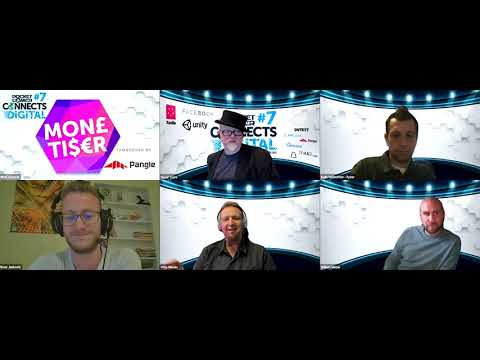
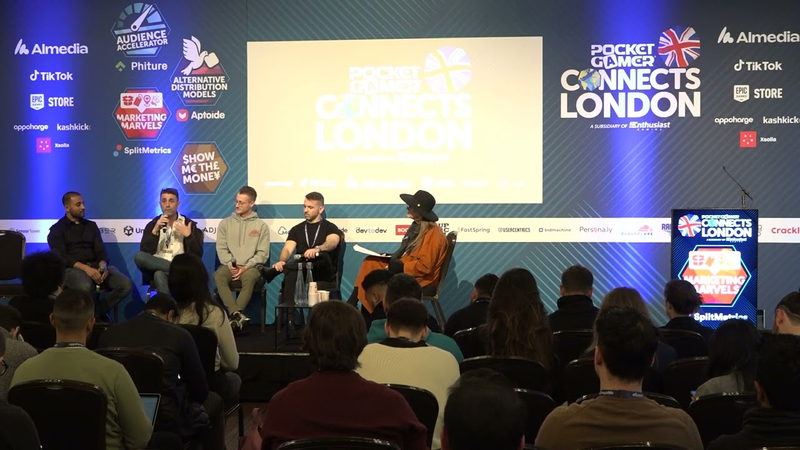
Panel: What Changes in Ad Monetisation Post-IDFA - The Good, the Bad & the Ugly
Key insights
6 takeaways- 01The removal of IDFA and the implementation of ATT have forced a shift from granular, user-level tracking to fragmented measurement strategies, rendering traditional metrics like D7 ROAS less effective.
- 02Developers are pivoting to contextual intelligence and behavioral modeling, utilizing on-device data such as session depth and game category to identify high-value users without personal identifiers.
- 03Success in the post-IDFA environment requires a proactive strategy focused on robust consent management, diversified demand sources, and continuous technical experimentation.
- 04While the regulatory landscape has increased operational burdens and technical debt, it has also reduced the historical dominance of major walled gardens, creating a more level competitive field.
- 05The loss of deterministic data and effective retargeting capabilities has necessitated a move toward hybrid monetization models to maintain revenue efficacy.
- 06Market volatility persists, evidenced by ongoing CPM fluctuations across both iOS and Android platforms as the industry adjusts to privacy-centric standards.
Ask AI about this video
Transcript
we have a panel uh it's our our last bit for the uh evening and um thankfully you've got a very vocal uh moderator oh wait that's me um so i'm going to ask my panel to come up so we got eda from fiber we've got otto from fingersoft uh buzzer from uh gamebears consulting and wheel from moloko i believe so if you guys can come and join me so our intention uh for this session is we're going to talk about um the changes in ad monetization in particular after we've gone through all this uh fun and games of the removal of idfa the appearance of att yes we can come up with as many acronyms for the uh the process as you like hopefully we'll try and demystify some of them along the way but what i'm particularly hoping to do is to really kind of point out the good the bad and the ugly so uh when
you leave this panel um you'll feel like you know what you're doing and you won't feel so daunted by the use of monetization in ads form so let's kick off you know um tell us a little bit about yourself and what you're doing fiverr sure uh yeah so my name is ido i'm israeli american i lived in france and now i live in london um i've been say good choice but that's a long story um i've been at fiber for five years and well actually we're now part of a digital turbine so i've been in digital turbine for now for one month i actually started started out at interactive i manage all the supply account management and fiber publishers um so in terms of bad monetization your particular interest is around uh facilitating your partners to
be to make money or to find users what's the sort of angle you're looking at most no we're facilitating to make money we're the ones that bring the money that's the interesting thing show me the money cool great stuff so um we'll move on to otto otto how you doing so jonah tell us who you are and what you do and in particular your angle on on ad monetization yeah thank you and nice to be here uh my name is oprah i work as an uh monetization manager at fingersoft and uh taking care kind of all of our at anything that com comes to ad monetization in our games uh including hill climb racing game series which has a huge amount of downloads for 1.5 billion and a lot of a lot of players a lot of lot of a lot of ads shown in those games and and i i started at fingersoft like five years ago as an uh software engineer and i i i by the time i didn't know i
liked that monetization i didn't know anything about it kind of i had seen ads and and then i i did a lot of different things worked in our lineups team and uh uh worked with local assistants and all of a sudden i ended up working with the sdks and at network sdks and i thought that this is something else and i worked with sdks like two years and and all of a sudden i found myself in a place that i was asked that would you like to do some business development and i was okay and and then i became uh an administration manager i really enjoyed i've been uh working in this position for two years now and and like gathering all those things and noticing that you are never ready and things are changing in that huge pace and everything you you think you learn something and next day you notice that there are like two things that you didn't even know and you have never already heard about so
it just changes constantly doesn't it yes i think the final topic is also one of those yeah exactly so uh do you want to explain who you are what you do and why you you like administration absolutely thank you oscar uh so my name is borjo yankovic i work as a business development manager at gamevis consulting we're basically a consultancy firm for the video games industry specifically i'm heading the team that is helping game developers monetize their games with ads so basically we would help game developers make more money with ads by offering our expertise and knowledge in this area and we've been lucky enough to work with companies such as wargaming good game studio nanobit creative mobile and many many others previously i worked at nordus as a business development manager as well and as part of my role i was also managing their ad monetization um stack so yeah working with a lot of
companies uh on different games different genres um yeah really exciting and the reason why they get me to do this one is because uh oh obviously well for those of you know i was a vandalist at unity as right at the start of that um era of rewarded ads so i got to learn a lot of the secret sauce in the earliest of days but i also have done a whole bunch of stuff even back in the old java days where i launched with the very first um ad funded platforms for actually for for movies so movie trailers um so if i actually were remembered last uh yesterday when i was on a panel i actually was involved in conversations at british telecom when we were trying to work out what a banner ad looked like yeah i'm that old um anyway let's move on from that let's talk about the last few months in particular right we could argue a bit longer than last few months but because it's been drawn out and drawn out now suddenly it's here uh we had a big change happening for those of you don't know where the ability to identify and re-target an audience has basically been kind of full away
for some good reasons namely well we'll get into with good or bad or ugly later but essentially around the idea of privacy one would argue um so obviously you guys have seen this happening you've had some notice there were some uh allegedly oh actually william i haven't introduced you have i what am i like william sorry about that sir can you believe yourself too there's no worries oscar hi i'm will um i launched and lead my local zamir office here in the region um we probably monetize uh also your your games um via the fiber exchange and all the other exchanges because we're a dsp um and we're integrated with most of the key exchanges globally so we kind of accommodate from a ua perspective i think in this age especially the more opaque sort of a landscape um sharing that information between demand and supplies become is even more important than it ever was and so i thought it would be well worth having a participating in this panel too
definitely and just because this is something i always get wrong i've been doing this for how long let's not say that um but dsp demand side what does demand mean because there are still people in the audience who get that the wrong way around because in my head it's the other way around but could you help other people who are participating understand what that means we buy impressions uh in ad units in in apps we're the demand side we're the side that's got the impressions and the supply are the people supplying the ads so yeah we're supply we they want our eyeballs we want their ads so it's a you know funny kind of like element thing anyway right so back to my um aborted early attempt at talking before i remembered i'd forgotten my duties as a as a moderator and obviously this big change has
happened um how much preparation was involved in getting ready for this change and has it affected just apple or has it affected you know your other working practices and i'm obviously talking about google but there may be other ad models and other platforms you might also have in mind so uh either do you want to start us off what's the the the biggest kind of preparation or change you've seen sure i think at fiber we realized quite quickly that i remember they published this uh idfa rest in peace okay we realized quite quickly that this era is over um and we actually look for a sustainable solution we realized that they're not going to be any loopholes therefore we helped build the sk ad networks for programmatic specs and we're very much involved in that on that side we have different signals we have now a lot of contextual signals that we send
on the device level such as the battery the audio on the app level the game category or also more interesting the session level the session depth who are the users that are playing what are they doing the number of impressions how many impressions that they see that they completed that they click so we've taken all these we have about 70 of these and we've been adding them into our sdks and we've already seen a very very nice increase with some of these um some of these users that don't give the consent so it's interesting so just make sure i understand correctly so you've got a whole bunch of gameplay behavioral responses which may not be identified to a particular user but you can compare a non-signed up user's behavior in average against real uh uh opted-in user behaviour is that is that what we're saying yeah exactly we actually
see some even uh some uh wales uh buyers buying these kind of users just using this these uh contextual signals so if you take a bunch of them you're able to some with a very sophisticated algorithm you're able to identify the kind of user you're looking for yeah no no absolutely absolutely cool that's great stuff so i'm gonna make sure i don't skip within this time william i mean obviously coming from a dsp side you're looking at a slightly different way um what what are the kind of preparation changes that you need to think about a lot of consultation i'd say um so um yeah i mean we have to integrate with the exchanges and make sure we're there and we'll scan so we had to get get that the engine rooms and the and the pipes set up accordingly um we had to understand really what the conversion scheme would be of our clients and i think that's the key the key difference now on ios um
and also feedback from clients as well just in how to develop the product and i'd say i think the final point really would be not over engineering we've already seen apple kind of backtracking a few few areas bringing bt for instance so it's about trying to try not to waste resource um and wait and see how things will develop i'm intrigued intrigued by that kind of obviously there's a lot of that that no not over engineering i think is really important but what does it do in terms of your handling of you know android type um areas as well i mean does that just not change it's fine or are you kind of pre-building in an expectation that they'll go a similar route or or dealing with other privacy regulations that may come up i i think i think we all think you'll get a similar route um at some point in the future so but you know at this practice let's put it that way for us completely ad id free world um in the meanwhile i think we've seen been tracking cpms on android and i don't know if what
i could can agree but we've seen that increase there's been turbulence both across ios and android in terms of cpns oh interesting oh that's intriguing uh so let's go to so uh you know obviously good to hear your thoughts on that but also you know more generally about the preparations that you as an organization had to do as well so you know you take that in whichever order you prefer yeah there was a question uh how much humbersburg we do where we ready and i have to say a lot uh we started about a year ago the work when when the announcement came that this is going to happen and what how we we should be prepared and actually we were quite confident that we can do this quite well because uh was it three years ago gave the gdpr and in the eu and and that was kind of a similar thing and and we prepared for that very like also also tried to prepare well and do do all the preparations and to be ready
and and then we thought that okay let's let's just extend this work had started already and and uh then we uh started we thought that it's going to be like on september we have like a month ago like to go and like to prepare everything we kind of know knew that it's not possible it won't be happening like that and it didn't but still we had these like almost like weekly meetings and i'm planning all the dialogue flows how we how we should do those and uh and we we came up with like a good solution uh we thought it was a good solution but uh we didn't know when we should be ready like if the target was all the time moving and we were just like preparing that we have this our update cycle for our games and uh we were thinking that okay when if if the update comes in the in the middle of our cycle then we have to do like intermediate update and we have to be all the time ready and it was kind of stressful time in that sense but uh well we after after like
looking it back right now it seems that okay we did good things but uh we were just like to we thought that we can handle everything like beforehand and it didn't go like that but uh good thing was that we learned a lot like all about their dialogues and and things like we we thought that we knew something about the dialogues because of the gdpr content and and we didn't and we noticed that there's a lot of improvements to do and we we did the improvements also on the android side so it was like uh overall a good thing thing for us we learned a lot and we we did good changes also so i think that's that's the big big thing and also like working between the teams because uh this is i think like half of the whole idfa thing is also a ua thing so that we had had to help our ua team and and i learned a lot like the ua side on uh
also that how how we can help them so that that was one important thing assuming the outside is a double-edged uh piece of work it's it's it is as much about the who you require and how you target them and obviously the biggest problem we've got for the uh the uh ad side of things you know the user operating side of things is we can't re-target as effectively as we once could but what impact does that have on in terms of revenue is a wider question we'll get to that in a second uh you were saying so i just want to get your view on it as well so in terms of your side of it obviously the clients you're working with the teams you're helping you know was this a relatively straightforward i mean for me the teams that i've been helping you know the games we're bringing on board i basically just went to the fiber sign looked what they were saying to do and they started putting that in uh i mean it's not quite fair because i left it very late i deliberately wasn't i wasn't responsible for the current live game so it didn't matter to me but i imagine some of your your teams that you're working with that did matter and you had to do
something else yeah absolutely so obviously for different companies uh this met meant different things like those that are relying more on ad monetization it was a big deal for them those whose portion of the revenue is smaller coming from ads it was not that important but over and overall they had different preparation levels i would say in terms of like just from the general perspective how well their ua team was equipped to deal with this or how bullish they were about testing different att prompts or pre-prompts things like that so on a general level i think that they were very differently prepared um in terms of um from the ad monetization side i just tried to manage like try to deliver at least the minimum readiness for everyone things like updating the adapters and sdks which were constantly changing like what is the minimum version that is needed uh which was also coming from apple's requirements then like up implementing sk ad network
they have to change the name info.plist and basically making sure that we can actually get the revenue that we earned and then like with more advanced companies um i was always trying to optimize waterfalls based on idfa whether or not we have it for a particular user so i'd say that like depending on the sophistication of a company and the importance of ad monetization um the preparation levels were quite different yeah i'm really glad that because i was in the middle of transitioning from being a consultancy company that does live ops to a company that was now now a publisher that all happened while everything's happened whilst we've been doing a transition so for us it's been actually relatively easy but only because of the hard work of everybody else in the ecosystem so with this in mind so we've done this preparation we've done this work we've seen these changes happen what is the single biggest impact that you've noticed so far
and you know what's the good what's the bad what's the ugly so either do you want us you know tell us what you think the good bad and ugly is of what's happened um as a result um well i guess the good is the the user their privacy for the user nah just kidding um the good part at least for us is leveling the playing field right because all the the walled gardens they don't have this big advantage they used to have so it actually creates a lot of opportunities for a lot of other uh players in the industry and uh we've actually also seen a certain increase due to this um the bad part it's it's a bit tricky it's um well i guess it's more in the short term but in the short term you ask yourself will the pie decrease because of this yes will we see less developers i'm not sure about this but in the short term it will definitely impact
and i guess the ugly from my side is the the constant change there's no certainty in this industry every day there is some giant who comes and chase changes the rules and everyone has to play according to the new rules so yeah yeah it's constant change i know a feeling about a song about that last one uh we did we did some work in the uk with the ico around the children's code trying to help work out what the developers are going to need to do to be able to conform particularly if you've got children's audiences because it's not going to be a defense anymore to say that i didn't aim at kids which is going to be interesting so anyway enough of that william so what's your biggest kind of sense of impact and you're good the bad and think it's uh the fracturing of conversion scheme essentially so d7 row s that was the the gold standard right and now we've
got ev every developer is sort of trying to find their own way in an opaque world and that's it's very interesting to work with that and how you how you manage that and how you measure uh success when what the reality is and what you can actually find on a report differentiates so so heavily nowadays so i think there's there's there's a whole range of things but it's essentially you know opaque data environment um and also the fact that pretty much every developer is finding their own way so that i'd say that's the biggest impact we've seen um and that we're working with now that makes sense i mean what's the kind of biggest frustration though that you're you're having i mean the reason i'm asking the question is probably a bit weighted because um i remember eric's first article where he's recently been talking a lot about apple's um well apple's choices in this process namely whilst
other people aren't getting access to this data are they is that something that we think is a good bad or everything or is it something you feel is just too dangerous a conversation to get involved with and i would understand that i mean i'm a cynic about all things so i mean i i know which side i come down on but you know at the end of the day it's probably something that may well have needed to happen at some point um but you know it's not necessarily even on on uneven playing field when it comes to who gets what yeah yeah exactly that's kind of what i'm getting at you but it's so much more subtly than me actually i appreciate it otto for yourself you know what's your what's the biggest impact you've noticed and again you know good bad and ugly please yeah to be honest uh i have to say that we haven't seen yet big change uh we of course we are quite uh more android heavy uh as i say like the from the player side and the revenue side so that always stabilizes and whatever happens uh we we knew that we were quite
confident that okay i had to say that the money money stays it has to go somewhere and the players are there they won't go anywhere so that's why i was quite confident and and there was like a lot of talks that uh the industry is ruined and the business is ruined because of this but i was like no no it's not it's it's going to change but it's it's definitely not ruined and uh yeah and the good thing i already mentioned is the uh like the openness and the like the talks that we have with different are like partners and for example ad networks and we were like on the same side here that we didn't actually know when what is happening and when and everyone was trying to share their knowledge as much as much as possible just to get some info and that was the good thing i think uh the the the biggest good thing in in this process and there well the bad side of course was that they as mentioned already the sdk and
adapter updates which were coming and coming i already mentioned our update cycle that we were waiting waiting and doing the intermediate updates and it didn't it wasn't enough because it was like all the time someone was updating and saying that okay are we we're like compatible with the with the ios 14.5 but it wasn't and now you had to go with that like a next update and and at the same time this was like the also the ugliest thing that uh we we were like pushing pushing and uh waiting for the for the latest versions and and we just had to say that we can't we have to go out with our updates and you had to wait for like the next update and and and we just had to also like think about our players and push out not not only not only about the uh atmosphere so this was this was a little uh tricky and i was in the middle of everything so i felt like okay keep them coming and i will i will handle those
no i totally get that and and i think it's interesting because i think because i'm coming from a living games kind of perspective i'm particularly interested in hybrid monetization anyway there was a lot of talk about the movement you know more of a balance between ad and hybrid monetization i'm not sure we've seen that though i think i mean my impression is that we're still seeing hyper casual games we i haven't really checked the level of detail in terms of the revenue mix of those but it seems like from what you're saying yes have been changes yes it's mixed up a bit but it's still yet to see the final outcome is that a fair summary yeah yeah i think i i think it goes uh if if i had to check now our revenue curves and so on so i would say that everything goes into like the yearly fluctuation so so i think that that is we don't know yet and i think we we it might be that we never know and we can just do some analysis on on the things and of course our u.s side might think a
little bit differently and and it has like they have postponed things and wait and see what happens but still of course we are in a good position that we are very heavy organic driven also so in that sense the ua is like well they are trying to learn and they have the time to learn so i know that there are also heavy ua driven games that might have like bigger different like difficulties in this no exactly i think the reality is that you know the as much as things change we also adapt and we joked earlier on about how quickly the industry changes i mean every three months or so it's probably not a bad average so it's kind of business as usual well you know so for yourself you know what is the good the bad and the ugly in this situation do you agree with the others so far or is there something else do you think would be worth adding yeah i think that the guys pretty much covered a lot of good stuff and like in in general a lot of things that were relevant but i'd say that one of the things i've seen as like a bad impact for some of the
developers was a huge decrease in ecpms like in in money that they're earning per each impression basically coming because we were relying so much on facebook audience network previously so they were giving us crazy high ecpms before some of those campaigns went away and now we were seeing the consequences and it wasn't absolutely was not the same for all of the publishers because some of them were getting those campaigns and now they've seen a huge decrease and others who were not relying so much didn't see that that kind of an impact so for those who were relying much more on facebook i think that you know it was quite bad impact um and the others i didn't feel it that much and there was one particular ugly i would say a situation where some of the devs were implementing a particular part which facebook required in a wrong way
it was a flag um for for att and like those developers who made that particular mistake immediately saw saw a huge impact on their um revenue especially like specifically with facebook um so i think that was an ugly one that i've seen yeah no it makes sense and i do wonder kind of there's a whole bunch of questions that come in terms of like um i think was also this earlier this you know the changes that gdpr we had to do back in the day we were going to do copa you know that we've had to iteratively change the way that we deal or rely on targetability at the same time as we've had more um kind of um header bidding kind of stuff going on in the background um we've seen you know increased use of reliance on kind of machine learning algorithms various other things so i think we're always going to have this tension between you know how much you you know focus on the manual stuff how much you can you use data for and i think it's it's just we
could look at different forms of data basically taking back to what it was talking about in the first place looking for those other indicators there's other kind of behavioral flags and how we can apply them sort of strategically so that we can still get the revenues we you know we need to survive and to thrive as organizations um so you know i think you you know a couple of things that do you think the changes are done and who do you think are the biggest winners and losers uh right now um so the biggest i think um i think the biggest winner currently is apple which is they did something very very popular and i think like the users thank them for that but then like to relate to my previous point is that did they also hurt their own ecosystem what about all the indie developers like because i hear a lot of publishers talking about now
they're for instance they're going to soft launch on android right because or they're going to test more things on android or shift budgets to android and you know android like google might take that lead but we don't know when that's going to happen it's probably not going to happen very very soon so so i guess they are the winners and the losers in this uh in this case one i have to admit we only use android at the moment as our testing mechanism but that's more about the ease of access in terms of the way their early access tools work more than specifically the ad funding side of things um but maybe it's also because i'm biased because i'm a pc um william for you what's who are the winners and losers and do you think we're at the end of the um change process so i absolutely don't think we're at the end of the change process um i think we're gonna have to keep
poised to adapt um i think it's gonna be a little while before things fully settle down and saying edo made a good point right i think apple came in quite quite quite strong um and that will have an impact on the smaller smaller developers i think are the indie developers um and yeah it's not ideal um for them or at but i'd say so but you know i think there's going to be a medium found at some point right and they they don't want to hurt that ecosystem too much and they've got to find the happy happy place yeah and i think it'd be surprising how those indians adapt because they can't just throw money at the problem they've got to start being smarter about it and that could be in the branding of the games it could be about the the kind of creativity they apply it could even be in the types of monetization strategies they use so you know like i said my suspicion is more hybrid
uh monetization will come out of this um but that's just my kind of take on it uh otto what about yourself i mean so far we think the the apple coming out pretty looking pretty shiny um and uh you know india's looking like they might be a bit sad um do you have any other thoughts oh no do we can't use in india anymore i don't think so we can well well i i went like in terms of in this i hope that there will be like a bigger solutions for gathering the consent so that we would have like a good solution so that we don't have to like gather all the contents differently and have have all those dialogues so in that sense i hope that someone will come up with the solution that plug in and and gather the content and and do everything happens behind that and that's something that we have like trying to come up with for our own own new games that our developers don't have to think about the the uh all the other constant things that they just like put this in and and we have made sure
that the texts are correct and and and legally okay and and and go for it and don't don't mind about that so we want to like be a service for our devs so that they can they can just just do their work and develop and which which wasn't the case like in the beginning of this year they had to think about everything and how how the dialogue flows goes and so on that's not not game development that's something else that's software development yeah but i think uh we are we are just in the beginning with these privacy issues and what i've heard that it is that there's gdpr and att and there's going to be like different uh areas like different regulations so i think that that's why i i hope that we will have like a unified solution for gathering this because this will go forward and we had to consider our different areas i'm actually happy that the eu is having like the most strict uh regulation in that sense that
we have like we did already that and i think also apple did kind of a good thing that we everyone knows now that this in some point this is going to happen and now it happened happened on ios and and probably it might happen on on android in some point on other platforms also so i tried to like look bright side also yeah no i think that's right one of the things i found really interesting um because we've done this work um the seo um is that it's there's a conversation i think we as an industry need to have with the legislators in in a really honest way which is to try and work out you know help them understand what is legitimately private information versus what is actually genuinely authentically uh just how we manage an a player experience and i think there's a lot of room still for misunderstanding and i think it's what we don't want to do is end up with a cookie disaster because i think the
way that we're cooking is now actually makes people less safe and i what i don't want to do is but for users to feel less safe playing games i want them to be able to feel that they can trust us uh i mean on your point i mean what do you think you know who the winners and losers and and are there any other angles on this that you'd like to sort of add to this yeah i'd agree with it though that apple has found a really good way to frame this in order to kind of leverage it for their business obviously which is of course to be expected in the short term i think that networks so just from the ad monetization perspective now the networks that have relied so much on using a lot of personal data so a lot of those data points um are the biggest losers at least in the short term and namely that would be facebook and admob by google because they had so many data points which now they don't have access to so basically they're now not been not able to compete with
networks that have traditionally not been using so many uh personal uh data points um i guess that would be iron source fungal fiber and so these guys are probably winning in this scenario because and now they have a more level playing field where they can actually compete in those waterfalls because there are no no longer these giants who are taking uh 70 percent of impressions no matter what these mid mid-size or smaller networks do um also one more point i think that developers um have you know probably lost you know in a way that you know it's not only about the money it's not only about the impact from this particular change but but what about the time that has been invested it's been a year since apple um basically announced this news until it actually came out and during this year a lot of focus a lot of attention a lot of time went into uh kind of preparing for this
matter so i'd say that probably you know we haven't developed some features uh that would be more fun for the users than clicking on these pop-ups and so i'd say that from that perspective maybe there's an opportunity cost um in a way that developers could not focus on developing some new features uh and better game experiences for the users no that makes a lot of sense i totally agree now we're about to run out of time unfortunately um and what i was going to do is just get you to give me kind of like your one tip your one piece of advice you would give developers to make the best of the new normal uh you know do you want to give us your one your one tip uh yeah i have a bunch of them um one is guys for consent publishers there are still publishers that are not asking for consent there is no there is no problem so def point do that another one uh lat waterfalls
update your sdks sorry otto but it's uh i hear your frustration but it's important uh diversify demand not only ua networks also brand and try additional ad formats banners interstitials rewarded video offer wall definitely after a while i'd say i'm not a fan of off wall but i know it works for various games and i'm i would definitely say never ever say ever um william what's the one piece of advice you'd give or five uh okay sure i think you know we're we're in a new normal now um and i think we need to put build uncertainty into performance measurement and we can't take what we had and apply it to what we have now um so i think understanding performance is going to be the key area we need to work on and working with uh working with partners in a in a
transparent manner will get us there makes a lot of sense otto yeah first of all totally i agree with the other was what you said about everything like exper it's like be brave and experiment and and make mistakes and learn but also do do share what you have learned and and eventually it will come back to you so yeah that's it yeah no i was joking earlier but i think everything india said was absolutely right and it's getting those things you know doing those all those particular details you know really experimenting really trying things out and like i say updating that sdk um it's painful because it's dev time and you'd much rather do something else but it needs to be done bonjour what's your what's your kind of one tip yeah i'd say that trying to keep up with what's going on in the industry around this because you know if if you stop following things if you do not talk with your ad network partners if you do not follow
what other developers are doing you're just gonna fall behind like if you updated the sdks now then you think okay i'm done i've done my homework that's it like a month from now it's not going to work or like sk network info.pplist i think i've updated those like 20 times in the past um few months and like the lists initially contained a few lines now it probably contains dozens if not hundreds of lines so like doing these things making sure that you're up to date with what's going on will probably pay off because you know things are changing and it's very easy to fool to fall behind yeah i kind of taunt because i i'm a big believer in just in time so only do it when you're ready and it's right but the tension on that is if you leave it too late you're going to lose out so one thing i try and get people when they're thinking about living games and obviously that's my
picky focus is i try to get them to think about in terms of their their quarterly development to allocate about a third of their resource to tech debt and that includes updating sdks that includes bug fixing and and then you vary that according to what is the most pain for you at the time but if you don't set time aside in your planning to make sure you can update those sdks you will be hurt by that and i think that's one of the biggest things i see developers failing to do the other thing i think we i chuck in and i'm i'm stealing extra time because i'm moderating um is to think more about hybrid i think if you think about the value the value that watching an ad is to a player can be different different life stages and whilst on average we probably don't want to give away more than two cents per ad view in terms of the experience that two cents to a new user could be technically feel like it's worth two dollars provided it's creating
a sense of flow in the value for playing the game on an ongoing basis that's going to keep and engage them and should show them the promise of why they should also spend money i think if we don't do this in an integrated way if you don't think about the player experience as a whole we really undermine the whole potential of administration that's my last thought um if anyone else has any last-minute comments i wanted to check in otherwise we're out of time anyone to have a quick last-minute comment i will in that case thank you all very much and thank the you know everybody here for joining us uh great great panel uh thank you so much for putting up with my stupid questions and i think we've painted a picture of the good the bad and the ugly and um i don't think anyone's come out as a complete villain which is actually really quite good because it means that we're looking at it realistically guys thank you so much
Summary
The removal of the Identifier for Advertisers (IDFA) and the implementation of App Tracking Transparency (ATT) have fundamentally restructured the mobile advertising ecosystem. This transition has forced a departure from granular, user-level tracking toward a more opaque environment, compelling developers to abandon traditional metrics like D7 ROAS in favor of fragmented, individualized measurement strategies. While these regulatory shifts have introduced significant operational burdens, including constant SDK updates and the loss of effective retargeting capabilities, they have simultaneously leveled the competitive landscape by reducing the historical dominance of major walled gardens.
To maintain monetization efficacy, the industry has pivoted toward contextual signals and behavioral modeling. Developers are increasingly leveraging on-device data—such as session depth, game category, and device performance—to identify high-value users without relying on personal identifiers. This shift toward contextual intelligence, combined with a broader move toward hybrid monetization models, reflects an industry-wide effort to prioritize player experience while navigating the loss of deterministic data. Market turbulence remains a persistent challenge, with CPM fluctuations observed across both iOS and Android platforms, signaling a cautious approach toward future privacy-centric changes.
Success in this evolving landscape requires a proactive, iterative approach to technical infrastructure. Developers are encouraged to prioritize consent management, diversify demand sources, and allocate dedicated resources to managing technical debt. Although the transition has created uncertainty and increased opportunity costs for smaller studios, the industry is gradually establishing a new normal defined by resilience and continuous experimentation. Ultimately, the ability to thrive in this environment depends on fostering transparent partnerships and maintaining the agility to adapt to ongoing regulatory shifts as privacy standards continue to tighten globally.













Comments