The global esports market is experiencing a period of robust expansion, characterized by double-digit growth in both viewership and revenue. Total industry revenues are projected to reach $1.08 billion by the end of 2021, representing a 14.5% year-over-year increase. This financial growth is primarily driven by sponsorships and media rights, which remain the dominant revenue streams. China has solidified its position as the primary market leader, maintaining the largest share of both global esports revenues and the highest concentration of esports enthusiasts.
Audience engagement has surged significantly, with total hours watched on major streaming platforms like Twitch and YouTube increasing by 76% in 2020. While general live-streaming saw the most dramatic rise, dedicated esports viewership also grew by 12.6% during the same period. The global audience is on a trajectory to exceed 577 million viewers by 2024, split between occasional viewers and dedicated enthusiasts. Regional growth is particularly strong in emerging markets, with the Rest of World category seeing a 10% year-over-year increase in enthusiasts, outpacing the growth rates of North America and Europe.
The sponsorship landscape is undergoing a structural shift from short-term, one-year experimental deals to multi-year strategic partnerships. This evolution reflects increased confidence from brands in the long-term stability of the industry. There is a notable influx of non-endemic sponsors, particularly from the financial services sector, including banks and insurance companies seeking to reach younger demographics. Additionally, the furniture industry has accelerated its involvement, with 32 sponsorship deals closed by manufacturers in a twelve-month period as remote work and home-based gaming increased.
Despite the logistical challenges posed by the transition to online-only formats during global lockdowns, the industry demonstrated resilience. While traditional sports faced total shutdowns, esports leagues successfully migrated to digital play, though issues like internet latency persisted. Major publishers like Riot Games have seen significant returns on new titles, with Valorant emerging as a major driver of live esports hours. As the industry moves forward, a return to in-person LAN events is anticipated, though the timeline for the return of live audiences remains contingent on global health conditions.

Google · 2026
Newzoo · 2026

Newzoo · 2026
Newzoo · 2026

Deconstructor of Fun · 2026
Newzoo · 2026
Newzoo · 2026
Newzoo · 2026
Newzoo · 2026

Newzoo · 2026
Newzoo · 2026
Newzoo · 2025

InvestGame · 2025
Stream Hatchet · 2025
Stream Hatchet · 2024
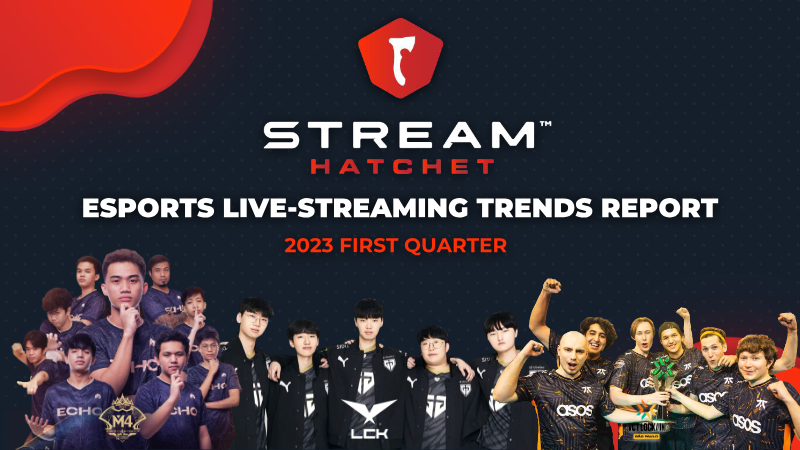
Stream Hatchet · 2023
Stream Hatchet · 2022
Stream Hatchet · 2022
Stream Hatchet · 2022
Newzoo · 2022
Newzoo · 2022
Newzoo · 2022
Newzoo · 2022
Newzoo · 2022