VideoPocketGamer.biz
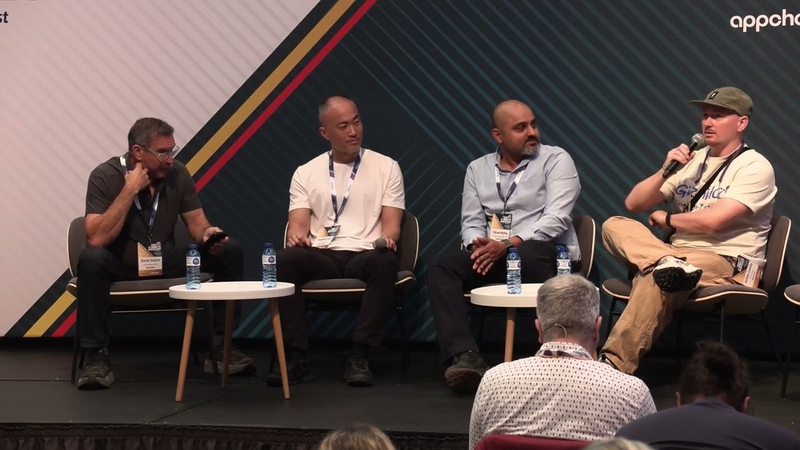
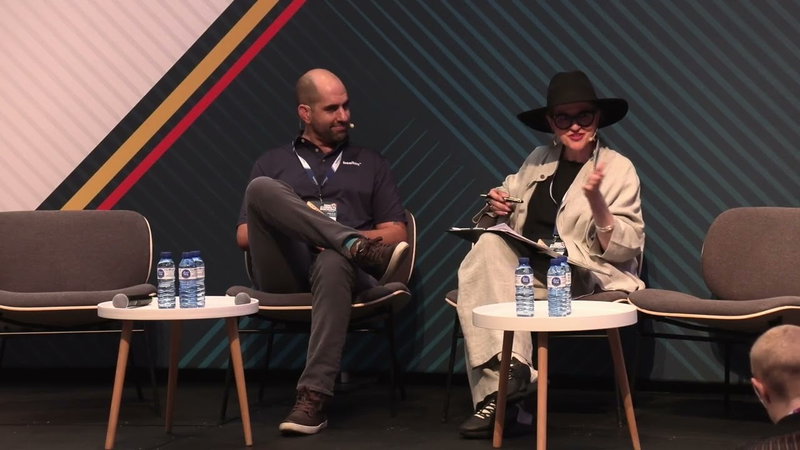
Panel: Running DTC at Scale - Lessons From Mobile Game Leaders.
9 Feb 202621 min video
Transcript
So next we have a panel on running DTC at scale lessons from mobile games leaders. Uh so we got um like AppCharge, Cyporian and Checkout.com. Uh hopefully they're all making their way to the stage.
Welcome everyone. Thank you for joining. Um I'm Shulie Finley from Appcharge, director of customer solutions and I have a panel that I'm thank you super excited about. Um I'll of course let them introduce you. Um, so Appcharge,
we're a D2C provider and I'm mostly excited to be bringing you a really diverse set of voices on D2C, publishers from different areas at different stages that have experienced DTOC from different angles. Um, so thank you for joining us. We're really excited to to share what what we've learned. Um, I'd love for you guys to introduce yourselves, name, role, and where DTOC meets you.
Okay, I'll it works. Hi. Um, my name is Julia Palattoska. I am a co-founder and CEO of UGC games platform Dorian. We're the biggest UGC games platform for female first fandoms and we enable uh creators to uh go direct to consumers through our platform. So they can build games on our platform and distribute them. uh the ecosystem is quite similar to Roblox on the high level but the games that they're making are visual novels and dating sims and uh for us so D2C first means that creators can
deliver games directly to consumers um and make money off of it and for this reason uh D2C in uh your uh in your vocabulary is very important as well because we are sharing revenue with creators. So this uh jump from paying 30% to significantly less because of the web shops makes a huge difference for us and for the entire indie community on the platform. So um yeah it's uh it's been exciting to see growth in this area.
It's been really exciting to see how D2C is interpreted in in your spaces. Daphna.
Hi. I'm Daphna. um the director of monetization at uh Goldfish Casino at Cplay. Um for us, DTC has been a huge um bottom line revenue growth avenue. um in a market that has been challenging and with all the UA challenges in the
past few years and bringing new customers in, really getting to maximize the revenue stream from your existing players has been a huge factor in our success and our commitments to all the shareholders. Um and so there's a lot of focus on that and there's going to be continuous focus there because we've seen that there's so much more potential to be tapped into. So, have we? [laughter] Um, Ashley.
Yeah, my name is Ashley Pace and I lead revenue at checkout.com, which is one of the world's leading PSPs. Um, in normal speak, we are essentially the payment rails that power a lot of transactions that happen in digital networks and a lot of the services that you guys use today. So, if you booked an Uber to come here today, uh it was probably Checkout that was powering those rails, your Netflix subscription, and then oftentimes working with DTOC platforms um to help power their payments as well.
Ashley, you used to manage the gaming business unit at Checkout as well, so
we're going to tap into some of that background.
That's my my favorite bit. They coerced me to to do e-commerce in the UK and Europe, but the fun stuff is with gaming.
I'm very happy to bring you back to to Homebase. Um, so as you guys heard, we have publishing platforms, we have a big-time publisher, we have checkout providers. Um, so I know that one topic that comes up a lot, uh, maybe it's on a lot of your minds as well is, um, there's been a lot of uncertainty in the last 12 to 16 months in our in our space. Um, and so we'd love to hear DNA, maybe Ashley, from your point of view after um, how this uncertainty has impacted the prioritization of different DTOC initiatives. That's a that's a really great question. I think for us it um made us realize that there's urgency to tap into this as fast as possible and habituate our players in through that uh experience. And so we really focused throughout 2025 on ramping up as much as we could. Really testing what types of audiences
are um managed to be exposed to DTC, what makes sense and what does not and then where to surface the links and what to do with that. And also really morphed our road map to focus on that and really looking into third parties to understand what we can acquire externally instead of going and developing inside. but really changed our prioritization and um made us realize that the time is now to maximize.
I love hearing that that it's not uh it's not trivial or taken for granted. There's a lot of publishers that maybe have haven't been around as long as you guys have, don't have the same scale um that aren't sure if to interpret it as into urgency or into um hesitation. So I'm I'm glad to share that perspective that we do also have a lot of publishers and a lot of the big ones that are interpreting it into the urgency and that are benefiting a lot from it as well.
Absolutely.
Ashley, do you have any perspective?
Yeah, I mean overall the regulatory landscape is going to change no matter what industry that you're in. And I I
think from my personal perspective that DMA is a win. Um, it's a win for small providers and for large providers, but at the end of the day, there is is still truly no real incentive for um for app stores for them to lose control of their customer and that data. And it's really powerful if if gamers if um DTOC platforms are able to help um small large womenowned gaming networks still own a piece of that. Um there's different ways to be really successful in it. If you're making sure that that payment checkout flow is as native as possible to the initial gaming experience, if you're offering payment methods that are relevant to um the consumer, the to the customer directly, the gentleman who was just before us talking about like BNPL and wallets in the Middle East is exactly what a customer from the Middle East would want to see. Um, so all of these are are different things that you can overlay to make sure that your customer is having a great experience and that you're maximizing as much revenue as possible while still, you know, um, trying to navigate those uh, regulatory hurdles.
Absolutely. A lot of our efforts at
Appcharge go into that payments orchestration to to provide the the local payment methods. It makes a huge difference from what we see.
Um, Julia and Anda, I'd love to hear about a DTOC initiative that performed better than expected. um something that had positive results that you put efforts into in the last year.
For us, it was a huge deal uh last year with all of the introductions. So, new new introductions and obviously regulation. We jumped from 10% of total revenue from webshops uh to 40 now.
Uh yeah, it's it's it's huge. which is huge for us and for our creators. So our platform um as I mentioned uh functions like Roblox but for different type of games and creators and we have our own system that is very similar to Robbo Robux in the sense that uh fans would buy uh currency our version of Robux and
then uh the um the value per unit is determined by um how much we actually get after all of the fees. Right? So imagine how much it matters for us and for creators because we share the revenue with them when uh we move from 30% to significantly lower rate uh on the web shops. So a 40% jump happened u just in three four months um from 10 uh midl last year. So that was uh that was really exciting and what worked for us. So I think for us uh explaining to creators how important it is and showing them some mass behind this and basically then creators educating their super fans that how much it matters and uh fans followed creators to the web shop. Um
also what worked super well was uh direct in bo inbox messages because uh we have inbox system and our most uh engaged fans are checking it regularly because there is a lot of activity going on coming also from creators so that helped um and of course some special events and deals also helped but I think creators understanding the value and educating their fans was number one for us.
Beautiful. I think my answer is very similar. The the most impactful thing that we've seen throughout 2025 was exposure. the more exposure we brought at surface levels of um store impressions uh within the app. Several different stores were added throughout the years with different links um that all direct to DTC again to the audiences and segmented to whom we wanted it to be surfaced really made a
very very significant impact and um there was a lot of training there for the players understanding how to overcome it build trust and what we've seen is with endless exposure eventually they got through that um it was very significant and you could see the ramp just go correlating with the amount of impressions uh and transactions as well um which was a surprising aspect of it. It wasn't just the visits in the web store. It was really um the trust that we built with the players to then make the make that transition. I love hearing those stories and for the audience to hear those stories because I think that it's it's not obvious how much we should be investing in educating our players and um one thing that we see over and over again is that it always pays off. So thanks for for sharing those. Um the maybe then Ashley um let's take it from from the other side. Um,
where is somewhere that some teams have maybe like underestimated the effort or or the difficulty of of a D2C initiative? The touches again on the trust, building that trust with the player. Um, for us specifically because we didn't do any um links within the app quite yet. It's transitioning the player to a web page that has not been smooth. Um, and it's choppy. the the web page that we built looks as close as possible to the language of the game, but it's not really the game itself. And so, a lot of players had that hurdle of walking into that web store. And then the second phase of okay, do I put my payments payment uh information? Um, a lot of VIPs have shared with us that um they're getting gift cards from their grandkids for holidays and the web page doesn't accept that. So there's a lot of training there of like okay do I trust
this? Do I want to do this? Am I willing to make a difference from my normal behavior. Um and with that there's a lot of support that needs to come from the game team and the VIP customer success team in order to um get get them there. But once we we go through that hurdle, we've seen immense success and retention rates and um conversion rates keep very very high there. I I love that you shared that Daphna. The the thing that we try and do is we try and make that lift as painless as possible, right? And and working with um with providers like Appcharge. So I when I juxtapose the two like the gaming checkout experience, the customer experience that you're talking about, the grandma with the gift cards and a retail client who has a gift card from a retailer and they're checking out um a normal retailer, even like a digital assets retailer, they're often um maybe facing card abandon abandonment, excuse me, if there's that friction point. But
in the gaming industry, this is so much more costly because it's not just, oh, they abandon their cart and they'll come back later. Games are immersive. It's an experience. And so once you kind of break that veil, the cost of losing the trend, the customer at that point is so so expensive. So I love to hear that you're thinking about the UX, the UI, and how those things work. Um, what we think about when we're working with different platforms such as your, well, not such as yours directly, but uh, when we're working with different gaming players, um, the things that we think about are um, the acceptance rate. So how can we make sure that there's as little friction as possible, that we get the highest conversion? doing a little bit about what I shared before about how we're showing the payment methods that are most relevant. Sometimes um the merchant will have that data. Sometimes we'll leverage our big pool of data from all of our providers and show instinctively the payment method that you want to see. Right? If you're in Brazil, you want to see Pix first. If you're in the Netherlands, you want to see Ideal. You maybe wouldn't have that information, but we do because we'll have seen their their Netflix transaction or their um their delivery
order. So we will um help our merchants to kind of show that type of information first. Um and then the other piece is how quickly from the checkout page does that information go directly into the game so that the the users the customers can return back to that experience. That needs to be completely flawless. That needs to happen in milliseconds. Um the data needs to be shared very quickly. Um these are all like friction points and hurdles that that we're we're trying to work out. But going back to the original use case, if you do it well, there's a lot of revenue on the table that you're able to capture.
Yeah,
I would like to add that we learned that we need to u segment our fans and basically I wouldn't recommend showing um sending uh first buyers to the web shop especially if the there are any hurdles whatsoever. So, if the process is not as smooth as uh possible as regular checkout, I wouldn't send first-time buyers to the web shop. But
we will get there. I want to get there this year, I'm sure. Um, okay. I have another question um about publishers that that are doing DTOC. Um, looking back or looking forward, this could go to to all of you. What do you think distinguishes between publishers that are doing well or going to do well in 2026 versus the ones that are still struggling?
Maybe.
Um, for us, I think uh that you need to uh it needs to be big part of the strategy. It needs to be big part of the process and product and the vision because you can't just like put it on top of everything else and hope it works. But if you do it right, it makes a huge difference. Uh so we are as we are kind of as a company looking to expand uh who gets to make games and who gets to play games. A lot of our uh creators are former web comic uh creators or Tik Tokers and now they
become game creators and therefore they bring new audiences from web tunes and whatnot uh into games. So this is what we're super excited about and obviously we are looking to uh also take some learnings from all of these media platforms like for example uh this year we're aiming to experiment a lot with special events that um are distributed by influencers and creators elsewhere and they drive uh fans directly to the web shop uh first not to the app then there is some special offer for example example. Um, it's like special limited time only pass that you get for my series on Dorian. The series is going to continue for a year and if you buy it now in the next two weeks, you will get benefits, special benefits for the next two years. Go to the web page. It's obviously very smooth experience to go to the web page versus downloading the
app as well. So there are a lot of benefits doing it this way and we're exploring all of these events right now.
Nice. That I mean that's very in line with a lot of the best practices that we share and guide a lot of our publishers through as well. Ashley, do you have anything to add to that? Uh yeah, I mean when I when I think about um like winners and losers and who's going to do really well as we as we look forward, I not the losers, the guys who are going to stagnate are going to be the ones who um think of their live ops opportunities as just stagnant web pages. These are maybe going to have a they're not really thinking through that UX. They're not pulling that end mile like collect the money from the customer experience directly into the full experience of the customer. This is really important. You see the largest biggest companies in the world that really don't look at at payments specifically as a utility but as a full part of the flow. So we really want to help um help optimize that piece and make sure that it's it's bespoke to each individual. Um we also need to make sure
that that the winners um in the future they're using their data. Again the the data is yours and how you guys are thinking about um using customer data weaving that into what you know about your customers. not just how they like to pay, but where they're located, what types of transactions they make. Would they be eligible for a BNPL? Is there a revenue kickback that you guys can receive from that? All of these are are big questions that I think the the guys who will win um and be really forward thinking are are going to be able to leverage.
Definitely. And do you think from your experience do you think that D2C has been playing more of a role of strengthening existing publishers in the game for a while or also or as much or less or more empowering new publishers, new types of content and
both? I think it's definitely sits in both. So, I think D2C allows big players to really maximize, but the benefit of having all of that aggregated in one spot is if you're a small or medium-size publisher, you're now leveraging best practices that's happening across to
everyone. I think that that's that's really powerful and then you can um you know, eventually flywheel into being one of the one of the big guys as well. It's really hard to do it on your own and to leverage at scale um in a way that's costefficient. So, I I think being able to use GTC is is incredibly helpful as you're you're getting the best of both worlds.
Totally aligned with with our experience as well. We have publishers at all different stages in their in their game, in their publishing itself, in their DTOC itself, and we're seeing everyone have room to to grow and to benefit more and more, which is really fun to watch. Um, I think that we're almost done. So, anyh takeaway for for publishers on DTOC going into 2026? Any thoughts we want to leave with the audience? Um, I think with everything that we're doing, um, and really everything that is game development and our philosophies of game game development is to really put the player first and understand what their needs are. And so we've been
talking all day and yesterday um, how to really segment and tailor the experience of DTC as part of the game experience and making it as cohesive as possible. And I think that will be the the key. um with with everything. It's it's easy to see and it's everything game development. I really think that will be the way to do it.
Any other comments?
No, you said said it well.
Totally. It's it's a very strong theme that DTC is no longer like a nice to have a bolted on add-on. The earlier and the deeper that you take into consideration your overall strategy and product, the more the more you're going to get out of it. And ladies, thank you so much. This is really fun and thank you for joining us. [applause]
Auto-generated captions from YouTube — names and numbers may be misheard.
Key insights
Distilling the key insights…
Ask AI about this video
Cite this video
Citation
Generating citation…






















Comments