1 free read left. Create a free account for unlimited reading + AI research.
Create free account
Panel: Preparing Your Company for Exit – An Essential Guide
Key insights
6 takeaways- 01Successful acquisitions are driven by strategic alignment on intellectual property, operational scale, and specialized talent rather than engineering a company solely for a sale.
- 02Founders must maintain high standards of 'diligence hygiene' by ensuring simple corporate structures, clear IP ownership, and transparent financial reporting to pass rigorous due diligence.
- 03Performance-based earn-outs can bridge valuation gaps if founders can clearly articulate and verify the repeatable drivers behind their past performance.
- 04Proactively identifying and addressing historical business vulnerabilities is critical to preventing deal-breaking surprises during the final stages of a transaction.
- 05Early engagement of specialized advisors—including tax experts, accountants, and legal counsel—is essential to mitigate risk and align deal structures with company objectives.
- 06Acquirers prioritize studios with a defensible track record of operational excellence over those relying on speculative future projections.
Ask AI about this video
Transcript
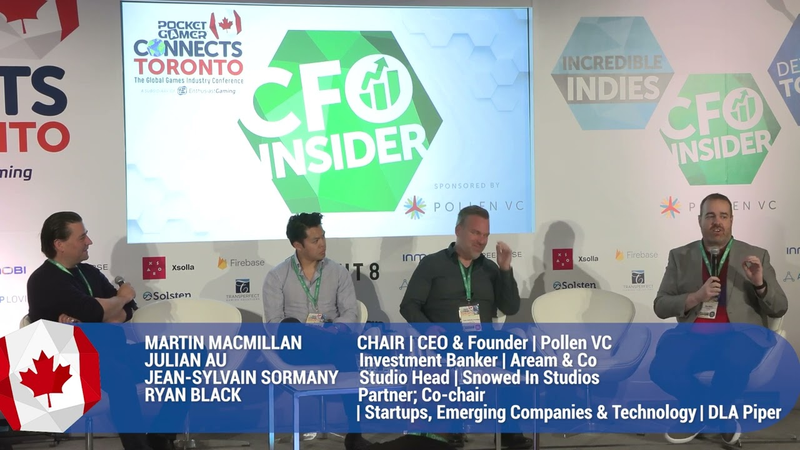
foreign [Music] thanks everyone for uh for pitching up to this session we're going to be talking with some um some some great guys from within the industry from a few different angles about how to prepare yourself for exit what to expect um and um yeah how the whole process works and generally so I'm Martin McMillan the founder of Poland BC we're sponsoring the track um I'll maybe just uh let everyone just do a very quick uh intro and then we can we can dive in yep hi everyone uh my name is Julian Al I work at a Riemann Co
um a Rimco is a gaming focused Investment Bank advising Founders and boards on fundraising and South Side M A so um in the past we work the peak games more drunk games gram games Hutch games um on the mobile side on the PC console side we've advised Behavior here jagex uh unknown worlds um and also Kickstart who had a studio up in Canada um personally I've been with the firm for nine years now and these days lead the North American initiative I'm Jean Sullivan sarmeni I'm a studio Ed and co-founder of Snowden studio so it's a studio that we co-founded in 2010. the reason why I'm in this panel is that in 2018 we were acquired by a large company called keyword Studios and uh since our Acquisitions we went from the 25 employees at acquisition time to 200 today that's just an incredible story that's
amazing growth uh hi everyone I'm Ryan black um I'm sorry for coming in late I was just speaking in the other room and had to run over here um I'm a lawyer at dla Piper which is a global law firm with offices in 40 countries and about 4 000 lawyers worldwide so uh there are a lot of game studios we act for there's a lot of Publishers devs uh but I I personally work in the startups emerging company space so I tend to work on the South Side usually with companies uh that range from Indies to you know full-sized AAA Studios and pubs so um I I've also worked on quite a few uh M A deals in this space and happy to share my thoughts um cool so maybe maybe Julian sort of kick off with you in terms of keep it keep it wide to start with and um what are buyers looking for now obviously there's like there's changes in the market but you know from a from a very high level what is it really that you know that that creates that chemistry for a for for a deal to happen thanks so I think uh M A is all about
alignment between what the seller is looking for and then what the buyers are looking for and if we think about even in this market or two years ago there's maybe three main things that buyers are looking for uh first thing mainly is kind of ideas IP ultimately this is a creative industry it's hard to come up with new ideas larger Publishers like to you know say that they're Diversified so acquiring new IP and games is one way of doing that um the second one is maybe scale so Financial scale or user bases the larger scale of game the more proof points you have that the you know the inherent risk is reduced and then third is new segments or new businesses so this is an evolving industry you know things change maybe they want to move into a new genre or new platform and that can drive M A as well um so I guess for jean-savan the second same question almost another way around when when your transaction happened what
were you you know what were the sort of key reasons you were you were acquired in our case the the acquisition company was looking at talent and capabilities being able to scale scale up what what they were already doing and doing it uh better and you we see this more and more right in the the current ecosystem a lot of companies are just scaling up like uh Microsoft Acquisitions is spread is really just about building up their Microsoft catalog being able to to uh to grow more in our case uh keywords was a service provider they just need it they are basically fundamentally growing by Acquisitions uh often we say when we we go into a period where like where there's a lot of inflation and everything we see a lot of those Acquisitions so you you see a lot of those Acquisitions being done so so we can basically confirm our position in the market and really make sure that we are the player and this is something we see a lot uh and maybe Ryan's maybe less directly
relevant for you from where you're sitting but obviously like you've you've just seen a lot of things go through so like when you be on the other side of the table at 11 PM trying to get the deal done what what do you see as the primary kind of motivators for you know for these transactions to happen yeah I think I think there's sometimes different motivations I think it's really important to know you know if you're a studio who is your buyer and and what is their motivation I mean a financial buyer is very different than a strategic buyer in what they're going to want um you know a strategic is looking for I think a lot uh you know what what we were saying here is about um you know having lots of um strategic ad um ad Talent grow ad Revenue both maybe bolt on some Revenue in a in a market where you're trying to do it there's a number of reasons why a strategic might do it and that might command a higher value um or or more opportunity than from say a financial investor who is going to definitely want a very quick return on their money and they're going to want their money out and I know on the on the investment of my on the banking side you
guys must always talk about you know what is the what are the buyers really after here um and you know trying to drill into that really makes a big difference the biggest Trend I've seen in Canada is that Canada has just an amazing talent pool we have a lot of Dev shops up here we have a lot of of you know really good talent that is relatively cheap if you can qualify for some of our tax credits um uh although we are seeing other markets emerge that make it a little bit cheaper and I would like to see Canada catch up a little bit on the on the tax credit side but um but generally speaking we have a lot of talent and so having a good team actually commands a lot of value right now there's a real talent crunch out there and I think that's one of the bigger drivers that I've seen so so when is it when is it time you don't just wake up one morning and I don't maybe do did you just wake up and think you know what I think we're in a shape that we're looking to sell and you know do the next thing or or do you get approached you know what are the what
makes the ground shake uh if you'd like for a for a transaction to happen maybe first so I think it's always important to always have an exit strategy in your mind uh you you shouldn't be cut by surprise when it arrives so one of the first thing you should do almost as soon as you have your business plan is to think about like what could be my exit strategy doesn't mean that it will happen for us it took a decade to happen and it's it's not like something we were always thinking in the back of our mind but it's important for you to be prepared if it arrived and to understand your motivations to sell I'm still working at that studio I didn't sell so I could I could start a new venture or something like that but this is very specific to my to what we were doing at our studio like I wanted I sold so I could have a mean to scale and to do more with with with the with more more in flux we we saw that at a point where growing was painful by by being
acquired we had like a full structure of the support I.T HR everything that was allowing us to accelerate our growth for other people and we were just like listening to those Indie people it could be for having more the means of doing what you what you have to do and it doesn't mean that you have to completely sell your creative mindsets to this organization they were there are some deals like if you are purchased by Netflix you may sell all your creative needs but if you are purchased by Microsoft for instance like the people that that bought uh the we app if you studio and compulsion games they still retain full ownership on what they're doing and they're still remaining in control they they pick their acquisite their acquired because it was in a in a fit with them so my advice is think about if you were to sell what would be your motivations and and and and try to find that match but you don't have to find it actively it will find you once you are successful and you're ready to be to be sold
cool so so fits fit very important and what and also what comes next in some ways some people may just want to take the cash and toss them the keys thanks very much but in your case it was it was to to have an environment that you could kind of grow into but would take care of the some of the Growing Pains of all the other infrastructures you can keep kind of focused on on what you're doing cool um Ryan maybe on the on the okay same question a different different way way too some from a more sort of transaction standpoint what a you know what what things need to be lined up sure one of the key things uh to realize is that a m a deal really does um kind of lift the tablecloth a little bit and you get to see everything going on uh all the you know all the rubber bands and glue holding your company together when you're doing an m a that actually all gets exposed pretty pretty quickly and one of the key things that we um work with our clients on is making sure that their disclosure ready and by
that I mean um you know someone is going to be knocking on every door and and you know kicking every tire and making sure everything is I'm sure you've been to the President Johnson I'm sure you know just how intense due diligence can be and the number of questions that come um if I can can just give you an example we didn't think that it would come but like at some point they're looking at your software license and what are you using a software like is it all Collegiate are you are you like using like like copies of a software like and it it is it is flag at some point at risk and say like they check every single thing yes yeah so I mean it it's hard to overstate just how much um vulnerability you will experience during a an m a process you know a buyer uh is going to come in and start looking and and you know really really kicking the tires and so for that reason it doesn't mean everything has to be perfect you don't need to be the perfect company but you need to be able to have a story for all of your disclosures so like let's say for example that maybe there was a period of time where you
didn't quite have the right software licensing and so Adobe your Autodesk or whoever it was was knocking on your door and asking questions they will ask you hey have you ever gotten a letter um about this and if if you you know try and hide it that's going to work against you one of the key things that I think people don't realize in the m a process is the disclosure is your friend when you are on the sell side disclosure is what protects you by telling the buyer hey this happened you're setting it up so that they can't come back at you later and say but you didn't tell us about this right and so working with your advisors who understand the process on the investment banking side on the accountancy side and on the legal side HR all these other issues making sure that that they know what your issues are so that so that when someone comes and asks all these questions you actually have a good answer that's much better than running a perfect company if you can run a perfect company just keep it as simple as possible right keep your share structure as simple as you can for as long as you can keep your tax
structure as simple as you can for long as you can that don't try to get too cute with all of your planning before an investor comes in because when an investor comes in or when a buyer comes in they tell you what structure they want you to use right like they're like we understand that you've set yourself up this way but this is how we're going to buy you and then all of a sudden now you're scrambling to to fix things a little bit now of course some sellers are in a position where they can really negotiate that stuff but you know on on the smaller end or on the junior end and if you're if you're mostly Talent you're going to have to really sell your company um and doing that means having a story for all the warts and hairs that they'll find when they start looking so dude I guess do an element of diligence on yourself on an ongoing basis not just like leaving it all and then you know right to the last minute could derail the process um Julian what do you think in terms of from a obviously you've got you work with a bunch of um venture-backed companies and so on as well and I can imagine a certain amount of kind of jostling when either they think or Founders think or when it just kind of
feels right maybe you can maybe you can talk to the the sort of investor Dynamic and maybe some of the metrics and so on that that you see the ground start to shake yeah absolutely so I think um Ryan and John Savannah write everything in the company needs to be in line absolutely you know you can't sell a company if it isn't um and the buyer has to be there the buyers would be interested and you have to find the right buy a fit but the other thing that might dictate timing is you know the shareholders and whether that is the founder or VC backed companies have investors as well um you know you'll each have your own kind of motivation so you know we work with a lot of Founders who maybe they've been through it for a while it's just time for them to sell they have a lot of personal wealth they're locked up in this company and it's just the right moment um but otherwise with VCS you know they have their own fun timelines and things as well and and maybe the value that they are indicating the company might receive in a m a transaction is enough for them so we we see a lot of those
situations and there's different ways to align um but sometimes you just can't align then you have to find the right deal structure that can satisfy both both sides well I guess that's part of your job is to bring everyone around the table when you're doing the rain making right exactly yeah um and so in terms of in terms of the things that you should you should do um John Sylvan you mentioned about uh you know thinking about always having a story right so don't be like you know one day you get a you get an approach you're like oh I didn't really think about that so it's always having that sorry do you think there's a sort of an element of kind of you know doing that storytelling sort of on yourself the sort of like the bigger picture messaging thing that you're that that you're you're trying to achieve at that at that point so I guess how do you how do you go about making yourself attractive so making yourself discoverable or you know what sort of things fed into that process for you I wouldn't spend too much time making myself attractive to other I would
mostly encourage everyone to be successful in general and and that's probably gonna be the spark that will generate the uh the the story itself so first work hard to be successful and and and make sure you build something that you are proud of based on your values and your and don't don't don't go against your value like follow your your value your your core like we we had a company we always said like it's employee first we have no crunch policy we and for us this is important and this was like always in part at some point it came without us knocking on any door on the same year we had three three potential buyer coming to us without us looking around they were just saying hey you're you're that quite a successful Studio we're interested in in what you're doing what you what you're offering are you interested we engage in discussions the first discussion we're just like a no-go for us we were looking
at it and not a right fit not exactly the right place we wanted to be it was interesting but not exactly interesting and enough for us to go into the process of due diligence but at some point was just not the right fit and then we found that company that was basically just a culture fit uh we we loved everything we heard about it and then we this was sold so there wasn't us preparing for this it's it's them knocking at the door I remember like someone just sent me an email saying like this is very left field for you but are you interested in having this discussion with keywords I said well might as well have a coffee first and we'll see and we had a coffee and then I had a chat with another seller in that another company that sold to that company and a second chat and at some point like I started like making the the story that it could work and it could work respecting our values and where we were right so so fit very important but don't don't spend too much time position and
get on with a day job and then they'll they'll find you I think that's what I that's my experience I'm not sure if there are there may be stories of people that wanted to sell these guys are nodding too so I'm going to take that as best price well look I think I think it is all about you know you know if your exit story is I'm trying to exit for a giant value so I can retire you know get out of this business and retire or something that's going to motivate you very differently than if you're trying to to build a studio and I actually really like what John saving just said about you know building something that you're proud of I think that's actually one of the one of the key things in this industry is that even and something that even buyers are hungry for which is authenticity uh and the ability to actually you know you know have a studio that you're proud of have a game that you're proud of um you know I think of some of the deals that I've worked on in the past with Indie Studios with games that um you know blew up for one reason or another or got really popular and you'd be surprised who the fans of those games are those fans might include your buyers right like we we worked on a deal once
with an indie Studio that actually got the attention of Nintendo simply because the you know one of the heads up at Nintendo really loved playing the game and that resulted in in some pretty positive interactions for them uh another example of I think a studio that's done really well which is making excellent products is is clay out in Vancouver uh you know um and and that's led to a lot of success for them you know if you focus on the product I think a lot of good opportunities come the other thing I would say though is that the wrong buyer doesn't care about your game right if if you're telling that story I love my game I love my studio I love my team and they're looking at how much can I sell this for three years from now you're going to have a mismatch in the m a process but for a strategic buyer that could be a really big fit so knowing knowing what your story is really really matters and then Julian on the on the financial side then how you know if we if we take the sort of the strategics you know to one side and then we look at more of the financial buyers how are they looking in terms of kind of metrics and kpis and
you know how should Founders think about how an investor how an acquirer is going to perceive them yeah so I mean obviously a financial buyer will look at financials first and foremost um I don't disagree that you always have to do what's right for the business and what's right for you in terms of building an Enterprise that you're proud of but of course if you turn off UA into three months before a sale might raise some eyebrows so um I think the financial profile the trends as you get closer to your planned exit super important um if you talk if you think about some other types of financial buyers for example private Equity maybe they're thinking about bolt-on Acquisitions in the future what kind of roll-up play can they do so maybe they are looking for a team that can lead that or you know play a part in some kind of larger entity that they want to build so I think there's a different set of considerations compared to strategic wise so and then in terms of time scales you had some ideas around you know like a you know to this idea of sort of diligence in yourself over time what
what sort of things can you do earlier in in the process as a sort of like a I don't know like a three years two years one year if you're okay no one can plan perfectly for multiple years in the future right we all know that but if you were to if you were to sort of like think you know from the early days what am i setting up what you know how should I look and what what kind of diligence hygiene can I do in myself on a albeit low level basis just to make sure you you're uh you know because like most people that do this want to ultimately have some form of of um crystallization value creation event whether they stay on and it's you know they they get to do that within a within a bigger environment or or they just take the cash but um so yes what maybe your thoughts on uh on what what and when and what a sort of a perfect timeline would like would look like yeah absolutely so I think if we talk about multiple years out three years out you think about things that take longer to achieve right so if you have multiple legal entities and no holding company or
something that's going to be a difficult asset for someone to acquire so you know straightening that out is one thing um your accounting policy maybe it's one that most buyers aren't sort of familiar with maybe that's something you need to change um we we work with a lot of Studios that have gotten on fine without any kind of monthly reporting or or financials maybe they don't have investors they have to report to so they just don't have these ongoing processes and I think those things are the kind of things you need to think about like multiple years out and then uh Ryan maybe like because you're you're going to see stuff a lot closer right when it's like you know all the all the the the leg work's been done then you're going to see it sort of you know when it's transaction time as well what uh what would you advise how would you advise folks to think about it yeah I mean uh it's it's a very long first of all yemeni is a very long process and so you know you're getting ready from a very early stage and I think in the short term some of the things you can do is like making sure that you know um uh you know I'll just use a war story
as an example you know I've I've entered many an m a transaction only to find out that my seller doesn't actually on paper own the things that they're trying to sell because you know a developer set it up before the company was set up and so the app account is in the name of something else um or uh the domain name isn't registered writer the social media handle isn't registered right or whatever it is and you know when you're selling something you actually have to have things to sell I know that sounds trite but this is going to actually be sometimes pretty complicated um particularly if you've been in startup mode and you've just been getting things done you know when you set up your bank account you weren't necessarily thinking about someone was going to come in later and look and want to take that bank account over or when you're setting up your app store you weren't necessarily A app developer account or something like that you weren't necessarily thinking about someone's going to want to take this from me right later and so you just been getting it done and and so you can't really be too early in thinking about how to kind of wrap those things up um but on the other hand M A will take a lot of your time and
effort it's a very long process and I'm sure having been through it's not something you know that um once it starts it's quite a drag on the rest of the business so like there is a pressure to get it done and it really really it really takes a lot of attention and so the more you can do to spread that out over time by you know starting early and just picking off the little low-hanging fruit the worst time to go out and ask for example the worst time to go out and ask one of your developers to sign an ipadvention assignment agreement to make sure that you own the properties as you want to sell the worst time to ask is right before someone's about to hand you a big you know bag of gold because that that developer might say great I'd love to sign it how about some of that gold please um so you know you have to be a little bit you know thinking about these things in advance the only thing I would say is that uh trust that there are also advisor you can get to to and hold you to that
process of M A like uh man I'm not just not just speaking for those two two percent but if you are surrounded by the right people they will help you like when we sold we we didn't had a holding company but we had to quickly start one so we could move cash out of the company so it would be excluded from the from from the and frankly it's like all things that like if you are an indie you're not necessarily thinking about the fiscal structure of of an olding company and and things like that and and frankly we even made a mistake because we did it quickly and we created an old call for all the the co-founder and then the year after we had to pay again to re-split that Old Co into into individual Old Co but like you have to think about oh you you you don't have to do everything alone you can basically surround yourself with the experts they will help you setting up what you need in order to sell properly and uh if frankly in my case yes it was a long process but it
wasn't painful because I felt we were supported the entire the the entire way around and uh and never it was particularly stressful or even a drag on our company because because it was we were so well supported that we could continue our operation normally so so with the exception of obvious exception of good bankers and good lawyers uh who else is who's on the stage who else do you need around basically to to help you sort of manage that process so it would be different obviously in different jurisdictions and so on but um who who were the what were the roles fulfilled that were sort of helping you through that process so there's a few people first you need uh you need someone on the fiscal side and on the accounting side so these are two usually two different Specialists that will help you so someone will think about the tax implication and the other one will and the structures of what you're building the other one will be more like under purely accounting and reporting to this seller's company you
need an advisor just someone that has gone through a couple of of m e process and can basically tell you is this a good offer is there a thing you should negotiate more uh because when you go into an offer it goes down to renegotiating a contract employment with the new person that you're you're not anymore your employer so you have a new so you have to renegotiate those things then the rest is really depending on what you're building but like if you have like IPS and things like that you may want to have like people that are experts in that field to support you uh that really depends on what you're doing and make sure you're you you have like a long and good discussion with your shareholders and your board of directors so everyone is aligned and everyone knows what they want in the and if they want the same thing and in our case like the motivations for the exit strategy for we were three two out of the three wanted to continue growing the studio the third one was looking for an exit strategy you better clarify that before
the end so you can have this transparent discussion you said it at the beginning like importance is is transparency tell your your person that someone will be leaving the company as soon as possible in our case we we set on a delay of one year so we could make sure that there was like a smooth transition but one of of them was was out after one year and the others are still there I'm getting very strong threads of alignment transparency you know through all sorts of different aspects of it so Julian when you guys when you guys engage obviously you're not sort of you're just there for the transaction you you I guess you like to build relationships and uh earlier on and add some value along the way maybe have some sort of like tacit input into some of those conversations as well earlier on yeah absolutely and this might be something that people don't realize is that you know you don't have to hire a banker just for the transaction as and when it happens um I'm sure you've all seen the the Corp Dev guys from the large acquirers of lurking around these conferences all the
time doing Outreach asking for kpis um and even from there you know advice on how to handle those conversations how to politely say no how much to divulge those sorts of things are things that we can you know advise on in the background even or just informally so I think going from there maybe you have investors or a board and they want to know is this year the right year to sell as a company in a good condition that's also something that we can help with in terms of providing insights so build those relationships early it runs that go the same for for lawyers as well yeah I think so I mean I I you know actually give a lot of uh talks to um startups and emerging companies group about how to use their advisors properly just because um from the lawyer's side you know lawyers have a reputation you know if there are high hourly rates and building structures and like that and it's true we're expensive um but a good advice um is expensive and is valuable and um there's it's always frustrating to
see a deal where there's maybe an a banker on or an accounting a person on who's charging all these high fees or making it taking a percentage of the deal but doesn't understand the industry doesn't understand your business very well and you spend most of that time and effort actually educating them on what you are and who you are so building a relationship over the long term is so powerful like some of my favorite clients are ones that started with you know a couple of people in their basement building something and then they get acquired you know five or six years down the road and I've been with them the whole time and I understand the business so when the cell comes number one I'm not surprised by it number two we're a little bit ready and number three they don't have to tell me about out their business so that I can negotiate with the other side and work out some terms when I see a purchase agreement come across the table from the buyer and I look at it and I say well this doesn't align at all with my clients Cloud live Services they're they're looking for something that's a little bit more static and discreet that makes a huge difference in the in the on the friction or the frictionless nature of the deal and so I think it's really important to use your advisors properly
there's nothing like good Banker advice on a deal like it's it the the experience and what they bring to the table there's nothing like good accounting advice on a deal when when the accountants tell the lawyers here's exactly how we want to structure it here's the tax consequence everyone's happy it just allows us to do our job so much easier and so you know I think it's really really important for the advisors to work together but also to work with the business to understand them really well so so we've got a little under 10 minutes left so now we can get to the juicy bit of um what do what mistakes have you seen or what do you you know what mistakes have you seen obviously on no name spaces um and what sort of things keep coming back up from an advisor basis and then you know maybe for jean-servan like what do you wish you'd done earlier in the process was there was it something that you that you thought you know if I had my time again doing this then I would have thought about it slightly differently I mean it actually sounds like you had a pretty thought through kind of process so in our case um I
think it went very smoothly and and there's not a lot of regrets looking for looking back uh one of the difficult part of it though that I can see and we had like actually no clue is what was our evaluation right how do you establish your own valuation and I think that's probably a common mistake for a lot of company to uh to set a wrong valuation to their company typically I've learned through the process and basically we had to consult with a lot of people that usually and that me depends on on your companies and and really the some of the potentials but companies are looking to get back their Investments within a three years time frame given your current uh your contract progression so we say eventually in our case we were doing maybe something like 1.5 million years and uh or well it was like from 1 to 1.5 in the next few years they were they were they looked at three years and they offered like five million saying okay this is your your evaluation for the
next three years and when we consulted everyone told this yes this is fair and this is a fairly normal way to to uh to to evaluate of course we did more than that in the next three years but it doesn't count because it's and you shouldn't have regrets because this is the support of the the parent company that basically was an accelerator for us and today we're making like close to 16 million a year of profit and this is just because we have a company in the back that that is that is promoting us and and supporting us it's easy for us to regret saying oh I could have made 16 million a year and I sold for 5 million but the reality is I'm not sure I would have done this and I wouldn't have taken the same risk when it's your company you're you're way more conservative than when you're operating for another company anywhere you they tell you yes take the risk go go fund and a lot of companies are acquiring because they see the entrepreneur be in you and they see that if they unleash that they will you will you will you will succeed in many ways so from my point of view the
biggest thing is try to think about evaluation that is reasonable don't think that your next project because you're you you believe in your next project it's going to be successful and everything this is this is a usually something that like people that that do the Acquisitions are not really high risk taker they want to make sure that this is a safe investment so build your track record and make sure that you can defend your evaluation uh cool um Julie in terms of mistakes people made or regrets or things that you would advise them to do differently whatever what are the key things that keep coming up yeah I mean obviously we like to think that we don't see too many mistakes when we're involved but um I think one thing would be if if you have an acquirer coming to you and asking for kpis and things and numbers and then asking if you're willing to sell and they you know look at all your metrics and then they pass then you probably can't come back to them in a month and say okay how about now there's probably going to be a period I
wish you have to wait before you can credibly come back to that buyer and say hey the business is involved can you take another look would you reconsider this so I think it's about managing that provision of information early on and then also just timing like timing is super important is it the right time now to approach these buyers do you think you have interest from multiple parties uh to create a competitive process and do you keep the relationship sort of open in that period of time would you just go dark and then come back to them or do you how do you manage the flow of information in the meantime yeah I wouldn't say you have to go dark um acquirers will always be there they'll never turn you down because you haven't seen them for a couple years but I think it doesn't hurt to say hello at a conference like this to to them even if you have nothing you know immediate that you want to so transact on with them it doesn't hurt to keep the relationship alive cool nice little plug for Pocket Gamer there um Ryan you've you know again you've you've pulled the pulled the late night seeing stuff coming out at the last minute uh yeah I you know I I try not to I've
shared a couple of the War Stories already about you know waiting a little too long to uh to button up some loose ends in it being very expensive I think what I would say is one of the key things you want to do is understand why you're doing whatever deal it is whether it's an investment or whether it's an acquisition understand why you're doing it and then follow money from there because money really is you know I don't want to be too you know I don't know overly capitalist about or whatever but generally speaking money is how people show value right and so if you watch the flow of funds if you watch the way that the buyer structures the deal and you follow the money you can actually see where the value in the deal is coming from and sometimes I see some mismatches there so like if you're a very aspirational company and you've you're pitching on your your hockey stick so you've had a period where you're down and now you're pitching on this look at how awesome we're going to be because we've started to rise you're going to have to deliver on those things to your buyer and if you're a little too optimistic about that and the deal is structured in the wrong way that's actually going to affect your value whereas if you had not been so
optimistic and the deal had been structured in a different way maybe you could have gotten a little bit more so I understand why it is doing the last thing I would say is a few years back I worked on a couple of deals kind of back to back both were very large technology exits um but in one case there had been you know four or five rounds of investment before the exit and in the other case it was a completely bootstrapped company and I can tell you that when you're doing a deal and you have sold little bits of your company along the way you've gotten investors you have to look out for as a Founder as a director of your company as one of the key shareholders you have to look out for those other investors as well and they're expecting you know their returns also and it's quite different to watch someone who has full control over business go through one of these M A deals as compared to someone who's already had a few Investments has a sophisticated board now has had to do all the financial reporting has had to deliver on some metrics has had to deliver bad news to their investor is all those sorts of things that the
difference is quite is quite astounding and and there's benefits to both but just know which one you are and it was it's really going to Define how the deal goes cool um we have a couple of minutes left I don't know if we want to throw it out maybe we can do one or or two questions at the end I don't know um if anyone's got anything they want to want to ask whilst we've got the guys here cool does anyone have any um oh up let me just pass you the mic thank you yeah hi I'm Falco um so in the games industry you have a lot of these like Revenue coming in in waves whenever there's a new game and you already mentioned developers of course belief in the next game but how do you deal with that when it comes to the valuation of the company where like every developer will always say it's the next big thing right we're gonna it's gonna do 10x better than our previous game is it all burnouts or do you have to wait for a better moment in time like so so that really depends if you are a risk taker you can always structure your deal so the the revenue
from your next title is part of the deal right you you can have like optional component into you into your deal saying like if my next title make over X sales or x x in in Revenue then my my I get a quote unquote bonus on my on my cell that that so you can structure your deal to to take advantage but you have to understand that you're taking the risk at that point and so you set a base value for your company and then a a percentage that goes on top of it if you're you're you deliver on the premise you you did so if you are comfortable with this and if you're really really sure that your next thing is is disruptive and will change saying change you can always have that structure please know that every acquisition is unique and you can structure it in a way that it works for you so if if that works for you that might be the the options one of the best pieces of advice I ever
saw from a from a VC investor was that like when you're pitching your idea to a buyer or something like that you have to be able to back it up to somebody because if what you're saying is I have a great idea and if you give me your money we can build it if you're saying that the alternative is for this person to just take their money elsewhere and build it right and not necessarily what you're doing I mean confidentiality issues and all that sort of stuff but you never just want to say to an investor I need your money so I can right and then so like I think it's really important to make sure that you understand why it is that you're um that you're attractive don't assume that because you had a hit game that the next one's going to be a hit unless you know why it was a hit right if you know why it was a hit then you can tell the investors and that will help assure them that the next one's going to be a big hit but you know the sophomore slump is is real sometimes a company that has you know a really successful game you know the sequel comes out and it's not as you know it doesn't hit as as well and it may just be because the Market's changed and maybe because the studio doesn't
understand why the game was successful to begin with or or what made the first one so so valuable but if you understand that story and you can pitch that to an investor that might really help you cool we are um out of time but I think you guys will be around for a little bit if anyone uh wants to come and and grab you and ask any specific questions so um and then I will be uh giving a talk shortly on a framework for valuing mobile gaming Studios if anyone's to stick around for that then it might be a little bit controversial but um we'll see so um big hands to you guys thank you very much for uh taking the time
Summary
Successful game studio acquisitions are driven by a strategic alignment between buyers and sellers, often centered on the acquisition of intellectual property, the pursuit of operational scale, and the integration of specialized talent. Rather than engineering a company specifically for a sale, founders achieve the best outcomes by prioritizing the development of an authentic, high-performing studio with strong cultural integrity. Acquirers consistently favor studios that demonstrate operational excellence and a defensible track record of success over those relying on speculative future projections.
The due diligence process serves as a rigorous examination of a company’s operational, legal, and financial foundations. To navigate this phase successfully, studios must maintain high standards of disclosure readiness and diligence hygiene. This involves ensuring that corporate structures remain simple, intellectual property ownership is clearly documented, and financial reporting is transparent. Proactively addressing historical vulnerabilities—often referred to as business warts—is essential to preventing deal-breaking surprises that can emerge during the final stages of a transaction.
Effective exit strategies require the early engagement of specialized advisors, including tax experts, accountants, and experienced legal counsel. These professionals help mitigate risks and ensure that deal structures align with the company’s specific objectives. When valuation gaps arise, performance-based earn-outs can serve as a viable bridge, provided the founders can clearly articulate and verify the repeatable drivers behind their past performance. Ultimately, the most successful exits are built upon long-term relationships and a commitment to verifiable data, which allows founders to minimize risk and maximize value in a competitive global market.
























Comments