1 free read left. Create a free account for unlimited reading + AI research.
Create free account
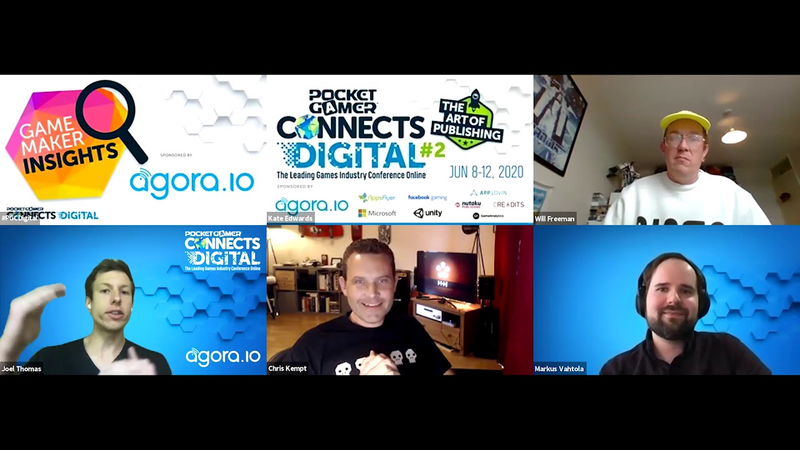
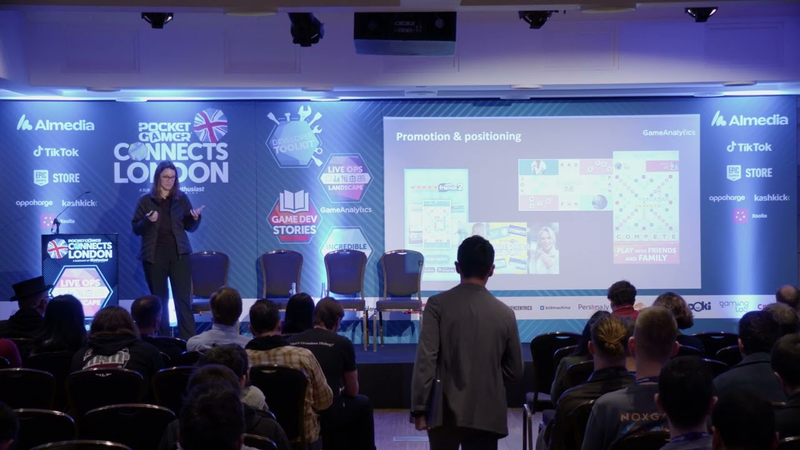
Panel: Making Your Craft a Science - How to Replicate the Success PG Connects Digital #2
Key insights
6 takeaways- 01Implement tiered objective setting to manage project expectations and mitigate the risks associated with potential failure.
- 02Transition from intuitive decision-making to a scientific framework by balancing creative vision with rigorous business analysis to ensure repeatable success.
- 03Adopt a flat management structure that empowers self-organizing teams to take accountability for their specific project lifecycle stage.
- 04Prioritize the development of a minimum viable product (MVP) to maintain core engagement and prevent scope creep before adding secondary features.
- 05Utilize data as a tool to interpret player feedback rather than as a substitute for creative direction or artistic innovation.
- 06Reframe project failures as essential learning opportunities to foster a culture of continuous improvement and transparent communication.
Ask AI about this video
Transcript
this next group like I mentioned it is the the panel about making your craft of science how to replicate the success so I would like to welcome into our forum here will Freeman who's going to serve as our moderator today for the panel and then Joel Thomas from Agora oh and Chris Kemp from dead 5 and Marcus Vitolo from finger soft so I would like to welcome the panelists today and yeah we'll go ahead and take it away hi Kay thank you so much and uh great to bump into you here briefly yeah I will just yeah as our guest joining us
fantastic they have appeared so yeah thank you so much for joining us everyone very briefly my name is will Freeman I'm a freelance game journalist editor copyright consultant does too many different things in the games industry to have a succinct job title and that's all you need to know about me because I'm your host for this panel and you're here of course to listen to our experts who've joined us to talk about this issue of repeating success in the game space and using I hope I don't do this too much in our panel building science to guide that effort now of course success and science in the context of developing and designing mobile games can mean different things to different people and teams hopefully that's why we can have an interesting conversation about it you know that's that what exactly successes in mobile games and what exactly application of Sciences is you know something we really want to get into what kinds of success
are there in the mobile space how readily can they be repeated what insight is available to guide the process you know what about the nuance of IP or the human element of your teams so you know and learning from failure and as much else as we can cover in the next time in the available time so yeah before we tuck into those heady topics I'll introduce I'll get you guys to giveaway if I was going to say in the top right in the bottom left and so on but I'm not sure everyone screens of mine so first of all from a corridor IO developer evangelist Joel Joel Thomas there is give us a wave job yep and from thing soft CFO Marcus well Tyler hello everyone there he is and last but by no means least Chris kempt definitely not least Chris I promised Chris Gant founder at dead 5 so yeah obviously that sound we
could all hear was the riotous applause from home offices across the world from everyone tuning in don't worry I'll manage the being awkward about the lack of us being after hear or see our audience but yeah let's dive straight in to just getting you to briefly introduce yourselves you know I guess your time in the games industry where you are now Joe let's start with yourself sure yeah so I currently work at a core I oh I'm a developer evangelist helping people to integrate voice and video interaction into any game any app and able to enable devs to connect anyone anywhere around the world a little background on for me I I come from the toys and games industry I previously worked at Hasbro and then Bungie respective fantastic yeah just incredible range of experience there um Chris to make you not last this time tell us a little bit about you say who you yes oh I studio called dead 5
which I started with a couple of colleagues or current colleagues that we're ex-colleagues if it is about six months ago and we are building what we think is the next generation of hyper casual games before that I used to do kind of free-to-play mobile kind of but still fairly casual games reasonably successfully and then before that I was in and kind of fillings games through the kind of flash games in the early 2000s so basically I've been making very stupid games for nearly 20 years that was the intro I actually have prepared for you Chris last slide finally Marcus I'm hoping some people and audience might have heard of some of the games of finger
soft so but yeah to hear a little about your your time in games would be great yeah so hello everyone I'm the CFO you know soft game studio best probably known for the Smash Hits in the Mobile Hill Climb racing and in collaboration to my background well it's both in the best using some technology actually and previously working both in the private and public sector and my passion however has been in the games of mine since I started gaming with Commodore 64 in the 90s so I feel that it's the domain where I can put best use all the skills that I have on a finger soft I mainly focus on the inside food matrix so basically the CFO role is also kind of like it's chief metrics officer as well so I have to improve the reporting budgeting forecasting and kind of create so that they are enabling true for efficient decision making so that's how I would summarize my role and before I dive into
the questions on the subject matter just to say to our audience and there's the Q&A function here in zoom so yeah you know using that text function I'll see that come up suggest any questions throughout and we'll give over the last part to try and address some of those questions so yeah I promise I've got plenty of interesting questions but I want to give you guys a chance to ask some too right without further ado let's crack on I will put this one to yourself first Joel which is just that notion of how you or your organization have how you see defining success like success is such a broad multifaceted thing and obviously particularly regards the conversation yeah having about then guiding that but yeah how do you guys define success is it just revenue for example no so Al Gore's mission is to make real-time interaction such as this like ubiquitous and so we want to make like this functionality as easy as possible for
developers so that anybody can connect anywhere through any game you know or website or app and yeah to make that as easy as possible for everybody great moving over to either Chris or Marcus you're welcome to dive in I guess kind of like the framing of what a successful game isn't this in the context of this discussion like Who am I gonna go for Marcus you're looking like this great thoughts going on in that mind well fine in fact as you can of course do they useful and go for the the main metrics that kind of show and tell if the game is a success in economic terms as well like you have to have a good yeah you really like the user base and have the pretension to carry on any experience and eventually like a final and most important would be the conversion stay in user so basically that you actually deliver so good experience and such a high quality
gaming experience that people are willing to pay for so also not forgetting monetization in that sense if you're not in the field of premium games because of course the premium games you just ask for the money right off I'll go in there free to play them also monetization is and that's a good point you know the success those metrics of tracking success or understand the success of are very specific in the frites place right Chris no you know do you how do you see success because I guess what we also haven't touched on is like creative success in this yeah so I mean I could give a similar answer to the Marcus's excellent answer you know and I'm sure there are plenty of other people talking at this conference about the kind of standard metrics for hyper casual in particular but you know I'm glad you said about the kind of more creative side of things because that's probably where I'm more useful
so basically what we we have sort of two concepts internally which we find helpful the first is that we put great important the importance on trying to understand what success looks like and that it's kind of a bit of a weird term and it means different things in different contexts but it's kind of trying to you know this process of trying to create a vision for success before you start it and then kind of you know there's a kind of subset of that idea which we refer to as the kind of success triangle and basically the idea is that anything material that we undertake will always have three tiers of success assigned to it so basically the first one is what is the minimum what's the minimum level of success that we are prepared to accept for whatever the we're undertaking and yeah and basically it's and it doesn't necessarily have to be a success in kind
of financial terms or anything like that but it could be well we want to learn such and such a thing from this activity then there's a there's always a second tier which is the goal right like well what are we actually trying to do with this thing and then there's an upper tier which is the blue sky and that it's always really important to have that kind of stretch goal that blue sky of like okay if this goes really well what do we think it could achieve and so by basically splitting into those three hopefully you more often hit the goal but if you don't you don't have you don't have that kind of avoids you ending up in a kind of failure mentality way where you where you kind of I found over the users that's a very kind of powerful tool fantastic yeah and you know it's perfect you already to kind of talking about a framework for understanding success and I guess that gets us to the science word but before you know I I've got plenty of questions
I could ask you guys directly but I saw a little nodding there Joel did you want to elaborate on any of that if not I apologize for throwing at you no I was actually curious Chris liked to like I wanted to ask you about like what like for the the for the first tier of like the minimum the minimum goal that you set like like what kind of timeline do you give yourselves and how intense like how rigid on that timeline are you like yeah I'm like yeah yeah yeah no I can I can answer that but possibly not in the way you'd like me to [Laughter] I said I mean I I'm really fundamentally believed that one of the biggest mistakes people make making games and a lot of creative context period is trying to assign too many arbitrary rules to things right and and basically and basically so so that so it would change depending on the context so is you know
the the whole point of creating that triangle it's not a pyramid I got into the habit of calling it pyramid years ago but then I realized it is in fact just a triangle but yeah but basically that's the whole point of going through that process is creating a triangle it's like you know looking at the thing and working out what is appropriate in the context of that scene so for example when we're pro swiping games are our game prototypes take anything between half a day and three days at the most and it's about trying to you know trying to create an acceptable objective for that thing so I know it's like if we come up with some kind of really crazy concept that we we aren't sure about so for example we had this crazy idea for a kind of social game of pong the other day and and we weren't sure whether that was really going to be a good thing and so it was like right okay we need to
prove this out as quickly as we possibly can what's the simplest possible way to prove this this thing out whereas other concepts that we're more confident in we might you know plan in the full three days straight away and and really basically getting tied in knots of this is the way we do things is quite limiting or makes you've quite inefficient I will say though that it's kind of inevitable in bigger teams unfortunately management layers that you have to put into bigger teams is what sort of necessity to that mindset but we're lucky because we're small and we get to piss about a lot thank you yeah kind of you know I wanted to see everyone and this like what kind of science something that one more time what a science are we talking Marcus that's right back to you for now you know finger soft you have particulate like how do I guess what I could the simple way I could put this is that how do you understand science in
this context but a finger softer their particular frameworks or models you apply to take previous success and the one thing that we have actually is that we all it's a fundamental of our culture to learn from both success and failures because that sometimes seeing that equal asked that how to explain the success on find the root causes for the success why was it successful was it because of that particular timing I would at 13 that if it was repeat 10 years later it wouldn't be any more success and those kind of things and of course you have to do it like I would say with creative people creative work we're working in this kind of a business that is half a business on half art so you cannot really top-down doesn't work so well in this kind of field so we actually have a very flat structure as well so what we try to with our culture because culture is also
something that all the time keeps moving and fix things so basically every new hire changes a little bit of culture so what that's why I'm using this rider we as management for example our role is just to be an abler so I do although this huge environment where people will share their knowledge and learning and trying to get this positive white going and then people are self-organizing teams and some ideas are so contagious that teams start to evolve around those ideas and then that's where you can see like okay there might be something happening there because everybody's really excited about that idea then we just if they all supported that so that that I don't know if it's a confusing answer or did I answer your question well but how how the culture is and I would see that that's pretty much like maybe it's actually like returning to that point about like how I see the science is that maybe my idea would be that it's actually more of an understanding of
social science that we have to understand that it's the people who create the games and as well as the players so so we have to make the best working environment and as well the best player support so that the players kind of feel valued as well as our employees and if we focus on those things the human factor I think we then nail it um well I suppose we think quite successful at that so far so hopefully we continue on that that's really fascinating right the I guess when people think of applying science to the craft the creative act of making games probably thinking about drawing insight from data and those kind of things and we're very free to discuss those and those remain important but I just wonder Joel or Chris if you had any thoughts on that look on the team the human element the organizational culture is that something front of front of I of course it's his front of every turn mind right but I just wondered if you had any you know wanted to elaborate or go yeah please do
Chris go for it you're stuck now Chris so yeah and so I'll actually first I want to start by riffing off what Marcus just said that you know I think the stuff that Marcus was talking about is certainly true and he's also actually even more true in the context of lockdown and remote working and I'll be totally honest like believe it or not well I don't get everything right one over the years I I'll be honest I've tended to be a reason leader directorial kind of manager leader and one of the main reasons for that is that it's more efficient simply like and because you know I started my career having to try and create games for 2-grand you know that efficiency was like soup and one of the things that lockdowns
taught me is how to be more like the kind of manager Marcus is talking about then and are finding ways to set goals for people instead of giving him tasks and and again goes back to that point about understanding what success looks like trying to communicate with people not what you want them to do but the outcome that you want them to achieve and I think that you know yes the people in the team are hugely important one of the things that concerns me at the moment it's that if lockdown and remote working becomes the standard for the forseeable is how we bring on more junior people because I don't know how you mentor somebody over zoom I honestly have no idea I mean so for example one of the things that I've been struggling with recently is I realize that zoom messes around with the colors and screen sharing so trying to collaborate with my artists to try and get the color balance right is a nightmare and like our quick
tip for either there's a setting in zoom which says optimize it something like optimize video for high pyros playback on screen sharing or something like that and that sorts the color out but for God's sake don't use Photoshop while you've got it running because there's a low level crash which call or clash which causes eternal panic and what your machine I guess it whether you're thinking about remote working in the current circumstance or organizational culture are looking at failure it sounds like having a thoughtful framework around how you analyze previous successes it you know is that I guess I'm still trying to get out like what is this science we're talking about like do any of you have any examples you can think of it like a clear-cut example of I guess the tools or approach is
available like what what do we mean when we say science and yeah so I can actually help so I'm going to bounce from Marcus to Chris like so we start with a peep and more specific with the mentorship I think that's a really interesting point because yeah we now sort of being isolated you have to very much cater to like the it to the individual where like if you start if you're a new person in the company you know you you could probably find your way much better but now like being alone you have to figure out what works for you like specifically for yourself and your mentor like I guess a lot more like you have to be more conscious of it and and so like yeah so to give you a concrete example of like for me doing remote work kind of tracking like okay like my morning routine of like what's working for me what's not working for me like how good do I feel by you know starting the morning like how do I feel by noon how I feel by then and then like making small adjustments and like you know what I eat
or when when I talk to people or when I take breaks like trying to find like what works for me because you know previously I think I just would have done like going into an office so we've just done you know my whatever comes natural right but now I have to be a lot more scientific about like like you know refined in what works for me right I wanted to return next that point you know Marcus you mentioned about like learning from failures much whether is success or failure how do you do you have a very specific process you know I'm thinking when I was a magazine editor in the day after print deadline day we had a post mortem where we you know had a very long and some hunt tense meeting about the proto like what is your what is the lens through which you analyze the success in failures actually that's actually what we use because every idea usually they respond who is
kind of like a recent older or with some holder and we're all human some of us express ourselves through words better otherwise by trolling some images so the format is pretty free like you can do a Pecha Kucha session or you can do really really deep analysis of the whole game on the game design on the mechanics and all like that how you want I would say that it's a it's always a painful painful process usually to kill your darling and go through the pay your life what was the key reasons what were the root causes that why it didn't work and but then as difficult it is actually because we don't usually stop to analyze why something successful is successful so so I would say that there the science part in there is that you can actually like via common elements maybe when you have
a lot of those stories and then kind of combine those together this kind of farm alone some kind of a pipeline process and best practice and have these different elements and kind of this mentorship for different phases in the project and then just have this kind of fun I would say support network like for people who have some ideas and some at some stage in the process maybe it would get stuck they can then just pull out reach out to for the support I would say maybe that that can be some more educated approach but but it's a I would say that every organization is different in some and also the culture so like in in some cultures it's not okay to feel so so at least like in in in Finland we have this really good open culture we share about our well successes but also
the bigger failures and we actually openly we don't even like our competitors we kind of see as collaborators to create this huge industry to make the cake bigger to be enough to share for everyone instead of thinking that everyone is competitive and they're kind of taking the same slice part of my slice or something like that so also that actually that mindset it probably helps a lot because with this kind of events like Pocket Gamer we kind of openly trade information and I think that knowledge spool kinda helps as well to make everything you know I think what we're learning in there one of the challenges in here is every game is different every studio is different every local industry is different every project the individuals and how you know in terms of having a lens or framework to analyze your past success and of course we can also talk about the success of a games business as well as games here but Jarl Chris I wondered if you just had any thoughts following on
from Marcus on how one can be kind of analytical or critical or have a framework when looking at their past successes I'd like to come from a slightly different point of view if that's okay because I wouldn't expect that's why you're here so so basically for a couple of important reasons is quite difficult for me to answer the actual question about kind of analyzing failures because we kind of don't really have them but not for the reasons that art sounds like it goes back to the triangle right because you know if you first thing you do is kind of have this kind of minimum expectation and that's totally realistic because it's important that I mean level of expectations realistic then you don't really have a situation where you're analyzing a failure because it's not you've achieved the kind of base level goal but secondly the other thing I'd be
really interested to see if Marcus and Joel would agree with this but one of the things I've seen really consistently in the industry and I think I learnt to avoid this early on because again because I how started these very very small type projects it's that the the the main reason that any game project ever fails from what I've seen is basically just because of the enormous scope float and and basically what happens is that people give way to focus on features and adding in features and features and features and it's like oh we've got to have such and such because such and such a games got that and then you end up with enormous backlogs which totally unrealistic within the times timeline and lines and timescales nobody knows what working on first and the project basically implodes because nobody's got enough time to actually do the thing whereas if you work the opposite way and
work out what's the bare minimum the thing that you need to do and I think will I'm so possibly stealing in material for later on because that's my but yeah basically if you I've got I've lost my strength or now but yeah basically if you work out what the kind of minimum stuff you need to achieve the success is and focus on that and then start layering things in as and when you're confident and basically like the base thing from my point of view is like have we got a core experience that's fun right like is there something here that's fun right right now we can start layering on top of it and they're basically working in that way instead of kind of from a car this enormous wishlist of staff is invariably much more successful I'd be first insights just following that on from that Joel whether you want to stick to be or not just about you know that idea
of replicating or should we say building business success like you know I guess you guys aren't making a game at the moment you know you're finding success but I presume you want to meet more of that like can the same kind of logic can the same things we're talking about the apply to general business success rather than specific title success I just think mmm-hmm yeah absolutely I mean you know we have use cases that you can find on our website where like if you like where it's a pre-existing app and after integrating this like this video chat you know that this this interaction from Agora they're like user interaction went up like 30 percent the daily or the amount of time people spent in the app went up and so if you sort of just do like a bit if you do like a big basic exercise I'm like like the baseline and then the increase from Agora you know the example would show like like a
30% increase you know for people using that app and so yeah yeah let's see what okay you know or also just like how you guys agora and you know understand your success and how to i guess it's not quite repeated because not releasing a title every six months but you know right I guess yeah it's understanding first of all like are people engaging more and where are they spending their time you know people are interacting you know face to face now or using their voice like which one of those two services do they like more do they like the real-time messaging like are they recording things I think kind of figuring out where the I guess like where the the interaction kind of collects like in which bucket you know it and understanding why for this app
you know like this bucket filled up whereas for this app this other bucket celebrate yeah you making me think as well and this is certainly a question to all of you like when it's not the time to listen to their I'll do it one more time the science because of course you know as Joel just mentioned there you've got different user groups with different needs and you might be serving more than one of them might have conflicting insights or you know this one's own creative vision yeah I guess is instinct there's guts there's experience so I how do any of you guys or what advice would you give on kind of getting that balance right like right you can be informed by information and data and analysis but this I'll reveal something now games are an art form it's more intense so games are art confirmed so yeah wanted to touch on that you know that we're talking about so I'm definitely going to pile in there I don't think you can go
over that will you can't say games are art games can be art and they are definitely an art form but art art was fairly clear quite and clearly defined essentially with duchamp's fancy what 1918 or something like that and and yet and so the games definitely can be art but they're not art by definition but I do think that you know that there was a spectrum on which any game can be placed which runs between art and I'm not entirely sure what the other end of the spectrum means but the more sciency thing yeah and probably what kind of defines it is the the goal of the of that particular game so so for example the closer you get to something you want to be a very mass-market very very high like you know like the very very big free-to-play games the closer you're
likely to be up on that sciency spectrum now I didn't necessarily mean there won't be any art or art form in it but you know you are likely to be leaning in more heavily to that end of the spectrum and then at the other end of the spectrum you have a lot of the big kind of console e-type titles and a lot of people would talk about things like I guess the latest the older game and I mean will you'd be able to lift hundreds for us right but but then even though if they even they under the kind of definition of art aren't really art either because like art you know I can't really give you a like my three year degree and most of the time they're not trying to make some kind of societal comment on the art form in its in its in and of itself which is kind of the definition of fine art and so the only
example I can think of that would be something like for example depression quest which effectively questioned the medium of games in its in and of itself and so that kind of self referencing thing which is part of post-modernism is is not really in a lot of games that people would talk about as being art but but it's on that spectrum yeah and that spectrums really fascinating as you say some games are probably more suited to being very guided by science and other games might be a purely creative endeavors with no interest in success however you measure it and from a general conversation I'm taking away that it's best not for your isn't it whether you're an individual creator whether you're part of a team like yourselves it's best not to commit yourself to one point on that spectrum between guided by art and guided by soil science but be free to give yourself the
capacity to move around it sorry that was a very well put but does that make sense to any of you intelligent if I can well we're back to the prior comments from Chris about them well the future board because actually that really I felt the comment because that's actually something that I I have observed as well on seeing that many many things kind of struggle with that sometimes and and I feel that actually is like core in understanding as well like when you have that time theme that way you're building a product and if you're not completely sure about the core on the chorus hearings then maybe it's easier to be misguided also by the data so so in that sense I would say that actually like the most critical and sometimes I've thrown in this kind of a focus guide that you
can apply a parrot or the eighty twenty percent rule in the game design as well right I I feel that for example 80% of the core experience the game of you can come from the 20% of the features and then if you have a twenty five features you you can quickly eliminate them and get quiet and then you definitely should go one more rule to just chime in on that one tree to the point key feature that you have to get to be the diamond I feel that if you if your team is so crystal clear on the vision of the game then they can actually interpret much better the date as well that under the feedback that they can get they kind of also had can have the kind of the courage to say and kind of disprove also the data that okay but actually tease this was actually tested for example in the wrong market and this game is completely going for an opposite direction of you we really stand behind
our product so we actually gonna gonna focus a little bit more on that and do another test in another market and then they like it can bring out great successful product at least test at all I don't know how you feel about that chillin so yeah I roofing on that of like you have the like there's the feature blow but I wanted also I guess bring up that when you analyze when you're aiming for success of analyzing success and failure I mean is it possible to have a very tight game where you know the the core is there it's not bloated well it could it be ahead of or behind its time and so Marcus you mentioned like when you analyze success and failure to like would this have worked ten years ago or would this work like ten years in the future you know like I'm sure there's there's a few you know at least a few examples I nothing comes to mind right now of you know a game that might have been particularly well made and you know well-liked by at least some people but it might have been
ahead of its time right and then it might not have had the success that it could have had were you know we're just a different time in place well it's a fascinating thing for and really interesting and but we already have five minutes left just a few minutes left but fortunately the first question so yeah we've already got three questions in the Q&A from the audience for just as I said that let's see how many we can get through fortunately the first actually continues nicely and more deftly put something I was going to ask about IP you know a studio can have a hit with IP and then to degree become beholden to that that one maker success can perhaps make moving you can become as the person's put it stuck with successful IP I'll read the person's question directly from here do you believe that diversify and survive at the same once a company has a game that
financially supports them well they've asked to the teams need to be divided so one innovates and one expands on the successful IP or should they just focus on what works of successful IP Marcus to see you have said to me previously that you have had some successful ip's but not every game just some thoughts about that how you you know divide between IP successful IP and something away from that well of course that's all always you have to consider the team and what are they motivation as well on definitely I think that that's actually a really good question on brings is mind think that sometimes it might be that the teams they kinda have the right person for certain periods of timing the timeline like let's say that we make a game that's gonna be evergreen for 20 years for example it might be that there's one key person who is really good in the in
the beginning phase but then there actually would be a better person to be leading the way for the next five years for example and that's a that's a well challenging actually to be able to recognize who is the right person for that so so definitely like in the past week we've been recognizing those people who are who are best to pull out and continue pushing for example the original income raising and then sample who are the ones in the foundation to and sometimes that people can be that some people would have already expirations to start working on completely different IP if they work ages in with the same game we are all pretty people so sometimes it might be that we working like up there for a change it could be interesting to do something else so so yeah that's a very good question but I don't have a good answer for it actually question right and somebody who knows the answer and with apologies for rushing and just dive
into this one I'm just going to do them by order and I'll put this key for obvious reasons Joel which is you know nowadays players developers have options of adding things like Agora in their game you know and I imagine you think Agora is a good option generally that idea of adding external features to an existing IP instead of recreating the wheel you know be interesting to hear your thoughts on because I guess the counterpoint phase developers have quite a lot of options to choose from so yeah just from some rail yeah absolutely I mean you know i think that like with the gore when adding this kind of video interactivity you know you increase the get you the increased engagement between the people like you know when you're playing a game it like you think yourself like would this be fun with like playing with my friends yes okay well then let's try it but I think it's also important to keep in mind like when you have a tool like this to or a
feature to design in a way of like okay what what's something I can make where like this can't possibly stand up on its own without without this feature right like you have to have this and so a good example is a game called we were here which it's it's a two-player puzzle solving game where two players in different areas of the map communicate via walkie-talkie and it's and it's using Agora's voice interaction technology and basically you know you you cannot complete the game without communicating to your to your teammate to get through this like spooky castle and so I think that that's a great example of a game where you know it won't stand up on its own without this extra feature fantastic and in theory I think I have about 40 seconds to go so before I get in trouble with Pocket Gamer or I'm Kate if I believe is still our host I've been asked this really simple one what sorry Kate you're good you're good you're doing great thank you what's more important the data user feedback community management or
innovation so that's what's more important here the data user feedback slash community management or innovation you're each allowed to answer that very very briefly ideally with picking one Chris right fantastic Joel do you on a dare to answer this indirect questions briefly is that sure I'll go with with data because sometime I think you know studies have shown what people the actual result of something can be different from what you think that actually happened or what you think that you wanted and so I'll go with data fantastic Marcus do you wanna give that one a go I will say that actually it's the players who are the most important soul community management together with the user feedback so engaging them in the game design since beginning of the creation of the IP right fantastic and guys and thank you so much that yeah I
should master all my questions playing this time but actually actually we do have time to go through the extra questions so yeah we actually have probably about five minutes or so if you want to entertain the other questions yes yeah sure I can we please feel free I can do that and there's some other talking points we hadn't talked and so yeah and audience I've got one more question from you guys you maybe have to slip another one in and it's just ya know it is updating but right so an anonymous attendee you all are has said Chris is on point with game projects copes boiling over and imploding yeah curious to ask how can team members but i stubborn creative directors and communicate red flags of this sort without damaging kind of internal relations in the team so yeah answering how that how you want I might put that to yourself first of all Chris as it mentioned you you know troll manage that
side of things so yeah I saw this coming a while back and I have been scratching my head were trying to work out to answer it and I think there are a few different ways I can answer it which is that I mean first of all good communication shouldn't damage in interpersonal relationship relations i but i equally but the problem is that it takes good good communication on both sides right and so so you know unfortunately you can with you know highly creative people and highly driven people you can off loggerheads and you know and it's a very it can be a very difficult situation to resolve and so I think that that brings me on to the second part of it which is it's really a leadership challenge and and I think that you know you have to try and it's not always easy as a leader to cultivate a culture where you are
accountable to your team members and your and your kind of I've always thought of my role as basically being there to try and protect the team from from that problem like that's a big part of what I do and but at the same time you know it's also important to drive the team and give them goals and thinking about it yet again another reason that triangles so important right because you know it's like keeps you some bounds to work within so that like okay we want to achieve this a minimum but this is the goal and if it goes really well then let's try and achieve this on top of it right and then again it's another tool that you can use to avoid that feature creep stuff so yeah and I think that unfortunately I think if you unfortunately it's like anything in life right if you at the end of the day human beings have had been having relationships for a lot longer than
they've had businesses and and the same rules apply in relationships as they do in business which is that if you're trying to communicate in a constructive manner and it's not being heard then at some point you have to say well this clearly isn't working and there's actually with apologies I will go back to it when you skip a question because it follows on from some of your arms there Chris and was for success to come a lot of failures must happen we've already talked about learning from failure but what about kind of boosting team morale even after this kind of being defeat or failure because that's really nice right we can talk about being analytical about failures but there's also this something that's come up again and again if the human side of managing a failure I don't know if anyone wanted to touch that one well I have a thought although the word failure I would say that maybe it should be changed to learning because
I think every project you will have even if it's not meeting its goals that you had said set for it maybe it will at least have brought some new knowledge your team most likely so in that sense I would say that it's by creating with the culture on getting away with the stigma of the failure just trying to make it so that it's motivating absolutely share the learning some kind of celebrate the learnings so every project brings in new knowledge right so yeah that's nice that idea of I guess it's through the culture of your studio kind of if you don't mind adding to that I think as a counterpoint to that I think it's also one of the big problems that I think happens in studio sometimes particularly now and now there's so much live ups and so on is that we too rarely celebrate our successes and that's a big part of
managing the failure like because if you don't stop to celebrate the success there's no you know you can't expect everything to be happy and flowers all the time you have to have both you know it's okay to go that was a bit actually but but only if you go wow that was amazing right so yeah I think yeah and a great example that because a couple of months ago we actually had a record month and every employee received a gift from the company a box full of chocolates and cookies from Prancer this famous chocolate make around that surprised everyone because it it wasn't only to celebrate just with the team but actually the whole company because everybody it was such a big effort that we had done as a team so we kind of wanted the whole company to make part of it but that's actually something we've been kind of completely feeling as well that we have to remember to celebrate the successes because it's so easy to
just oh yeah it's a successful game on just continue like spontaneous always tight how we've you've got you can take you've got two questions here if you can answer like really quick because we have just a couple minutes left so if you want to take one and have like a really short answer well we already had an audience question on new IP verse existing IP so maybe I'll go for the next one which is I've chosen they're really easy to answer briefly although it's very important factories that the you know you've now also got kind of player communities and the interaction between player communities you know I guess how can our root you know the question is sort of saying about being dragged into conflicts but actually with apologies to
the person that answered it just to sort of lean into the discussion thus far it'd be really interesting to hear about if there's any examples you've got or thoughts you have on kind of learning from success and failure with having communities where very positive and very negative things can happen and I'll interject for times sake that maybe keep it like a one-word answer your your quickest advice on this hundred question one-word answer I've to you well chip in so basically community community management and basically just go into a couple of shifts in a in somewhere like a little chef or a restaurant and learn about customer service and then apply that to again Joel I wondered if you had any thoughts for effectively your platform is bringing together people in games in a very simplistic description of it right sure yeah so I guess like in reading that question it's like how do
you avoid conflict or how do you avoid getting dragged into it I think I don't think you can avoid conflict but I think you can you can adjust how you respond to it and so I think that ideally you know you at you would create a foster community that takes care of itself right yeah I think and how you do that is up to whatever scientific approach you want to implement but I think the I think the community has to take care of itself in to regulate that like bad behavior Marcus did you have any final thoughts on that one oh you can't just say that's actually a great answer from doing that I would double that one because yeah definitely leading by example so creating the culture of the community and by moderation you can get it it's always been better when you get the culture absolutely so deep into the game as well so that people kind of self moderate fantastic well I think we
better call it an end on that note so of course thank you so much - Joel - Marcus and Chris for their insight and their time and their effort there Thank You Pocket Gamer for putting that together and them all the people pulling the strings behind this to actually make it happen yeah they're tight for putting up with us and mucking around I guess at this point kay Oh hand by coach to yourself great thank you so much you guys for great
Summary
Achieving consistent success in the mobile gaming industry requires transitioning from purely intuitive decision-making to a disciplined, scientific framework that balances creative vision with rigorous business analysis. By treating game development as a repeatable process rather than a series of isolated creative gambles, studios can better navigate the complexities of user retention, engagement, and monetization. Central to this approach is the implementation of structured planning models, such as tiered objective setting, which helps teams manage expectations and mitigate the risks associated with project failure.
A core component of this methodology involves fostering an organizational culture centered on continuous learning and flat management structures. Rather than relying on top-down delegation, successful studios empower self-organizing teams to prioritize the development of a minimum viable product. By focusing on the core experience before layering on additional features, developers can effectively combat scope creep and ensure that the game remains fundamentally engaging. This process requires a nuanced understanding of the spectrum between data-driven optimization and artistic innovation, where data serves as a tool to interpret player feedback rather than a replacement for creative direction.
Leadership plays a pivotal role in maintaining this balance by reframing failures as essential learning opportunities and establishing clear project boundaries. Effective management involves aligning team motivations with the specific lifecycle stage of a project, recognizing that the skills required for launching new intellectual property differ significantly from those needed to maintain evergreen titles. Ultimately, the ability to replicate success depends on a studio’s capacity to integrate disciplined business practices with a healthy, transparent culture that encourages accountability and constructive communication. By prioritizing these human-centric management strategies alongside technical rigor, studios can build sustainable frameworks that thrive in the competitive mobile market.















Comments