1 free read left. Create a free account for unlimited reading + AI research.
Create free account
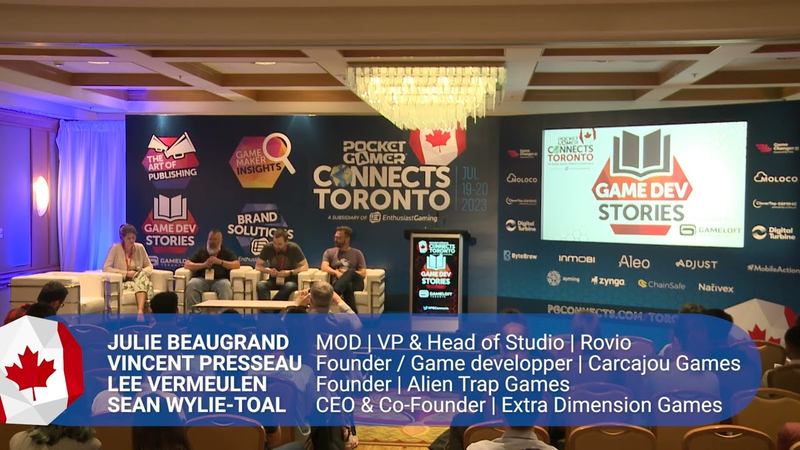
PANEL: Learning from Mistakes: The Big 'NOs!' in Game Development.
Key insights
6 takeaways- 01Align incentives early with investors and publishers while establishing an organizational culture that minimizes internal friction to balance creative ambition with production realities.
- 02Achieve long-term stability by evolving incrementally within established genres and cultivating a consistent brand identity rather than attempting to reinvent genres with every release.
- 03Foster a culture of trust that encourages ego-free debate and empowers individuals to make definitive decisions to maintain momentum during the inevitable emotional decline of a project.
- 04Mitigate the high risk of burnout by having leadership actively model healthy work-life balance throughout the labor-intensive execution phase of the production lifecycle.
- 05Prioritize shipping imperfect products over indefinite development cycles to avoid the trap of projects that fail to meet key performance indicators.
- 06Distinguish between productive persistence and the sunk-cost fallacy by using objective, data-driven analysis to decide when to pivot or abandon failing concepts.
Ask AI about this video
Transcript
[Music] [Music] thank you [Music] we are now going to another panel with another another impressive woman of the video games industry what I really love is how many how diverse and how mixed this audience is this is fantastic so I'd like to welcome to the stage for uh the panel to close Game Dev stories uh like Julie uh bogrant I've probably spent a round of applause please [Applause] hello everyone it is wonderful to be here um you have probably attended a bunch of amazing talks today and heard a lot about people Nicholas Cage amazing now we're actually going to learn about what not to do and today we're going to talk about learning from mistakes the big no's in game development so we have with
us an expert uh array of panelists here very seasoned leaders so from games hello Lee from Alien trap games hello and Sean from next extra Dimension games got that correct so before we get into it I actually have a question for everyone in the room um who here can think back to a time where there was this giant blunder mistake and that actually helped you improve your team or your organization can I get a show of hands okay okay not bad Okay cool so we're in a group here of fellow failure hackers and mistake makers so great this is a safe space so we can get right into it and show exactly like really the cool thing about this is that this allows us to learn and grow and ultimately brings us to our successes so I'm going to start with a big question for for each of you which is can you think back to uh you know a
huge challenge a big mistake that you've made and ultimately what you learned from it um yeah I could talk it's funny I agreed to do a panel and they put me on the mistake panel I don't know I don't know I I don't think we've ever had a bad launch I was thinking about that because you sent me the questions before but I think when I thought about our biggest mistakes that we made that I try to just tell people about it just the experiences we had with Publishers in the past and uh really I try to just give a lot of advice on that just find the right Partners is the the biggest thing I mean that applies to a lot of things I think the biggest horror stories you hear from other Studios is this bad co-founder bad uh sometimes bad hires for a very small team but usually it's bad publisher so I can get into a lot of details of that they're gone they've weren't bankrupt so I'm happy to talk bad about them thanks Lee Sean uh yeah there's there's certainly lots of failures that you accumulate in your
years in uh in in game development um uh I've got a number in terms of uh you know failed product launches um failed successful product launches which is a unique combination so um when we launched The Simpsons Tapped Out by way back in 2012 it was uh you know load tested and we did all sorts of launch prep to get it to a certain threshold but uh when it actually went live it was order of magnitude more popular than expected and that uh that caused an order of magnitude more bugs to show up uh uh and we had to pull it down from the app store which uh we had recently been acquired by EA and that was uh you know not a great way to start that relationship but you know there was there was tremendous consumer sentiment around it people really loved to play it even though it was really broken it was still making making money and we were afforded the chance to sort of rebuild it from there and it you know it was it was ultimately the best education for
for EA as a whole as to what success actually looks like in Mobile and and helped make better products across the portfolio and you know taught me a lot about what it actually takes to run uh crazy stressful live Ops environment awesome thanks Sean Russell can you think what comes to mind like well uh there's a few things um as a developer who's all who's still in a uh like a startup mode uh basically everything I do could be taken as a mistake um but also can be taken as an experience and then you learn from it and then it doesn't become it becomes you know like [Music] yeah and uh so you were you were mentioning uh you know bad co-founders um on on Iris on my side uh I was the the only founder so so that might have been
considered a mistake as well because you know like when when the going gets tough um you know having a a good co-founder or having someone else that you can talk to or you can you know spread the the the stress uh can help a lot you know uh I've been I've you know I have a team right now but it's super hard uh finding like a co-founder somebody was as as crazy as I am where where I want to go and um but you know like I'm still looking and you know it it helps uh to be able to you know to share I love that and yeah I think that's you're you're touching on something really important which is it what can feel like a huge mistake or a huge trial that you're going through at one point with time actually turns out to be exactly what you needed at that point to take you where you're gonna go so it's cool that you you experienced it that way Lee you were mentioning you know talking about VC and I think we can just talk about funding in general and maybe um some pitfalls to avoid here in terms
of what you should be expecting from VC what you what well I don't know about VC like I think in the chat before we uh We've avoided VC for uh the game it just was never necessary for the type of games that we were making I think you have a lot more experience with VC we have not related PCS okay uh but uh yeah we we've we've had uh I think what we were talking about just all the different ways that you can fund a game and then sort of the things to avoid um VCS can be the type of thing where they're looking for giant multiples compared to a publisher that might just have a little bit of skin in the game of that game and there's just a ton of other options so I guess what's the question really yeah yeah definitely so those are alternatives to VC and I think Sean you got you had a yeah I think with anytime you're taking money from an external party you have to make sure that you're uh incentives are aligned and your objectives are are the same and you know venture capital is something that that people talk about you know it's it's the ultimate thing
it's it's sort of like a celebrity kind of uh kind of status but it it's really about having the highest of expectations for for yourself in the company that you want to build uh which implies also turning down smaller opportunities right so you you cannot be satisfied with small success you're only satisfied with a large success and that is a very different kind of company than uh you know a lifestyle business which can be very viable uh you know lots of Indies can make that work um and there's there's crowdsourcing and uh you had a number of things that you rhymed off there Lee but you know but before you take someone else's money or before you try to get somebody else's money really make sure that you understand what they expect and think deeply about what you actually want and what kind of company you want to build yeah so the importance of alignments you want to add to that well I'm not really into VC right now but now I mean I've been discussing what all about a lot of Publishers and I
think it's still uh I mean I would agree with what the what's been said because I think it's it's basically the same thing make sure you align um you know what what you want to do don't just say yes because you want the money yeah so I think there's a really valid point and if you take that into just thinking more now about the team and how important alignment is and how important the culture that you set is and so are there yeah experiences that you guys have had or challenges that you've encountered in uh you know creating an environment for high performing teams things that have happened and things that you are now doing differently um I've when I've when I've met a lot of other Studios one common thing I find is they kind of they're like well we're best friends we should start a studio together and that's it's not really a good idea like there's a great phase if I can remember it it's uh um a friendship based on business is stronger than a business based on
friendship and what that means is that if you uh have a partner that you really work well together it's about mutual respect and you become friends over time it's a lot better and you both have things to do it's a lot stronger than a bunch of guys coming together a bunch of friends I mean like let's figure out a role for everyone and get through it because then that ends up with disasters and bad co-founders and people that don't pull their weight in the uh and then bad feelings overall um so yeah that's that's one of the biggest horror stories I've seen it becomes much worse also with family is another thing that I've seen uh but yeah yeah Sean I think you were saying something about also being overt in your culture yeah I think like culture in particular just like raising money like all these sort of topics it's very important to be explicit and remove assumptions as much as possible so like do you want a command and control structure where like you're the boss and you tell people what to do or do you want more of a producer model where there's there's trusted people who are going to be creative directors that are going to lead a team or you're going to
have a more flat organization where everybody contributes and tries to figure it out together like those are very different things and they cannot coexist uh and if you don't Define what it is ahead of time and you bring someone in that wants to be part of a flat org but you want to tell them what to do it's not it's not going to work right and that's that's not any one person's fault well ultimately it's the CEO's fault everything's a CEO's fault I think that's the most advice I can give you but um uh uh if you don't if you aren't aligned on on wire there and and who you're trying to find then it's going to be really hard to to build any sort of high function company definitely so you know talking about that building up a game and thinking about the audience which is something we talked about quite a bit you know are you building a game around an audience are you finding like the game that you love and then like trying to figure out if there's an audience for it which way which way does it go do you stick with an audience over the different kinds of games that you go over um what have you found has been the most
challenging when thinking about the audience of the games that you're coming up with um yeah I've been thinking about this a lot lately with our company where we just we're very dumb in that the products that we create are just so different each time that we're not keeping the audience like we shared like that that's my my advice to a lot of young Studios is to like not do what we did where each game we you know you spend four years on a game you want to make something completely different so uh uh we spent four years in apotheon which is a Greek mythology game it's like okay now let's make this weird roguelike that doesn't appeal to any of those fans and then we do the same thing and now and then we just finished a game called Witchwood last year which is a narrative craft and Adventure the term like the most commonly it's great on the switch worth casual game is in our next game called gun head is an FPS that no wish word players would like and then so I'm realizing that that is a very dumb thing to do is that we're catering more to our own development sensibilities where we're just sick of one genre move to the next then rather than actually keeping an audience so um it really is
it's terrible to sort of start from blank each time with a game when it's really it should be building off the success each time you should like the great thing to have with the studios if you have these people that like follow you to the next game to go on your Discord you hasn't you have a newsletter you're not starting from scratch each time hoping to have uh to hit an audience um so yeah I think that's I I don't even know if we're changing it feels like we're the next thing we're planning is actually going to be completely different again but um that's the main advice that I would give like find genres to stick to find niches find an audience and then cater to that audience I think it's a great thing to do so how do you think about the audience for your games um I'd have to agree because we're we're we're doing basically the same we're doing the same mistake uh whereas you know like we were working on one type of game for for one one type of audience and um so we had like we have like a side project that's working and instead of uh
instead of going into the same direction we we try to go you know with something completely different because we wanted to try [Music] um to to to maybe you know poke like an other another Market instead of you know maybe cannibal cannibalizing um but it is it has it's it's problems with that because as uh Lee said um you start from you start from scratch every time so you know you got to be prepared for that um so so if yeah I would probably say the same thing if you're if you're going to be doing something you like concentrate on that thing first and then uh and then build upon it yeah yeah our audience is super important and you have to focus on it but you'll never know if it's right and it'll drive you crazy because it's impossible to be certain right like you there's no audience book that you can read that's
going to give you any answers and it's this it's this crazy tension of belief and research and Faith right like there's there's a triangle and you can pick some sides and and do some things like that but it's it's definitely true that you cannot build a game without an audience in mind you have to have like a a purpose and something that you're trying to achieve and people that you want to appeal to but whether or not something's going to work is is something that you can waste a lot of time on in in my opinion and it's it's more important to try to find like find the nose right find the things that you don't think are going to work that don't resonate with the team that have examples that have failed that you can't improve that just are too small for the the revenue or or download size that you want to try to go after and try to think about it that way but it's it's a really hard topic I mean talking about the team and having a game that is really in line with the motivations of the team and the expert
how you guys found any challenges and balancing that out so uh the team's expertise what the team actually wants to be doing um and then their motivation over the course of the lifespan of the deaf cycle which is launch and obviously Beyond in a lot of the games so has that have you found any trials and tribulations in that well nothing makes people happy to work on a game like success that's that's uh that's cold hard truth so The Simpsons was amazing to work on because it was The Simpsons and there's this great Nostalgia thing and people didn't really like Farm like simulation games who were working on it but it was The Simpsons and it was making a ton of money and it was really cool to work on and uh that you know in our our current company we don't have a Simpsons that we're working on and it's it's sometimes challenging to align you know really passionate Gamers with the Casual audience who like there sometimes feel like they're at odds so um
you know it's it it's it's situational I think some people have the ability to really care about the craft and uh sort of what you're making and understand the purpose and the direction and the vision and some people have to work on something that they themselves personally are passionate about and it's uh it's just different on our side um since we're like a very like a smaller um smaller team I think it's it's it's super important that you know the team believes you know what uh believes into the the project and and in the the the the market or because it's sometimes you know we since we don't have you know all the money and all that you know so the incentive is is to believe into in into what you're working on because that's that's what you're holding on to you know so there's no you know there's no uh yeah not yet
um you know like the incentive of of success and you know making you know printing money and stuff so you just gotta you know believe into into what you're what you're doing and uh making sure that you know the team is is is is is super cohesive uh you know like you you were talking about like culture uh you know you gotta you gotta make sure that everybody's on board you know like in the same direction and uh you know that they believe not only in the project but in the team itself and that yeah you know sometimes you know you know when when we were looking to hire people um you know like one thing I kept saying was that you know like I prefer having somebody that's a team member with less um knowledge because like you know like being a competent uh that's something you can learn but you know being being in in a a-hole
um that's something you know like that's super hard to change yeah 100 so recruitment's important and Lee I guess you have something to say on that since you guys how do you manage that do you have any friction when you're going you you explain that you were changing genres with each game and like Direction how does that um yeah there's a motivation wise there's a graph of like this common in Game Dev Twitter and such of like enjoyment over time with the Game Dev cycle where the Prototype is really fun and you're really happy and exciting think about all the possibilities then you expand that to a game concept and then now you have to actually make content and like fill the thing and make it an actual game and it just like dies down into like and then um you know then the game starts to you start to question yourself you're like what is this even a game do people care do people want guns on their heads and then you get near the end of development it's kind of and then there's a little bit of excitement that happens again because you're close to release but you're you're like okay this is finally working Pieces come together um so it really is just managing that
just knowing that that's gonna happen every time there's not like there's really a Game Dev experience where you're like Minecraft and you release a beta Alpha then everyone loves you it's more like you get a concept it kind of works you spend a lot of time on content you question yourself some things don't work you you take all these different paths that have to go back and sometimes you make terrible mistakes it adds months to development time so it really is the way that we've kind of managed that is knowing that expressing that to the team they're like yes we're good this this thing we spent two months on sex but we can you know as part of the graph is figuring that out uh and navigating all that stuff and then we also try to have that's a reason to have multiple projects because it's like uh um developing a game is really an emotional roller coaster of like some days things work out and it feels awesome but that's it's the same sort of thing when something doesn't work it feels terrible uh so when you do have multiple projects when there's a lot of other things going on when not everything's dependent on one thing then it just makes that emotional roller coaster a little bit easier to bear and especially when you have um a team like that with uh people
working on different things and it's rather than uh a single person having all that emotional weight we also try to just keep things interesting on the team so like one guy is not doing UI programming for the entire time because UI programming is notoriously terrible um and then yeah that's the I think that we just try to keep all those things in mind to keep team motivated and just and you kind of haven't been through through Game Dev Cycles at all it's all kind of the same in that way yeah it's it's really true the the cycle of the start of the projects is so much fun it's it's everything's possible and everything's new and it's like super exciting and it it definitely can get can get tedious and and can start to drag and shipping things quickly really helps um you know even if it seems half-baked you know you learn a lot from just getting it out there seeing whether people will play it could be internal play tests like Discord private releases or or whatever but just forcing yourself to be done with it at a
certain point really helps and it because it's really important to move on as well because you can get really stuck I don't I don't think this is the section where we're really talking about this sort of thing but I we've we've done that a little bit at our our current my current studio um where we we've worked on games for too long like it always seems like it's really close like oh just a little bit more a little bit more a little bit more but um you know in reality it's just never going to get there and it's it's not actually going to achieve the objective but you you form a real emotional attachment with it sometimes and it can be hard to to separate from that and uh you know move on to something else but it's uh yeah yeah I think you could touch on something that's really topical right now and in today's like difficult Market is quite common like how far do you go I have a game I feel passionate about it I have this idea what the kpis aren't there yet are they going to be there one day ever and where where do you where do you draw the line and that's a really really tough decision to make so actually maybe one more question before we go to questions for from the audience and
um you know just segue into decision making in your different teams and stuff and how has that been challenging you know like I know Sean you guys have a bossless culture which is awesome you know have you like noticed any friction on being able to make those kinds of calls like who is there is there like an organization um that that still allows for you know for it to be bossless but still for someone to be able to make the calls you know is that something that you've played around with and I think same goes to you guys specifically around decision making yeah so we a lot of us uh at the extra Dimension games have worked together before so we have a shorthand and there was a lot of sort of just imply just working history right like we knew each other it wasn't quite friends from before but we we had worked together closely on The Simpsons and we sort of knew each other and we were all fairly experienced and so we we actually didn't talk about decision making or really of over culture
um and it was really problematic so nobody brought new people in they didn't know what was going on so like who is making decisions here and how is this actually decided like what's happening and trying to be really flat then you're you're deliberately not trying to apply pressure but it doesn't work unless you actually talk about it so definitely talk about it uh don't leave uh hard things unsaid you're gonna you should be having hard conversations basically every day but it should be free of emotion right like hard conversations are really really important whether they're like interpersonal or challenging ideas or whatever it happens to be those have to happen because otherwise you won't make creative progress um but if you don't have a framework if you don't talk about how those things are supposed to happen then it just it just Withers people people just don't don't engage so so so basically we didn't do it but now we do do it so now we have this like better bossless culture that's sort of more a bit more established um uh you know we have we have a a a clear structure where we have uh you
know lots of discussion and advice Gathering someone is is set to they're like you're going to make the decision uh on this topic and you can get as much advice as you want but you don't have to take the advice it's not your obligation to to necessarily be told what to do if the decision is yours you can take it and you can do it um uh but then you you also are accountable for the result not not in a way like you get fired that there's if there's a something doesn't go go right but if you ignore advice or you know don't don't follow procedure or whatever it happens to be then you know there's there's just a conversation to be had there but because everyone is is invested in uh you know helping the company succeed uh that that public accountability and being able to talk about whether or not someone actually met expectations um is really powerful so that's worked really well for us um also the key point for decision making is I think this is
my pet peeve right now is I I refuse to make decisions in public they should always be solitary you should have as much conversation as you need and there should be lots of disagreement and and advice taking and all sorts of things but trying to decide things in a meeting is I think really fruitless and I hate it um yeah decision making like that I I think it's kind of um for us it's that we each kind of know like the decision makers at the company we just kind of know the area that we have but even that we we argue endlessly on some things when there's a little bit of overlap say with I'm sort of the technical or business and the other person might be creative it doesn't overlap which is like the game mechanics that hits both the arguments could last like months of like uh going over this and really figuring it out but I think the important thing that I realized with that and really all like a lot of the decision-making process is that uh it's really good like it's good that if everyone's really passionate about the like which way they want to go and the decisions being made but as soon as data
needs to contradict them there needs to be no sort of ego behind it and it's really important to get across and it's something I try to really get across to every hire that we make is that when you have when you're you should defend like are hard for your technical decisions that you make and so I try to get across the programmers but the instant the data comes in or something that you're proven wrong you need to switch your ego off and then just go with it like that you could it's hard to sort of passionately argue for something and then be able to let it go instantly when like weekly held I guess and I think that's one of the most important things that I've realized for good decisions anything well one thing I'd say you need to make sure like within your team is to have somebody you know like depending on like design animation modeling whatever like every uh every field you need to have somebody that you know is the one that makes the call I don't know like like because you can argue about things like over and over
and over and again but in the end you need to make and you know like it it is you got to make sure that you know like he he or she or they um are the one that makes the final call and then because at one point because like as an artist you know like in my company I mean there's always stuff that you can you can add and you can you can tweak and as you were saying and like I remember uh during my time at Ubisoft um there was like towards the end of a production there's this this this person that comes that's a closer any that person is just there to say you know it's good enough uh We're Not Gonna fix that this is you know they're closing the project so you've got this whole list of stuff and like this gets an extra hours to finish this doesn't you know like it doesn't matter and you need to have that um uh you need to think about that you know
sometimes and most of the most of the time you know good enough is good enough I mean you can always tweak but at one point you need to ship the project you know so so yeah yeah no I think those are really good points and maybe I'll plug in the five dysfunctions of a team for anybody who's working on a team I think that is a really valuable read if you haven't uh read it and it mentions one of the things in order to have any of those like discussions disagreements on months like you were saying Lee in order to get to a decision that people are you know or or feel accountable for like you were saying Sean uh and the base is really trust and I think like having that base Trust on a team if you don't have that you're not going to be able to have all the you know the disagreements that you need to have the conversations the accountability that you need from everyone on your team so I think those are really valuable points you mentioned and I really recommend the book um I think we can take it to q a and open up the floor to anybody who has questions for for people on the panel this has been a wide topic so you can feel free to
of Game Dev stories and we can also take somebody who wants to share their own experience maybe a failure that you've had that maybe over time you've also come to realize well that was a failure but that's actually taught me so much that's helped me got to a certain point so also interested in hearing some of those stories any any uh any failures oh there's a man here thank you very much thank you very much for volunteering failure that's what we want to see that's good hello uh so yes I am a failure yes I one of First Step One of the most favorite things to do Albert is I like to experiment with stuff experiment with ideas new ideas new technology everything's popping up new and I just kind of want to explore it and you guys touched on the uh on the idea of focus on just having that one audience and try and focus on that section but you still end up swapping to
different ideas so you go from first person shooter to roguelike to RPGs to all to puzzles um so what if that's something you want to do you want to explore more of different ideas you want to learn more about different genres as well as your primary audience or your primary genre absolutely sounds like your entire business no I like a uh one one company that I really admire is a super giant the guys that made Bastion and Hades they had this ability to sort of make a very similar game in a completely different genre each time using the same technology and then each time they get better and better and they learn from it and that's the sort of thing like no I don't think anyone would think that super giant games are like they're they really are different genres but each time it's a top-down game same engine and has a lot of the same great art sort of not not even different directions but kind of they're learning each time and that I think and also they get the same
audience they're like someone who's interested in a super giant game usually it's interesting to the next one because they're people that like to try a different a lot of different genres um so I think there's still ways to do that there's still ways to have like a core audience there's still ways to use the same technology and that's the way to do it not make a cozy crafting game and then an action FPS like we are that's not the way to do it but yes cool any other any other kind of any other failure volunteers I'll volunteer because I you know I've failed as well we've all failed I I'm interested because I specifically with small Studios I I've run several companies in the last few years all relatively small compared to some of the big companies here like 20 to 50 staff I I personally feel with delegation all the time right and it failed to separate work from uh work my wife would tell you this a lot work work from sort of regular balance I sense in game development that's even more of a of a challenge because it's so intense it's the hardest art form right you're trying to trying to make something looks beautiful but plays well things are
falling apart all the time how did you guys find that as well did you struggle to kind of separate life or just take too much on yourself uh yeah I mean like I think that goes into the same thing I was talking about the team motivation where it's an emotional roller coaster I can kind of embrace that now and if something really goes wrong with the project it's not like well this game is shitty I'm shitty and just give up on life it's more like well this game didn't work out so we're just gonna move more to the next one so I think it's kind of like I just have that perspective a lot more now where if something doesn't go right where the project I can kind of keep living my life rather than that being the end of everything yeah yeah that's what it comes down to how how much experience you have with stuff just being on fire right because that's the nature of most businesses isn't it when you first this is fine when you first ship something that takes down uh you know hugely successful product and nobody can play it you panic but the third time you do it you kind of know what to do and then the tenth time hopefully I don't know why you're shipping so many people but you should
do something else there's some sort of run book and there's procedures and stuff like that but so it's like you get used to living in that in that stress almost and so you know I we embrace the stress we try to have a fairly healthy uh uh work set up we've got like uh unlimited vacation and encourage people you know take as much time as they need do people take it though yeah they do we we average like six weeks a year that's great no it's great it's there I wish they could let me vacations I think people could take as much time as you leave not this week though because it's quite a lot on so well you've got to model the behavior and and it has to actually be important right so if it's actually part of the principles I wasn't picking a part your policy I just know it's the thing that people make it's definitely a thing a lot of times that's just fake but um uh my point was more that uh you know I've gotten to a point where I know there's like there's always crazy stress going on and there's ten thousand things that need attention but I I am now able to compartmentalize it and like have dinner with the kids because that's important and like make that time and have stress
and life and coexist and it's important um to be able to understand that balance and not understand what's important to yourself and and be able to get it and if you don't get it from your current job you should leave it's hard if you're in charge but maybe it's not I don't know I'd like to say you know like um I'm still learning on this because yeah uh the the the the sooner you you you take this the better and I'm still I'm still um I'm still not doing it you know so you know like I do have a big family my family doesn't see me I'm working a lot I'm pretty sure a lot of people you know can relate to that and uh you know everybody's gonna tell you the same thing it's like you need to take time for yourself and you need to separate and and and you need to listen to these people I know even though and it's it's it's
it's one of those case of you know like you do what I do what I say not what I do yeah um you know like I'm I'm getting there slowly uh you know like I'm starting to you know come make some time yeah but when when you're you're knee deep into your your your like your first projects I mean you're still you're you're in the The Learning phase yeah and you I I guess you need to go through it at first to understand why it's so important not to do it yeah cool it's super dangerous that's how like kids end up in QA doing 36 hour days it's like ah it's what you're supposed to do go in the coal mines and find the bugs well but uh misery loves company right I feel better actually I feel better sharing uh can we count that from the video if my wife has sees this she'll go ah like I said all those times cool um do you have any follow-up questions they're all they're all oh there is one
more failure at the front I'm not sorry if you're not a failure so it might be something completely different none and then we'll move on after that I should have thought that through um what are some of the telltale signs that you should let go of a project or what I'm basically asking is when do you know that you need to let go of a project before you end up in an insane asylum it's when it's too late I think it's extremely hard like is it still on yeah so yeah yeah it's I a lot of the people I know that um succeeded succeeded based on just persistence like that was the most common factor I've seen in people who've succeeded startup games wise has always been persistence uh but at the same time I would never get some of the advice to not ever give up because there's certain times you got to give up remember the advice is don't give up on everything but just give up on that path of like that Game Dev path go down a different path sort of thing um so give up but don't go all the way back just go like I think of like a tree branch you just go back a few branches
and go up another thing give up a little bit yeah cool but yeah I don't know when you like it's so hard to understand like it's completely up to you of like does this work or does this not work when you crush an ad how do you know how you can change your product It seems impossible to answer that in a general way I think what can be challenging is like also try to get a bird's eye view like you usually your your head is in it you're you're and so you don't have like a very subjective you're about whatever fire is going on right now if you kind of find a way someone and then for yourself to take yourself out of it for a little bit to try to have a more objective view on it I think that can help a lot it's definitely the hardest decision that you'll ever make um and it's very subjective so you have to have the tenacity to see things through but you have to have the the wisdom to know when to stop and that's a really hard contradiction but advice overall is like hearing that someone needs glasses and offering them your glasses it's just it's not the same for everybody everything's different and it's up to you to sort of think critically about it and understand it in
your own context so excellent and on that note sorry it's probably bad advice anyway no no I feel bad now don't make me feel bad no no uh was I was uh what I was gonna say is like if you're you're working with with uh like a project or like a something it's like show it to people around uh that's one thing and you know build yourself a community and you you'll you'll see if you know if they like it if you're having a hard time building a community maybe that's a sign um even though if you you're you and don't don't be too attached to your things um you know I mean kill your babies um try you know try try taking stuff away uh as fast as possible to see if the you know what you're doing is is still works if it does I mean probably you don't need that thing in the first place cool hopefully that was useful advice on that note I have to bring this to another I'm gonna have to end this particular project which was brilliant thank you so much I've run a pause
please to this panel so so good [Music]
Summary
Game development success relies heavily on the ability to transform operational failures into strategic growth. The primary challenge for studios lies in balancing creative ambition with the pragmatic realities of production, specifically regarding business partnerships, team structure, and audience retention. Aligning incentives with investors and publishers is critical, as is the establishment of a clear organizational culture that minimizes internal friction. Rather than attempting to reinvent genres with every release, studios achieve greater long-term stability by cultivating a consistent brand identity and maintaining a loyal audience, a strategy exemplified by successful developers who evolve incrementally within established frameworks.
The production lifecycle is characterized by an inevitable emotional decline as projects move from initial excitement to the labor-intensive execution phase. To navigate this, leadership must foster a culture of trust that encourages ego-free debate while empowering individuals to make definitive decisions. Maintaining momentum requires a disciplined approach to shipping products, even when they are imperfect, to avoid the common trap of indefinite development on titles that fail to meet key performance indicators. Prioritizing the completion of projects over perfection is essential for organizational health and financial viability.
Sustainable growth in the industry also necessitates a proactive approach to human capital. Leaders must actively model healthy work-life balance to mitigate the high risk of burnout inherent in the development process. Ultimately, the ability to succeed hinges on maintaining an objective, bird’s-eye perspective on project viability. Knowing when to pivot or abandon a failing concept requires the wisdom to distinguish between productive persistence and the sunk-cost fallacy. By integrating data-driven decision-making with creative passion, studios can better navigate the complexities of the modern gaming market and ensure long-term sustainability.















Comments