1 free read left. Create a free account for unlimited reading + AI research.
Create free account
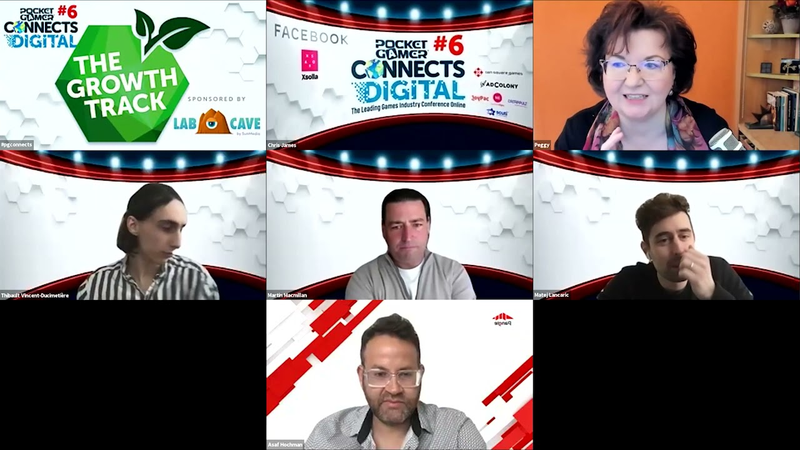
Panel: Best Practices in User Acquisition & Retention
Key insights
7 takeaways- 01User acquisition strategies are shifting from a reliance on Facebook toward a diversified mix of channels including Google’s Universal App Campaigns, Unity, and AppLovin.
- 02To maintain liquidity and growth, developers must prioritize short break-even cycles and integrate finance and acquisition teams into a single, unified unit.
- 03Marketing should be managed as a dynamic financial investment where capital is reinvested as long as marginal revenue exceeds the marginal cost of acquisition, rather than operating under rigid monthly budgets.
- 04Playable ads are a high-performance format that can increase install rates by two to three times compared to standard video advertisements.
- 05Creative optimization requires robust testing frameworks and regional tailoring, as creative efficacy varies significantly based on specific game genres and local market nuances.
- 06Re-engagement campaigns are most effective when targeting users who have been inactive for fewer than two weeks, while product teams must simultaneously remove progression friction to mitigate churn.
- 07In the hyper-casual segment, growth is driven by broad, non-targeted campaigns and the inherent quality of core mechanics rather than complex meta-features.
Ask AI about this video
Transcript
up next we have uh i think it's a double header of panels certainly one panel coming up uh and two we're i'm sure our panels are adding into this panel is going to be on the best practices in user acquisition and retention um it's not going to be hosted by me i know that'll be a shame for many of you there who have come to know and love my dulcet tones but uh it's actually gonna be hosted by someone who knows far more about these things than i do um so i believe we have coming into the room um uh uh our good friend peggy hello peggy peggy and sals how are you peggy are you i can't quite hear you yet she's just joining um she's going to hi peggy hello there i love your dulcet jones indeed i do have lovely to have lovely to have you uh lovely to have you uh with us um for this um yeah um
are you are you uh your panelists are joining i think steadily they're coming rnd joining do you want to uh do a quick intro or should i i'll let you do it i don't want to interfere people heard enough of me i'm just going to let you um i'm going to let you kind of uh do the do and talk to them there's there's at least three of them i don't know how many you've got probably 100 but i'm going to move i'm going to move on and let you take the stage i'm hearing the background if you need me with any issues um and i'll try and questions will come in the q a if you want to add those i'm sure you have plenty of questions your own so over to peggy who's going to run this this panel all yours thank you thank you so it's uh great to be here and it's such a good panel because of course best practices that's what we all want to know uh we do have to introduce the panel so i will um kick it off i'll just go in order here we have two representatives of uh hyper casual casual games um maybe to belt you uh kick it off we know that you are indeed from voodoo but what's your position there again please
sure so hello everyone uh my name is tibo and i'm running the parabalas team at voodoo so it's a bit more on the creative side of ua but uh yeah i created the team and i'm managing it i've been managing it for for three years now absolutely so you're gonna be talking more about creative creative optimization mate you are more focused of course on trap light that's going to be mid-core another different approach another different perspective you'll be bringing to the panel but you also have battle legion recently so that's going to also uh be something that you're discussing maybe just want to give me a little bit of background so that everyone in the audience understands where you fit tebow is very focused on creative i think you're very focused on strategy it is uh is basically strategy creatives and also like the hands-on work on the ua side for all the all the ua activities for for trap light
and battle legion and of course what would ua be and retention if you can't finance it and if you can't sort of join your teams around it and martin that's where you're going to come in um of course uh from pollen vc but for our audience maybe you just want to tell us a little bit about how you're going to bring that perspective to this best practices panel sure hey peggy so um yeah so upon what we do is we provide capital to help scale via page user acquisition so we're super focused on numbers we've got a bunch of different modeling tools we help people understand their their metrics of paid acquisition and uh when when when you've got when you hit roi positive um then it should really be a case of like you know how can i scale this until the economics don't work anymore until my until my acquisition costs approach my my lifetime values and we are you know we're we're we work with 100 nod developers helping them scale up just by providing
capital to throw into that user acquisition formula uh in a very capital efficient way without having to go and raise venture capital to uh okay and of course it all doesn't make sense if the measurement doesn't work out and if we don't have some best practice from understanding for example what you're doing is off and not just within pango but within the regions where you're also very active and you'll be bringing some of those best practices maybe tell us a little bit about pango first sure so nice to meet you guys uh i i lead product marketing at angle so pengo is the leading uh administration and user acquisition platform uh in asia today uh it's part of uh by dance which owns tiktok and other properties that that you may know uh and yeah and we bring i think a unique perspective on on a market that many of you would like to be more active in and that's exactly where we want to start
but first of all i wanted to start with it's a very practical hands-on panel and i want to understand just to kick it off you know how have you been working it's work from home that is the new normal what's your best work from home tip i'll just do a a round call maybe start with us off and then we'll go backwards what have you done to work better in the conditions we have so good question i think the best decision i made is four months ago to get a dog and it's been it's it's been amazing i can show it to you guys it's a cute king charles cavalier and it just makes the days without colleagues much more fun okay i'll go for that martin what about you um reopening schools so when when i'm able to work from home and my wife said work from home without having to to homeschool three uh three minis as
well uh so that's been a big uh big revelation we were locked down for about three months or so here so yeah back at school as of today that and uh i'll i'll go with um with the staff as well we've got two kittens recently and uh whilst whilst they they learn to be you learn not to have them as sort of uh time wasters they're also pretty good company and keep you uh keep you safe in the days behind the imac there you go we have two votes for pets is keeping us sane mate what about you well to be honest i'm pretty much enjoying the work from home environment for some years already and now this like covert situation i even made this even more broadly appealing for other companies but like my best uh not tip but uh workaround is just you know not having the calls for everything just sometimes you don't need to have a call it's just like one small text on slack or email is more more time efficient
than organizing the call for 30 minutes or one hour for like 10 10 people so that's something that really like made my time efficient i'm sticking to that exactly that's why you're going to give us tips on being efficient in ua in retention you've had so much time to work at it what about yourself yeah well it's not very original but it's the same i got a dog and uh forces me to go come on guys yeah very happy about my dog okay all right so we're going to talk about we're going to do ua then we're going we're just going to do the journey going to start ua and we're going to go through to retention maybe even a little bit of other steps along the way when people drop out of the funnel and get them back but kick it off with midcore because mate this is the one where you have to be smart about spend they are not cheap to acquire they are very expensive to reacquire um what has worked or what are the
differences really compared to last year yeah well to be completely honest with you like battle legion is not a typical mid-core game thankfully because of the visual design and and then everything that the game represents we are seeing pretty well low cpi's in comparison to other bitcoin games which is great but um last year well we global launched the game in july so it was pretty a nice ride usually you know um working with uh with the main uhl facebook or uac communities and whatnot right now this year which is like being very big difference between the this year and last year is the performance on facebook which was definitely stellar last year but now in the last couple of months the performance was dropping quite significantly so that's why we started like moving away from facebook and starting like approaching the different channels like uh missed play or
focusing more on unity and now like the biggest difference is the performance on uac campaigns it's it's really like a couple of years ago i i'm pretty sure i wouldn't say this but uh uac has been performing absolutely amazing this year in comparison to last year so being being smart about like um moving very efficiently the budgets between the the facebook google and other channels started to work pretty well for us that's interesting i had heard about the drop-off in facebook i wasn't aware of uac really going through the roof tebow i'd like you to weigh in on that i have some other questions obviously for you but just from your experience as the other publisher on this uh panel is it the same for you yeah uh it's actually funny because we had the same experience so uh trying to go more uh go hard on on unity ads and app loving and i want so then facebook
because yeah there's definitely been a drop and uh and yeah other than that i mean the difference the key difference i guess between midco and hypec hypercasual is that hyper casual we have uh lower cpi and it's really about making a product that from the get-go has a low cpi so it's it's kind of it's kind of a head start i guess for for ua to to really start with games that are so easy to to market i mean that's always been the way for hyper casual talk about the retention curve that you're aiming for a little later on because i think that may or may not have shifted everyone is talking about hybrid casual as well you work strong on the creative um can you tell me about the adjustments that you're making in order to make a difference in ua maybe there's something there maybe it's something simply in the creative or perhaps it is in the game play what is working for you right so something we did uh with babel ads and i know it's kind of um i don't know if a lot of people in the
audience are making a lot of privates because they're kind of expensive to make but uh from what we can see they tend to ameliorate the long-term retention of users so when they are acquired through a to a player that they tend to stay longer in the game and this is very interesting because on top of that uh you have high instruments uh maybe uh so yeah so that that's it i guess for but that's is the really something you should consider when you when you're launching a game or high package or mobile at all so you want you want to put that into numbers so maybe just general numbers tebow on on what you're seeing first uh the you know because playables are a format that's working but how do you judge that we'll get later to measurement but i would like to hear that because you brought it up sure yeah so i don't share a lot of them obviously but we are seeing we're seeing a lot of potential with prevalence we're seeing uh
ipms and install rates it's the same thing right but there are double compared to videos and we are still the most exciting thing i guess is that there's still so many things to do and we are still managing to uh double or sometimes triple ipms that we thought were would be like the maximum like when you get to seven percent in slow rate or eight percent for a hyper casual game it's really super high already and uh we still managed to to improve that by like 50 100 percent so yeah i guess i guess that's my numbers for now some amazing uh metrics i wasn't aware of that so that that's good that's something that uh is just a surprise to to to pick up here i won't let you go on that one um martin you work with so many companies in this space i mean metrics like that what does that make you consider in terms of best practices here in ua i mean it sounds like it's going great for him so what is that what do those numbers
tell you as someone who looks at funding and keeping you know that wheel get turning so so really for it i mean in terms of like reading the tea leaves from a from a finance perspective there's a couple of things that really important um first how quickly you break even and then you know what obviously what that ultimate ltv journey goes on to be and you know we've seen and worked with a bunch of companies both developers and publishers who've got these crazy crazy short break even cycles which means that if you're looking at through like a really effective financial lens that you can you can be recycling and re-spinning this money back very very efficiently into ua and hyper casual so we love hyper casual as a as a as a sector because the the half-life is is so short right so so we did a we did a thing recently published a couple of months ago on our website um what we call a uh hyper-casual velocity calculator and showed you with you know with how
many days to break even how many times you could spend that same dollar around the track within one payment cycles of the ad networks and obviously you know if it's an ad network it's got like net 30 or net 60 days then you can literally cycle that money sometimes 10 15 times around the track in in within the same time frame so so that that's really what we what we kind of like focus on and this really really rapid recycling money back into ua because obviously the worst thing that you want to do is to blow your ua budget you get you know halfway up and then you just run out of puff and then you just drop like a stone so so again and you know i mean like finances is is is part of the whole picture we think of it all as like a you know like an orchestra right you've got all the different parts of the orchestra they all need to be working and they all need to kind of you know be gelled together and you know finance is just it's just one one of these one of these different things so it's really about again obviously you have to have a laser focus on the numbers and then really thinking about what those numbers are
telling you in terms of your ability to reinvest and keep investing um and and sometimes that can really make the difference between um either kind of go or go no go on on a launch or sometimes it forces people to to to maybe work with publishers just purely out of financial resources whether they sometimes could do it themselves and you know it's different in every situation but um i i think i think finance people typically focus their sort of user acquisition costs and and some of the some of the the product metrics sometimes ahead of the financial metrics when really ui is just an investment equation so we try and we try and sort of like stay very focused around just that sort of the the the way we see things very smart to stay focused as you said as an investment equation and to think of that we're gonna talk about metrics but another thing you need to think about another thing you need to focus on rather a soft and that's why you've been quiet down there but now we're going to bring you in because
when talking about the formats it's one thing to discuss with the performances from the publisher perspective also finance but um i've been hearing that uh playables are quite uh you know quite successful and uh quite the focus now you're exploring a number of different formats um active in the asian market maybe perhaps you can bring some of those insights first from the asian market you know what are the formats that might have the biggest success or the the approaches to ua that you're seeing there that might be able to be textbook models here yeah so i think one of the most interesting formats with with in asia especially in china but also across asia our ad format that depicts people playing the game so i think in in the us and emea we we often see kind of voiced over gameplays
videos uh which which can be similar to to streaming gaming content that you may see on twitch or youtube uh so in asia they took a step forward and the grown trend is like hilarious funny ads that just show the people playing the game uh and kind of you know you see part of the gameplay but but more than that it kind of shows you how the you know how people feel and what the experience that the game leads to so this is super interesting to a certain extent it even reminded me of the of a tick tock of a tick-tock format you know it's vertical it shows people going through an experience so this is very cool um and what's the impact on on ua it's it's uh can you can you give me some sort of range because this is a successful um approach showing people with the game play what what makes it outstanding for you so so we we
see it across our clients that they're leveraging it we didn't do the the research of uh you know this format versus versus others okay uh but but it's definitely a growing trend and and you know i i can't give you an exact number but it's getting uh it's getting uh uh high high performance okay so we have that high performance um tebow that's an interesting format i've heard a lot about that as well but you know the streaming the gameplay um having people enjoying the game is a great way to acquire people for the game um what are you hearing what are you seeing have you explored that or is us up here bringing us new news from asia that we'll be seeing in the next year yeah i guess it makes sense for maybe for games that i see in asia they they kind of have a more complex game with a lot of elements so i guess it makes sense uh for hyper casual just stand
playing standard playable ads in a way they kind of do for for the us for what we see already and again i think there's a lot of potential already just making things that are very simple already there's so many uh unexplored territory within creatives like what we can do and uh i guess like it all depends on your on your budget also in the end like if you if you have a lot of money and you want to to be super innovative uh i mean there are a lot of things to do but also if you if you're kind of on a budget and you want to make something that works there's also a lot of possibilities to do and again like with the simple things you see like the videos the playable ads like you can already make something super creative with that that brings a lot of performance maybe you want to weigh in yeah yeah because uh we tried these uh influencer type videos with uh people playing the game
um when compared to other other creative concepts this didn't work that well on any channel so it's also important to say what channels are you using for these type of creatives what type of game as well and also like as i've mentioned probably these type of videos will perform differently in asia in comparison to other ua european or u.s markets so we tried that didn't perform that well also the same thing with playables for example we're using playables on net networks mainly on unity but when we are comparing the results between facebook uac and unity playables only facebook no way it's like complete trash uac not that much definitely better than facebook depends on like the the the beats and the inventory you are actually showing those playables in but it works absolutely perfect uh performance
like uh people mentioned like really high ipms um definitely way more unlocking way more scale with uh with playables on networks even for mid core game okay it's interesting because uh we have we're only like a third through here and we've got so many questions coming in we must have hit we must have hit some sort of uh chord here because uh people want to hear more about hyper casual they won't hear what you said about your channels as well tebow but i'll move forward a bit in the discussion just to cover all the bases here we still have to get to retention we got a while to go but i do want to step back to one thing because uh i've written about it extensively also for pocket gamer as well as articles and podcasts elsewhere you know things are not going to be so simple going forward it has been a massive influx of organics it's going to be a completely different game going forward and we're going to think differently because the data is not always going to be applicable that we have now you know
compared to pre-pandemic so everything is going to change including how we work around funding and i want to bring this up to you martin because this is another aspect of what you talk about which is you know what do you need to do when you have to rethink and it has to come down at some level to how ua teams work with the rest of the company specifically the finance function um that's a big part of what you do but what can you say is a piece of true best practice and advice around this you know what what does the relationship between finance and ua need to look like in order to pay for this and not break [Music] down um so yeah we again we've just worked
with a bunch of different teams we've seen this work really well and we've seen it work um we're a bad thing we've got maybe a little bit of sort of contrarian thinking around there there's a really i mean finance in ua should be like when they're joined at the hip and financing user acquisition is a is a is a shared problem with the marketing guys um it work it works much better right and actually there's um we're sponsoring the cfo track tomorrow to try and you know talk about financial literacy and and and force the highlight on you know on um on uh you know how people need to think about sort of financial planning and stuff and bettering stuff so um but the key thing we've seen is uh is when you've got this idea of set budgets um and the sort of separation between the finance guys and ua guys you know and very often depends on the size of the company right the finance guys might sit in a different office or a different team or floor and they're just focused on numbers which they should be right and the ua guys are sitting around the
corner whatever and they're just focused on on metrics and so so that i think the worst the worst kind of travesty you can see is money being left on the table when ua managers know that the ua is working the numbers are returning really well but they they operate in this idea of like a fixed budget so your budget for the month is 100k and the ua manager thinks hey my my best practice here is to go and spend 100k get as many you know high pi ltv you know low acquisition costs whatever it may be and that's what my that's what i'm kind of measured by and you know and so many people still still operate on that on that basis and where we've seen it work really best is basically the finance guys and the ua guys sit down together and figure out have we got have we got a machine here you know is the way you know for as long as the well is open for drinking how are we and it's a common problem between the finance guys and the ua guys going to you know going to drink as much
as we can until it dries up and so so so again having this sort of um this idea of working together it's a shared problem it's not you know you're a finance guy i'm a ua guy it's like as long as that well is open for drinking everyone should be sitting around huddling around saying okay how are we going to maximize the opportunity until you know ashura's death is taxes two things are going to happen the acquisition costs are going to rise the ltvs are going to crest and you know if you were if you were being sort of purist around demand economics theory you would you would buy all the way up to basically the intersection of your of your acquisition cost and your ltv in economic terms that's where your marginal cost and your marginal revenue intersect to maximize profit in reality you're probably not going to do that because the vagaries of freemium you don't want to be under water on it but if you if you set some parameters and it could be i'm going to i'm going to keep buying until you know until i make a it's maybe it's a five percent or a ten percent i mean everyone's going to
be different and then just factor in factor in if you have to go and raise external capital whether that's debt or equity or revenue based loans or whatever just be really really focused around you know by the time you focus the extra cost of financing in does it still make sense and so you're you're just looking at it purely from a financial the viewpoint but where where the finance guys and the ua teams are joined at the hip and it's a shared problem that's definitely part of the recipe for success where you see we've we've seen it with public companies right i mean public companies have have a different a different problem and we've seen it you know like q1 q2 q3 they're spending a ton of money all the rest of it by the end of q3 let's say the budget's gone they can't go back to the cfo of that company and say hey this machine is really like making hey i need more cash because all of these things have to be set up you know a quarter quarters or a year in advance and disclosed to investors and so on so this isn't just like a problem for the
little guys this goes all the way up the curve um and you know subtly different but i think where you see it's when you can just shine a light on the problem and you can work together and it's a shared problem between the two uh that in our experience of seeing some of those teams work like that has been uh you know that that that's where it can you know it works the best effect to the point that actually we've um we came across one company recently that the marketing function actually sits under finance um as opposed to sort of to the side of it because these guys i think have just realized that this is you know this is such an important um uh you know in terms of capital allocation resource allocation it's a financial allocation decision so oh that's the i want to just ping in on there for a moment because that's the way it's going to be or should be in your in your opinion it's best practice i sort of love your cf oh uh tebow i just curious in the way you work is that is that the
mentality or is it shifting is it more focused on again working more closely so you don't have to go at the end of the quarter and just say look i need i need more budget um yeah i mean that that's super interesting what you're what you're talking about martin uh so i know that uh again i'm more on the creative side right but uh we so we divided that we do the creatives and the ua and the finance but we're working in a really close collaboration and i know well the ua obviously are more you know talking with the with the finance uh they're talking with them on a i guess on a daily basis they're always uh talking between each other and trying to know which which what what kind of budget they can they can spend and everything and i know for the creators we have kind of this um free thing where i i can basically spend what i want and and of course i'm uh have the ownership of making sure that it's bringing money in the end
but uh yeah it's really like a tight collaboration between everyone that we do um i have a lot of questions coming in which says that we have a lot of interest i'm going to take one in here and then we're going to switch to retention otherwise we won't get to them and they are piling in i've done this many times at uh pocket gamer connect and uh it's not like this there's a lot so let's just take one before we move over to retention we'll stand performance some top tips on increasing playable ipm performance uh mate which one of you wants to start without well i can just from uh i can tell you from my perspective on the viewer side of things and then people will probably make more or better um tips or suggestions but look playables are always about setting expectations and showing up the gameplay um and trying to to show the players
what exactly are they going to see in the game as well so as soon as you can um you know give them better feeling of of the game and they set the expectations right then the ipms will go up immediately um yeah so one thing that i saw is that uh so i built a previous team at voodoo right i think one thing that helps us um really bring the performance out of the playball and and we're still doing it still seeing some amazing achievement with them and still seeing some growth where we thought it was not possible so i think one thing is to get creative people and to make them understand the numbers and like the ctr and the ins instruate and all those kind of things a lot of people they actually don't read a lot of creative people for example making videos they don't really understand as far as like the the ctr the instagram like it's kind of easy to grasp but then they don't really think about it when they're creating and for playable ads
since they are interactive experience right they're mini games so you really have to know like did people engage with that so that's your ctr and then did people like it enough that they want to understand that they want to install the game and did they understand the game that's a lot of different things it's really hard to have data inside of your playable ads but some uh partners they can offer that so i think luna can do it and it's really like you have to take that in order to have as many data as you can and to have creative people understand uh really the impact of what they are doing and that's how you can that's how we saw the the increase we had so if they need data they need insights i have a question here as well on localizing u.n ua campaigns for the chinese market can you weigh in here and offer us some uh insights on what publishers need to do to make this work yeah maybe before i get into that uh i think it's it's interesting to look at playable from from two angles one for casual and one
for for hardcore in general on pango we see that playables outperform other formats so we see like 20 lower cpa for playables across the board but we see different publishers and developers using playables so with casual we often see them kind of trying to show the basic gameplays and letting you know and letting users go through the stages uh to get them to download uh with hardcore it's kind of harder uh to to really show the game it's a much more complex game so we generally see you know light interactions uh like guiding them to explore a story maybe get items maybe draw figure cards but things like that which you know give you a taste of the game but it's not really fully playing the game [Music] now yes specifically about china
so yes in china i think what we see with non-chinese developers chinese developers often you know develop the the hardcore games because they're complex they're developed for the chinese user you know you really need to understand the user to to build a hardcore game we see non-chinese developers succeeding more with hyper casual uh one of the reasons is because they require less localization right at the end of the day uh the interactions in those kind of games are pretty universal right so yes you need to change the language a bit but not a lot of localization is needed second those games are not subject to regulations uh while iap based games are so in-app purchases are regulated by by the government so it's harder for non-chinese developers to get into china with iap based games
and lastly the the the taste of the of the chinese user is changing and it's moving towards hyper casual so about five years ago i think uh a quarter of the top 20 games were hyper casual now it's half so there's definitely you know a hyper-casual opportunity in china and in general uh in in asia okay um one question that came in i'm gonna try and speed it up because we didn't get to retention yet but that shows me that everybody wants best practices about ua first which is absolutely fine fully understandable i'll stay with that because it's a good question you know how reflective of the game play does a playable ad need to be in other words is there a difference in performance based on how reflective the gameplay really is of the game itself um maybe starting with um you tebow because you're into creatives and you're watching that so
carefully cool yeah i feel like i'm going to answer every question well everyone's interested no i'm not saying everyone said you might feel casual but no seriously sure so um yeah i mean you're right sometimes there are different uh sometimes you see things as well that like the the wording are not very right they're not very in english very much in english uh there are a lot of different things like that that we use uh we use them at voodoo we saw them like everywhere everybody does that um and they it it kind it yeah it makes sense for some games uh it really depends it really depends on the game and yeah yeah i mean the thing is like everything you see like during your benchmark with the creatives um mostly people thought about this and they have an idea behind like using broken english all those kind of things so it's really a matter of using it to your
advantage and trying them as best as you can to to see if it fits like if if a puzzle game or casual game has a very different gameplay from what you you see when you download the game in in the play balance then it makes sense to test it as well because it's something that that probably worked so yeah okay speaking of benchmarks let's move to retention because that is a big part of this it's one thing to get them into the game it's another to keep them engaged i'll ask the question because many people ask this and if you understand this then you understand the strategy that needs to follow mate what does an engaged player look like well for our for better legion specifically engaged player is the player that actually reached rank 8 ish which means they played a couple of sessions already and they are already like in like very much invested in the gameplay they like the game so anyone who reached rank 8 and above that is engaged players player and basically yeah well we're
also looking at the engage with player players through the roi lens of course well because uh like the first uh payment they use is either uh or they do is either a battle pass or a starter pack and then like immediately they becoming engaged and play more because of the battle prices about progression okay um what about the retention curve tebow that's a that's a great topic it's changing it's shifting for hyper casual what is the what is the goal here in retention is it the fort day 14 at a certain percentage you know 15 20 what can you share about what the benchmarks are for effective retention marketing um yeah i'm not sure i could re-answer answer this question but um okay i know that it's really uh a game of balance between uh your retention and your cpi and all your different metrics to make
sure that they're you you're breaking even at the end or you're making profit that's even better but yeah okay um so rapid fire here a little bit given the retention um what engage user looks like what you're aiming for in your genre some best practices here some mechanics you know what do you do to support the goal of um yeah game loyalty loyal players people playing in your game playing in sessions either monetizing them with ads or with in-app purchases mate yeah well it's a it's a combination of ua activities and product features obviously that legion uh actually implemented like a couple of events uh features in the game boss rates and and actually features that keep um players engaged and also like in combination with uh different re-engagement campaigns on
on facebook or other channels that kind of like uh proves to be uh very much efficient in terms of like keeping the players in looping them again backing back again into games so it's not only about about ua but you know very close cooperation with other departments too okay um of course it's a question also of how expensive it can be to stop churn before it starts what are the signs of a useless journey it's just that they stopped playing or playing more frequently what should people be looking for as the red flag that says this is when i need to step in well so that is also a question more for the product teams as well but ua and product this is very much like a best friend right so um yeah looking at the the
number of sessions and uh and again like from from our perspective looking at the the boss rates completes and the rank progressions and the ftue as well and it's like where are the the pain points where the player is actually churning out and then um trying from product side trying to improve that but on the marketing side trying to get those players again back in the game with maybe a small um like suggestion of what they can do to actually cross that pain point and still continue playing the game what are you seeing at tangle assaf because it's very much focused on monetizing the audiences but of course uh again uh there have to be some best practices that you're seeing your partners your publishers applying to ensure they can do this for longer mm-hmm um
again i'm not sure i'm not sure i i have an answer specifically about that yeah i'm not sure not sure about that um well we are coming up on time so i wouldn't be concerned uh too much about that maybe just do a round of um of some best practice well some examples you know i want to understand some hacks even for that matter of just exactly that you know you have to retain all the players of course it can be expensive to do that you have to make a call on where you're going to invest what um maybe we'll start with you mate because of course for you you have a very clear view of what an engaged user looks like it's a very clear and and uh very high amount to to lose them and reacquire them what are some growth
hacks to avoid that well you know if if players are just they decide that they will stop playing the game there is no no way how you can convince them to get back but we found out like previously running some engagement campaigns and some engage some segments of players then uh we should we we saw the best results from re-engaging the players that actually dropped out like looking back like two weeks not more because if players didn't play yeah didn't play for longer the interest of getting back is just not there but then focusing this is like very small percentage of the overall growth strategy i mean you pouring the the players in from the ua perspective working with the creative side of things and then trying to experiment with different creative approaches is something that can drive pretty significant growth to um to every game
and just not be like trying to be more flexible on the on the crazy ideas from creative perspective that you can implement and run it's something that performed quite well for for better legion in the recent uh recent months obviously i'm not a big fan of like fake gameplay or fake ads which are all around the place but we found out like something like a middle ground of fake gameplay or fake um situation that we created actually in the game which is performing really well and you know it's a it's a still we are still showing the gameplay but you know we are showing these ridiculous funny moments which are not obviously part of the of the ranked progression or whatever whatever and this is something that actually worked quite well for bat legion and enabled us to to grow that the game pretty efficiently at least like this year okay so i'm hearing you know two weeks um
that where they're dormant that's when you re-engage um a lot of discussion around targeting i want to end it on that because targeting is changing so much and you know can you even do specific targeting is it typical to do for example specific targeting for hyper casual ua campaigns tebow you know hyper casual creatives should work um in many cases without targeting but is that the case yeah so the concept of hyper casual is that they're the game like they're the simplest possible games so everybody should be able to play them uh so there's no targeting at least at voodoo i i don't know if other publishers are targeting and i think that could be interesting i think we've already tried it and it didn't really work for us but can take my word for that you you'd have to get to ua but uh yeah i i mean i don't think again i think it it can mostly be a question of no targeting and having as much
um innovation and creativity and like growth hacks and everything and it's it's basically free to to have that uh you could think about launching games back by like growing an instagram page and it's free to do for example a tick tock page right now for that matter but i mean there's so many things to do without targeting that that is free as well mm-hmm so if you're you're you're nodding is that what you're seeing amongst your partners [Music] sorry i mean i'm muted yeah yeah it makes sense for for us as well even in our region and on our airport i'll i'll stay with you chibo for a moment because a question just came in that's also relevant to you and voodoo some retention techniques therefore you know it's uh it's very broad audience we talked about targeting what about retention techniques
um retention techniques i i guess there would be more on the game side the way we do it and we do it yes the more in the product okay the product okay um again i mean we really have a really simple approach that we do and it's just a matter of like trying to master it as best as we can and the approach is just to make the best games we can or the games that have the most retention from from the get-go so it's really natural i i don't think we're really using that many tricks to to get people to stay longer in the game as matteo said like it's really a matter of like if you if your game is good and people want to stay in it then they're gonna stay i guess some easy things like uh having a level progression with like things you like you get money and then this money you can spend on skins and everything i know it has a an impact on the retention but then it's really i mean it's not like you have so many so much room to do
that with hyper casual you have much more room with midco and casual to do that because people actually care about the skin they're buying in hyper casual they i mean it's interesting but it's not the main feature of the game right okay we have another 10 questions coming in we're not going to get to them because we've already gone over and chris has been so kind as to give us some time to go over i just want to go around again at the start we said it was best practice for ua or retention i want to have a growth hack or a top tip very succinct rapid fire starting with martin go around what do i need to do to get the most out of my ua slash retention efforts uh i think we'd say like invest time in building frameworks right if you know we've seen so many people go through like really scrappy things trialling ideas you know chasing rabbits all the rest of the time if you're actually creating a framework where you can say i'm going to run these tests and measure them and you invest in in the infrastructure to enable you to be to be doing these then um then it's
going to be it's going to be a lot easier to then process and progress and try and just and if you've got that if you've got that sort of um if you've got that underpinning then you're going to be able to to operate at scale when things start to work so i think invest time building the frameworks would be our suggestion okay and very much thinking of it as an investment formula assaf you're next what would yours be i would say that uh if you're going into some markets like china that are harder to get into from a cultural standpoint uh get a local partner get a local partner get that can help you adjust both your games and your your strategy and succeed together all right makes sense because that's what i've often heard for that market it makes total sense here um mate yeah i would say don't rely only on one channel for growth it can uh at least
like what from what we saw this year so open up as many channels you can and compare the results between those and uh create the benchmarks for each channel because every channel has a different like ltv obviously and and then take it from there simple as that and i'm just curious we didn't get to but for your particular vertical for your particular genre rather how is idfa affecting ua volume and price already you were telling me at the beginning what was happening in uh facebook and how you went to uac idfa effect could you just quickly weigh in on that well look so the idea phase and the the att is well i think this this way it's going to to be very much in place all over the place from last a couple of weeks i didn't see like any huge effects well obviously there is this effect of performance dropping on facebook which
can be related to that as well but other like uh channels and ad networks already built some let's say no idea phase solutions and uh that's yeah so so far all good so good all right okay tivo your last before we give it over to chris your growth hack your your best practice yeah uh i think butch things together as quickly as you can and try as many things as you can and uh also surround yourself with in your team with creative people that can understand that you're trying to understand daytime that you're trying to understand like technical things and i think that's the biggest uh strength you can have excellent thanks everyone on my panel thank you chris for the opportunity obviously this is one that could have gone on for another hour but hey no no clearly i mean there's the questions keep coming so they keep coming there's another ten we can't go do do hunt down our incredible panelists um um in the in the window thank you so much guys that was fantastic and
peggy for your sharing that was fabulous have a great a week and a great show hopefully uh follow uh follow-up with you soon um see you in discord gotta move straight along um awesome well great paul i've made later notes of that so we've learned an awful lot this morning already that was uh we looked covered a lot of topics in that particular panel
Summary
Modern user acquisition strategies are shifting away from traditional reliance on dominant social platforms like Facebook toward more diversified channels, including Google’s Universal App Campaigns, Unity, and AppLovin. The primary objective for developers is to treat marketing as a dynamic financial investment rather than a fixed expense. By integrating finance and acquisition teams into a unified unit, companies can move beyond rigid monthly budgets to a model where capital is reinvested as long as marginal revenue exceeds the marginal cost of acquisition. This approach necessitates a focus on short break-even cycles to ensure liquidity and sustained growth.
Creative optimization serves as the cornerstone of this strategy, with playable ads emerging as a high-performance format capable of doubling or tripling install rates compared to standard video. While these ads are most effective when they accurately reflect core gameplay, some developers utilize exaggerated scenarios to drive initial engagement. Success in this area requires robust testing frameworks and data-driven creative teams capable of analyzing user intent and click-through rates. Furthermore, creative efficacy is highly dependent on regional nuances and specific game genres, requiring tailored approaches rather than universal templates.
Retention efforts are increasingly defined by measurable player milestones, such as reaching specific ranks or purchasing battle passes. To effectively mitigate churn, re-engagement campaigns should target users who have been inactive for fewer than two weeks, while product teams must simultaneously address progression friction within the game itself. In the hyper-casual segment, where meta-features are limited, growth relies on broad, non-targeted campaigns and the inherent quality of core mechanics. Ultimately, the industry is moving toward a model that blends technical expertise with creative innovation to maximize lifetime value across diverse global markets.


















Comments