This study evaluates the educational effectiveness of Cipher, a digital game-based language learning (DGBLL) application designed to support Irish vocabulary acquisition among primary school students. The research aims to determine if integrating game mechanics—such as storytelling, culturally responsive content, and AI-generated visual aids—into the classroom curriculum improves language learning outcomes compared to traditional instruction.
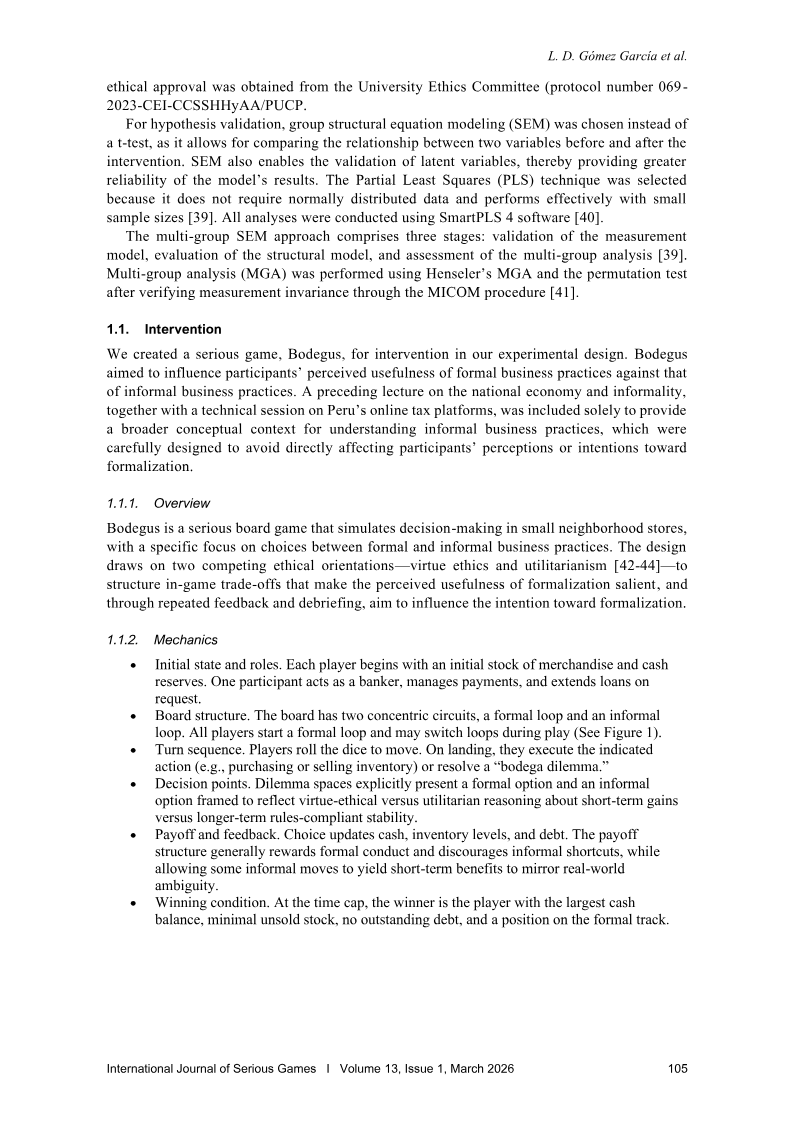
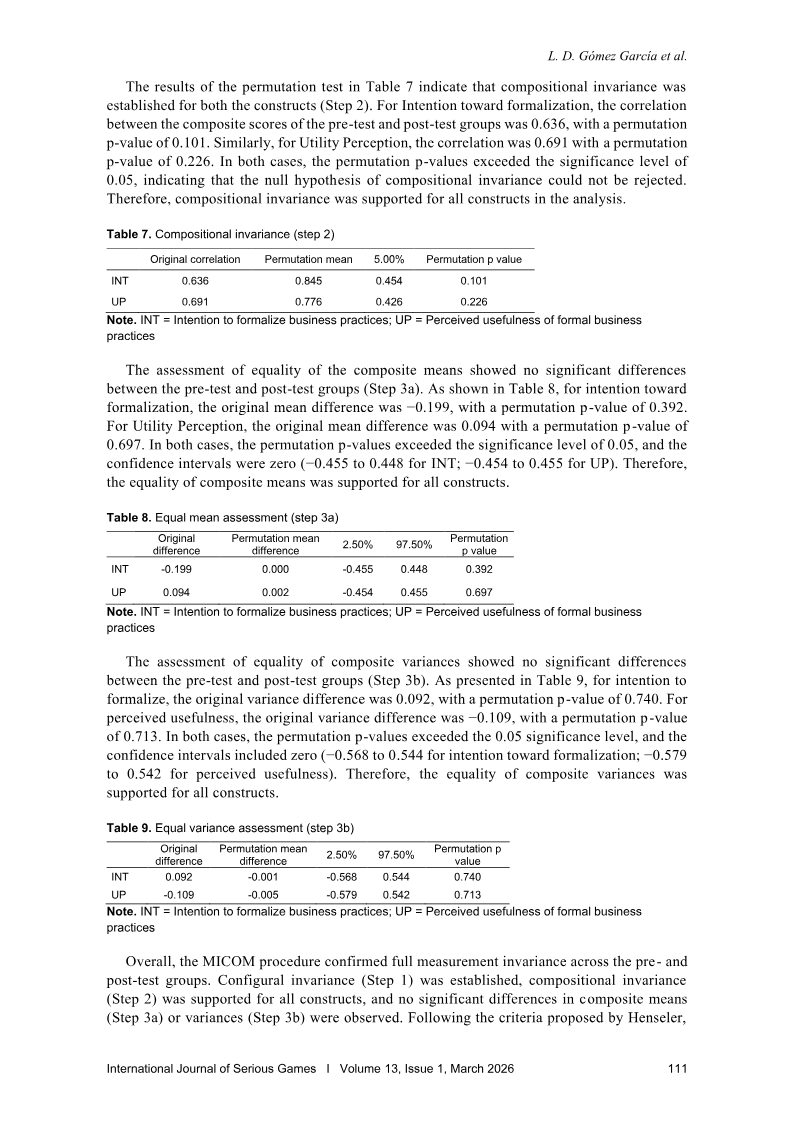
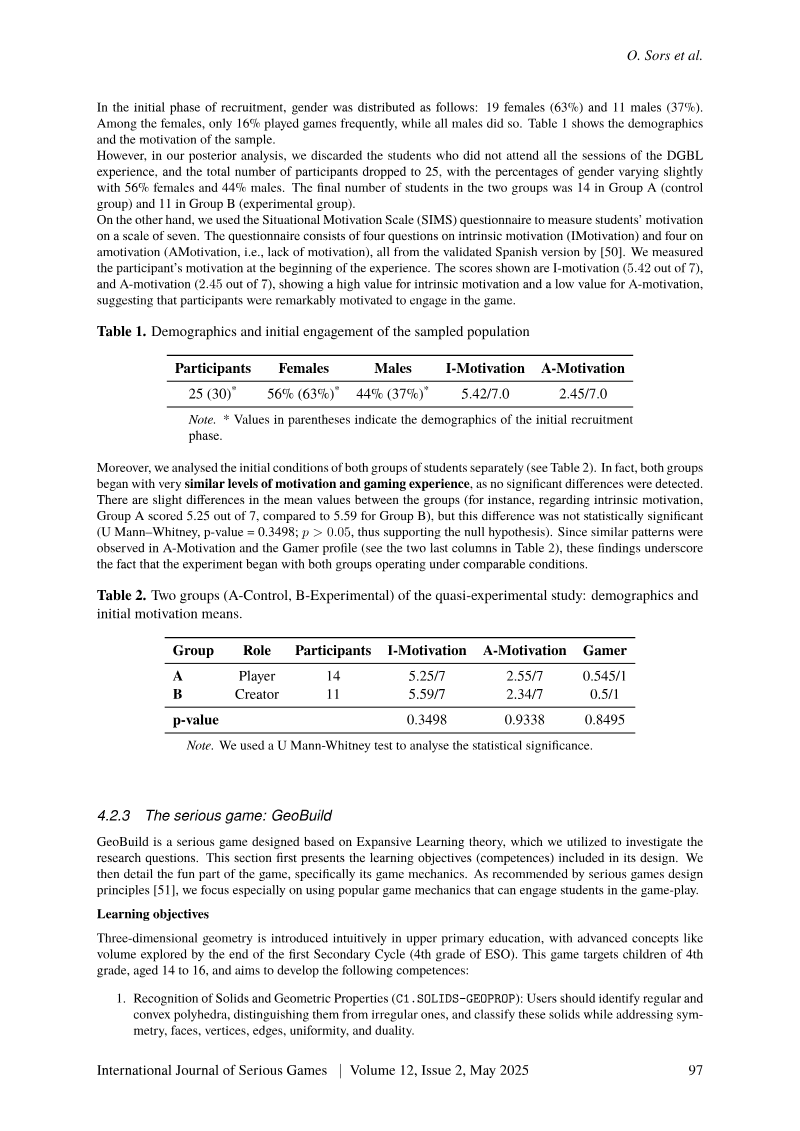
The study employed a double-baseline model to mitigate the risk of test familiarity, conducting two pre-tests followed by a five-week intervention period and a final post-test. The sample consisted of 45 primary school students (ages 9–12) in an English-medium school, divided into one control group and two experimental groups. Data analysis focused on two primary metrics: a vocabulary checker (spelling ability) and a vocabulary matcher (translation accuracy).
Findings indicate that students in the experimental groups demonstrated sharper vocabulary gains following the intervention compared to the control group, suggesting that Cipher effectively supports language acquisition. While real-world variables, such as teacher turnover in one experimental classroom, introduced some variability in the results, statistical analysis revealed medium to large effect sizes in vocabulary improvement for those using the game. The study concludes that DGBLL applications like Cipher offer significant potential for supporting less commonly taught languages when integrated into structured classroom environments. Future research is recommended to expand the sample size, increase demographic diversity, and investigate the application's impact on broader language skills, including reading comprehension and writing proficiency.