1 free read left. Create a free account for unlimited reading + AI research.
Create free accountArticle GameMakers
1 free read left. Create a free account for unlimited reading + AI research.
Create free accountArticleGameMakers
Regions like India, China, Turkey, and Poland are transitioning from low-cost production hubs to centers of excellence. This shift provides a structural cost advantage over established Western game studios.
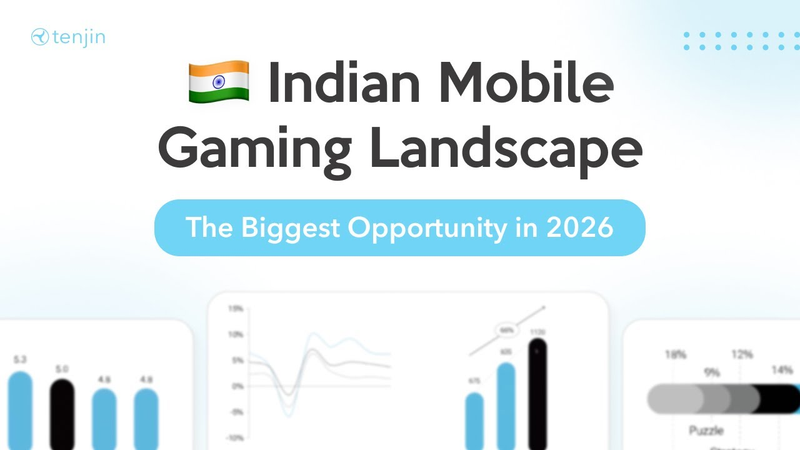
The global free-to-play (F2P) gaming industry is undergoing a significant structural shift, with emerging markets increasingly challenging established Western incumbents. This transition is driven by a combination of lower cost structures, the democratization of development technology, and the widespread dissemination of technical and product-related best practices. As smaller studios in regions like China, Turkey, and Poland have successfully leveraged these advantages to become global leaders, India is positioned as the next major hub for high-potential F2P game development.
The thesis for India’s emergence rests on the ability of local studios to capitalize on structural advantages, such as lower operational costs and access to a growing pool of specialized talent. The industry has reached a point where third-party frameworks—including game engines like Unity and Unreal, alongside cloud-based infrastructure and server orchestration tools—have leveled the playing field, allowing smaller teams to focus on product differentiation rather than foundational technical hurdles. Furthermore, the increasing availability of venture capital and the success of early-movers in the region are fostering a self-sustaining ecosystem of expertise.
To support this growth, industry stakeholders have focused on community building and knowledge sharing, exemplified by the inaugural IndiaF2P virtual games conference. This event highlighted the importance of consistent delivery, technical scalability, and career development in establishing India as a credible, world-class competitor. By fostering an environment that encourages innovation and professional growth, the region is actively working to overcome historical barriers to entry. Ultimately, the rise of Indian game development is viewed as a disruptive force, mirroring the trajectory of other emerging markets that have successfully challenged the dominance of traditional, high-cost Western studios.
The games and companies this document names on the inner ring, other documents about them on the outer one. Select a cover to see it up close and open it in a new tab; drag to move, pinch or Ctrl + scroll to zoom.
GameMakers · 2026

GameMakers · 2026

GameMakers · 2026

GameMakers · 2026

GameMakers · 2026

GameMakers · 2026

GameMakers · 2026

GameMakers · 2026

GameMakers · 2026

GameMakers · 2026

GameMakers · 2026

GameMakers · 2026
PocketGamer.biz · 2026