1 free read left. Create a free account for unlimited reading + AI research.
Create free account
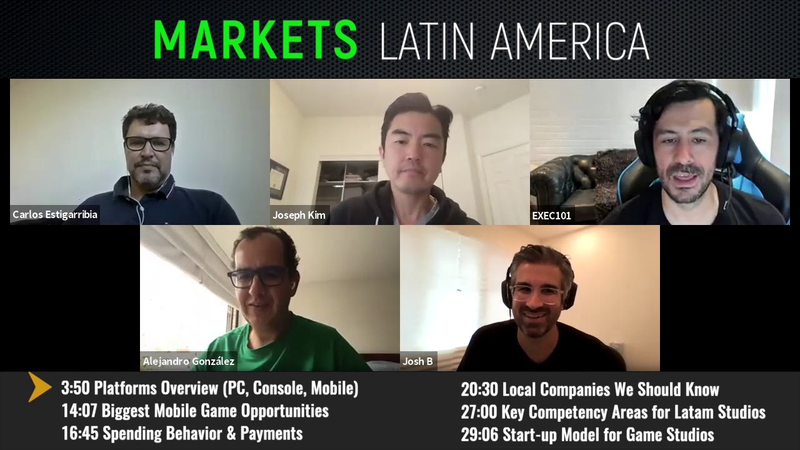
Mobile Gaming Markets Overview | Latin America (With Jam City Bogota, Lockwood/Avakin Life)
Key insights
6 takeaways- 01Mobile gaming is the primary growth driver in Latin America, where a youthful demographic heavily favors free-to-play experiences on low-to-mid-tier Android devices.
- 02Local gaming studios, such as those in the burgeoning ecosystem including Jam City Bogota and Lockwood/Avakin Life, often struggle to secure local venture capital, which is frequently diverted to more established sectors like fintech.
- 03Successful market entry requires integrating local cultural nuances—such as social, community-driven gameplay and communal financing patterns—into global product strategies rather than treating the region as an isolated target.
- 04Developers must optimize for constrained data environments and older hardware due to economic volatility and high import duties on gaming consoles and high-end devices.
- 05Monetization strategies require adaptation to low credit card penetration and a reliance on prepaid plans, favoring low-cost entry packs, subscriptions, and ad-based models over traditional in-app purchases.
- 06The region serves as a strategic hub for global developers to conduct cost-effective soft launches and scale multiplayer titles, benefiting from favorable time zones relative to North America and high receptivity to Western content.
Ask AI about this video
Transcript
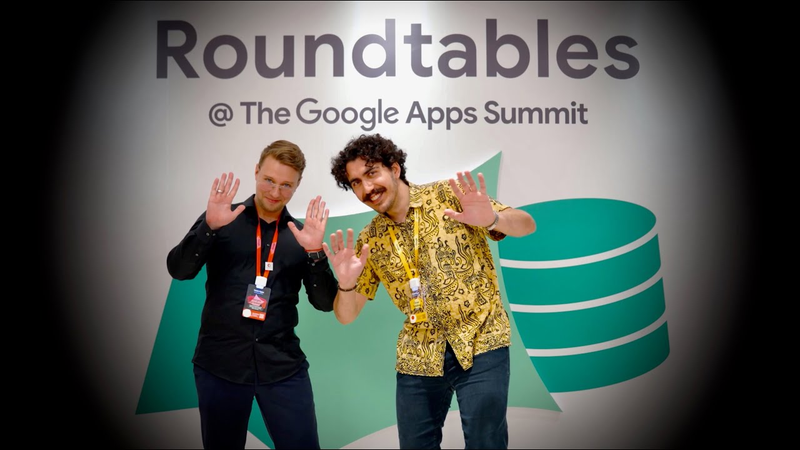
you hi everybody and welcome to the international market series today we will be focusing on the Latin America market in joining us today we have our host myself Joakim and Josh burns and our guests include alejandro gonzalez and Jairo NATO from jam city Bogota based in Colombia and Carlos estiga Libya from mock wood publishing based in Brazil and Carlos did I pronounce your last name correctly yes all right and key areas of focus for our discussion today include first an overview of being overall market for let M key local games news and publishers content and distribution trends and keys to success for the market however before jumping in Alejandra and highroad can you guys give us a really brief introduction on who you guys are and what you do at jam city
sure my name is Alejandro Gonzalez a co DM along with title for Jam CD Bogota we are the studio from the jams a team that's responsible for World War though which is mid core strategy game that was recently launched and globally I know how if you want to know more contact if a co GM of course there has to be another one so I'm the other odium with a lahar I also function as creative director of the studio and yes Alejo said we're responsible for world war dou one competitive game that we developed with you know in Bogota with the help of a lot of other people around the world in the gem city family and glad to be here alright next we have Carlos can you also just give us a brief intro on your background and what you do yeah I've
been doing games working for 25 years almost so I started back in 96 with my own company stay with it until 2006 then I sold it to a publisher then I died the head of EA e is mobile here it's for the studio side and in the past years I've been helping some of the companies abroad to set up here or to sell and publish their titles here and it's currently I am the GM for as luck with publishing helping them to publish a game called African African life here and I'm is taking care of basically all of the markets from as Mexico up to here so basically this what I'm doing now great so given that let's go ahead and get started Josh awesome thanks guys so
much for for joining us so I think the first section that will focus on just helping people better understand the market you know obviously our first first edition of this podcast is focused on Japan which is own country but now we're focused on a you know a large region so want to look at kind of understanding out of different countries that make up Latin America as well as then you know thinking about different you know gaming platforms so I pull the other some sort of basic numbers you know this is just for context so Latin America roughly like around 10% of the world's population based on news ooh numbers which the only thing we could sort of find quickly was a little out of date it's around 5% of the of the global gaming sort of market revenue and it's growing in line with kind of the overall like global sort of growth rate so you know we'd love to hear from folks about the different platforms I mean obviously
most people are focused on mobile now but you guys are in the market you're seeing you know people play games you know from what I see there's actually a lot of activity on PC games as well as on console games and we'd love to kind of hear some more insights you know from a country level like you guys are obviously in different countries you understand the different countries that make up the region and which ones are the largest so kind of dive into that area a little bit to initially start yes Carlos I'll kind of maybe go to you first just because your first so there you go any what are your thoughts around these topics okay well the here we have a very big a number of people that I play because we are very young as population the a PC here people they do play a lot
in the PC also on as console but it's interesting because some of some of the people here they don't have money to get like the ps4 or the Xbox one so you can still see people a plane is ps3 Xbox the 360 of old old one and in the PC is also King here so in the free to play games for a PC who have been growing super fast so now everybody's play as far tonight and some other games law and some of those other games and of course it's for the mobile it's just taken over but people they do play both it's not that people who play in the PC there and not playing on their cell phones but the mobile is really growing super fans in the in the past years like really really
fast got it because one of my understanding is the two purchased console it's incredibly expensive right because like the duties and these kind of things for in a lot of the countries if you legally yeah actually there's there's like a black market in a lot of these countries for you where there's like these places where there's like tax free coat spots where you could come by games and there's a lot of piracy also Lille attempt okay and is that because of the costs to import the real thing is so high as well as kind of like the sort of purchasing power whatever you want to call it for you know people in a lot of these countries I think what one of the things is is that a devaluation is kind of a constant in that time like you can see any given country and have samples from many of my Brazilian friends or latina friends in Colombia like we just had like a very big big hit last week many of the countries especially the ones are
dependent on oil or other natural resources they take a very big hit when those markets they go down so right now for example oil prices are L like 20 years or low or 10-year low and and that really hits the the markets so makes anything imported just extremely expensive or increasingly expensive and and that kind of is a concept for like consoles or high-end pcs or high-end bubble got it because essentially everything is being imported into into all these sort of countries and so you're paying duties and things like this if you do it not me in the appropriate or inappropriate ways like distributors like I think there's a limited number of distributors of the like for the official channels and that they also control prices and and sometimes it's you know it's there's not a lot of competition I would say at least from what I heard from what we could see in Colombia got it and testing on PC gaming just quickly so people
understand so you know for my nursing a lot of the history and PC games is like a client games so like free to play kind of PC MMO type stuff I mean is steam and sort of like premium PC games or like what's what are what are people playing in a lot of the markets in in Latin America yeah sure okay but here we can we can buy from Steam there are also some local shops local e-commerce portals here like there's own called called n you you ve M illusion which is like a competitor for steam basically people play a lot of soccer football games here is counter-strike back in the Annihilus until now so it's a shooters it's everybody loves it and some of the top games out like the
Call of Duty GTA so all of those titles that are top hits in the US they are also a top hits year so we have like the same taste we pretty much follow all of the top publishers in the US and in Europe as well yeah there's there's a there's a little bit of a distribution of or phenomenon that varies from country to country and even from city to city regarding the how popular internet cafes are for PC gaming so for example in Peru there's there's a lot of like internet cafes and and that that was one of the big contributors of the popularity of games like dota in through so for example a lot of the big teams in DotA that come from Latin America or either from Peru Brazil but III think it's in part because of they have like a very strong internet cafe culture while in
Colombia we don't have you know there's the they're few and far like gaming cafe internet cafes pretty much everyone plays from from from home but again that varies from city to city and I think that that also changes a little bit in their sort of games that people in the plank but I wouldn't read that mostly in the rest of our of let'em it's a lot of the few three PC games for big League of Legends dota paladins you know fortnight of course for the younger audience Latin America as a whole has like a younger population like age average so I think that also contributes a lot to the volume in gaming and definitely FIFA and other every football game is this king here there's nurses like this market of players that exclusively play fifa and there's this huge debate and memes if those are actually gamers or not yeah awesome so basically that the cafe PC
cafes is still quite big in certain cities and regions within Latin America yeah okay interesting that's makes sense because a lot of the top games seem to be those kind of free to play MMO type games which historically like we're very popular in that in that environment cool so talking about mobile gaming obviously Carlos mentioned that this is kind of you know like everywhere else you know the sort of main growth area you know is what do you whatever you guys seeing in terms of that I mean obviously we look at Brazil and you know it's one of the top countries especially for downloads just huge huge performance there you know what do you what are you guys seeing that in the market is that pretty consistent across all the countries Alejandro I'll go to you first what are your thoughts around that you know locally what you see as well as kind of looking at the whole region well I think that mobile is pretty because in the time and I think that that a carrier is
made like a solid job of trying to put a mobile phone into everyone's pocket and I think that that a access to to mobile right now is as almost as high as the population many people have more than one cellular phone in tandem obviously operators try to sell mobile plans in that time one of the things though is that at least what we see in Colombia and we've seen that from feedback from a lot of players is that in all obviously Android dominate say that market over over iOS a just given that the access to lower in the cheaper or lower cost devices and at the same time a lower access to lower cost a mobile plan so a lot of people are on like a prepaid plans rather than post paid a times with like unlimited gigabytes or whatever so access to data although it's pretty big
and and I I think that many countries especially in in the cities this is not bad in terms of bandwidth a just a sheer cost of data for a lot of players make it a little bit prohibitive so we see that that players at least kind of on on on on our and what we see from our players is that people complain a lot when they see like big downloads or games that how like gigabyte a front a loaded entry wall those become kind of like a barriers for for players stealing madam got it yeah I was interesting well and we're talking about this a little bit later is that you know a lot of the most popular games are built in like a you know areas like Southeast Asia Asia like the you know say like from garena where there have the same issues with data is concern for people and they probably have done a great job optimizing you know around that so you know that users can enjoy those games and not be worried about you
know data usage which you know obviously here in the US at this point isn't not something most people you know have to think about so that's interesting other thoughts on mobile gaming opportunity yeah sure I think that something that that we are seeing here is that Brazilians day always played like a lot but for as free to play games until I think two years ago it was very hard to make them to actually spend any money in the games and I think that this is part of this a culture of the piracy back from the premium games but then since people started to really spend money in some of the subscription services for a music video they started to also think about okay if I'm spending like 40 minutes or even more in some of those games is why not start to spend the
money so even though of course here you feel if you take a look at the app Dow it's like first times less than in some of the top markets but it's not that bad now you can like in for the game that whether I'm helping here we are really doing fine we are one of the top 15 now at 20 to 15 and so this is something there that we always tell people that now you can make money here is not like in four years ago that was really only at base it now I ap is really starting to to grow and we do have some people that spending big money in the game so that's something that it's it's a trend from the past years that I think Sharon III would add something that that is is it's part of like the Latin American culture
which is the social closeness usually we live like just from the get-go we live longer in our households than in other countries for example you know it's not unusual for someone in their late 20s early 30s to still live with their parents which also means they're still living with your siblings which makes everything that you know all content that they get their hands on easier to transmit you know via word of mouth to other people that are in their immediate circle and spend a lot of time together there and there so there's like this there's like these opportunities also for content that is that the leverages of the social opportunity and the like the social customs that we have in the time that I think is not you know until now not a lot of companies have taken advantage of on it so yeah I mean one I think that's the interesting thoughts just giving us an overview does it seem like most of the growth is gonna come from you know the per user sort of revenue growth seems to be coming more
from sort of people becoming more comfortable spending money at this point my assumption is you know people have it most people have a device and that you know growth of downloads and revenue isn't really gonna be driven by you know getting more devices in people's hands would you guys agree with that from the mobile gaming side it's really getting people more comfortable with spending like yo Carlos was mentioned I think that there's kind of two factors to it obviously one is the cultural factor I told you to be there with the cattles and they usually use thirteen younger generations be a lot more okay with the spending real money in in grid for goods I think that that there is like a big cultural block for other people where if you grew up buying a video record for CD or are getting kind of physical goods even if it's just content i holding got that physical good going into the
transition a it's hard although OTT services like Netflix is fortify all of those help kind of break that barrier but in for kids age younger kids that grew up with a Minecraft or roblox or now for tonight they do see a lot of value in their be box you know then and and they start seeing that that actual money a can transform or should transform into a virtual currency in their games and that's okay and the other side of the coin which has been changing a lot since a at least since we started two games a we started a with Jairo around 2010 when it was like the social games hype and in that time you'd see a company like Mentos opposed to a pushing in that direction the biggest barrier would be access to payment mechanisms to credit cards or that kind of stuff does change a little bit it and out argued are right now a lot more people
have access to electronic money like credit cards but still a barrier you'd be surprised of how many players don't have access to that and how some of the mobile platforms still do not support a lot of alternate payment mechanisms that that I think still a barrier for people who could potentially spend it on mobile games but are not doing it there's I think there's also an element that happens a lot in the time which is that because of how you know how there's usual like wealth is distributed you find cases where there's one guy that is actually financing the whole group and and you know right there's like this player that days that is actually paying for his friends you know either subscriptions for play time or currencies or helping them you know catch up faster and it also has to do a lot with with what a little mentioned which is you know a lot of these players either don't have access
or to the credit cards or have not been banker eyes or they just simply don't do not have the purchasing power yet and there's something that makes of the how Latin Americans come together and help each other to actually be able to play and spend money that again is probably likely an opportunity they're awesome all right let's I'm gonna pass over to JK to getting to the next section here you can keep moving along but yeah lots of great insights on the market cool so yeah the next question is really about some of the local companies in Latin American the biggest company that we've heard a lot of news about is certainly wildlife studios famous for a tennis clash but can you guys talk to us about other companies that are successful or potentially the companies that we should be watching out for that could be that next big success in let em yes let me start here there I in let me start with some first within the mobile industry there's a company here called affinity F
a and a te e they are specialized in it's like a crossword games they they have a game called Cody cross which is quite popular here and it's growing fast now in some other in some other countries even in France Italy so they had done like two or three titles and it seems like this a new game likes not new but if the is the most mental game it's a is really doing a fine so they are certainly a company that I think we should be keeping an eye like a clothesline close eye on there is also a company called Achilles so they are a company that they were famous for doing a game that was like one of the top hits on iOS called horizon change yes chase so this is a very good game
they ported it to the switch into PlayStation and they are now doing other gangs in this co-production with companies like scope Lee so I can see it like but but they managed to go from the premium game if to the free-to-play doing stuffs we have a very very good publisher so I think those two companies are growing I can see they I think they are in the right path and there are two but two others that they are not doing games like their own games but I think it's important to tell one of them is named it's called octagon and they are doing like the and life ups for several games abroad so they are they are handling like the all of the production's for
games like the Puzzle Quest for magic so it's it's the kind of company but they don't that you don't hear often because they are working in the back end but they are is really getting a lot of new clients and only doing stuff for other public ships so it's a company that I think people should be paying attention to and the final one is called its koku KO kk a you they are focusing more in the PC and its console doing like external devs for at Double A titles they are not yet doing and like a trip away but they are really doing fine so those are the four companies that I know that I think we will hear a lot in the in the future in the near future in Brazil got it do you guys have any names that we should be aware of sure
definitely well of course a jam series based here in Bogota we also have operations in Buenos Aires and and and all in all its Ferrum a significant amount of people between the two studios both the studio is creating kind of a world war dough as I mentioned and and it's been growing teams in in both countries they pretty healthily besides that in Colombia their Studios like effects studio surgery games that do like fantastic job and creating games they been focusing a lot in work-for-hire aim and and so you don't hear about them for a lot but they've been working on pretty interesting titles they are query symbols Els catalyst mentioned they also pretty notable in wine dependent studio called Ironhide making games for a long time and they're so good yeah they made
Kingdom rush recently they're awesome and also in in other why there's casual games company pomelo games they're pretty cool as well and Mexico a hyper beard guys they make again clipped cuts that's also they done pretty well so you see like basically two groups oh I forgot was a nimble giant giant for sure with quantum leap yeah they're one of those companies that is kind of trying to transform from a work-for-hire mainly company to making independent games they're focused a lot more on PC and console but but I've worked on on mobile as well a but but you see kind of two groups of companies one that that have focused and have grown quite a bit doing work for a higher working for third parties like equities or in BO giant or
effector and other companies that have tried to remain a little bit smaller but have been a lot more faithful to creating their own IP and they asked independent studios as you see like with our in height or hyper beard I would add I would add to the mix definitely Dreamz incorporated from Columbia they're working on this amazing RPG like like it's like a love letter to the old JRPGs it's really fantastic it's called Chris tails really look out for that one because I think it's gonna be a make make a big splash and I there's another studio in Bogota that I have a lot of faith in the cold pricks these guys are super super talented they're still they're still small there but but like you look at every product that they create and it has a lot of polish in a lot of they're very smart so I would add those two into the mix definitely yeah Matt mixed I'll
say hyper casual so it's pretty different to the other companies and then from a capabilities or specialization and expertise perspective would you say Latin American game developers have a specific focus whether it comes to like a you know whether it's a certain kind of technology or art or specific kinds of genres is there any areas of specialization I would say from the creative side I would I would say that just as in other creative ventures I think we're very strong in narrative and you know all types of narrative not just like storytelling but like context and and and and I if you look at at all like pretty much all the companies that we have listed here they're they're soft their narrative is somehow very unique and that's what sets them apart from from you know from the rest so I would
say that that narrative is definitely one of our strengths on top of that I think that that artists a all-round a from what we've seen from many of the companies in in in that time is pretty strong and pretty unique I think that a Latin American artist say how the capability to of making stuff that that is fitting it looks pretty natural and cool for for Western markets a body but he's kind of edgy and unique and I think that for the most part most of these studios have awesome they are a throughout and and I think that that I'm also just from the a specialization perspective it's I think it's been much easier for many of the companies and many of the countries even to to create a talent pool around artists then it's been around engineering and although I think that most these companies had do awesome work all
around yeah I'll definitely put a pin on on the art capabilities in that time so I had the opportunity to visit a fair number of Colombian studios and by the way all hundred thanks again for inviting me to Colombia for Otto but one of the things that I noticed and I not to over generalize but it seemed like a lot of the studios that I visit had a similar sort of development trajectory in the sense that a lot of them started off as work-for-hire studios and then you know start to slowly start working on their own original games internally and you know it's it's like here in the San Francisco Bay Area everyone's like a venture back you know game studios but I'm wondering is there a could you help me understand is that the typical trajectory for a lot of Latin countries and could you speak to maybe some of the reasons why that is or is there not a as developed sort of investment in financing sort of function in Latimore what would you attribute that to you
need cutlass Kent can start and I can complement okay well my story is basically deals like when I founded as my company my first company we did not have any access to a capital to DC's angel so we had to do like work for hire and to save money to do our own game but then we stayed in to the into doing days until we sold and the company so basically true ten years all I did was basically do several games for some of the publishers in the past years though like in the past five years there some VCS started here but frankly it's very very hard because they don't get like what the games here so it's very hard they they always want to for us to show was the Minimum Viable Product and they
compared us with the FinTech or a health pack so it's it's a totally different business so it's a very very hard I am also a shareholder one abusive phone here and even like I am no games but we only managed to fund a like one company so far and it's very hard now to get but to the second round because all of the other funds they don't want to talk about games here so it's very very hard and the Brazilian government they started also giving some grants trying to help but mostly focusing in the game itself not in the company so this is something but like like you can find money for doing like a demo or something like this but not for your company so we are we have to do stuff like the only way for you is to really is make a like work for hire to
perform yourself so unfortunately we are still like 10 years behind any other tier 1 country Carlos can you can you touch on that you mentioned VCS so is it they don't they aren't interested they don't understand it I mean obviously that it's a huge industry and that's pretty obvious to everyone I'm just curious like is there something specific to the region and makes them you know nervous about it I just curious if there's well frankly I think that they they don't get like it was a gaming industry so like every time but that we are doing peaches for some of the companies like that I'm that I'm trying to help they always tries to compare this with like a normal company in the health pack so they are asking for a lot of things that it doesn't make sense is for the gaming industry yeah and so this is very very hard like it's a matter of they are
the VC seen here it's not that old so they are now focusing more in the safe bets which the feedback or the health tech and again this is always something that they seniors is it gained or or is it gambling sometimes I have to spend hours saying that no this game is not gambling so it's really tough yeah and so some of the companies they actually now opening like offices in aus as Canada because it's easier is for them to atop to those other VCS but there and it gets some fun Heather them but but trying to do it here so it's really a matter of culture I guess we should always strive I always try to see if we can forget some of the phones there to come down here to in the festivals and to to see if we can it
slowly try to teach this but it's super hard unfortunately okay and then maybe shifting gears a little bit and talking about local content and maybe even breaking down into some more specific regional differences as well but wondering if you guys could talk about from a local perspective you know Josh mentioned garena and Brazil what types of games are performing well in latam and then can you speak to as onerous themes and then even specific regional differences as well you so just say from our experience what we see is that data that I'm really kind of follows trends from from what you see in North America it like in terms of gainers whatever top charts you see in u.s. you'd very likely see it like an 80
or 90 percent match in Latin I think that that social media and and kind of the strength of marketing power for many of the top games really kind of true sense a frontier some barriers so if the casual games are in the top charts in US you'll likely see those singing a casual games in Latin its route a you'd see small variations in every country and Perley like one break away a game a not that many like one thing that we saw before is that you'd see two or three local games here and there but but I think that that a sign passes that those opportunities become much more restrictive just because of the increasing cost to to market games and the increasing cost to make a world-class games so basically generous and types of games are really similar to do what you'd see
in North America in in my in my opinion that's yeah I agree yeah here it's like it's saying like the games that are the top grow see now so then our are like a supercell games and roblox play breaks miniclip so Easter is is the same again there is no game there is famous only here except for as free fire because they think they are like another beast but at the other are all the same well what would you guys say to the view that you know and I think this view is popularized by the success of garena free fire that for countries like Brazil that to the extent that you can run on lower end devices and have a lot more based monetization focused due to you know credit card penetration and things like that those types of games would actually do better in brazil and latin
america would you guys agree with that or would you disagree with that oh yes like i think that they were very smart in a parting the again to all of the old Android handsets this is also something but that we are doing here for African but the game that that I'm running here we are pretty much cover all of the Brazilian handsets all of the hello in handsets and it's very good because since it's a social game like if like if if your friends are and not there you will find other game that you can play with all of them so this is vital you should be able to port like if you take a look into the pub July tier even even though they are but but trying to reach more cell phones it's still not as near as the exposure is that those are the games have Swiss fire has and
but the other thing is about the local content is happen and like and like what we do here I'm talking about my game is that we it's really focus on and not only a translating everything but Heather to do some a local a Brazilian counter in the game so let's say for Carnival we had like a Brazilian scene with the summer schools with the blocks the parades so we we put a lot of stuff there but every cell in the game that is only four here we are held in some local music is concerts in the game with the local artists so and we see this this a mix player to really display more to tell more about us with the friends say hey those guys they are and not only
having like the football shirts they are really putting a lot of Brazilian content there so at this helps a lot in and I have been seeing other against also doing this kind of the local stuff is for here and the third one is the price tests is something that you have to is really test some like some of the prices or if for the same money you will get like get more free coins or something like there so it's important to really uh and not just like I put the same a tear a pack but try to really do something until you you find like what's the best price point for for your players here so I think this is also something that we are doing and I see
that all of the top Russian games they are really spending time doing this so given given that the Latin market seem to have a global taste but you can do like some customization for the for the local audience do you think that it makes it or doesn't make sense or are there any companies specifically targeting Latin America with specific products for Latin America or is it better to just have again a global product and then just kind of localized for 4-letter I think that in my opinion it's not too much worth it and and probably you see less and less of that I think that when the mobile boom started a lot of the local media companies and conglomerates started trying to figure out how they could venture into video games and they try to do it with some of them locally you know a IP is bad bad ain't obviously they don't they cannot reach the scale that in global products to also a because in at least if you
want to have like a business model that's sustainable you'd probably want to get revenue from tier 2 tier 1 countries beside sale item and so I don't think that that it makes a lot of a business sense and it's not an easy endeavor in fee play to do is specifically from Latin but the other side of the coin that is interesting is that what you see over the last couple of decades especially this last decade where in other medium in Latin American artists and and and they locally generated a content has become really popular in global so so currently I think that the opportunity for local developers is more trying to explore that a local color and flavor and taste and make it show a little bit more into the world so it's not more about generating specific content for Latin America but you know it's letting to make content for the world might be the bigger opportunity here so something
that I've seen there's like a third side of that coin it's a 3d coin that I've seen on the competitive side of things though is that certain certain companies are trying to nurture the Latin American Z so even if they're not producing like Latin American localized content there is definitely an interest in in in in nurturing and and making sure that the Latin American competitive scene is healthy and that like the Latin American teams are actually able to compete in the global stage Bob for example for the for pretty much every every you know tournament in the dota pro circuit has like a safe slot for South America and there's like certain requirements for the team so those that it is considered South America not just you know five people from Europe coming over here and and opening you know housing housing in Rio and trying to pass out as Latin and I think that that speaks to you know these companies are definitely seeing
some value in having the you know both both critical mass from Latin America from their players but also you know the difference is that every region brings in in the meta and strategies and how how they play out not to I promised myself I wouldn't make a soccer metaphor but to make a soccer metaphor there's definitely different gaming styles and and so you the Latin American players play very very exciting in a lot of these games don't like the way and they don't play a little crazy - probably because there's not much to lose yeah because the sea is growing but if there's that III think that some companies are definitely seeing value in nurturing the the confidence he completely we've seen down here yeah sorry there's just one thing that I didn't see here which is the games like choices episodes you know those small games and narrative games I think it's something that if they start to do some
local stories or I using some of the local media IPS because we have like this huge culture here in the TV series soap operas so it's something that if they start to do some a partnership with the local writers here that the content I guess this this can really go a super-big here it's a bit because I like I I didn't see any of those games really doing content for for us here so I guess this is something that if like they should be paying attention to because in my opinion but there's an opportunity here for those kinds of games with local content okay in just kind of asking more about regulatory legal issues certainly when in some countries like Belgium with gotcha or in Japan when you're shutting down a game but are there any specific regulatory or legal issues that game
developers mobile game developers need to be aware of when entering the Latin American market are we basically okay I think that but in general a time and I'm not least talking from Columbia the government is not very sophisticated in terms of in understanding new technologies and we're just getting acquainted with so a probably I think that there's two areas where there might be stuff just to to to to look over and if there's like any specific age gating or a rating item say for example in Brazil or in other countries a but in general is free open and obviously some countries have started to see that a fair amount of revenue from from the population is going into digital service so one thing that they have tried and and at least Columbia and serrated last year was that they added b84 digital goods and services which is kind of transparent for it for the for the developer or publisher in the sense that
it's usually in the platforms don't have to either a set up a legal entity or figure out how they're gonna pay that be ATO though or those taxes or in the case of Columbia what they created was they called it like a digital layer dat and if the platform didn't have a local entity or was not going to pay that tax directly they would just put it on top of them and your credit card bill for those services it was originally kind of thought before Netflix or Spotify or those kind of subscriptions bad and bad I guess like Apple Google and anything kind of been a purchase goes in there even steam so they are kind of rolling this kind of stuff out so there might be some surprises I guess on on how they roll out these models but I don't think that that there's anything overly sophisticated about regulation in in a time as of yet Brazil we are going to
have the Brazilian version of the GD P R thing so probably this year they will start will have some local laws about this so it's important like if you are thinking about having our game here but just to read this and see if it's the same thing that you are doing for as some other countries in Europe because it's it's something that is it's going to happen it's pretty soon so that's something that I always tell people that you should know about this new gdpr thing coming for Brazil for here it's called LG PG all right and then now asking more about game marketing and promotion can you talk about any key differences with when it comes to marketing or promotion of games in Latin America are there any regional differences or is there any differences between Latta and the rest of the world for starters it's cheaper at people I I
think maybe Columbia and and another country that does differ a little bit of Brazil just because of size but but you can correct me if I'm wrong Carlos but here in in Colombia there's not many major news outlets like like for example for the whole of Colombia there's two main newspapers that's it and if you are in those two main newspapers you're hitting a pretty big percentage of the population same with like radio stations you know what will right now the TV stations are struggling a little bit just because of Netflix on this whole thing but but pretty much media is quite centralized so it's a lot easier to make a splash with with your resources so I guess that goes on the or the cheaper side but also it has to do with you know you know how big your networking has to be and how much PR effort has to be done to actually be you know to actually notice that's one part of it the other part of it you know is that marketing is like like conceptually it's lagging a little bit behind too and so there's stuff like you know performance-based marketing and
and you know things like that that are still not very well understood by everyone and so there's still a lot of you know a lot of people even influencer still think about you know bringing value through branding and you know a lot of a lot of like more traditional marketing endeavors and but slowly but surely we're starting to get there okay and then in terms of like word of mouth is that a key promotional strategy and Lanham and then how can developers leverage that channel as possible okay well it's it's something that is there is totally right so we are actually doing a lot of stuff here to get more players using this and let's say every time that that you are doing some like in game is concert with the narcissus of course we are selling items
there but also it's it is helping us so that these artists also it tells everybody that he or she is going to a play in the game so it's a way for us to get more people that maybe didn't know about us or a maybe didn't play but they say hey if this artist is playing there in at this game I will go check it out so we are using this a lot and it really works especially if you are like a social game so we do a lot of stuff let's say out and a friend a promotions those kinds of stuff but they're to do not only in the game but in the social networks but that we have so this is also something but that we do that that is helping us to grow here and it's totally based on people inviting others to take a picture in the game so they have to install and playing so yeah it
works a lot here in Brazil at least yeah I think that not come in general is super social so like social networks exploded a pretty fast say I know that that Brazil didn't jump into Facebook as fast because of Orkut and and other reasons but but people are right now hyper connected hyper social and and I think that that games can really leverage on top of that all of the social hooks a being that kind of incentivized a invites or stuff like that we're constantly trying new a new approaches a to - these a being either dynamic links or using kind of the social graph and/or those channels to to market the game is super important and I think that for that time is one of the key aspects that can even kind of help reduce even more the user acquisition costs for Latin America and can kind of level out a
little bit more the playing field in making a ROI positive for for a game here all right last section so kind of poorly titled market success but really just providing some more insights I think to our audience who's obviously you know a lot of folks outside of the region just helping you're getting into some of the more details about you know how can they be more successful in the region and I think we've we've actually touched on a lot of them I think you know one thing right if the bad is sort of localization so my assumption is to really have success and the majority of markets in in the region you have to do translate your game Portuguese Spanish my assumption is that's just a table stakes like there's not really gonna be you're not gonna have much success if you don't you know do that localization if you unless you're maybe hyper casual game or something would anyone disagree with that or is that pretty University lately
right absolutely okay and it and because basically for my you know for those who are less fizzy like me so basically you know Portuguese Brazil and then outside of that is Spanish for all the other main countries correct correct but the one thing to note though is that the cultural differences in that I'm like a Spanish speaking Latin America is not like a single country although many think like it's one huge Mexico it's very very very diverse and very varied so you have to be super careful or very diligent if you want to have like a Spanish Latin Spanish translation specially if you're game touches like in the case of World War though where we have a things around the popular culture or humor trying to make something that that is understandable funny and and touches on stuff that is familiar to you and can work from Mexico to Argentina is not as
easy as it sounds so so yeah you better kind of get some good advisor or a very good location agency or linguists that really understand those nuances also you have audio the accents it's really you like you can really feel you feel like a foreign game even if it's in Spanish if there's like for us for Columbus if there's like a very strong Argentinian accent it's you know it feels soft because of where you know how we pronounce words and actually how we accent certain words etc so definitely that's something else to look into if you are localizing for bottom on it so basically I think besides just the translation is really having somebody who's maybe plays the game and understands the game you know hopefully maybe you take a look to make sure especially if there's narrative or these kind of things that aren't literally gonna be like menus or something translated okay that's you know definitely a key point all right so we
talked about you know devices a lot and I think you know if you want to really penetrate especially sounds like Brazil you really need to support the low rent Android devices I mean do you guys I miss on Carlos GCS being an issue for a lot of the top games coming from you know say you know Europe North America is that is that a large issue where a lot of the performance is very poor yes yeah basically I think that a fortnight here for cell phones and the plug G they are suffering for frontiers because they are it's like only if you have like a like an iPhone 8 or a tan or if you have like the Samsung Galaxy S 9 and they run it fine so it hurts for sure and the second aspect as I mentioned is to really do some local a price points here
a local offers is something we are always doing stuff for the carnival or for some of the holidays that they have here some of the festive dates so it's important because then like your players feel that you are really doing stuff is for them the way that you also talk in the social media you should try to talk maybe talk we using the same the same things but there are happening in the country like the local means that we have so it's important to at least have somebody and there's on the ground just a checking I like what's happening you don't have to open like a new office here hire 20 people but it's important to have as somebody but but there's look there's taking care of this because it's very
hard to just say that okay and now in Brazil it's the carnival time so let's do some bad stuff but it's not just Samba we have like seven other rhythms tendrá other style so it's important for the for the players to feel that you is really know what's happening here if not they will say okay this is but just another a gringo as a call it but trying to a mimic that they are here and they really get very pissed off if if they notice this so it's really important to it one thing that I'd like to add on the performance period says we cannot stress how important that is a and we've seen it throughout a we like to try to pull some aggregate numbers comparing device models between regions and what we've seen in that time is that like the top devices would be meat to low end tier devices say and they would like if you take the top 15 you'd be go all the way to like need to load here just remain
for me to load here if you compared to for example us or or Western Europe you'd see high end to meet on those devices and and also it's not only kind of that that those two your devices are lower a performance but also the perception from players we get a lot of comments from players saying I have a brand new j2 device and it's super high-end and anyway you look at the specs is like this is really crappy on and around the game on it they saw the perception on the player is that their device is actually much higher performance than than it really is or at least compared to to kind of talk to you so so kind of just keeping a big eye and I'm looking and benchmarking trying to optimize a for that is super important in trying to support as a big of device pool as you can they can also impact your user acquisition cost and and and in general kind of the the
engagement of the game mm-hmm Carlos just quickly when you think about the price you'd mentioned testing price points I mean how are you kind of approaching that it is the early stage I mean you you know how to advocate life and you're looking at Brazil I mean how how would you I guess how would you suggest for other developers to think about that you know if they're sort of interested in maybe growing their sort of revenue potential in say Brazil or somewhere in Latin America I think the first step is for you to really try to have those players to break the barrier of doing the first time as purchase so you you might want to test like super a cheap a pack I but just to see if they will pay so put like you can put it like
50 cent back something like this and but you also have to sometimes is but not only like just a price but like what they get from it so you can also add a lot of extra stuff like extra schemes for for your game or the like also something that I'm seeing here now growing is the subscription for some of those games so they they have like the second tier which is okay you feel if you pay five bucks a month you'll get a lot of coins a lot of free stuff so it's but you is really Hampshire at past everything but also be careful because if your game is a competitive then some of the other players around they might might a no but that you are doing this year they will change their VPNs just to abide from here so it's you have to really take
care like be extra careful if your game is a competitive one but it's a matter of it's very testing like everyday ad testing and also at ideas into your like into your away because then like once you you are getting like the ROI positive then it just open door like that then you really start to put more money but it's it's not easy it requires a lot of tasks but it's doable and it's not only about ad basic like it's really a ATS like it's something that that I'm seeing here and some other games I it's free fire they are making I don't know it's five million dollars here just on IEP so it's it's really impressive like amount of money that they are doing and some of the other top games are getting
here Donna Alejandro you spoke about this a little bit at the beginning but for those who are not as knowledgeable you know obviously you know we're used to hearing say us we have credit card you have various payment methods whereas in a lot of countries Latin America like even if people want to pay you know payments support is is more challenging because they don't have you know bank accounts or you know credit cards you know I think Apple and Google have made improvements in those areas of it like you know you still think there's a pretty big gap to allow you know users to monetize even who want to in a lot of the countries totally like in in Colombia and and what you see many countries in Latin America still a lot of people pay their utilities they buy either going to the bank or going for example in Colombia there's a network called called a lotto there you sell a lot of tickets but
because they have so many points of service in around Colombia a lot of people for example if you want to buy stuff commerce you would end up going at taking a bus to one of those say and places and paying with real money and they will transfer that into an electronic a kind of and version of it so you can pay for goods and a lot of like a grappling googles you'll do not support a lot of these payment methods which sound pretty weird but are pretty commonplace for people that don't have access to credit cards in in the region and I know that that a daddy there's always kind of efforts being done on both platforms to support more and more payment methods but I think that that's all the opens opportunity a more and more for players to spend it there's who actually want to spend and understand
there they value a proposition in those okay yeah it sounds like an opportunity hopefully that will improve over time Carlos you want to I know you've done will song about sort of ad monetization obviously it's become very popular in general with the hyper casual sort of you know landscape you know what does that look like in in the Latin American region obviously you know we talked about lower to user acquisition costs which means it's probably lower but it also sounds like a lot of users you know can't spend money so they're probably happy to engage with ads so yeah well it's something that we have been seeing here is that besides of the of just seeing ads from some of the games we we were see at least until this whole situation came forth as for the virus but a lot of other apps for the travel
industry or or for ads that are and but not like for a CPI based but brands trying to have ads there so it's it's something but that was growing super fast until this whole madness happened but it so it's something that we are seeing some of the local ad agencies they are starting to as cut deals with the fashion brands so that they also have ads in the games so this is also something and stuff that that we are doing also is to not only sell ads but sells those ads as an experience in the game so instead of just showing like when ad for a fashion brand we can we can have at least in in our game to have like their new closest in the game so it's a is like an experience is for the player not only ads but it's growing as
super fast of course we but I took this hit now about the whole world is kind of scaling down but it's a very good way to monetize here for sure cool all right I think any other thoughts around sort of this areas of how you know foreign developers can be more successful before we wrap up I would add something that I I personally have found challenging which is the fact that well because of the way that wealth is distributed let them you you the middle class as I mentioned is thinner and that has made hitting the like the sweet spot for I ap a little bit harder because it also varies like heavily between between platforms and I see more well between Google and iOS so that that is definitely something that you need to be
on the lookout for because it's not it's not an easy not to crack I think awesome definitely cool alright so I think well we'll wrap up here we like to do kind of a final word you know from each you guys kind of I don't know I wrote top two things that you know the audience you want to make sure the audience takes away when they think about this market and you know from the business perspective or otherwise so yeah I don't know can you add anything Carlos oh there you go first topic talk to you things okay well I think that first here like it's an excellent choice if you want to a soft launch things with a very big user base because like it's a a cheap people play like hell here so it's a it's something that if you have a game that that you really need like a lot of players are playing it you can certainly do your a
soft launch here and besides this is a matter as a nation that now people are really spending money so I guess some some publishers will get very good surprise here like knowing that okay yes this actually being ry+ so I think that it's a right time now to invest more here and to try to grow some of those titles it's really paying off here for us awesome Alejandro sure I think that died as I mentioned before Latin is super receptive to to Western content and popular culture so I think that that anything that has the potential to trend kind of in in in North America or Europe will definitely have a chart I shall here and if you kind of understand that American culture and flavor and how we
perceive a kind of stuff you can even be a little bit easier and a little bit a more vocal and and out still fly even a tone of political incorrectness and and whatnot it can go a long way here also a in our case we actually launched a our game in that time - what Carlos was saying is a incredible opportunity engagement in that time can be pretty comparable to two to two other Western ideals if not even better so it's always a good opportunity also because we are in similar time zone and - for example North America a getting a critical mass for example in a multiplayer game out of Latin it's also a huge opportunity because it's super cost-effective - to grow and and players can still engage with a player saying in North America or in Europe given the the singular time zone so it's also a good
opportunity to to think especially when you're doing multiplayer or like synchronous a Content it to take that into consideration awesome higher the final final words point measuring that how is starting to like get get some you know some some impetus in Inlet Sam I would definitely advise that when you design and are like creating your journey for your players I think that Latin Americans are a little bit like electricity we tend to take the path of least resistance wherever there's like important opportunity not to pay or do you know like like go through that and we don't mind grinding and and all that good stuff so definitely be mindful of that when you are designing your game and you're planning it for ability an American market awesome alright thank you guys everyone listening make sure to download advocate life and world Ordo and otherwise JK any final final final
comments thanks a lot guys so much for joining and oh if people do want to reach out to you I'll if you can give me permission I'll put your contact information in the show notes like great thank you guys for having everyone but right
Summary
The Latin American gaming market is defined by a youthful demographic and a strong preference for free-to-play experiences, with mobile gaming serving as the primary driver of regional growth. Economic volatility and high import duties on hardware create a landscape dominated by low-to-mid-tier Android devices, necessitating that developers prioritize optimization for constrained data environments and older hardware. While the region shares many characteristics with global gaming trends, success requires navigating specific challenges, including limited credit card penetration, a reliance on prepaid mobile plans, and a distinct cultural preference for social, community-driven gameplay.
Monetization strategies in the region must be highly adaptive to account for price sensitivity and unique payment infrastructures. Rather than relying solely on traditional in-app purchases, developers find greater success by integrating low-cost entry packs, subscription models, and robust ad-based monetization. The region’s social culture also influences economic behavior, as seen in communal financing patterns where players often facilitate purchases for their peers. Furthermore, Latin America offers a strategic advantage for global developers as a cost-effective environment for soft launches and scaling multiplayer titles, largely due to its favorable time zones relative to North America and a high receptivity to Western content.
Despite a burgeoning ecosystem of talented local studios known for strong narrative design and artistic production, the industry faces systemic hurdles in securing local venture capital. Investors often favor more established sectors like fintech, forcing many developers to rely on work-for-hire models or relocate to secure funding. To achieve long-term sustainability, developers are encouraged to build global products that incorporate local cultural nuances rather than targeting the region in isolation. By balancing technical optimization with localized marketing and community engagement, companies can effectively tap into the significant growth potential of this diverse and highly social market.