The global mobile advertising market is undergoing a period of robust expansion, with total expenditure reaching $402 billion in 2024 and an anticipated climb to $492 billion by 2026. This growth is primarily fueled by the ubiquity of smartphone usage and the increasing prevalence of short-form video content. Within this ecosystem, in-app advertising maintains a dominant position, representing more than 80 percent of mobile ad spend in the United States. Simultaneously, in-game advertising is experiencing consistent revenue gains as brands increasingly leverage immersive environments to capture consumer attention.
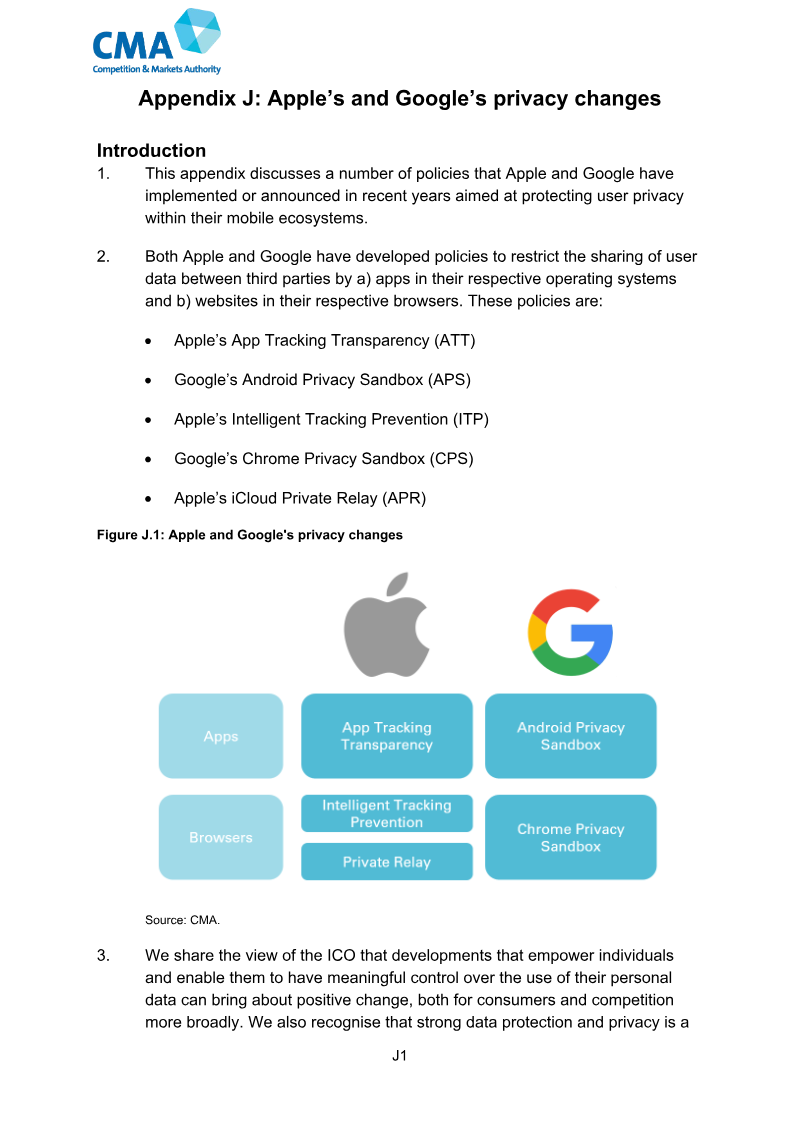
Technological advancements, particularly the integration of generative artificial intelligence and augmented reality, are fundamentally reshaping how brands engage with audiences. These tools allow for the creation of hyper-personalized experiences that help mitigate the challenges of rising ad fatigue. Furthermore, the industry is navigating a complex regulatory environment characterized by stricter privacy standards, which has necessitated a strategic shift toward advanced cross-channel attribution models. These methodologies are essential for maintaining precision in performance measurement while respecting evolving data protection requirements.
To remain competitive through 2026, market participants must prioritize operational agility and data-driven optimization. The convergence of game development and digital advertising requires a sophisticated approach to user acquisition, where user-friendly ad formats are balanced against the need for high-impact engagement. As the landscape continues to mature, success will depend on the ability to synthesize emerging AI capabilities with traditional marketing strategies to deliver seamless, relevant content across increasingly fragmented mobile platforms.
Udonis · 2026
Udonis · 2026

Udonis · 2026

Udonis · 2026

Udonis · 2026
Udonis · 2026
Udonis · 2026
Udonis · 2026
Udonis · 2026

Udonis · 2026

Udonis · 2025

Udonis · 2025
InvestGame · 2026

Sensor Tower · 2025
Tenjin · 2023
AdQuantum · 2022
Tenjin · 2022

SocialPeta · 2021
Gamesforum
Competition · 2026

Almedia · 2026
Gamesight · 2026

SocialPeta · 2026
SocialPeta · 2026