
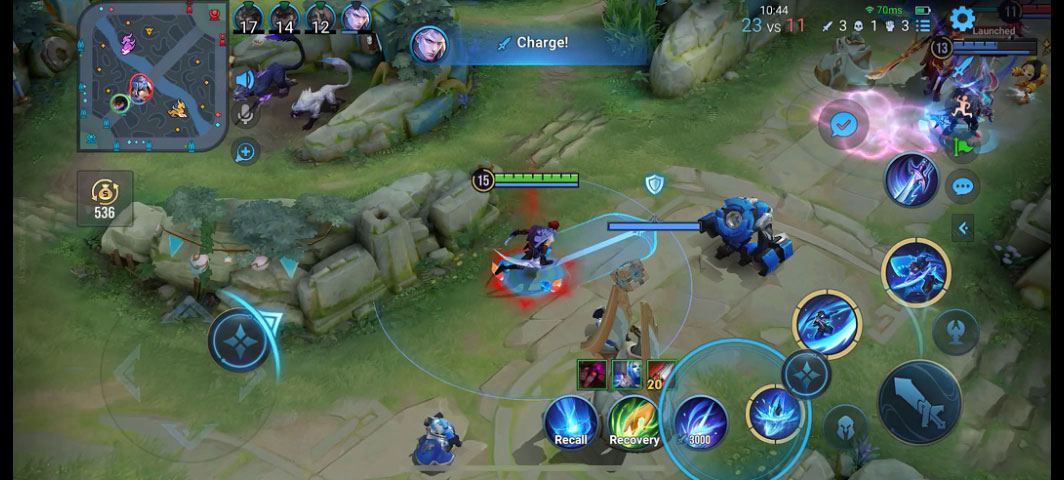
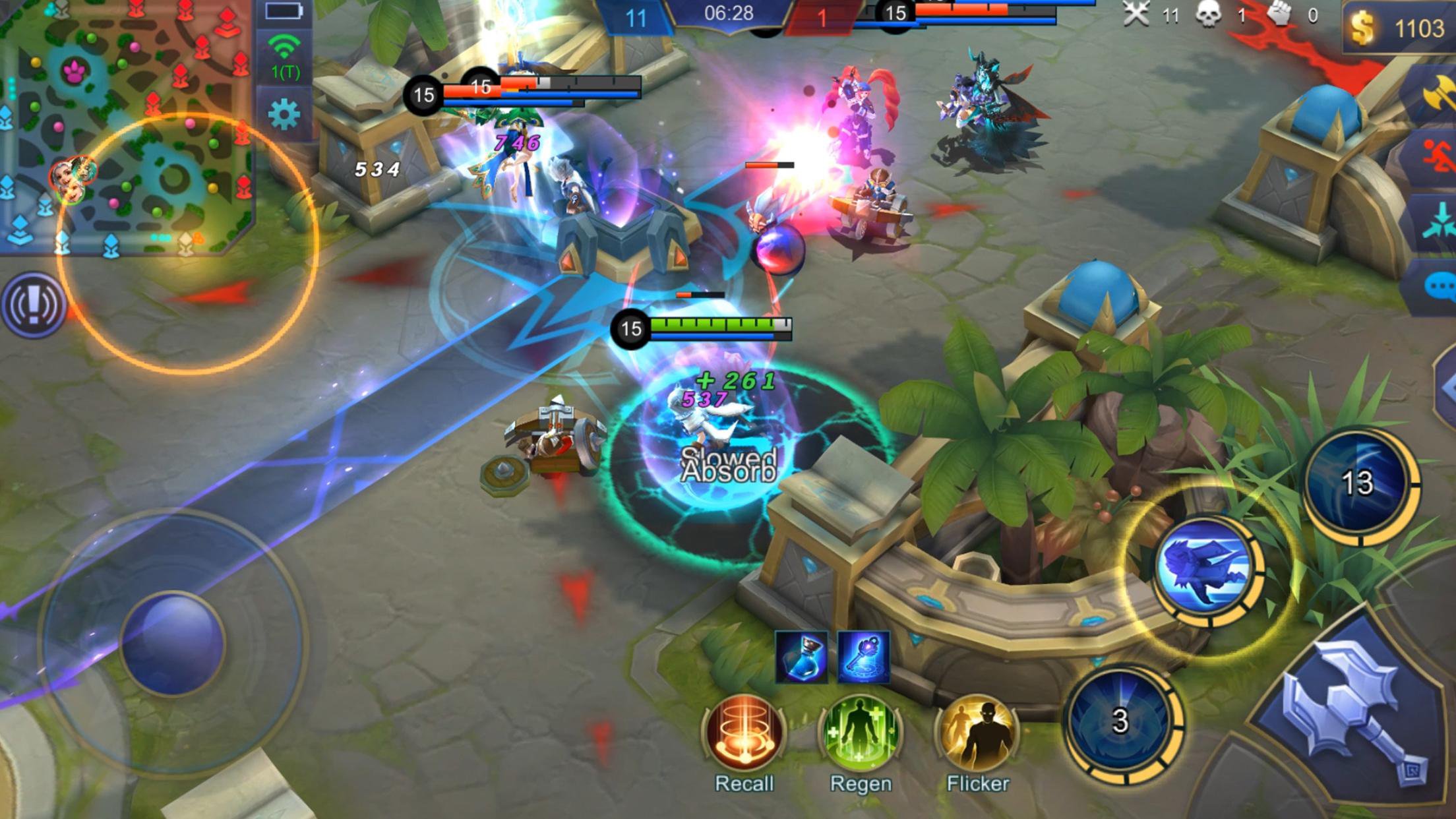
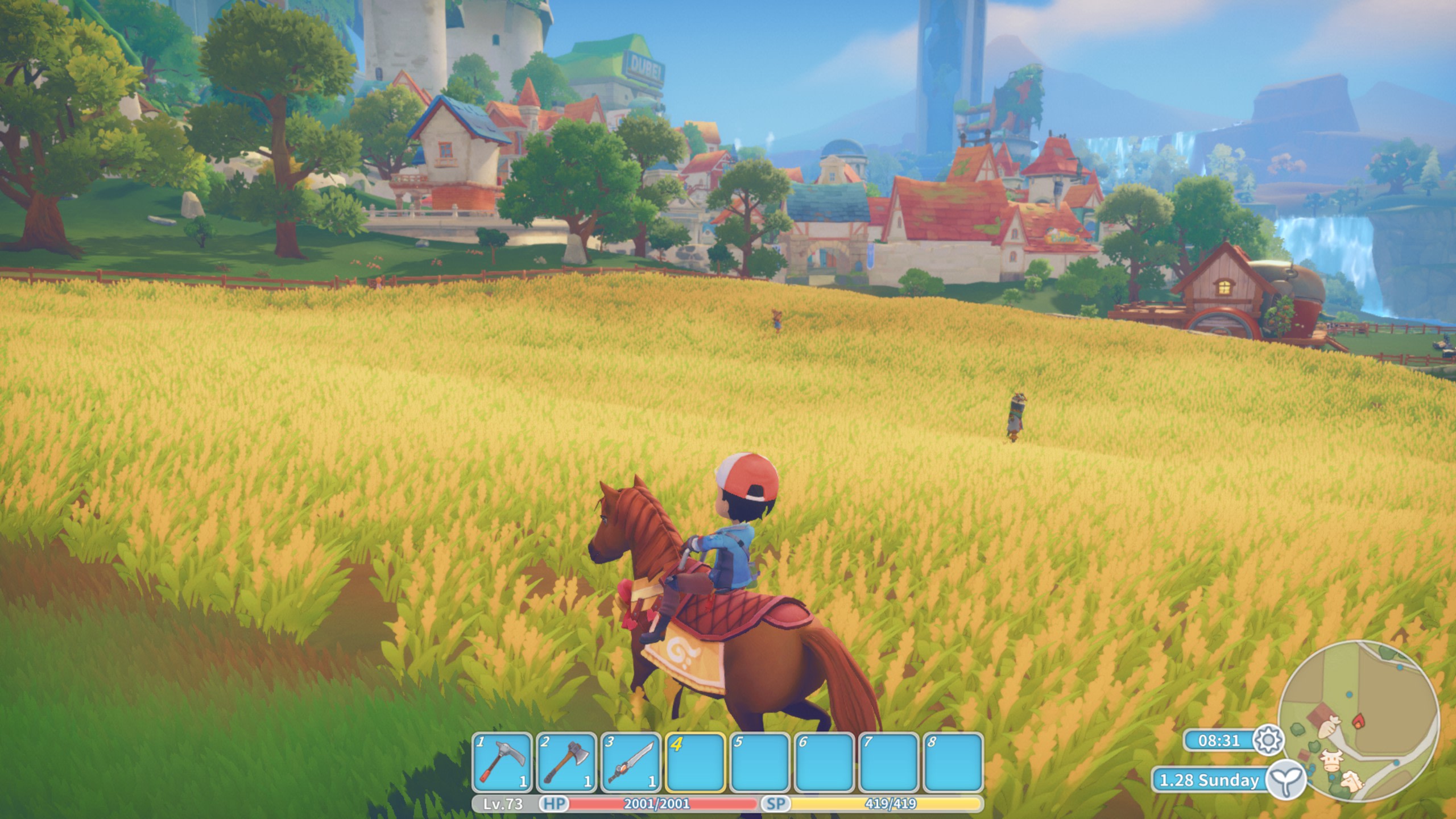
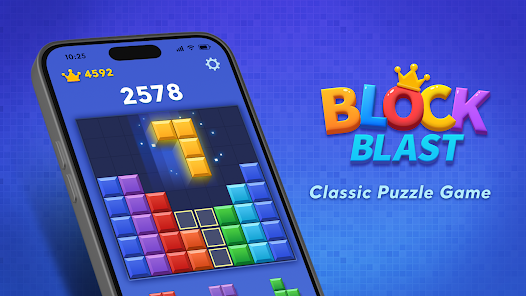
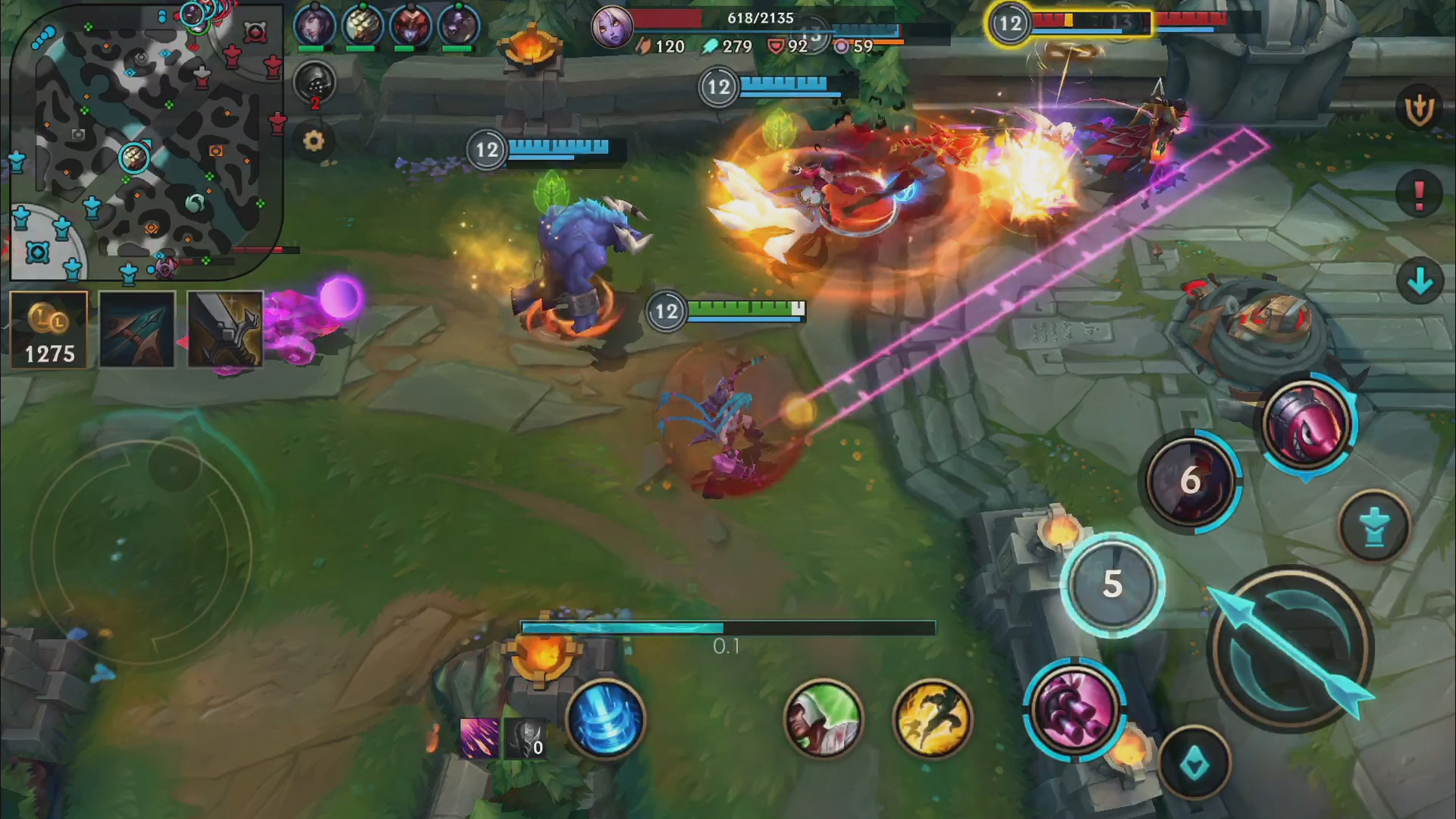
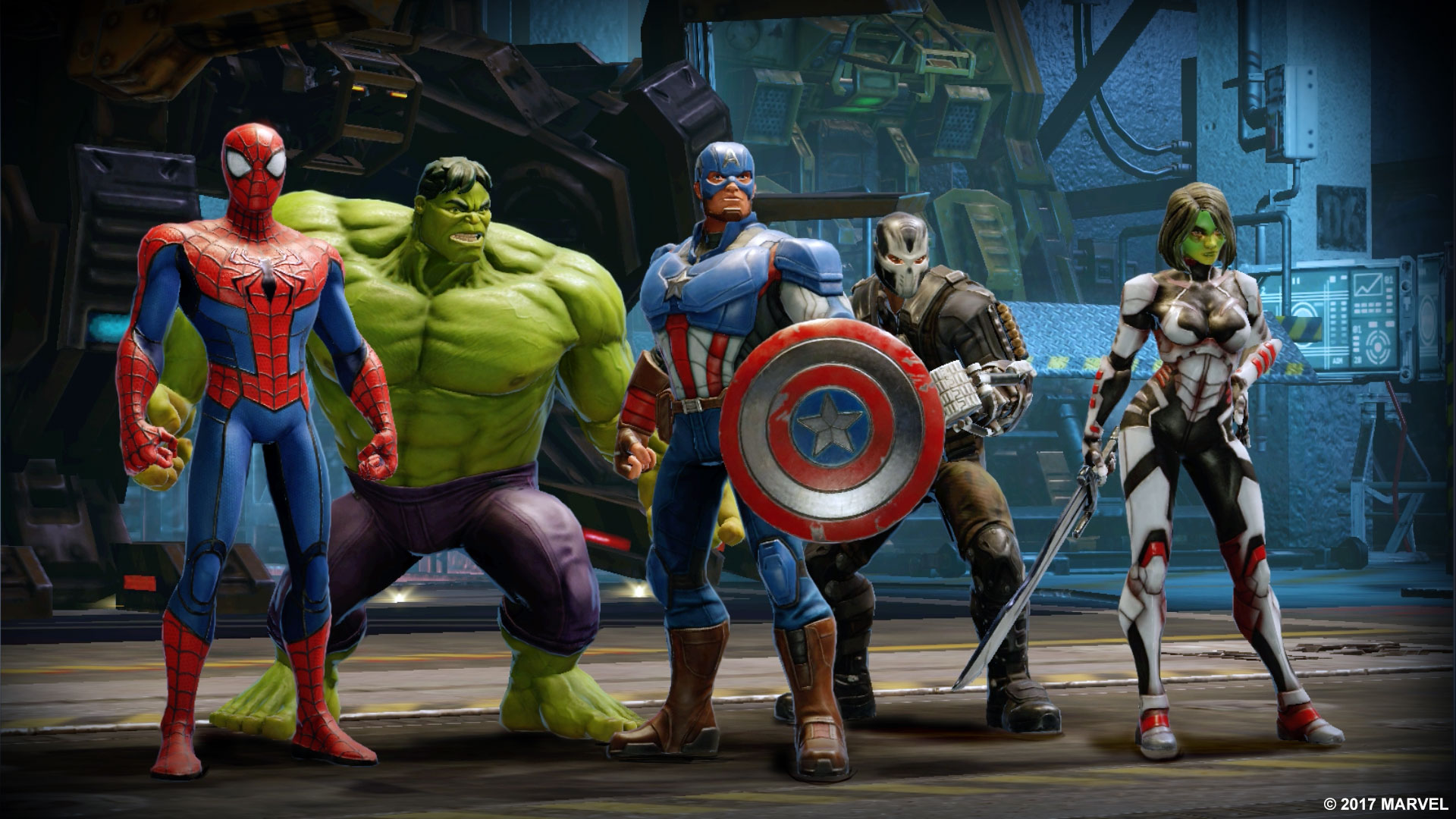
The mobile gaming landscape has matured into a sophisticated ecosystem defined by a vast array of mechanics, engagement styles, and monetization strategies. Spanning over 20 distinct categories, the market encompasses everything from high-intensity action and strategy titles to accessible puzzle and social casino games. This diversity is further enriched by specialized niches, including augmented reality, educational software, and horror experiences, all of which contribute to the industry's broad appeal and sustained growth.
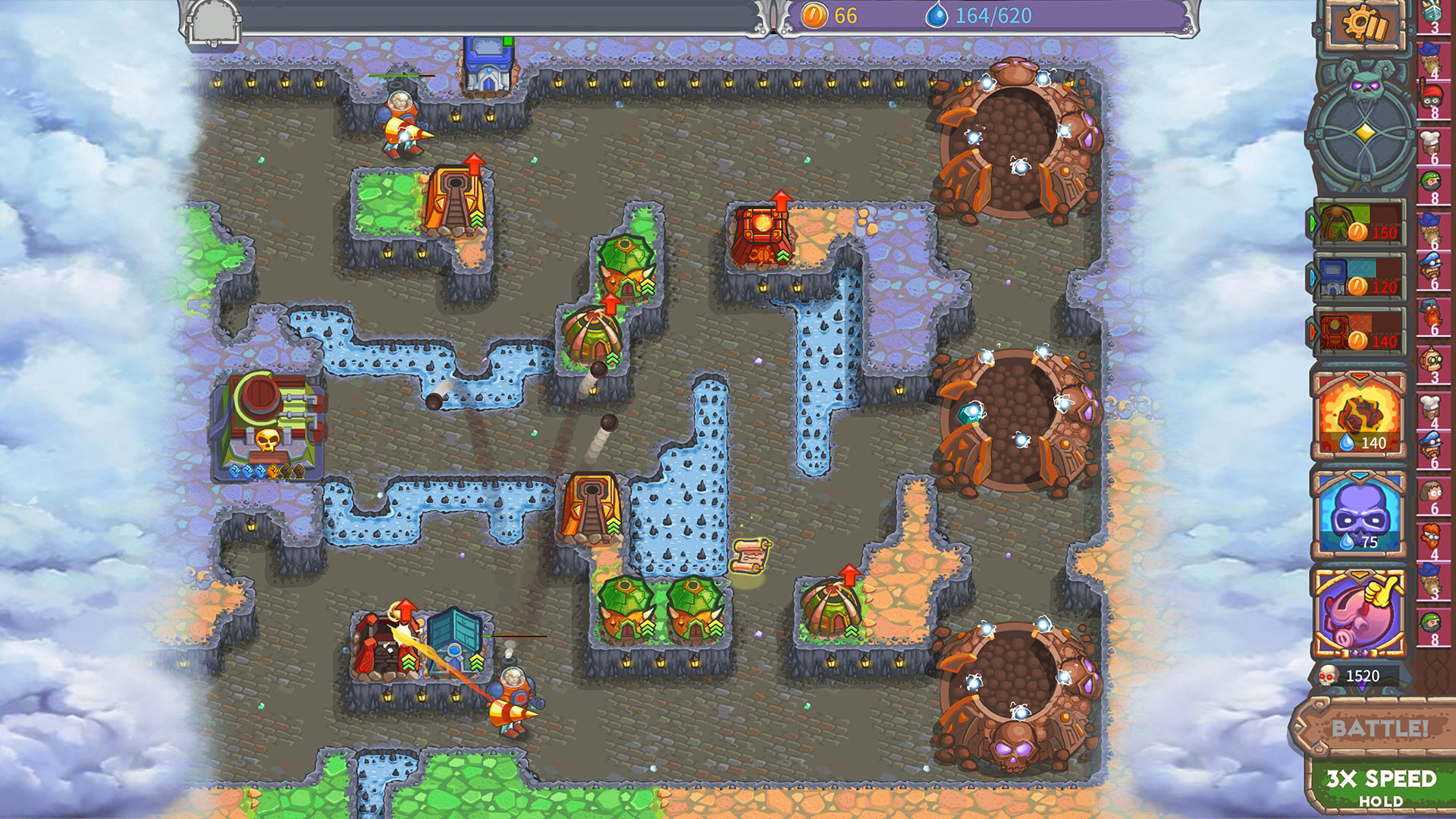
A defining trend in contemporary mobile development is the emergence of hybrid models, where developers integrate disparate mechanics—such as combining role-playing elements with gacha systems or blending strategy with tower defense—to foster deeper player engagement. This trend reflects a broader industry shift toward innovation, as developers continuously refine their offerings to meet evolving player preferences. By leveraging these multifaceted gameplay loops, studios are successfully increasing retention and creating more complex, varied experiences that transcend traditional genre boundaries.
These insights are grounded in extensive industry experience, drawing from a track record of acquiring over 300 million users since 2018. The analysis emphasizes the critical importance of performance metrics, such as Cost Per Acquisition, and provides strategic guidance for navigating the competitive landscape of indie and strategy game marketing. Ultimately, the strength of the mobile market lies in its inherent accessibility and the ongoing ability of developers to adapt to shifting consumer behaviors, ensuring that the ecosystem remains a dynamic and profitable space for both established publishers and independent creators.
Udonis · 2026
Udonis · 2026
Udonis · 2026

Udonis · 2026

Udonis · 2026
Udonis · 2026
Udonis · 2026
Udonis · 2026
Udonis · 2026

Udonis · 2026

Udonis · 2025

Udonis · 2025

Almedia · 2026

GamingReport · 2025
Liftoff · 2024

Adjust · 2023
Tenjin · 2023
Tenjin · 2022
AdQuantum · 2022

SocialPeta · 2021

InvestGame

Gamesforum

Adjust