1 free read left. Create a free account for unlimited reading + AI research.
Create free accountArticle DiGRA
1 free read left. Create a free account for unlimited reading + AI research.
Create free accountArticleDiGRA
The report argues that play has shifted from a source of rest into a quantified and socially policed form of labor.
The document, "Min-Maxxing Relaxing: Playtime and Privilege in the Post-Pandemic," examines the emergence of "playtime anxiety" in contemporary gaming culture, arguing that post-pandemic platform ecologies and influencer dynamics have transformed leisure into a form of social currency. The central thesis posits that this environment fosters a "min-maxxing relaxing" aesthetic, where the optimization of play becomes a pressured endeavor, obscuring the inherent labor involved and devaluing individuals unable to commit to "hardcore" leisure. This phenomenon reconfigures "not-playing" as a social and moral failing, disproportionately affecting those with limited time and resources.
A key finding is that "playtime" has evolved into a significant social currency, leading to the social declassification of individuals unable to dedicate substantial time to gaming. This anxiety is exacerbated by social gaming platforms, manifesting across discursive, technical, social, and emotional dimensions. The maintenance of games, including managing mods and updates, alongside engagement in community discussions, is identified as "playbour," creating significant barriers to casual participation.
Gaming platforms, such as Steam and Discord, leverage social features like "Rich Presence" to quantify and display player activity, effectively creating a "playtime leaderboard." This hypervisibility generates social anxiety and a sense of moral failure for players unable to maintain high levels of engagement, particularly with emotionally demanding, long-form titles like Baldur's Gate 3. Even attempts at "radically slow play" paradoxically reinforce this anxiety by maintaining a moral imperative to play and share gaming experiences. The analysis concludes that "slow gaming" alone cannot alleviate this anxiety, which is driven by social capital, technical upkeep, and fast-paced creator culture. The authors advocate for Collaborative Autoethnography as a method to measure the "cost" of optimizing downtime, enabling players to de-quantify their play and reclaim enjoyment on their own terms. The scope of this analysis is primarily focused on Western gaming culture and platforms in the post-pandemic era, with a specific focus on PC gaming and community dynamics.
 Baldur's Gate 3Game · Larian Studios · 2023 · 164 documents
 TwitchCompany · 947 documents
 PlayStationCompany · Game company · 1,746 documents
 Dragon Age: The VeilguardGame · BioWare · 2024 · 28 documents
 Larian StudiosCompany · Belgium · founded 1996 · 48 documents
 DiscordCompany · Technology · 494 documents
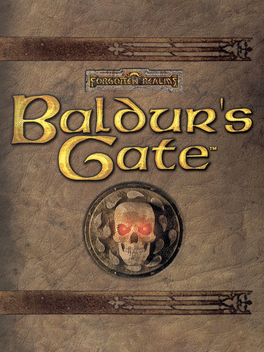 Baldur's GateGame · BioWare · 1998 · 157 documents
Each row is a game or company this document names, each column a document, oldest first. A mark means that document names it. Select a row to see those documents.
DiGRA · 2026

DiGRA · 2026