Games and companies in this document

Connections
Each row is a game or company this document names, each column a document, oldest first. A mark means that document names it. Select a row to see those documents.
More from University of California Santa Cruz
View all
Whitepaper
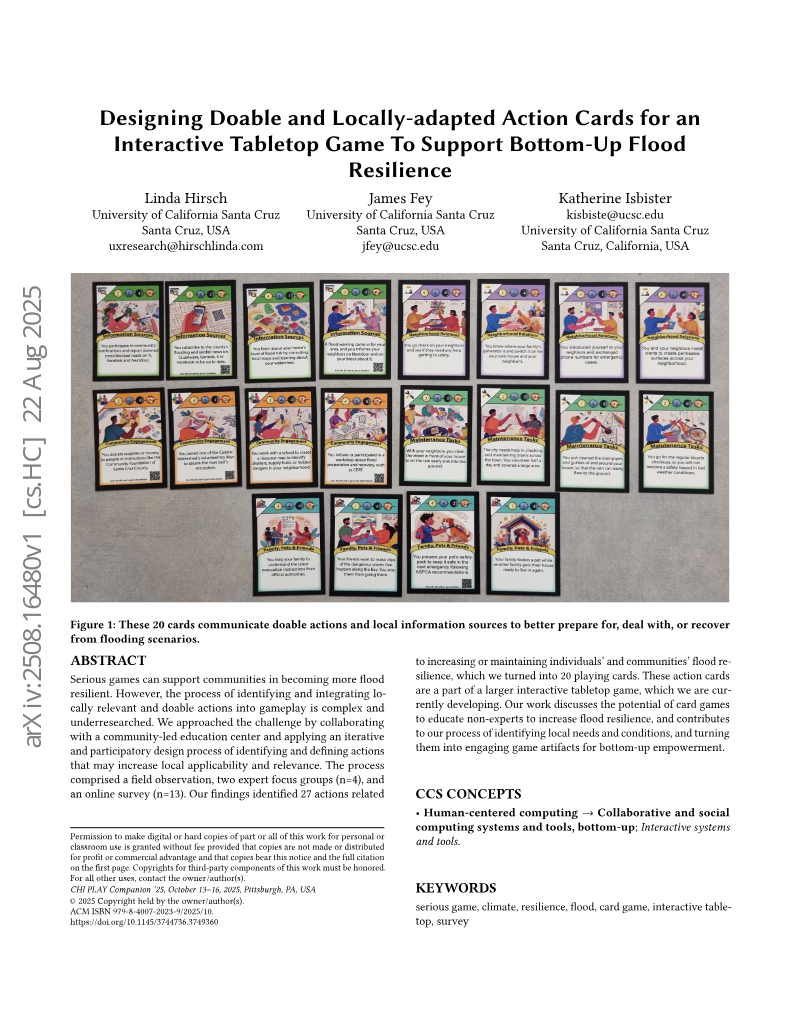
Designing Doable and Locally-adapted Action Cards for an Interactive Tabletop Game
University of California Santa Cruz · 2025
Whitepaper
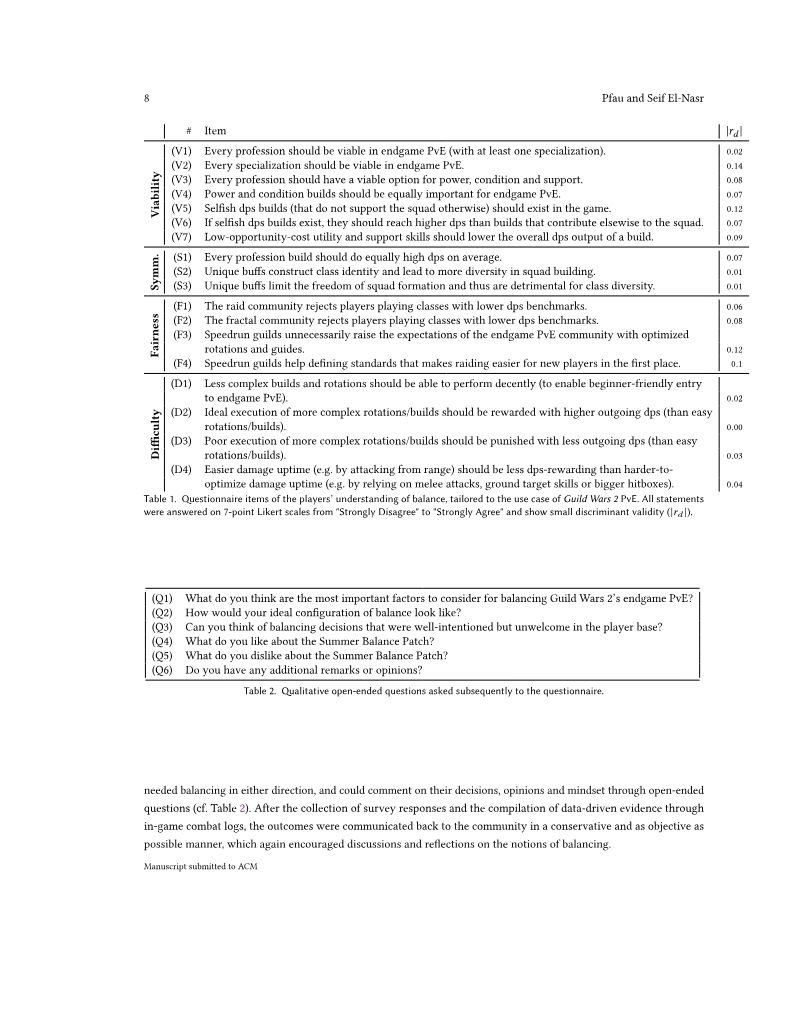
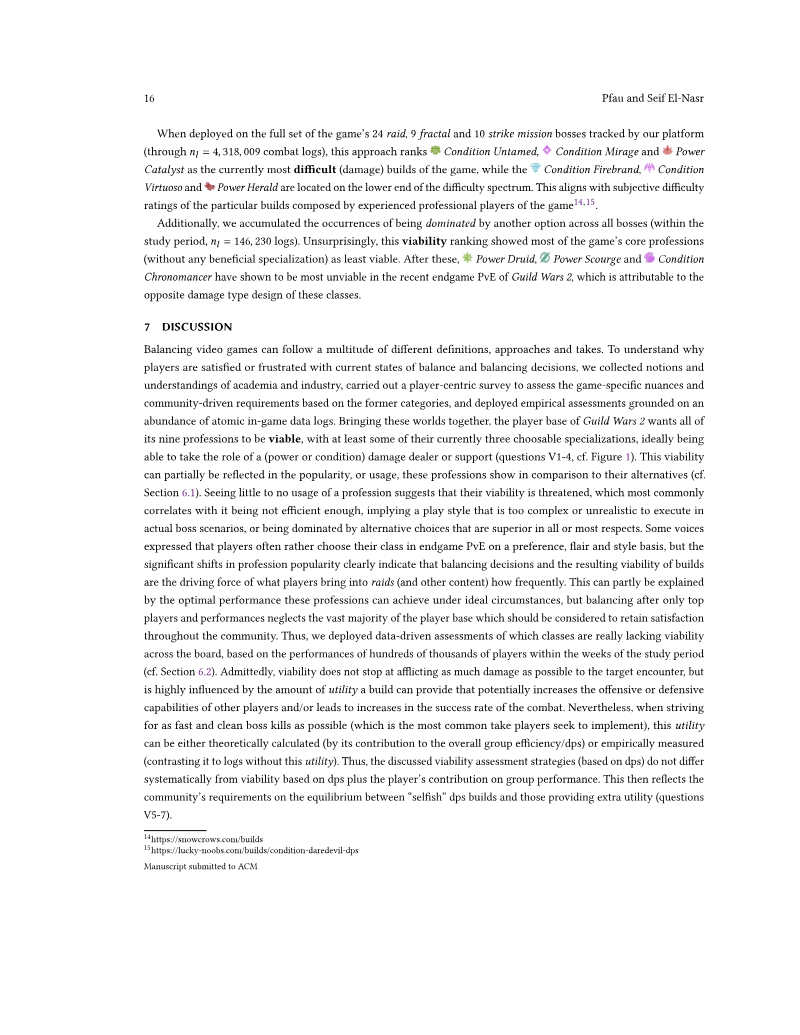
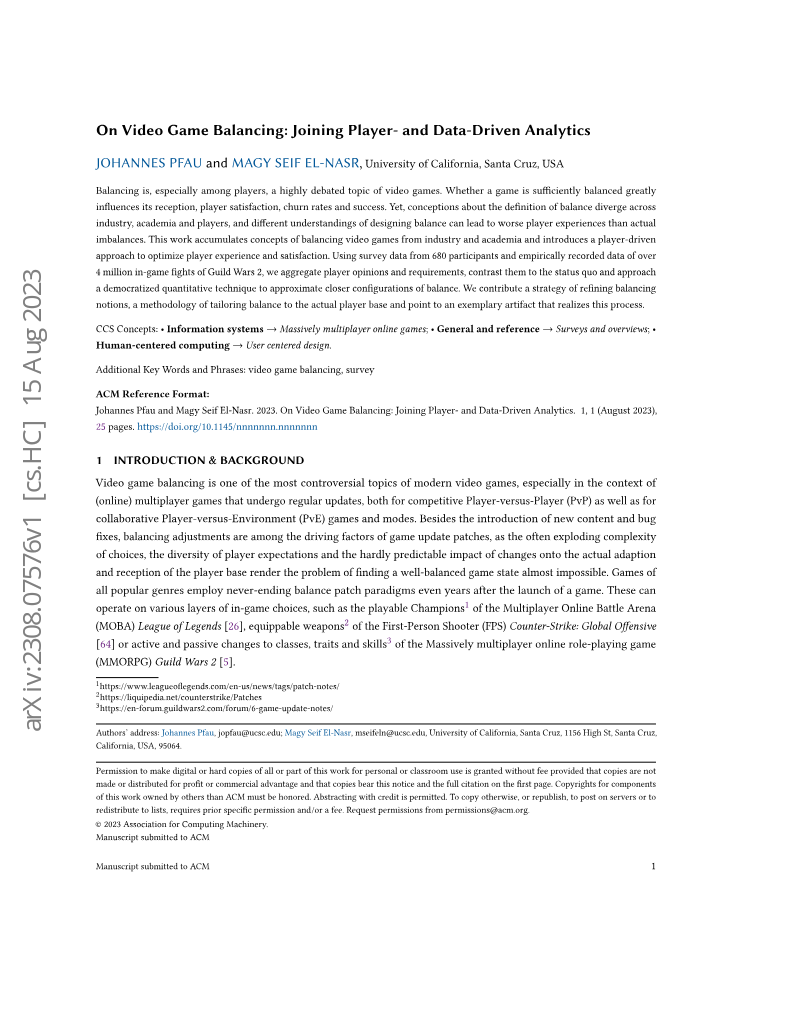
On Video Game Balancing: Joining Player- and Data-Driven Analytics
University of California Santa Cruz · 2024
Whitepaper
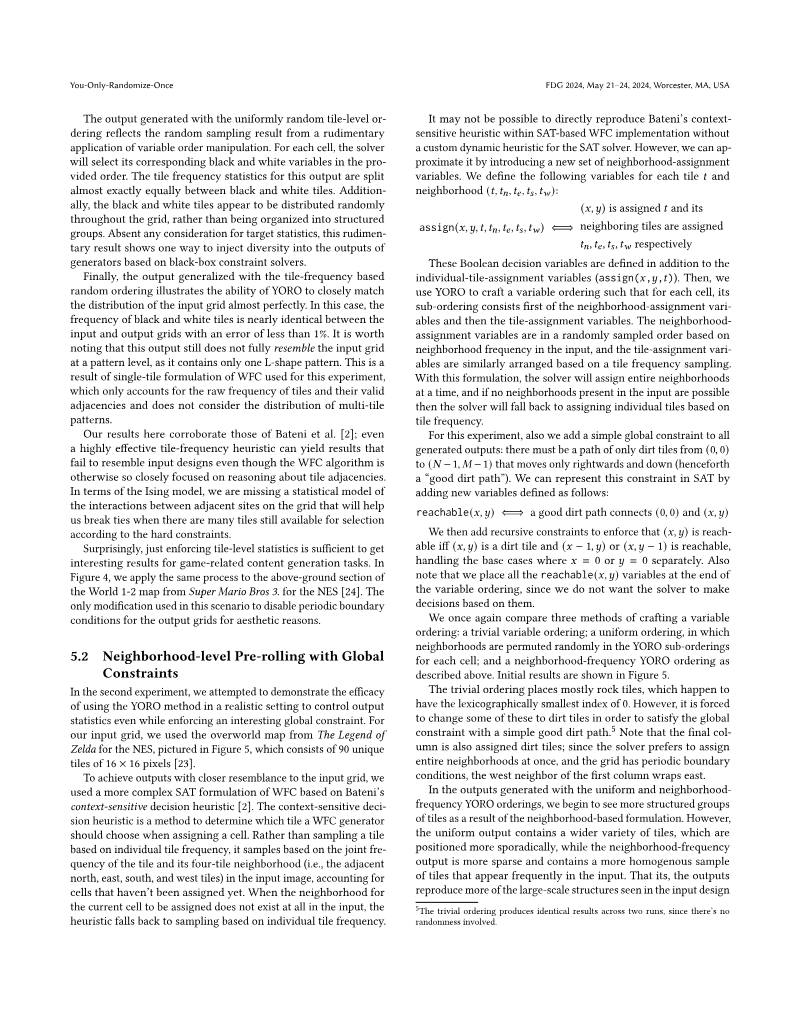
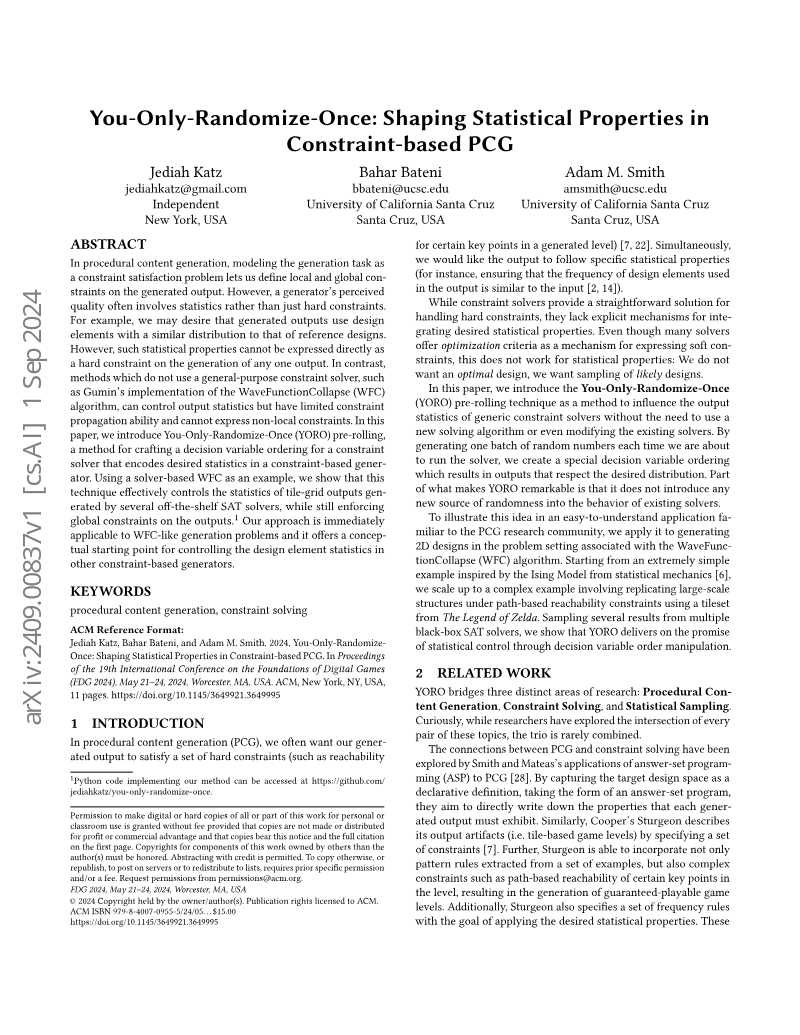
You Only Randomize Once: Shaping Statistical Properties in Constraint-based PCG
University of California Santa Cruz · 2024
Whitepaper
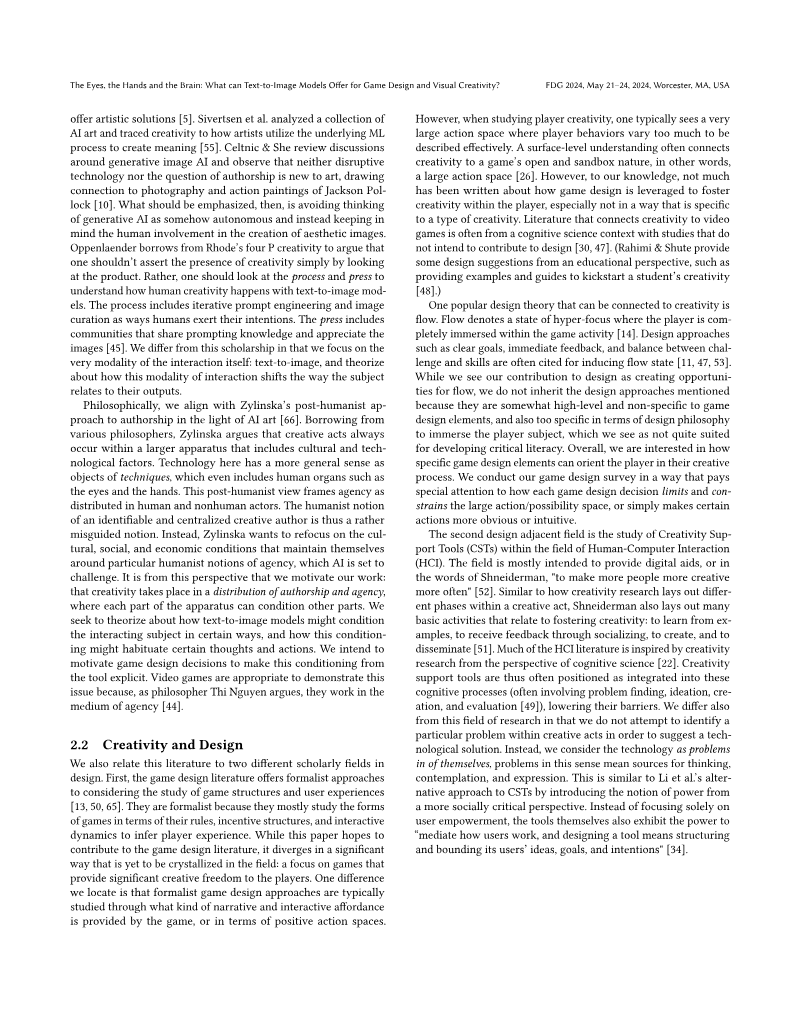
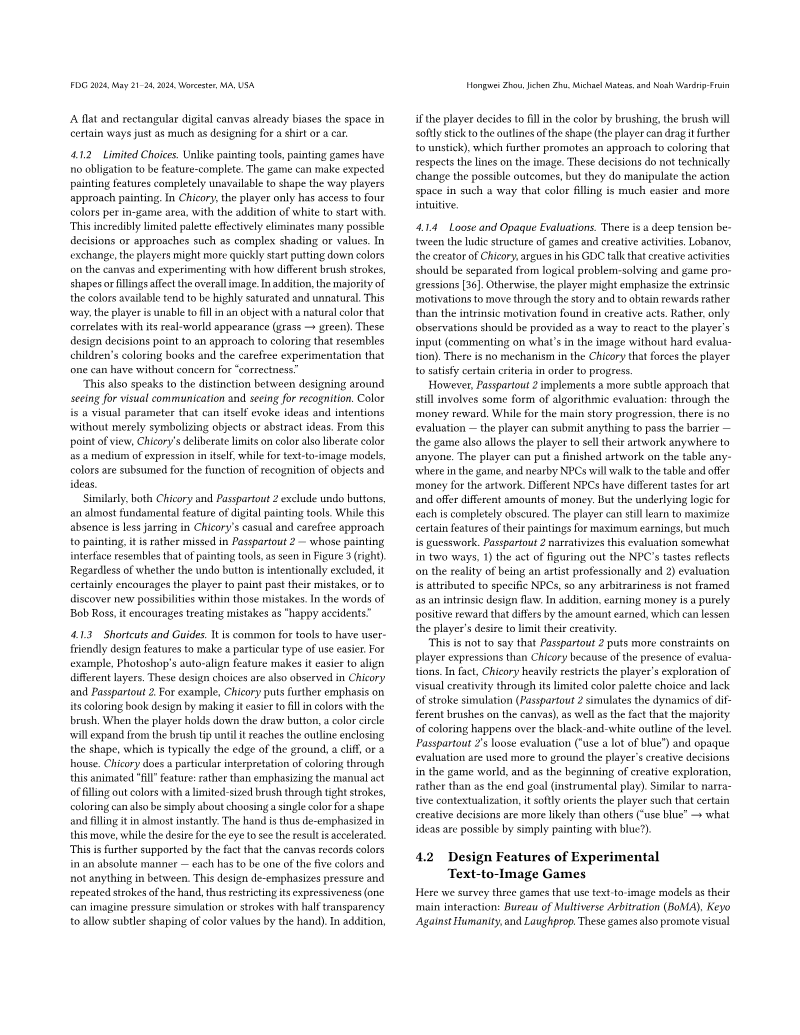
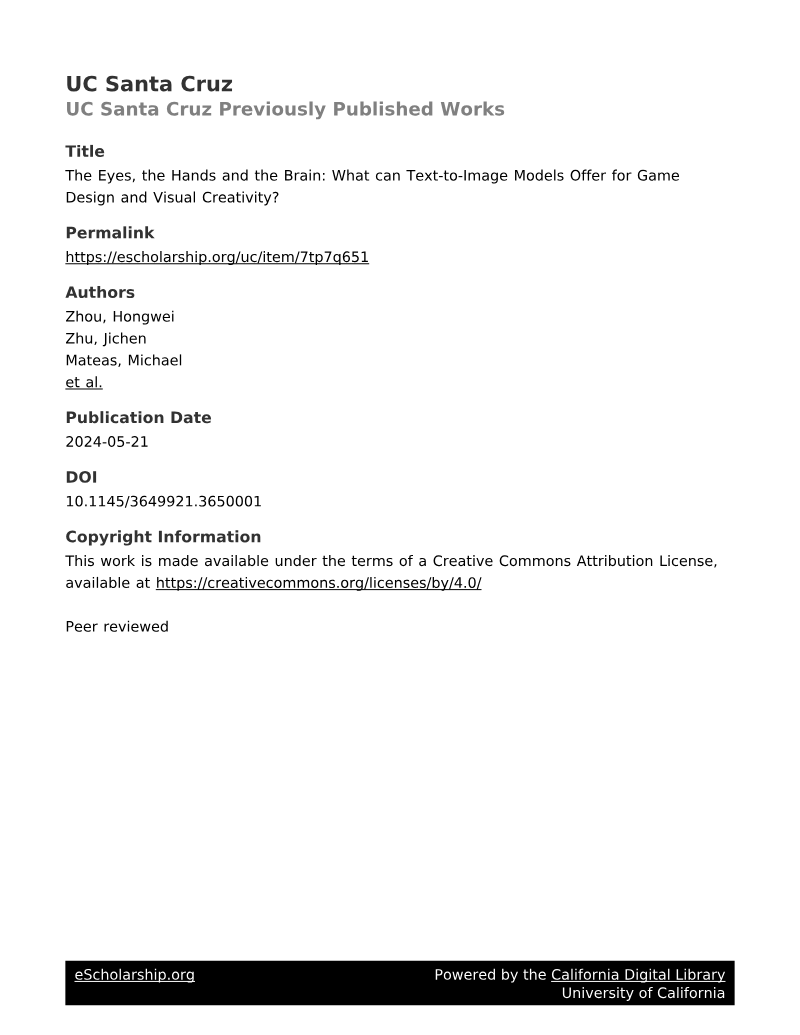
The Eyes, the Hands and the Brain: What can Text-to-Image Models Offer for Game Design and Visual Creativity?
University of California Santa Cruz · 2024
Whitepaper
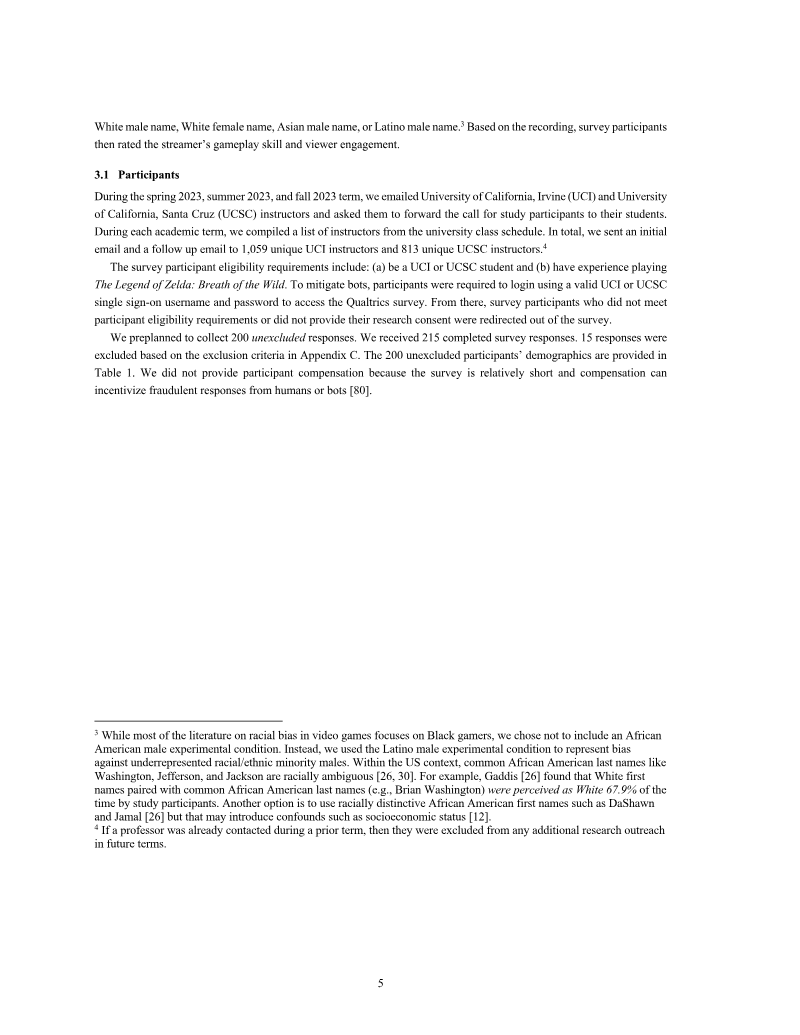
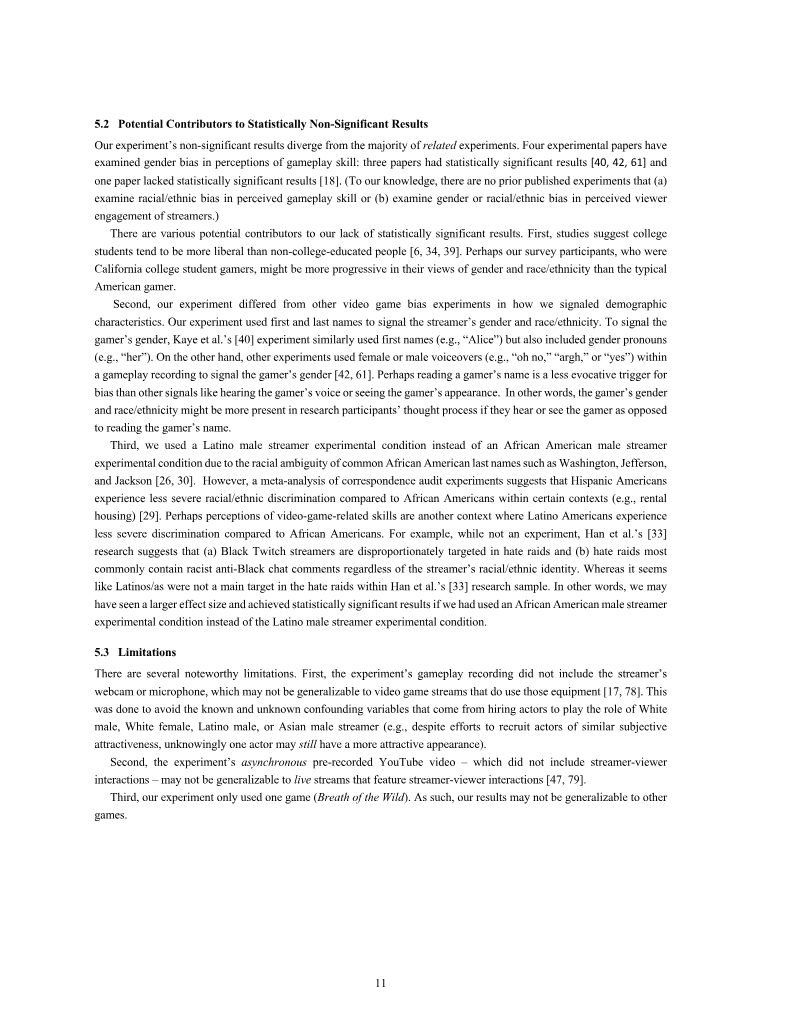
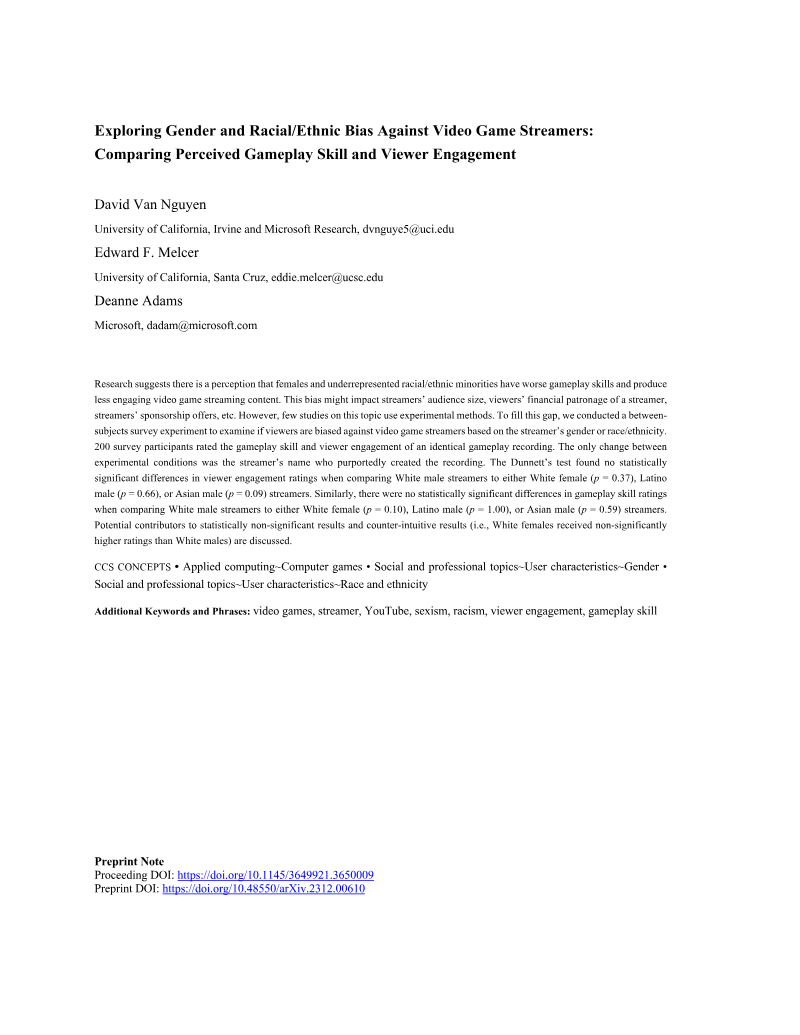
Exploring Gender and Racial/Ethnic Bias Against Video Game Streamers: Comparing Perceived Gameplay Skill and Viewer Engagement
University of California · 2024
Whitepaper
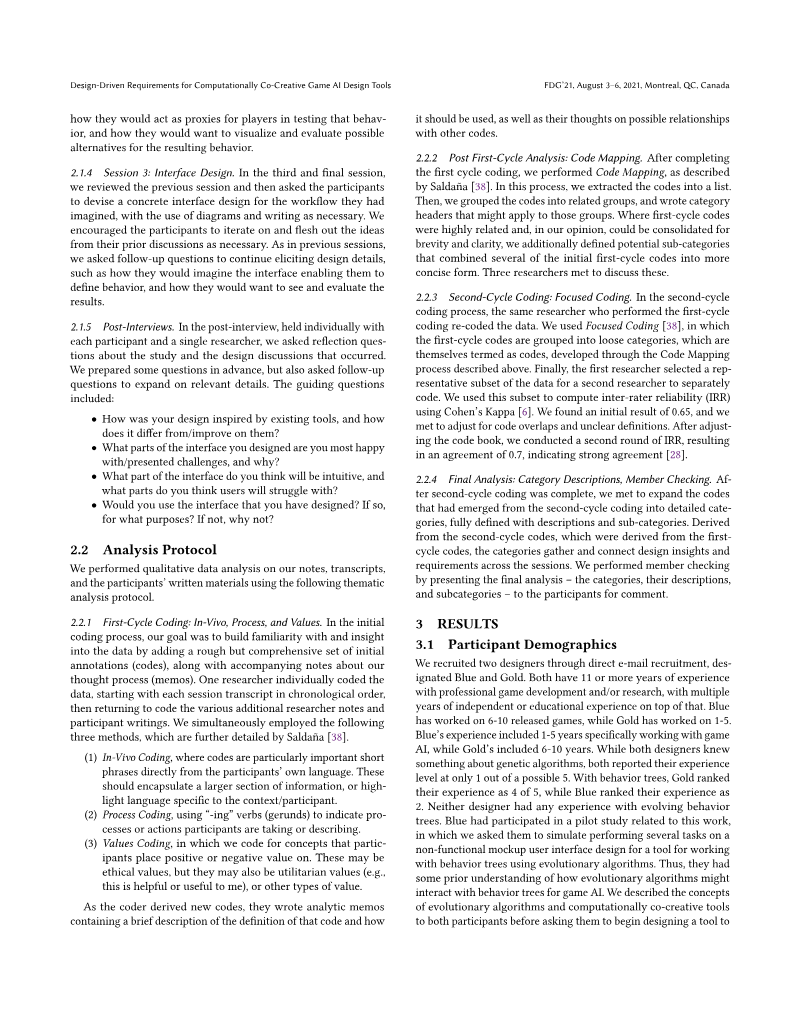
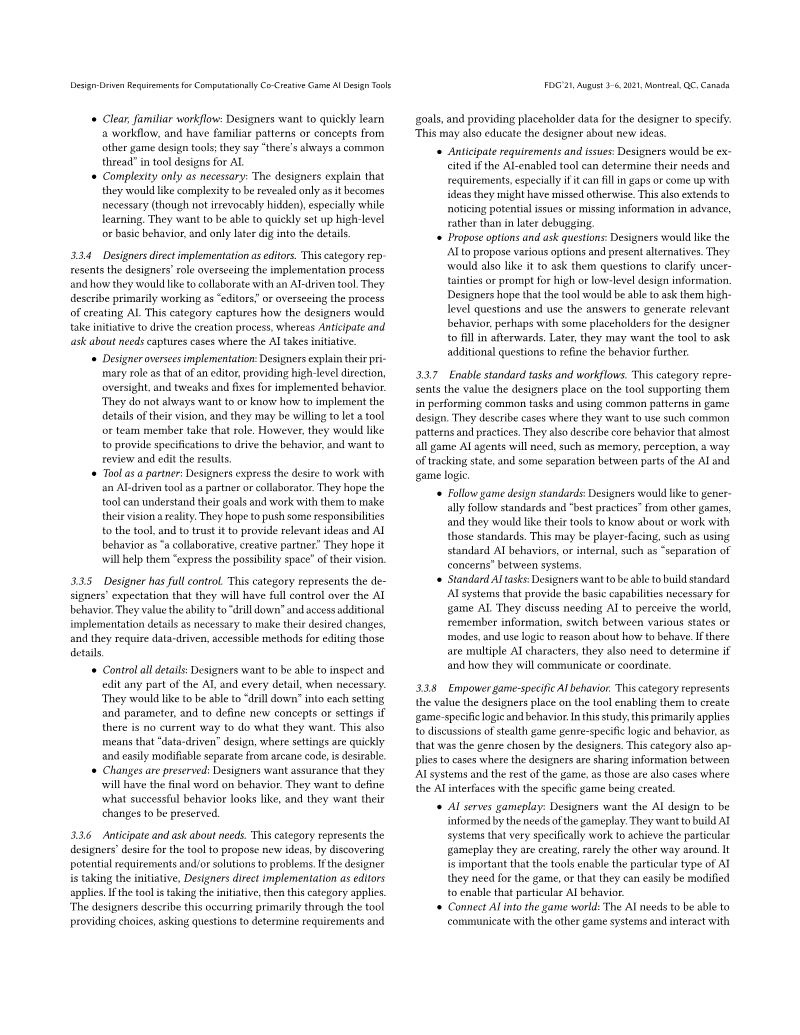
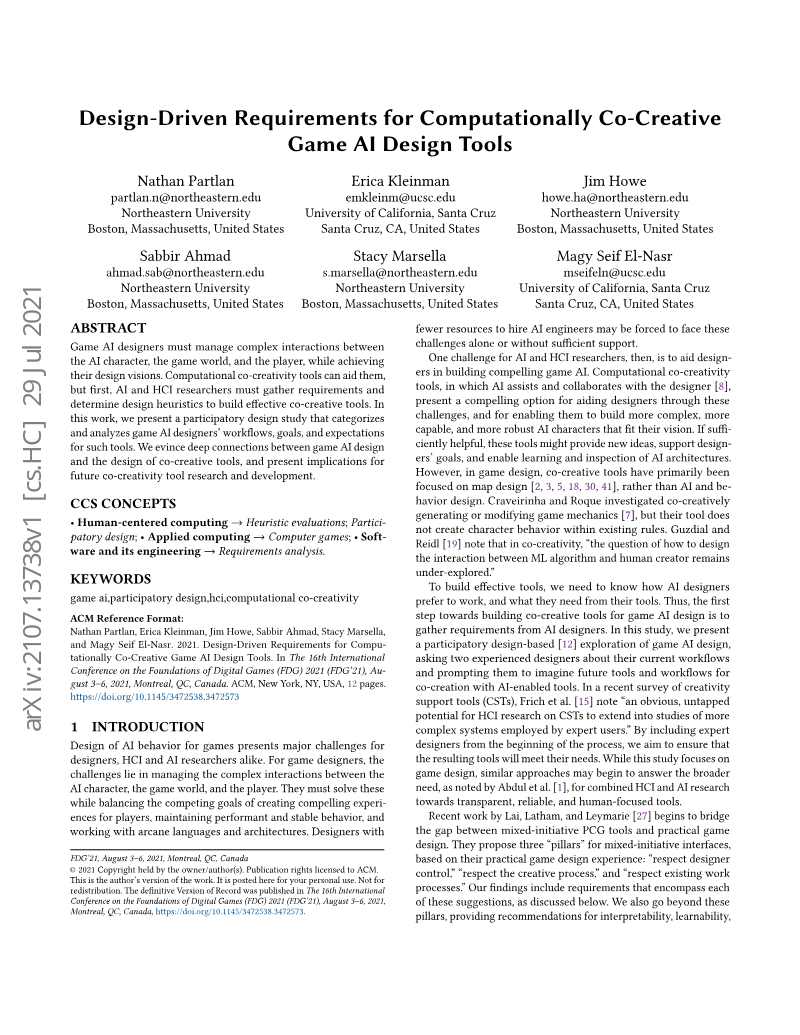
Design-Driven Requirements for Computationally Co-Creative Game AI Design Tools
Northeastern University · 2021
Whitepaper
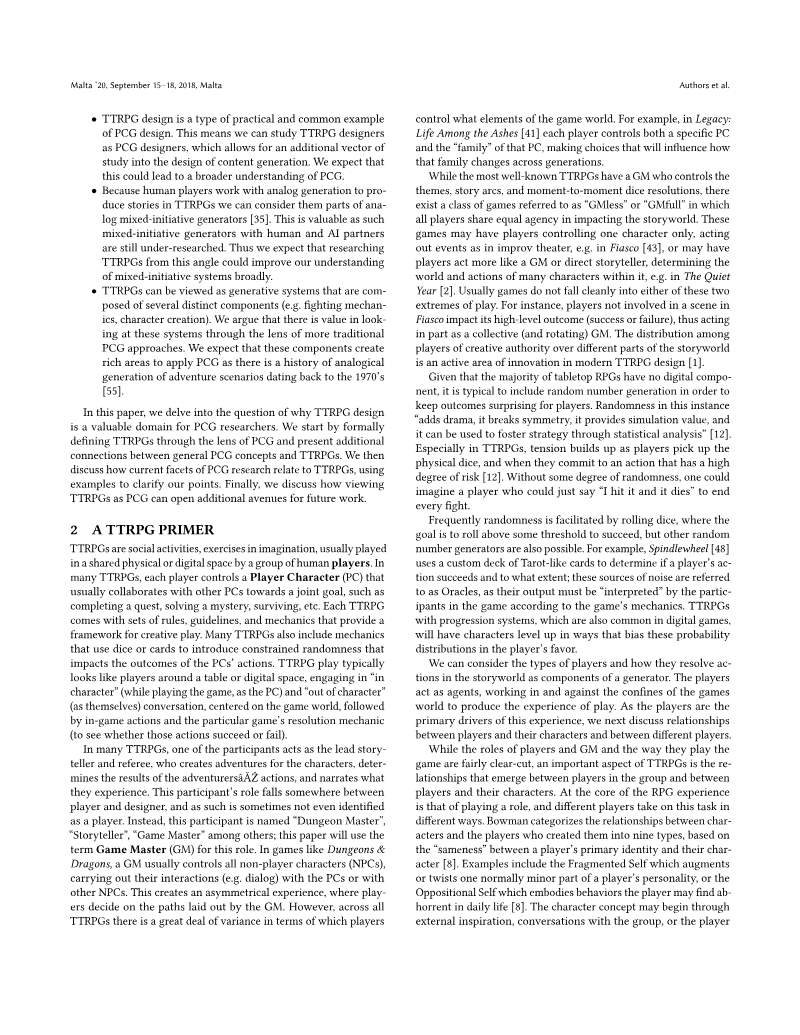
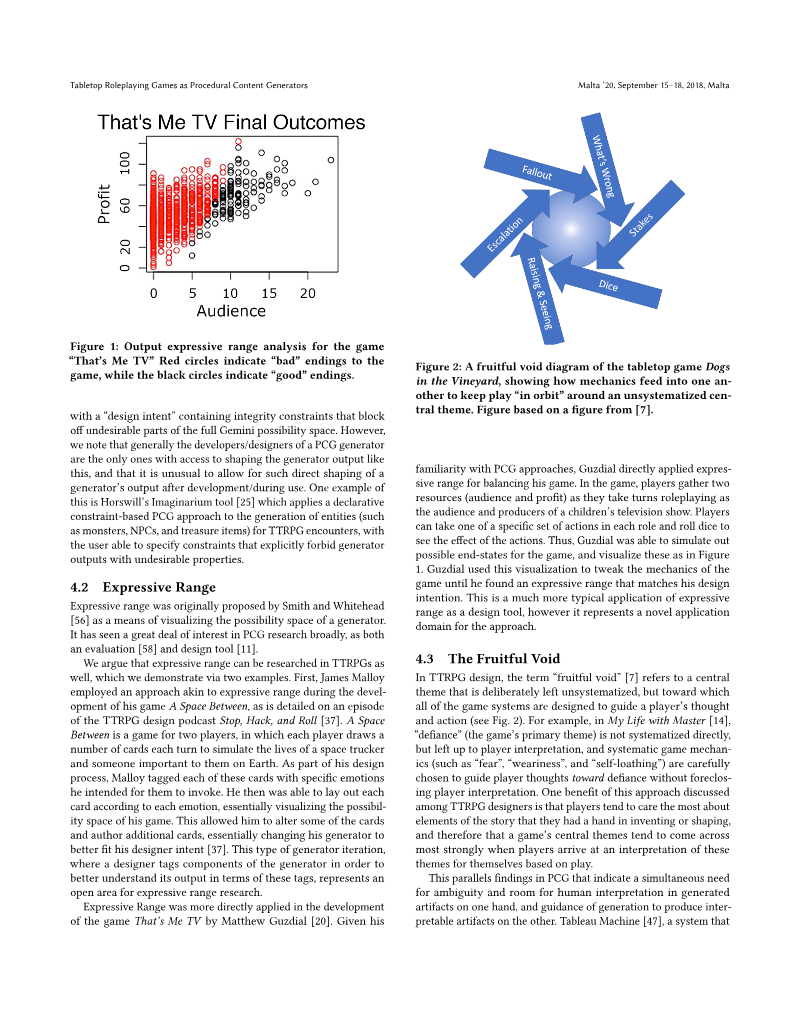
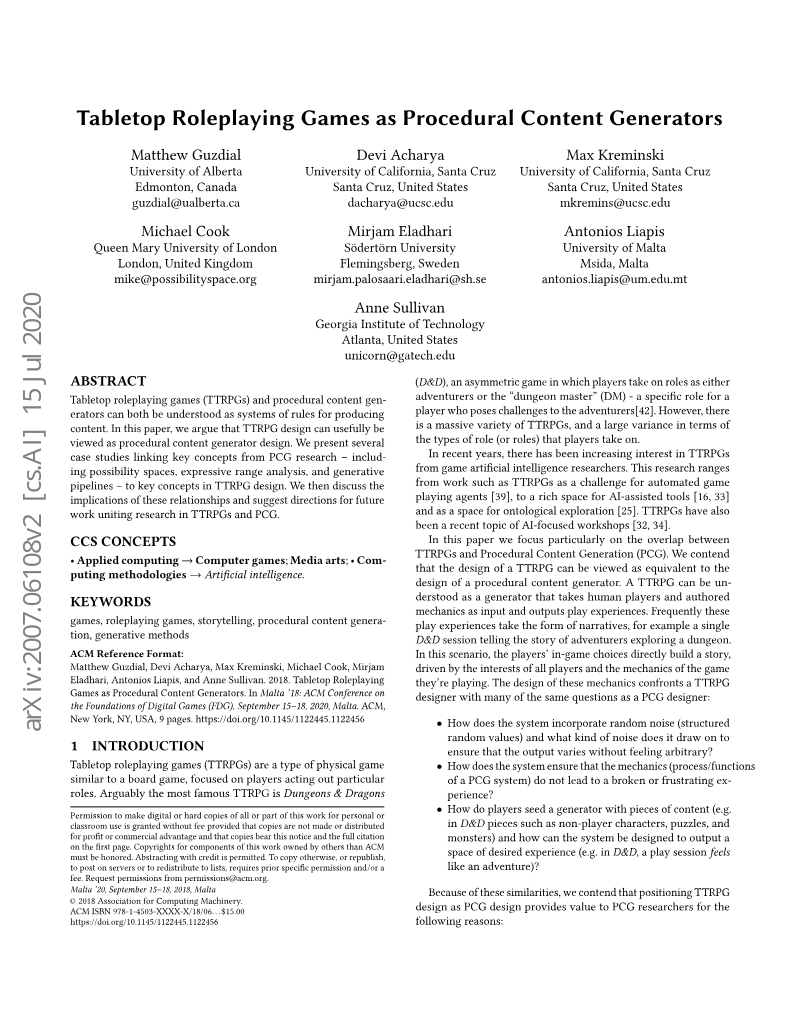
Tabletop Roleplaying Games as Procedural Content Generators
University of Alberta · 2020
Whitepaper
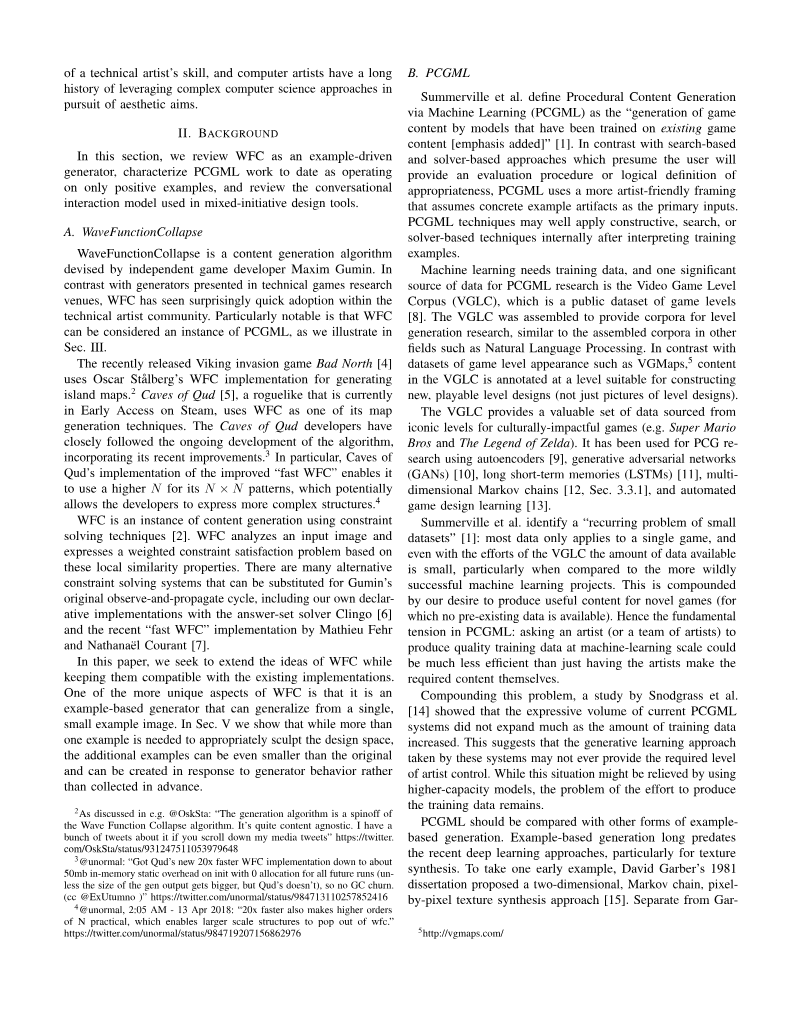
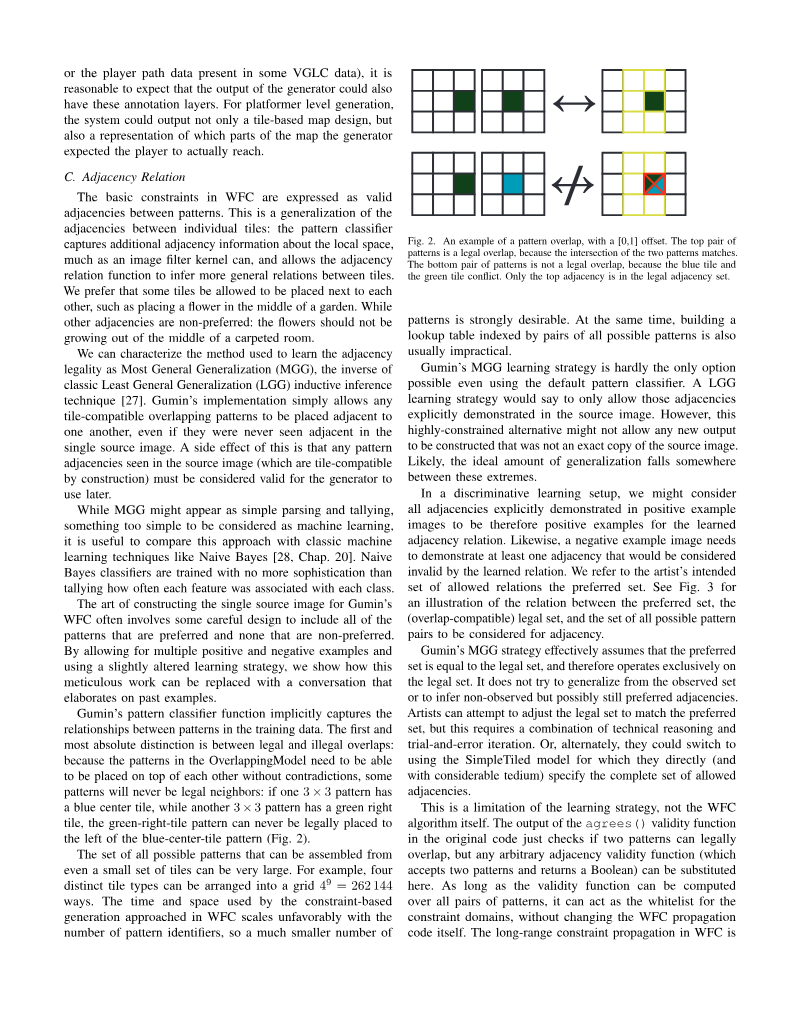
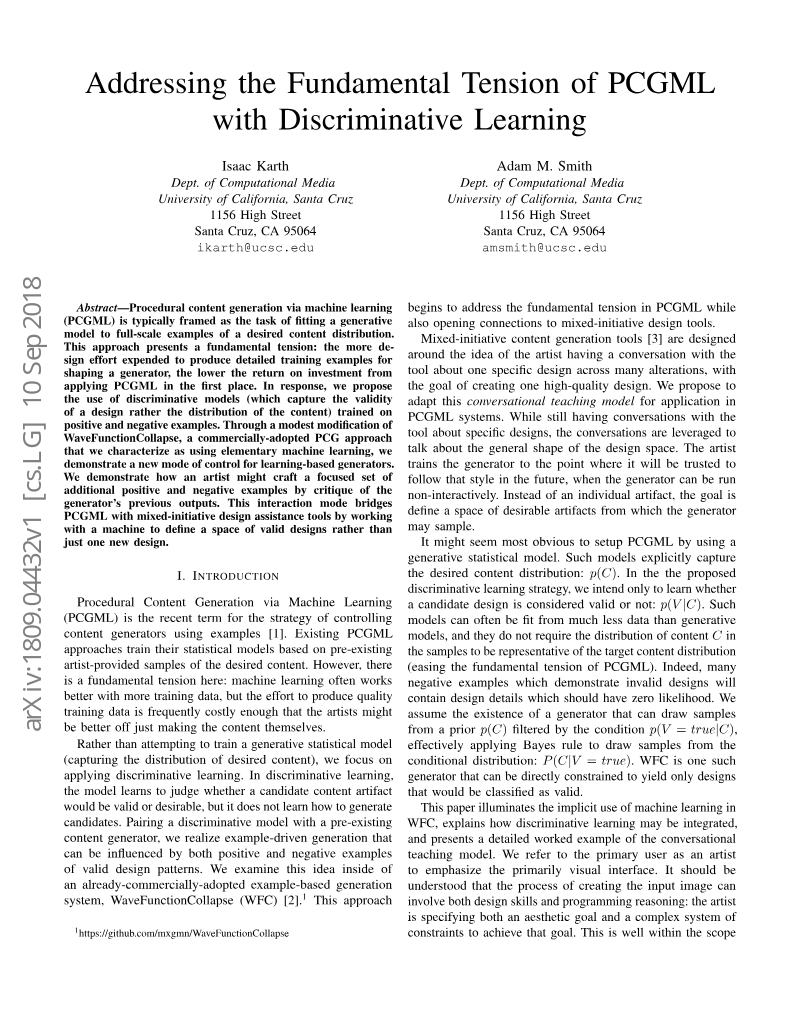
Addressing the Fundamental Tension of PCGML with Discriminative Learning
University of California Santa Cruz · 2019
Whitepaper
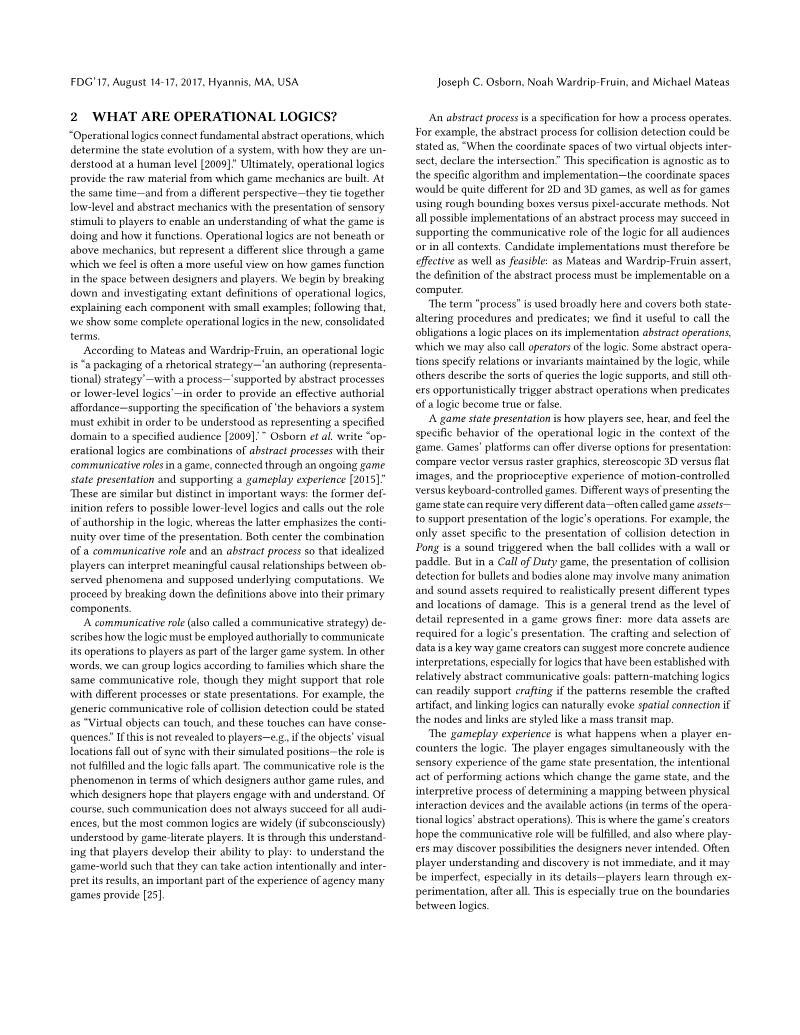
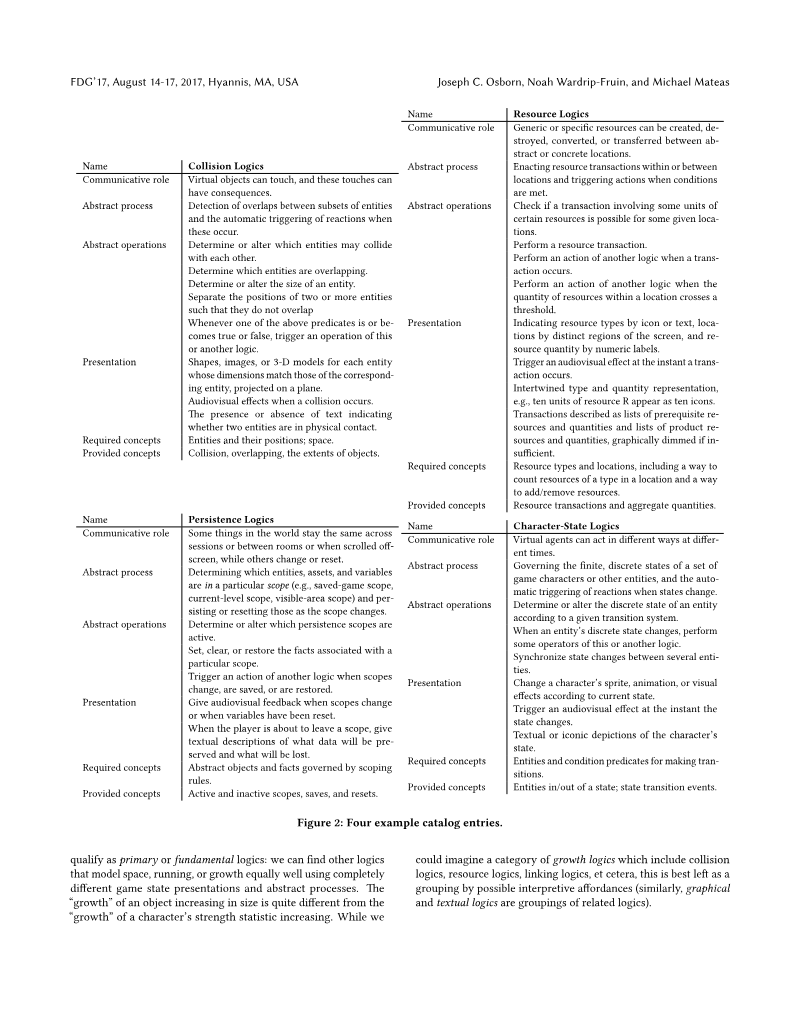
Refining Operational Logics
University of California Santa Cruz · 2017
Whitepaper
Automatic Mapping of NES Games with Mappy
University of California Santa Cruz · 2017