1 free read left. Create a free account for unlimited reading + AI research.
Create free accountWhitepaper Loading... The Journal of the Canadian Game Studies Association
1 free read left. Create a free account for unlimited reading + AI research.
Create free accountWhitepaperLoading... The Journal of the Canadian Game Studies Association
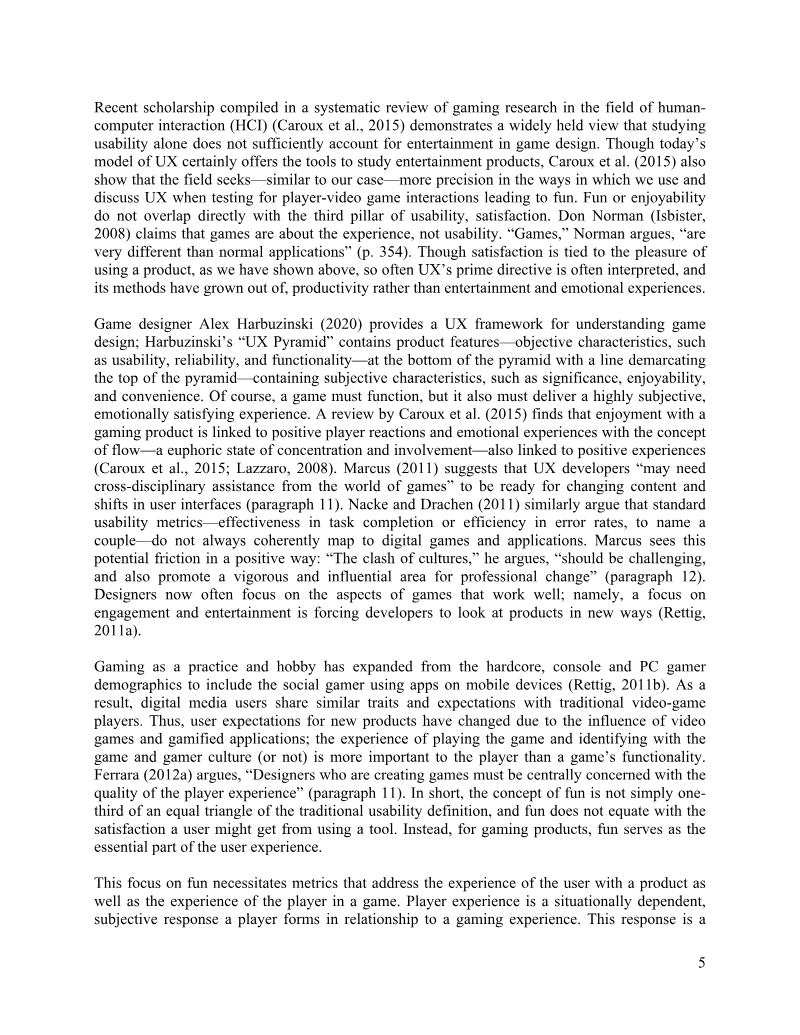
Metrics designed for productivity software fail to capture the subjective, entertainment-driven experience of fun in games. These tools are effective for task completion but not for entertainment.
It's like trying to measure the joy of a roller coaster ride using only a stopwatch and a checklist of safety features.
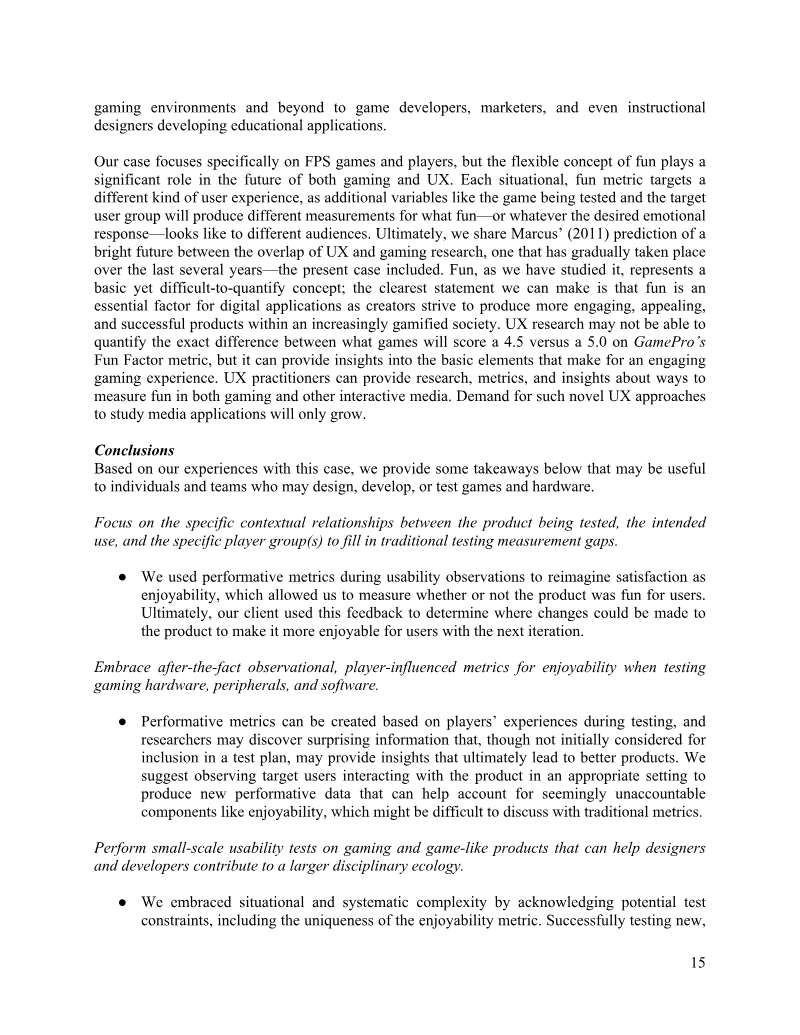
Traditional usability metrics, such as efficiency and standard satisfaction scales, fail to capture the core objective of video games: the subjective experience of fun. While these conventional tools effectively measure task completion in productivity software, they are insufficient for evaluating the entertainment-driven nature of gaming hardware and software. To address this gap, design practitioners must pivot toward context-specific, mixed-methods approaches that prioritize emotional engagement, immersion, and physical interaction over mere technical functionality.
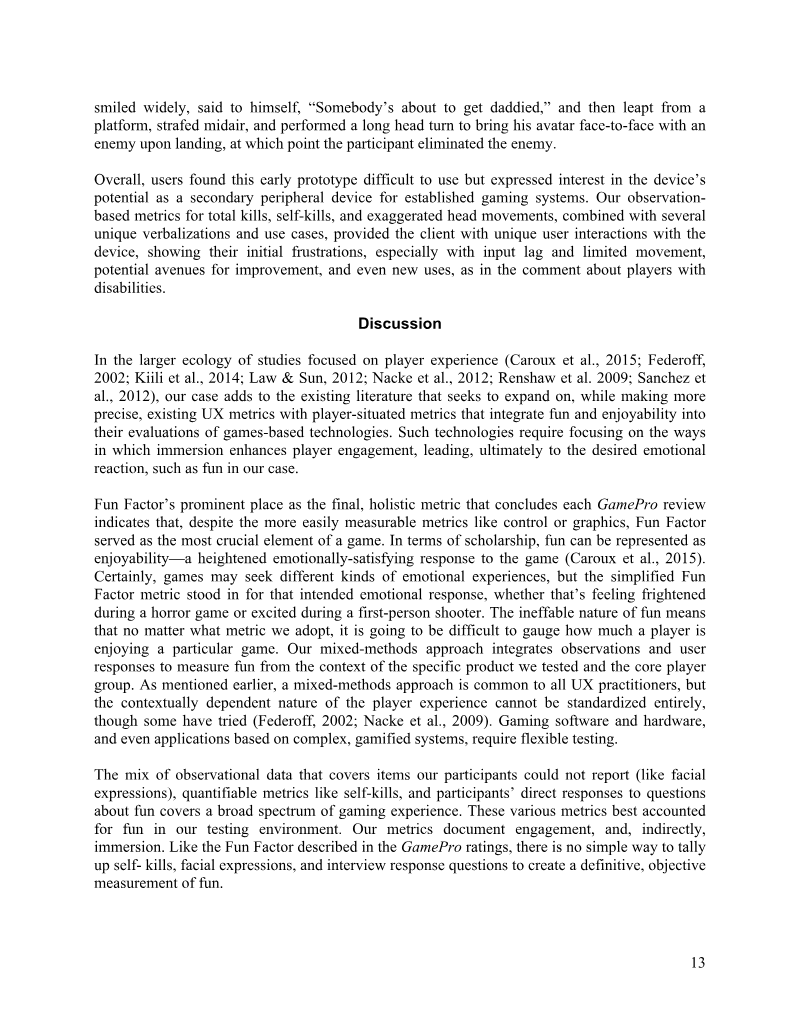
A case study involving a prototype gaming headset illustrates the necessity of this shift. By triangulating verbal feedback with observational data—such as physical movement patterns and in-game performance metrics—researchers can identify performance barriers that standard surveys overlook. This ecological approach acknowledges that player experience is inherently subjective and highly dependent on the specific gaming environment. Consequently, iterative, small-scale testing provides more actionable insights into the nuances of enjoyability than broad, static usability assessments.
As gaming culture continues to influence broader digital design, the industry must adopt cross-disciplinary strategies to evaluate complex user interactions. Moving beyond rigid, universal metrics allows development teams to foster more collaborative environments and create products that resonate on an emotional level. Ultimately, the successful evaluation of modern gaming experiences requires a flexible framework that treats fun not as an abstract concept, but as a measurable, context-dependent outcome of the player-centric design process.
Loading... The Journal of the Canadian Game Studies Association · 2026
Loading... The Journal of the Canadian Game Studies Association · 2026
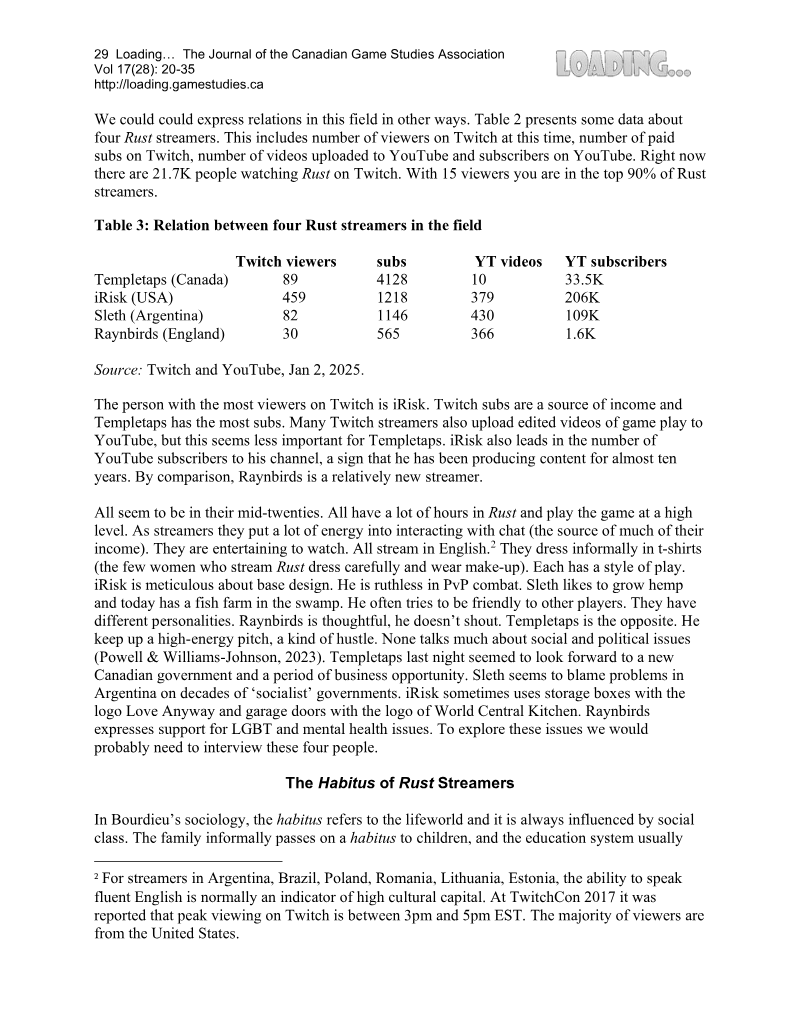
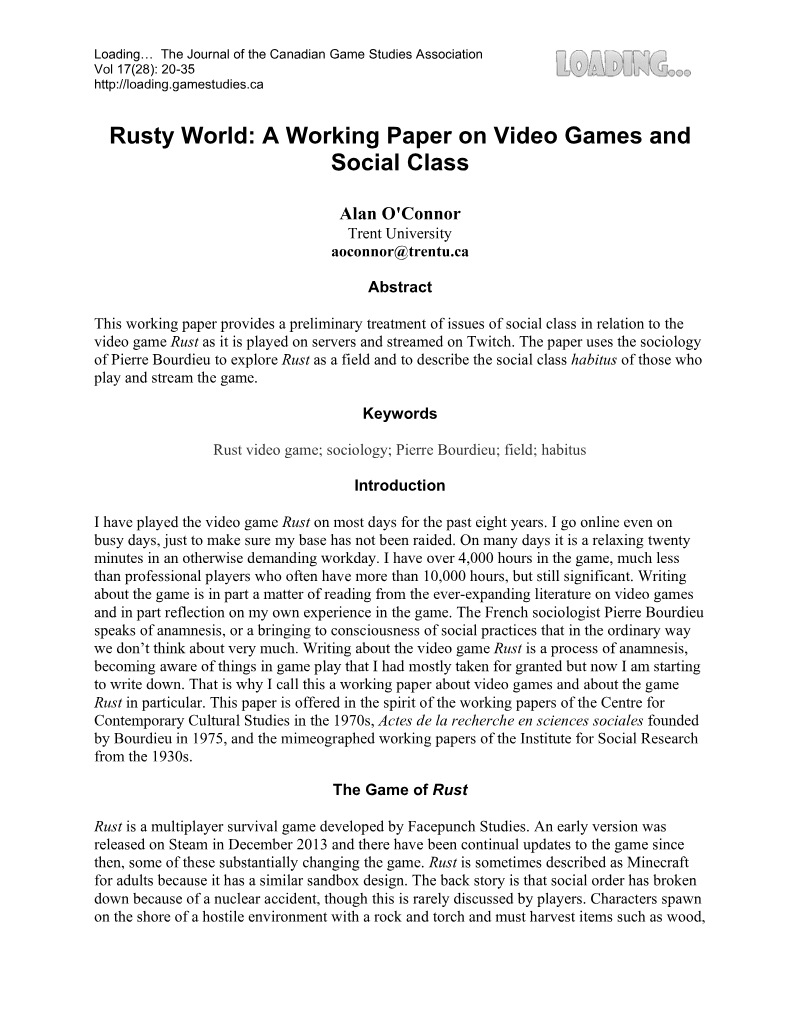
Loading... The Journal of the Canadian Game Studies Association · 2025
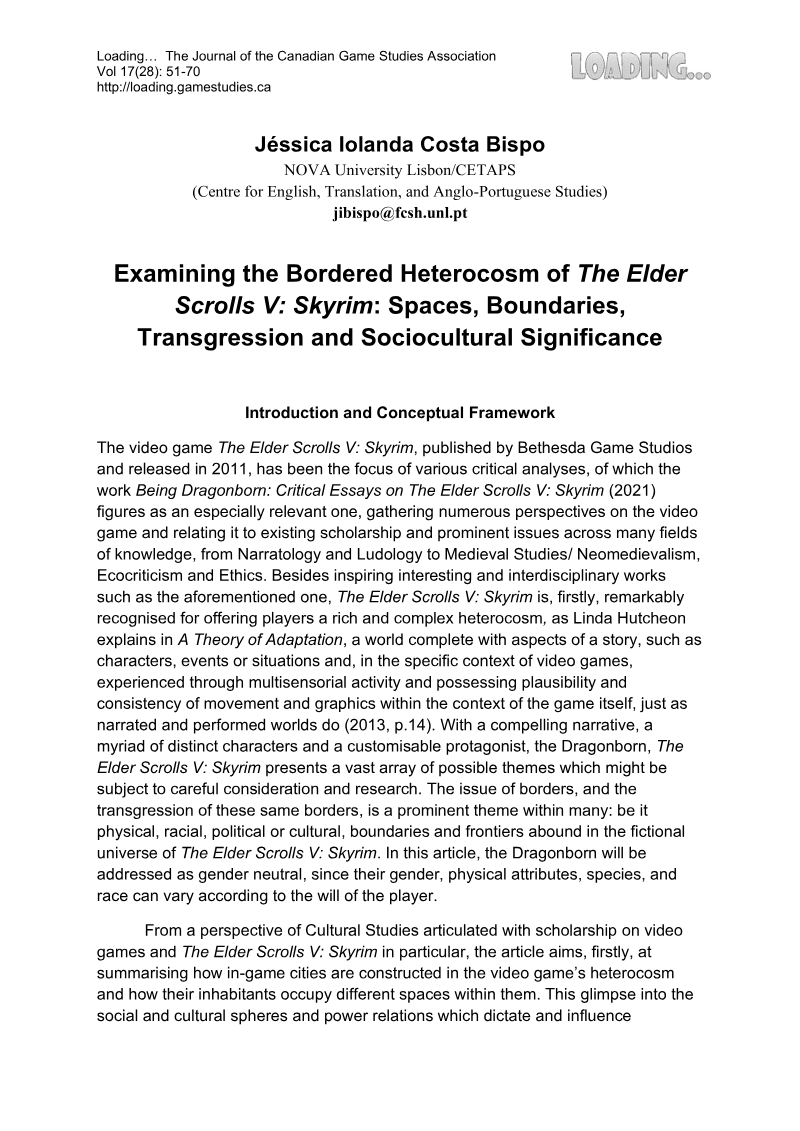
Loading... The Journal of the Canadian Game Studies Association · 2025
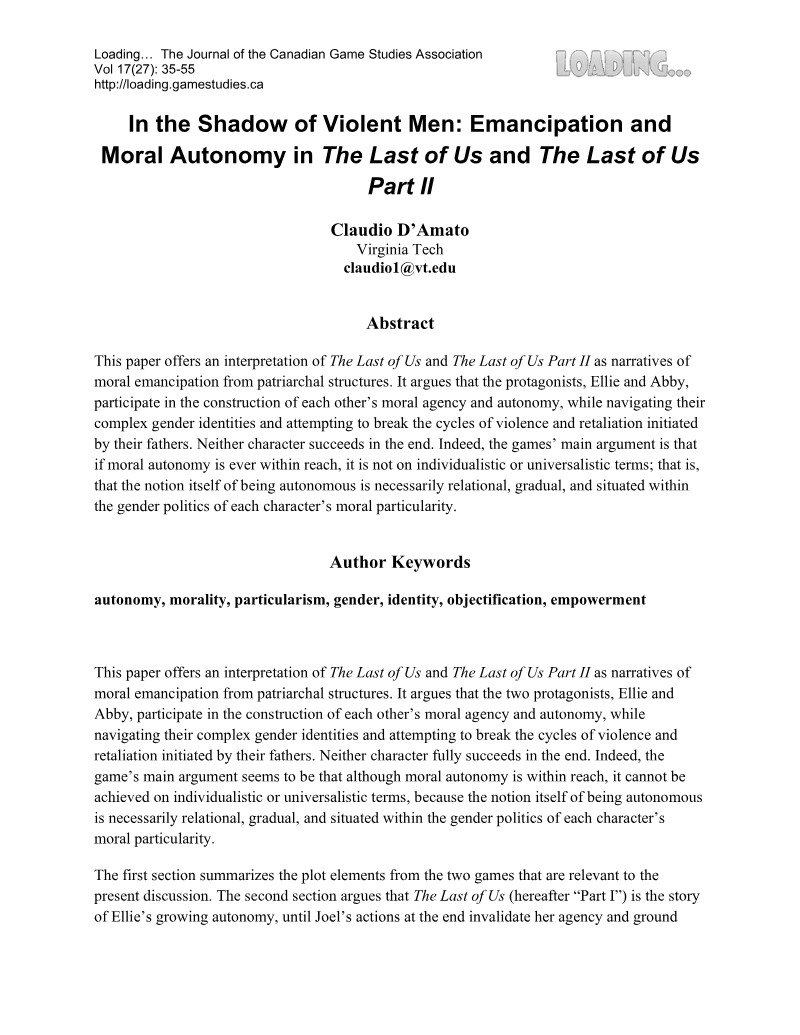
Loading... The Journal of the Canadian Game Studies Association · 2025
Loading... The Journal of the Canadian Game Studies Association · 2025

Loading... The Journal of the Canadian Game Studies Association · 2024
Loading... The Journal of the Canadian Game Studies Association · 2024
Loading... The Journal of the Canadian Game Studies Association · 2024
Loading... The Journal of the Canadian Game Studies Association · 2024
Loading... The Journal of the Canadian Game Studies Association · 2022


Loading... The Journal of the Canadian Game Studies Association · 2022
International Journal of Serious Games · 2018