ArticleGamecity Hamburg
Making Game Development Work: Two Examples From Our Incubator
1 pages~11 min full read
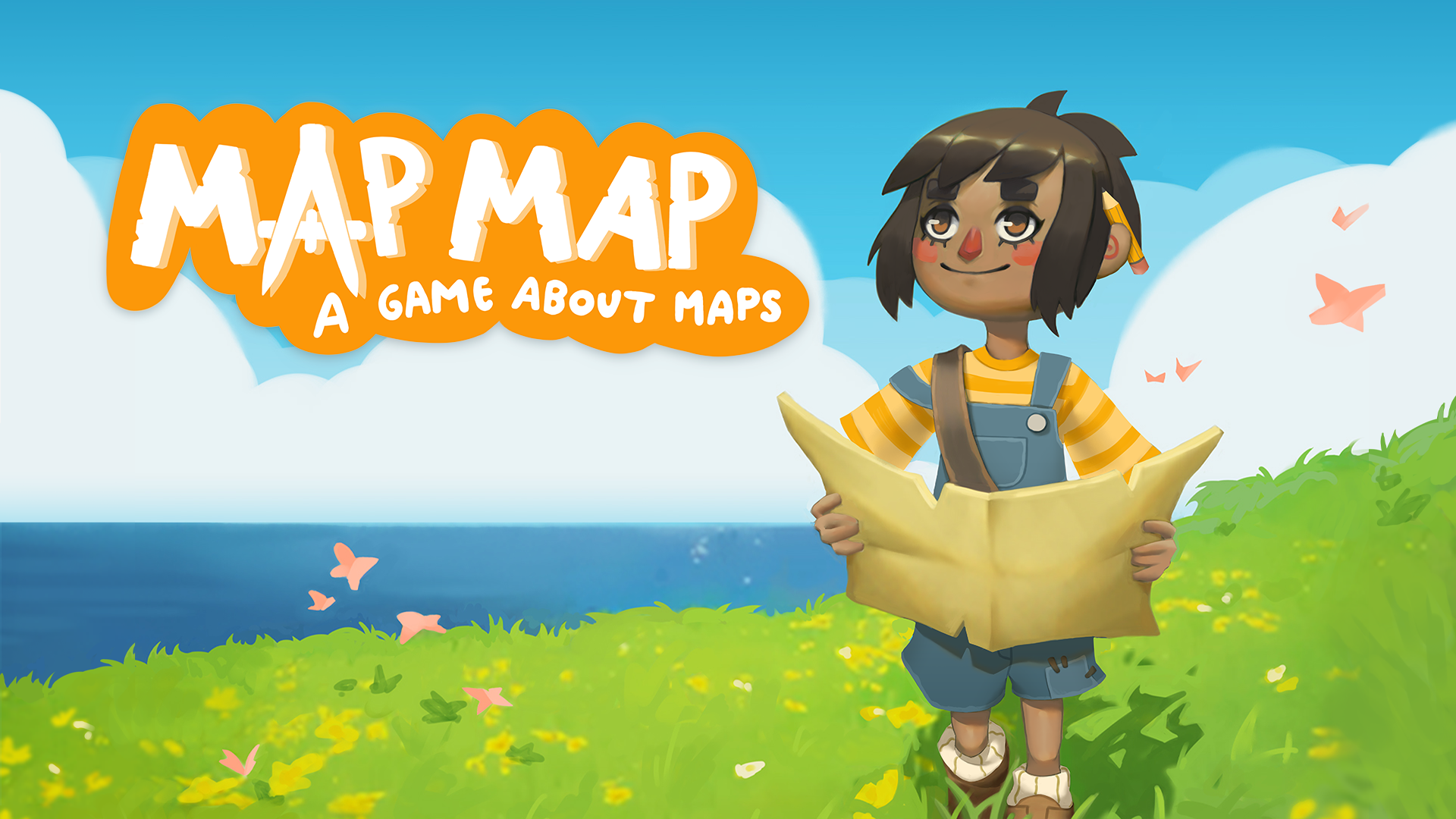
This analysis examines the operational challenges of game development through the experiences of two Hamburg-based projects participating in a local incubator program. The primary thesis posits that while no universal management methodology exists for game production, sustainable success relies on intentional team structures, disciplined workflows, and proactive burnout prevention. By contrasting a small, multi-person studio with a solo developer, the findings highlight diverse strategies for navigating the complexities of creative production.
Key operational findings emphasize the importance of strategic hiring, where alignment with a project’s vision is prioritized over traditional credentials. Effective team management involves flattening hierarchies to foster shared ownership, while simultaneously assigning clear responsibility for specific development areas to ensure coordination. To maintain momentum, developers are encouraged to implement rigid milestone tracking and compartmentalize creative tasks, effectively separating high-brainpower work from administrative or routine duties.
The scope of these observations is localized to the Hamburg game development scene as of early 2021, focusing on small-scale and independent production environments. The methodology relies on qualitative insights gathered from interviews with professional developers, specifically focusing on the practical application of project management tools and personal time-management techniques. Ultimately, the analysis concludes that sustainable development is achievable when studios prioritize the well-being of their contributors, specifically by treating creative output as a professional endeavor that requires clear boundaries between work and rest to avoid the industry-wide pitfalls of burnout and excessive overtime.
Gamecity Hamburg
Gamecity Hamburg
Gamecity Hamburg
Gamecity Hamburg
Gamecity Hamburg

Gamecity Hamburg
Gamecity Hamburg
Gamecity Hamburg
Gamecity Hamburg
Gamecity Hamburg
Gamecity Hamburg
Gamecity Hamburg
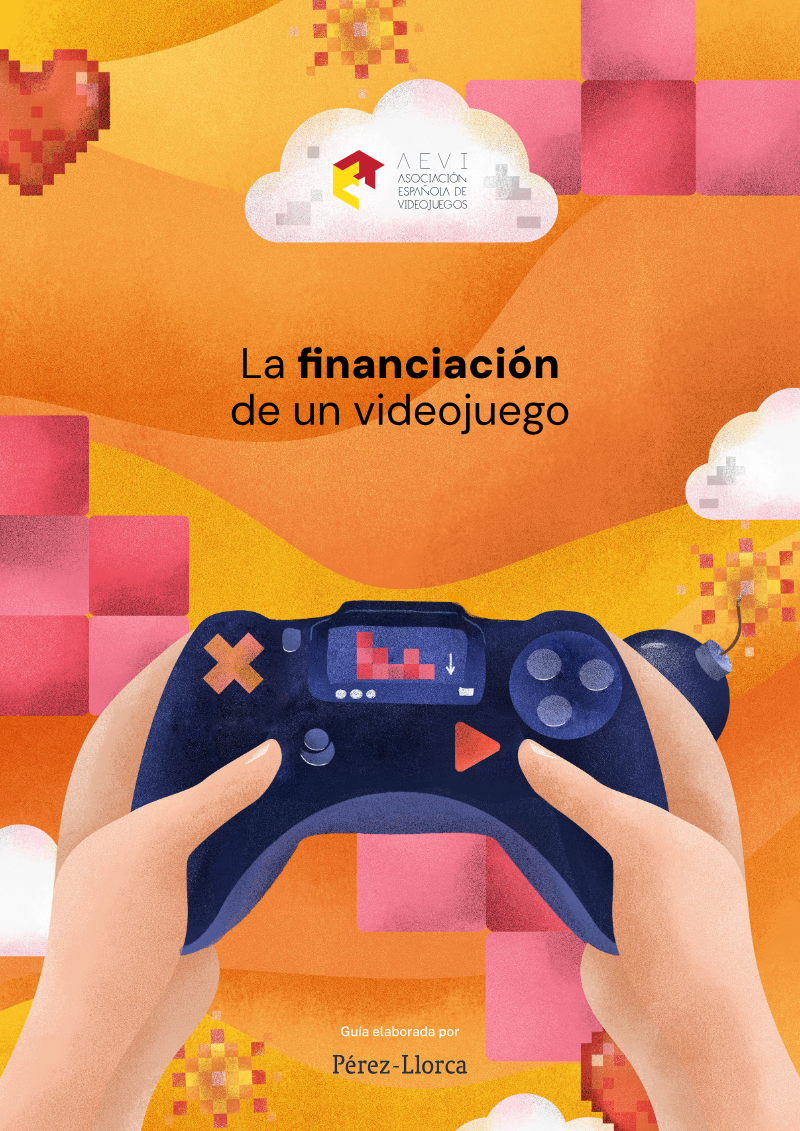
AEVI · 2025
PCF Group · 2024
PCF Group · 2023
CESA – Computer Entertainment Supplier's Association · 2023
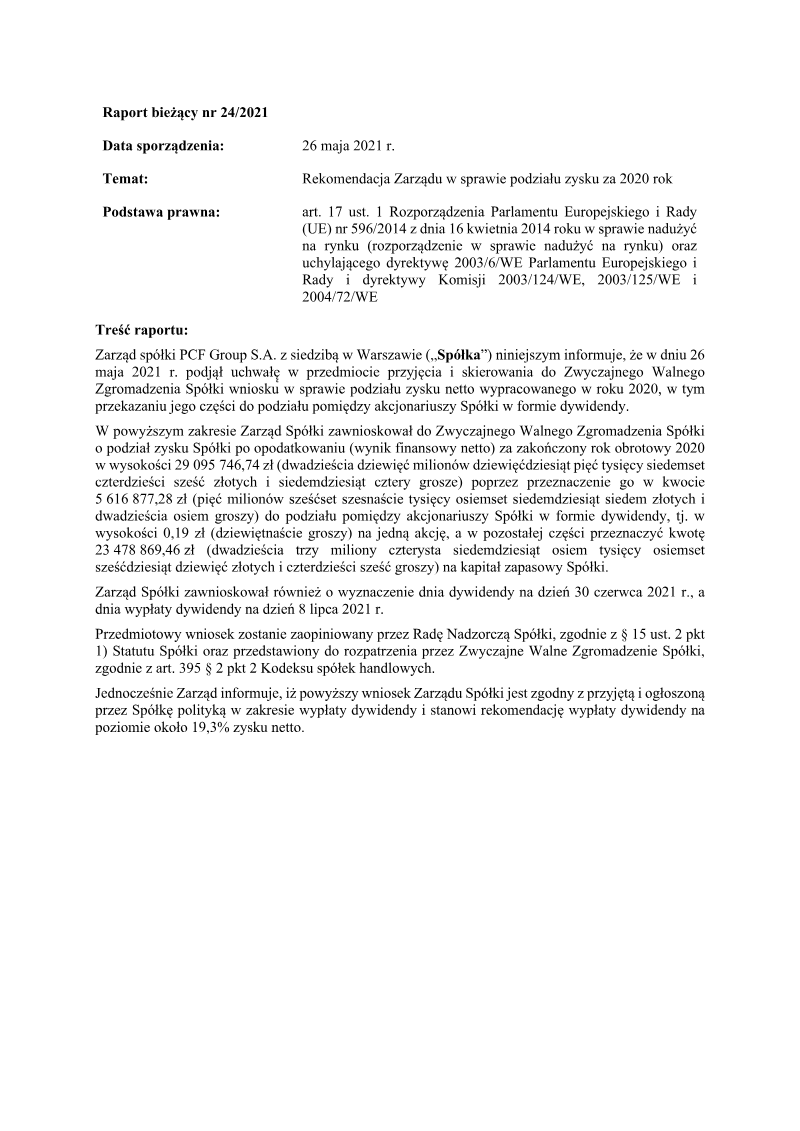
PCF Group · 2021
Ventspils High Technology Park · 2020
InvestGame
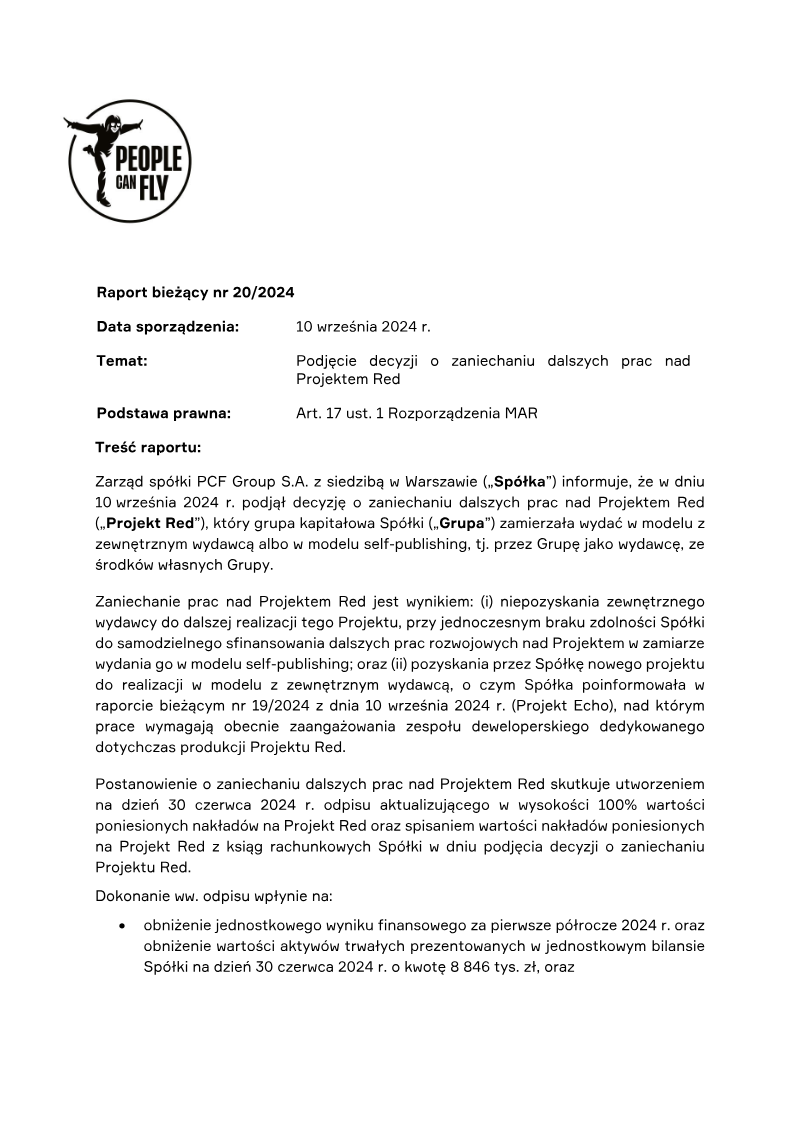
PCF Group
InvestGame
PCF Group

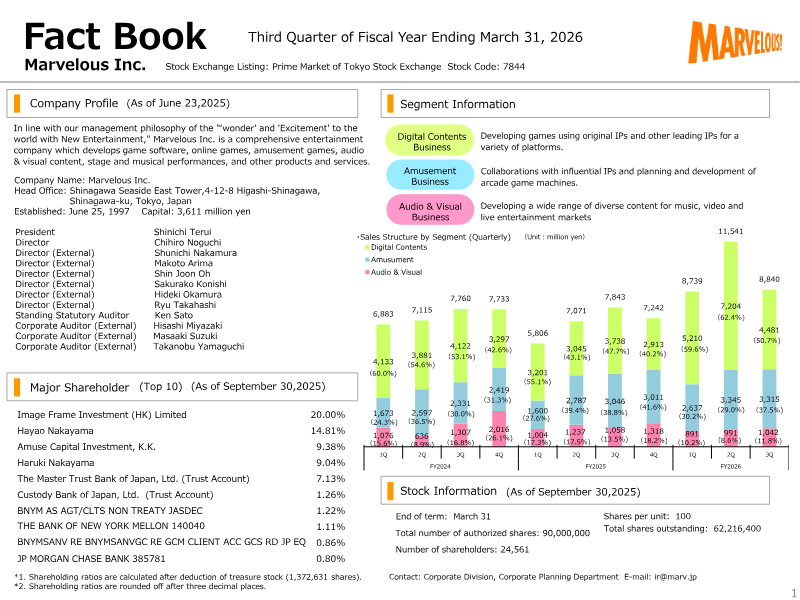
InvestGame · 2026
Marvelous · 2026