Loading the document
Key insights
6 slides
Foundational role
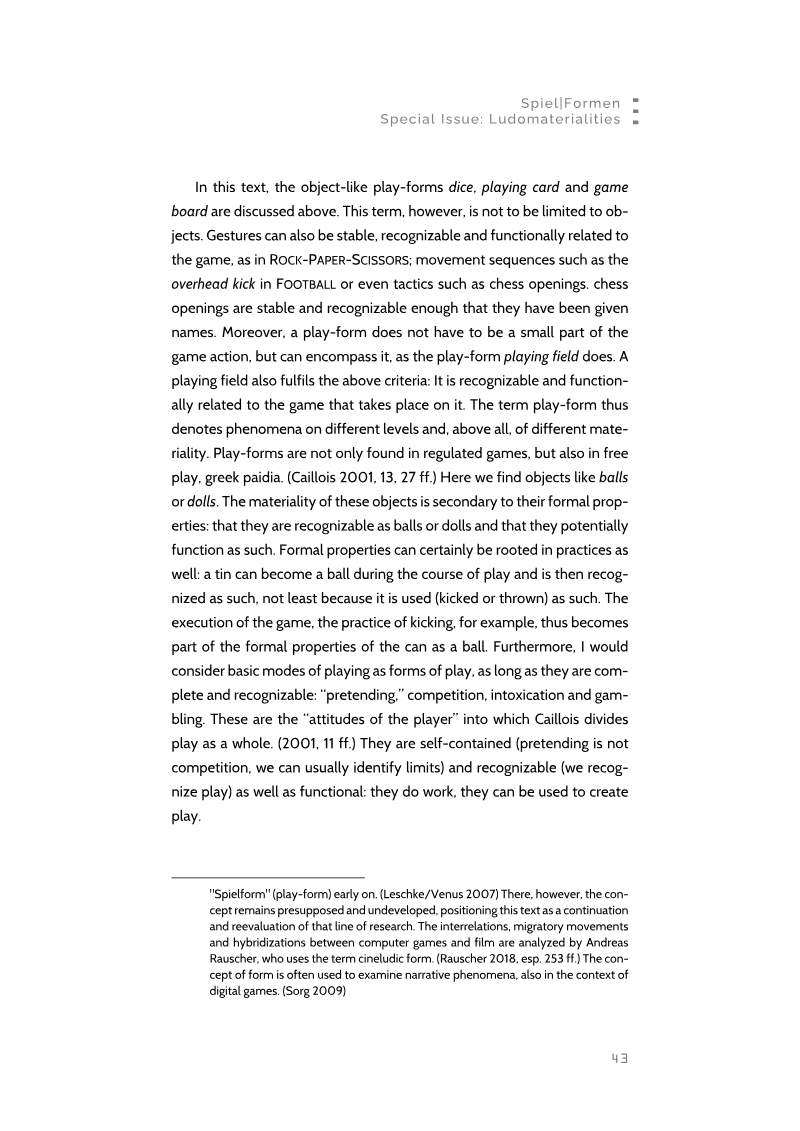
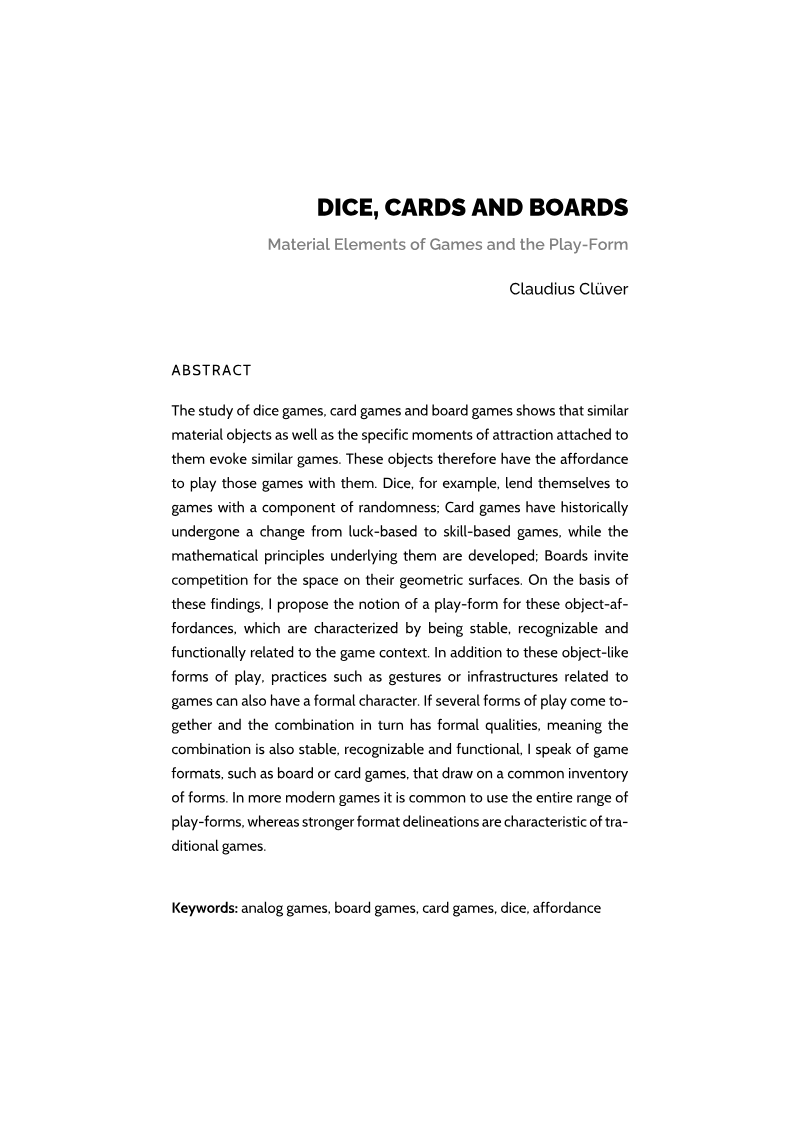
Card games were a primary catalyst for European industrialization.
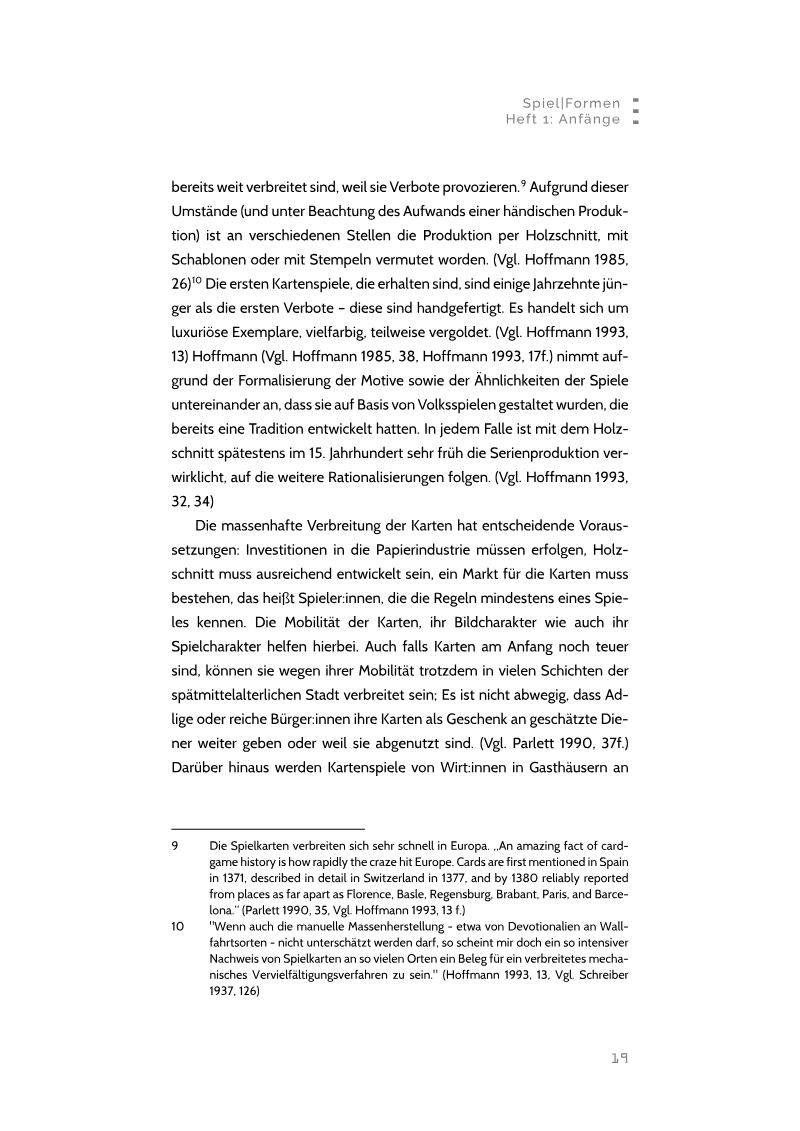
These games drove early advancements in mass production, paper manufacturing, and interregional trade networks between the 17th and 19th centuries.
1 / 6
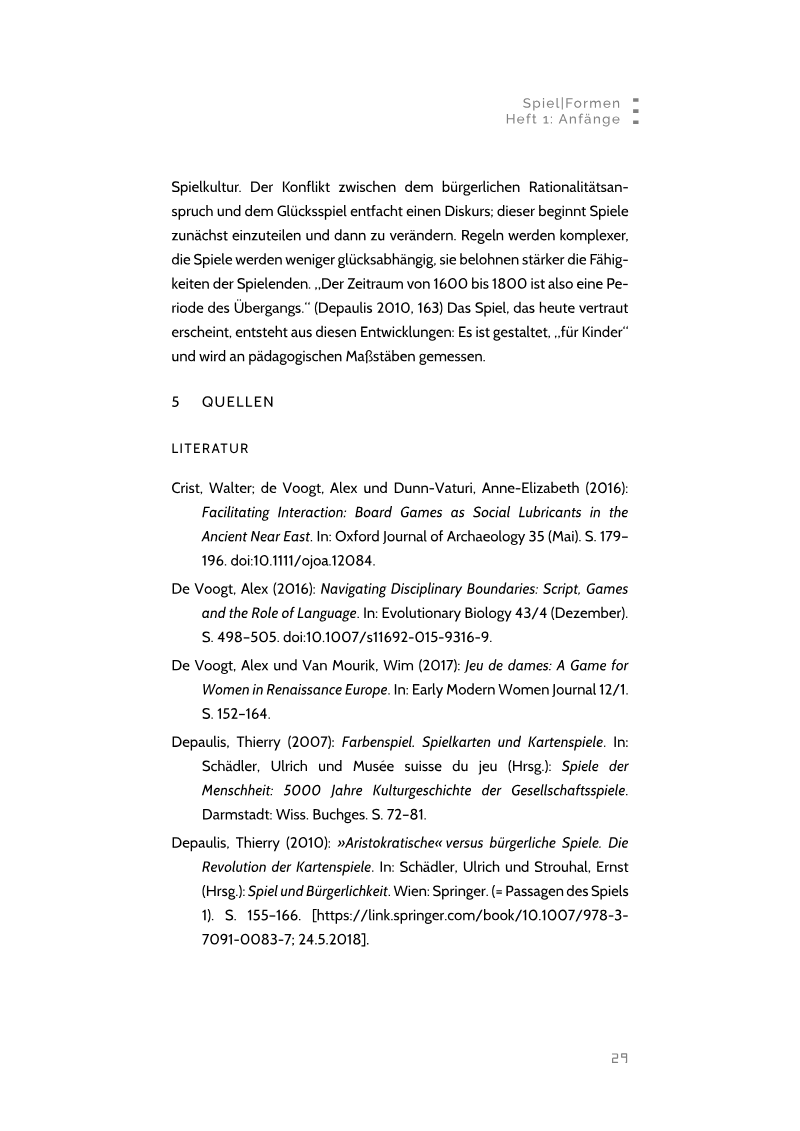
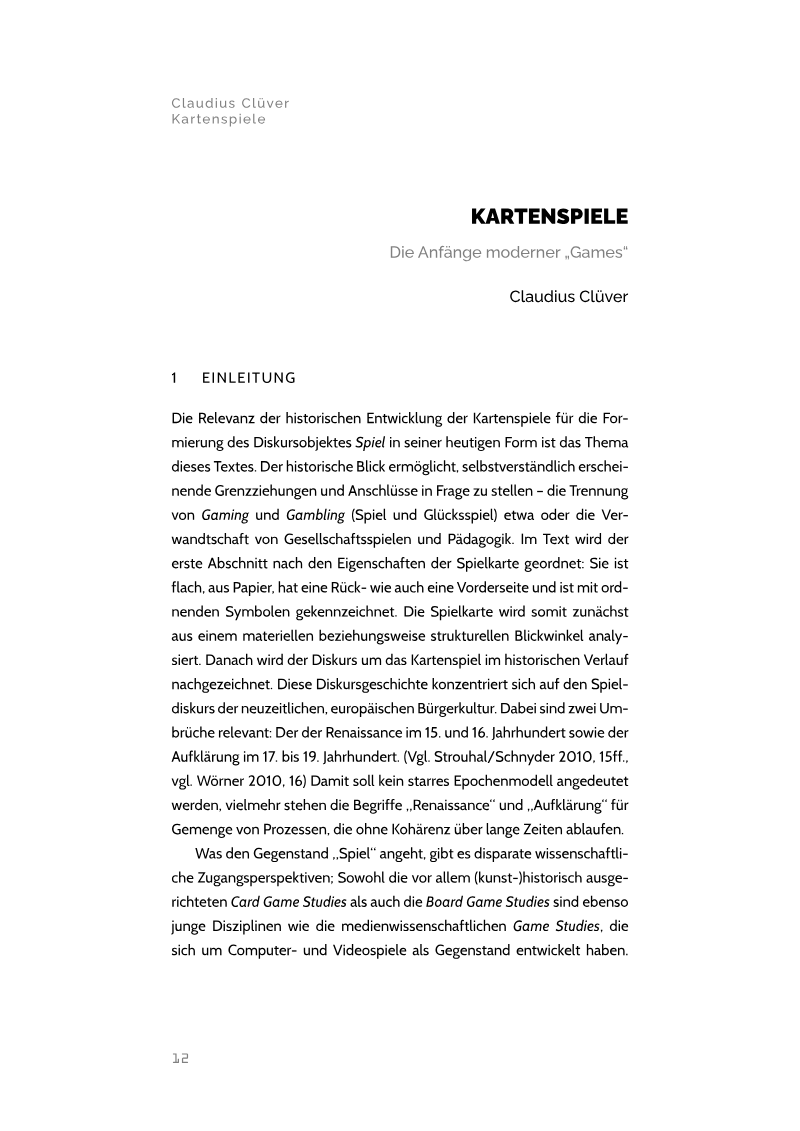
- 01Card games acted as a primary catalyst for European industrialization, driving early advancements in mass-production, paper manufacturing, and interregional trade networks between the 17th and 19th centuries.See it on page 8
- 02The transition from artisanal production to standardized, rule-based card manufacturing established the foundational logic for modern industrial systems and contemporary game design.See it on page 8
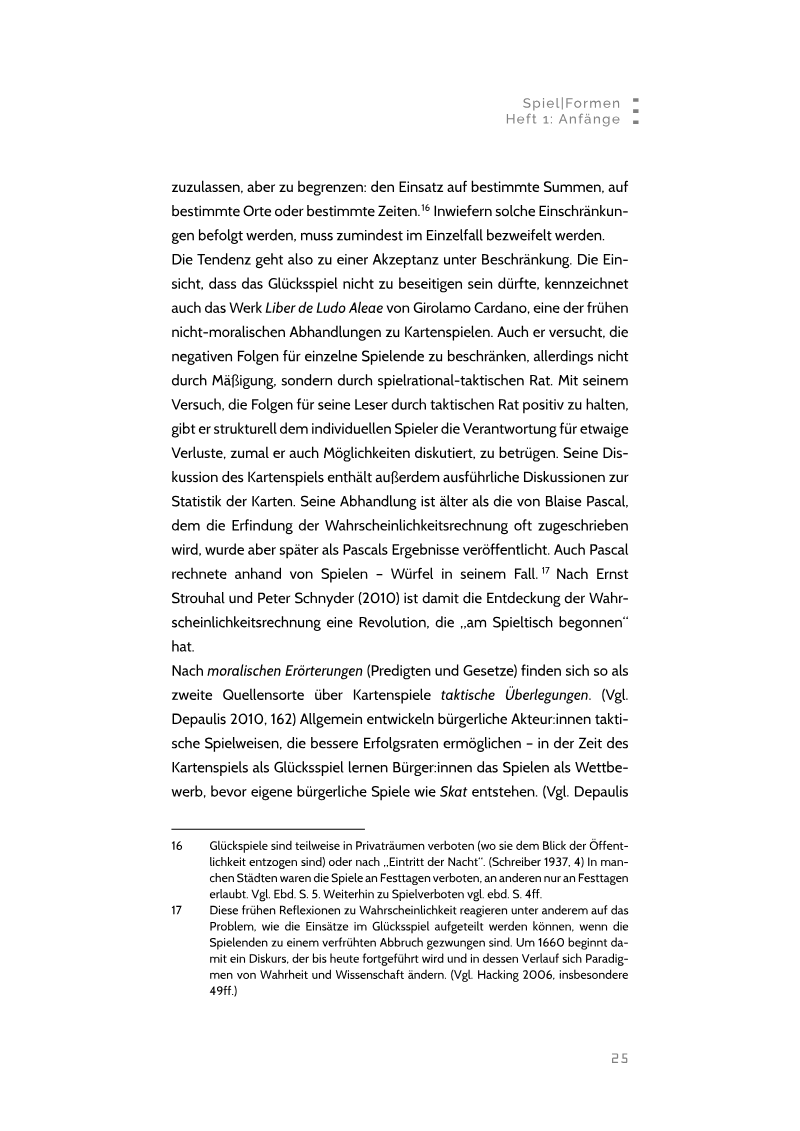
- 03The intellectual shift from games of pure chance to those requiring tactical complexity directly contributed to the early development of probability theory.See it on page 14
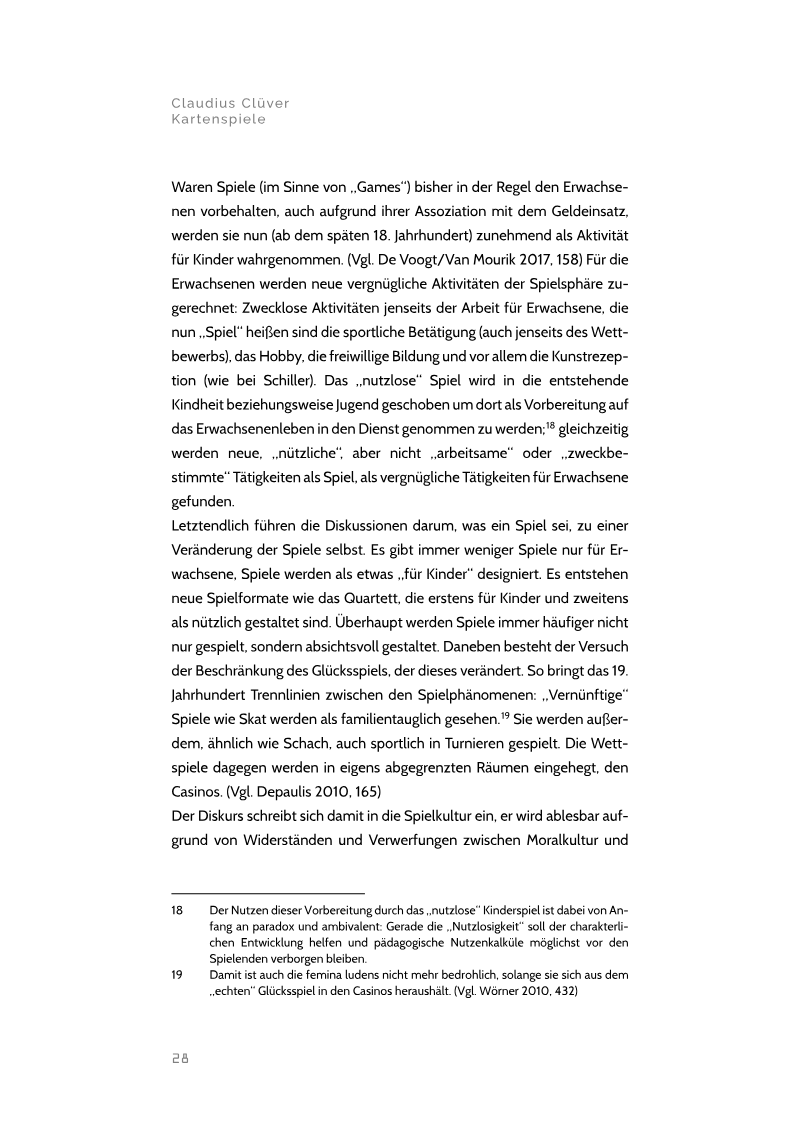
- 04During the Enlightenment, the cultural perception of card games evolved from a moralistic condemnation of gambling to a rational, pedagogical pursuit, formalizing play as a structured activity.See it on page 18
- 05By the 19th century, the European gaming landscape had bifurcated into two distinct sectors: regulated, skill-based family leisure and strictly controlled gambling environments.See it on page 17
- 06The historical evolution of card games demonstrates that modern game design is the result of centuries of refinement in balancing player agency, skill, and systemic logic.See it on page 1
Ask AI about this report
Summary
Card games served as a foundational catalyst for European modernity, acting as a primary driver for advancements in printing technology, paper manufacturing, and early capitalist production methods. By functioning as one of the first mass-produced media forms, these games introduced essential structures such as serial manufacturing and interregional trade networks. This historical evolution highlights how the transition from artisanal production to standardized, rule-based systems laid the groundwork for contemporary game design and the broader logic of modern industry.
The development of these games reflects a significant shift in societal values, moving from a moralistic condemnation of gambling toward an appreciation for mathematical and tactical complexity. As players moved away from pure chance, the intellectual engagement with risk fostered the early development of probability theory. This transition was further solidified during the Enlightenment, which redefined play as a rational, pedagogical pursuit rather than a moral vice. By the 19th century, this cultural shift had successfully bifurcated the landscape into regulated, skill-based leisure for families and strictly controlled gambling environments.
Spanning the 17th to the 19th centuries across Europe, this evolution illustrates the transformation of games into intentional, rule-based experiences. The emergence of educational card games during this period solidified the concept of play as a structured, purposeful activity. Ultimately, the history of card games provides a critical framework for modern game studies, demonstrating that the contemporary understanding of games as designed systems is the result of centuries of refinement in balancing player agency, skill, and systemic logic.