1 free read left. Create a free account for unlimited reading + AI research.
Create free account
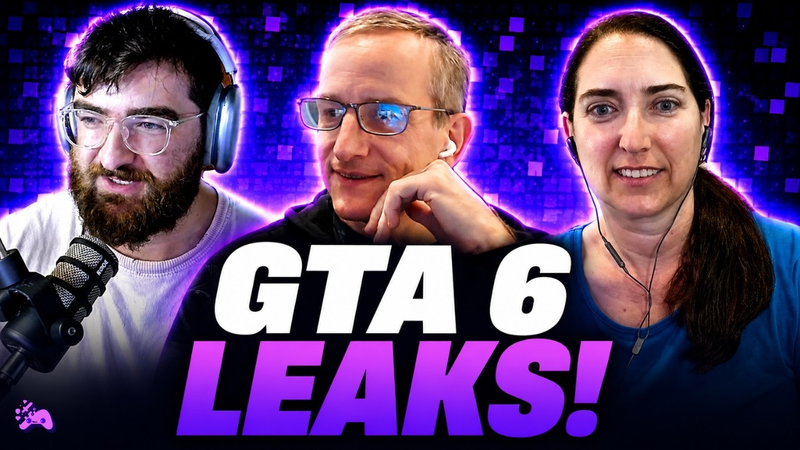
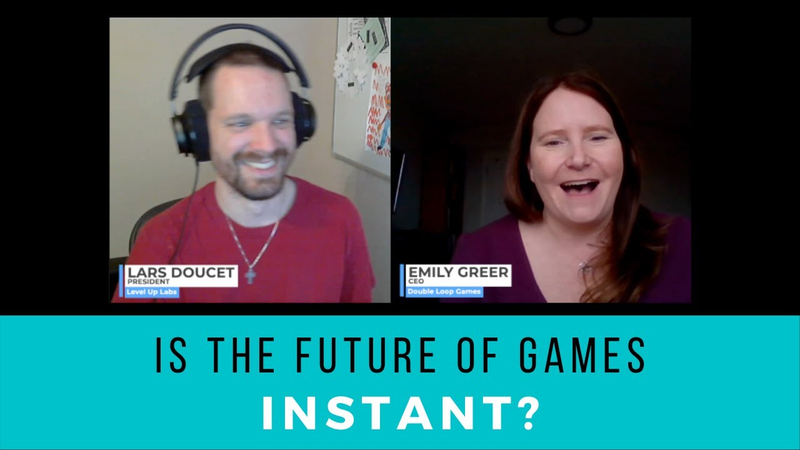
Is the future of games Instant? (Lars Doucet, Emily Greer)
Key insights
6 takeaways- 01Instant games serve as a strategic tool to bypass app store gatekeepers and reach non-traditional audiences by removing significant download barriers.
- 02Success in the instant gaming space is best achieved when games function as catalysts for community-driven content and moddability, as demonstrated by the growth of Friday Night Funkin'.
- 03Unlike the decentralized Flash era, modern developers face high levels of platform lock-in, which limits their leverage over their own work and audience relationships.
- 04The current distribution landscape is dominated by restrictive platform ecosystems that prioritize short-term rent-seeking over long-term developer sustainability.
- 05Long-term viability requires moving away from transient, ad-driven commodity models toward ecosystems that provide better engagement tools, such as notification systems and home-screen integration.
- 06Future industry health depends on the development of portable payment infrastructures that bypass current gatekeeping limitations to foster a more resilient, creator-centric environment.
Ask AI about this video
Transcript
over the past year a new thesis has been emerging around a great new opportunity area in games the recent funding of placo for a hundred million dollars at a valuation of over one billion dollars last september caused a lot of head scratching within the gaming industry and yet suddenly a number of venture capital investors have become very excited about the potential for instant games that get turbo powered on top of social media virality in a recent tweet by andreessen horowitz partner john ly he noted quote the next billion player game could be an instant game that spreads virally on all social networks built around multiplayer short sessions with drop in dropout gameplay deep livestream and video integration designed by with influencers he further notes quote among us reached 500 million at mao as a mobile plus desktop app that required players to manually match make how much bigger could among us have been
if folks could instantly play together by clicking a url in a message or video end quote in response to this tweet lars dusay founder and president of level up labs and author of the fortress of doors blog wrote about this topic in his blog post titled the future of games is an instant flash to the past in that post he references the history of browser-based games on platforms such as congregate and in fact references former ceo of congregate emily greer specifically so today we are going to talk about the history and future opportunity of instant games and we will do so speaking to none other than lars dusay and emily greer now she's currently ceo of new sf based gaming startup double loop games but as mentioned was the co-founder and former ceo of congregate this is the game makers podcast and here
is my conversation with lars and emily recently there's been sort of renewed interest in instant games uh placo for example raised a hundred million dollars at a one billion one billion dollar valuation last year to develop instant games to be delivered on various platforms like cloud streaming google play instant ios app clips facebook instant and snapchat minis and john ly a partner right in jason horowitz recently tweeted a bull case for instant games which i believe was the basis for your really great blog post lars so i was thinking maybe we could start there in terms of what do you guys believe is the current thesis behind instant games and why do we think or or maybe don't think instant games could become the future of games maybe sharing with you lars okay sure sure so um yeah quick little note for the
audience here i have tourette syndrome which means that i sometimes have uh unintended uh kind of verbal outbursts doesn't happen all the time but i have to do it every time i do public speaking so if i say anything too interesting about anyone's mother or make any weird grunting sounds that's just my strange brain disease but anyway to get to the question um yeah so i wrote this blog post after um uh andrews norwich john ly put out this big tweet case um first before we talk about our instant games the future we have to define what instant games even are right like like this other term the metaverse that keeps floating around but we'll stay on topic of instant games um but like people often like say this like hyped up term without defining what it really means you know and there's a lot of different ways people use instant games and so first i'd like to kind of talk about what the ways in which people use that term and the couple of ways in which people use that term is for one they use it just to mean browser games right yeah which today means html5 games you know ten years ago was flash games right
um even java applet games if you're old enough um and then um and one of the things that this has increasingly become an issue is that you know back in the day you used to just put a cartridge into your snes or your genesis and the game would boot right up like nowadays even on console gaming you start up your game and it's like would you like to wait you know an hour for this game to download right this new aaa game so instant means more than just um it's available anywhere on any device that's one usage of it but also like it's actually like available now you can just play now instead of having to like set aside an entire evening half of which will be spent waiting for a download um the other sense in which instant is used is for cloud streaming right and i'm a little dubious on how instant this really counts but i'm i'm willing to allow people to talk the way they want to talk right so people talk about things like google stadia and microsoft xcloud and all of that as quote unquote instant games and what that means is that um you know
instead of having to wait to download these games you can just like stream them from any device and they're ready already um i kind of ding them for being not quite instant because they're behind a registration and login wall necessarily because there has to be an xbox or a gaming pc for every gaming session and i think personally that along a slightly long download bar on a web game is less of a barrier than a forced login wall um but you know people will sometimes use cloud games as part of instant and that's fine as long as we grasp that distinction and then there's things like messenger games like games that exist inside of other apps that you've already got like yeah there was a download barrier to get that original app but at some point when everyone in the universe has that app installed like you can make games load within that app really really really quickly with no additional marginal cost of time right a very good example of this is hype hype which is trying to be tick-tock for games um and so you have a download barrier of getting installing high pipe at all but once you've done that like you just got this infinite scrolling feed of instant games um and
this is not necessarily like none of these necessarily super new trends right especially everything that's not cloud streaming has been around for quite some time messenger games go back to at least 2016 you know they started in china with like wechat apps and um everyone's kind of all the messenger apps have like kind of doing this quietly for a while um and then instant games in general in terms of just web available games that you just here's a link click on the link you're playing the game those have been those are older than dirt right um so let me rein in what the original question was right is like what's the current thesis behind instant games right and so i think that i'm gonna hand it back over to you and emily here is once we've defined what instant games can mean the general appeal of the convergence of those three different very cat different categories of things which is cloud streaming web accessible games and messenger games and basically just games that are just easily accessible on almost any device without too much upfront barrier in terms of loading or waiting or just bs the kind of appeal is that you can one
potentially do end runs around app stores which is very interesting to people for a lot of reasons and other entrenched platforms and two you can meet people where they are in devices where they are today rather than having to only market towards the kind of person who's already decided that they're going to take the actions and spend the money to to have like a gamer-centric lifestyle right you know it's like if someone is buying an xbox they've kind of defined themselves as a certain kind of person the kind of person who's going to go buy an xbox whereas you know um the stereotype is usually like you know your mother-in-law right you know not to gender things too much but on the other hand you know maybe a little because like the the standard gamer profile is like uh you know 20 to 40 year old male guy with a console right you know and so there's a bigger world out there people who play games like everyone talks about the game industry but they should talk about the games industries because there's so many different ones emily to talk your ear off about this and so many of them get neglected in
terms when we talk about games we usually just mean the shorthand of what games what what what triple a console and pc centric games has been you know and i think we we exclude all these other things i think instant games has the potential to open our horizons do and runs around app stores and just like be really convenient and nice and accessible and that's kind of cool and so i'll head it back over now and emily would you agree with that definition and in terms of the thesis be beyond like the ability to play instantly in the direct economic model are do you think there's anything else behind why venture capitalists like john lyer so excited about instant games and how placo could get a billion dollar valuation to raise so much money uh i'm never going to comment on anybody else's valuation especially when i haven't like seen their pitch deck or that um i would describe myself as simultaneously bullish and skeptical about instant games because i see them very much as a part of this continuum of games that have existed
since the beginning of people playing games on computers at all really going back to the 80s and like you know the first uh you know solitaire on windows pcs you know taking over accounting departments the world over um i think that there's i think within instant games there are a lot of different markets um i agree with lars that i think that that the streaming type of games is like a is a very different conversation in my perspective um because there's both you know a login barrier there is likely some kind of cost or cost barrier that's going to appear at some point and it's generally been focused on different kinds of games so i'm going to mostly put that to the side um i see like instant and browser games as part of like the tradition that started with you know java and flash games and people emailing you know links to
you know whatever the elf gate christmas game was in the 90s and that this sort of like very viral instantly intuitive instant a game that you can instantly get into um i think the the other thing about browser and instant games is often we talk about running end runs around platforms but they're also running end runs around um bringing games to people who for some reason are blocked from the more traditional methods so flash game um site traffic especially over time drifted more and more international to places where um console penetration was lower mobile phone like smartphone penetration was lower um and in particular shooter games for example did really really really well on browser in places like you know turkey and the
philippines and other places where you know people are mostly playing in the in western markets people are mostly playing shooter games on consoles flash was where you could get that type of content without having that particular hardware another big um source of traffic for flash games historically was uh kids in schools right um they didn't they wanted to play games they didn't have access to um other ways to play it usually had a browser available because you know that's that's much harder for for parents in schools to police and people and kids would play a lot of flash games um during school time and we could see very substantial impacts of you know school and not school on congregate traffic back in the day um concrete also probably had an advantage over other ones because we other uh browser game sites because we didn't have games in our title
so i think a lot of school administrators took a lot lot longer to figure out that congregate was a game site versus addicting games or armor games or crazy monkey games or all of those other things they were just automatically blocking us blocking other people and we kind of like looked more legitimate so um i think thinking about a lot of the and what's happened you know we had had sort of watched the very like slow decline of flash and browser games and there was it was a combo thing where the games went away because the traffic was going away in in in cycles and what was happening is a lot of that traffic was going to mobile and there was kind of a gap of like instant type of like immediate play puzzle game type games that had been really popular for a while um on mobile um and then hyper casual came roaring back uh came roaring in sort of in the last three four years and i think that was filling a lot of that sort of like
genre quickly get in um type of play um that had you know the flash games had fulfilled and i think when we think about the audience perspective they're not going to distinguish a lot between you know a hyper casual game that they find on their phone or something that's coming around the browser uh um so uh i think if you look let's see um it's gonna be very simple the way i would normally describe it is like a classic flash game um which isn't very helpful but um you know it's very simple fairly simple intuitive puzzle games often pretty hard where you're like you know flipping the bottle cup or some other like very simple action um not a lot of meta game not a lot of persistence just something you can immediately jump in i don't know uh john or lars if you would if you have a
sort of a better definition that you would give yeah i would agree with that like simple to play generally monetized off of off of ads rather than iap and you know very very easy to get into and generally develop very quickly and orienting around either simple gameplay or around themes or means yeah okay and so so to so to me that that's part of the audience need and part of the kind of the continuum with the type of games that you know you might play in um in a in a browser so there's both the i like simple games and i just want to get in quickly and play a few quick sessions type of game play that's sort of audience driven and then there's the i can't get to other types of games so i'm going to play instant games and those aren't exactly the same thing there's a genre thing happening and also a access to game thing happening that's
part of this conversation and i think it sort of wraps reps into each other um and is part of to me is some sort of confusion um when i say that i'm bullish and skeptical at the same time what i mean is that i'm bullish that any that instant games that small games that people can get into quickly with little barrier are important part of the game's uh market and that a large number of people especially around the world um can and will play them and will always play them the thing that i'm skeptical about um is that when something's easy to get into it's also kind of ephemeral and what matters is not how many people play a game but like it's the area under the curve how many sessions how long do they play what depth do they play and revenue tends to be associated with gains that become long-term hobbies um and that people play and have it like
sort of a longer-term relationship with and so if you think about it in terms of audience 100 yes this is a big part of games if you think about it in terms of revenue i think it can be meaningful but i don't think it's going to you know not fortnight revenue off um anytime soon right that's interesting yeah and if we're to think of emily to your point maybe hyper casual games is something of a data point that is potentially a precursor to suggesting that instant games could be successful and i know lars in your blog post one of the games that you mentioned is fnf friday night funkin could you talk a little bit more about what that game is and why that could potentially indicate you know a positive data point for instant games so friday night funken is this really interesting phenomenon and it's worth just looking into as a case study because everyone wants to draw all kinds of fun conclusions from it that support their own personal narrative um and so i will i'll do exactly that but also tell you why maybe you should be skeptical of my narrative
so basically friday night funkin is so let's start with what it is it is an instant game it is basically dance dance revolution which for all the people under the age of 30 what that is is a kind of rhythm game where when we played it on our ps2s you had a dance mat and you go up up down down left right to the beat of some music this is a game you just play on your computer with a keyboard right and i think there's a mobile version too where you just tap arrows there's this little rapper boy and he wants to impress his girlfriend but her dad is like a mean evil demon so they have to have rap battles and then you just go like up down left right you know that's it that's the whole game and it's got really like it has like a really stylish like cartoony graphics that's very very flash era kind of graphics although it's an html5 game um and i like to tell a little story about friday night funkin to just like really just hammer home the generational bubble that a lot of people i mean i guess all our ages are in
i'm not gonna ask anyone's age but i think we're all part of the same kind of general generation um is that i was sitting two feet away from ground zero of this game um i have some really surprising personal connections this i wasn't even aware of and like basically my 15 year old nephew knew about this game way earlier than i did despite the fact that the guy who made the game is actually a personal acquaintance of mine and has been for quite some time and he was like pinging me in discord while he was making the game asking me for like technical help for how to make the game because he was using an open source game engine hax flixel that i'm you know i wouldn't say a major contributor to but a significant contributor to and he was publishing it on newgrounds a site where i kind of got my start with my career which it's one of the old flash portals it still exists it's moved beyond flash and so he was part of that community and a lot of people in the new grounds community have been talking about it for months so there's all these like personal connections like ways that's like coming across my feet
i'm just not paying attention to it like it's not registering to me that this thing is blowing up and then i go and i check the stats so i started hearing people talking about it and this thing has like over four billion views on its tick tock hashtag right like that's over twice that's as of a couple months ago it's probably more now and like undertale by comparison has merely two billion views on its take talk hashtag like and it's has made um as of like many many months ago it had made like i don't know how much money off of all kinds of things um but one of its one of the main ways it was making money was on spotify which just blew my mind like how is it's a free game by the way and it's open source right two things that you know don't seem like they are paths to making money um and this thing was monetizing on spotify of all places and i asked him about it and i looked at the charts and like musical tracks from this game were hitting the top 10 charts on various spotify charts and it was and it's a complete phenomenon among the
zoomer crowd among kids on tick tock and it was outside of my world completely even though i had all these personal connections to it even though it's made using my niche open source game engine i contribute to i mean i didn't create it but i contribute to it that i'm constantly like trying to like advocate for and looking for a killer app right and here it's happening right next to me by a guy i know who's asking me for technical help for months while he's building it you know because people do that all the time just like yeah i do this and i was just like wait wait you built this giant skyscraper right next door and i didn't notice it because i'm 37 and old you know where's my 15 year old nephew he's like yeah friday night funky so cool everyone plays it and um so that's what it is that's how big it is and then they had a kickstarter recently to like make in their words the whole damn game you know to make a fancy version and presumably you know put in all the fancy places um and they made several million dollars i think like overnight you know uh just on their kickstarter blew up so i mean that's not fortnite money but for
a free open source game that all the kids are playing with billions of views on tech talks that's pretty some something is happening i don't think anyone can exactly replicate that success nor should they see that as any kind of formula but it teaches us that certain things are possible at all it seemed completely impossible before um it's probably monetarily on track to become one of the most successful free and open source games of all time and then i have reason to believe that a lot of its weird features like the fact that it's a browser game the fact that it's open source the fact that it's got its start on new grounds of all places like it's available in two places by the way newgroundsnitch.io not two places that in 2020 you associate with just like making tons and tons of money right and um i have reason to believe that some of its weird features like that like it's not successful despite those things in some ways it's successful because of them even though i don't think you can reduce it to a formula like i don't think
i think they caught lightning in a bottle i think they benefited from the death of flash and suddenly an entire generation of zoomers who hadn't really played flash games like my generation did like it had all that attention to itself because a lot of people had kind of abandoned that space um and then i think it had a lot to do with the fact that the new grounds community sustained this little culture of collaboration through the dark years of the decline of flash and that that's how cameron will he's the guy who create one of the creators that's the way he will tell the story um and i don't fully know why it's blowing up but it did and then that got a lot if you could look into the pitch decks for instant games fnf is often cited right and um anyway i'll let that that's kind of what it is and how it got bigger let you guys have opinions if you have any uh and just for the audience what kind of things are being shared on on tick tock like what what's because that seems like in a lot of ways the the engine of its of its promotion and why is it like why do people want to share it so much is there something about browser that
makes it easier to share right it's interesting okay yeah so that's really interesting and so the things that get shared on tick tock are really interesting so you have like cosplay right like people will dress up as like the girlfriend character or the girlfriend's mom who are both characters in the story or whatever or like the dad or or um they'll dress up as the characters and stuff and then they'll like dub themselves like music from the game so there's the musical aspect but there's also the game because it's open source it's very very moddable like people want to put their own characters in the game so they do they make their own art they do total conversions of it they put in their own music and then they share that on tick tock on the hashtag right you know and so it's become its own little subculture much like we saw with undertale how it became this like big fan culture and um cameron has very much leaned all the way into that he's kind of ideological and intellectual property and stuff like that like he very much wants it to be open and that openness has allowed people to create content and share it when cameron is not putting out an update right you know
so i think that's a big part of what has sustained the kind of tick-tock culture around this um and um yeah so people show themselves playing the games but also just show themselves like just me just like building on the weird cultural vibes and collaboration that this kind of thing is created they'll put their oc's in the game and like make little um rap battles against oc means original character right in artist lingo stuff like that is weird right and the question that i that i have about that is you know is there something about instant games or is this something about community-driven moddable games which maybe instant and you know browser games are particularly like lend themselves to so like if you think about like the line rider community back in the day and other like uh there's a game that i think is still popular on congregate called uh uh mutilate a doll um that also has like a lot of community contribution and like level making and
other things and those games have like tremendous life um once they get going and is that something about instant games or is that something about that type of game um i think you're on the money there emily because we have to ask the question right like like friday night funking being instant might have been necessary for a success but it certainly wasn't sufficient right instant games aren't new html5 games are not new like html5 games are not new on new grounds right like there were a bunch of cool html5 games posted on new grounds before friday night funk and after it that haven't blown up to the same extent so why why this one why did this one blow up and i think it has a little bit to do with timing and a lot to do with culture and stuff like part of them seizing that lightning in a bottle i think is that they gave people ways to engage with it i think it being instant was necessary but not sufficient by that i mean it allowed a dinky little unassuming game like that to get in front of enough of a seed
audience for it then to catch and grow right so i think i think instant won't build your business for you but it might help you catch that initial seat audience that you need by lowering the barriers to entry and allowing it to spread among this zoomer crowd who largely doesn't have money or patience for pay walls or logins right and emily to your point are you kind of suggesting that with the in terms of like the current environment and what's new in today relative to the past is because we have some of these social platforms like tech talk or whatever that if you have a a modding community or you know some ability for the players to create user-generated content that that will help enable it to become more viral is that the the kind of point that you're making um that is uh that is a point that i'm making but i'm not sure it's entirely new i do think that tick tock is like a uh sort of almost like a weaponized version
of a virality in terms of like how much things can blow up and how global global things can be but you know so much of uh flash traffic was flash game traffic was driven by you know dig and reddit and youtube videos and other types of um virality off of platform um you know games would get a start on on flash portals and then sort of spread out from there and the games that had the most life these long lives tended to be ones where there was this level of like community engagement so i think it's it's um i don't think it's new but i do think it is it is enhanced um and i think lars point on the browser side of their you know that it's a it's a less populated space now right like it's less competitive right um means that when something takes off it can take off in an even bigger way because there is
there is less competition there but there is still um you know a lot of people playing uh um you know using laptops and computers and i think you know if we think about the pandemic potentially positively affecting it um i you know i spend more time in front of my computer um i think that's been true for a lot of people and that could be a sort of a pop like some sort of wind in the sails of something like friday night punkin that um you know that the kids are kids are the kids are at home and on their on their laptops a lot right and lars one of the things that i thought was really interesting about your blog post as well as when you talked about the history of instant games in terms of flash html5 based games and and i was wondering if you could speak to some of that history as well as maybe what are some of the lessons from the past that might inform this current trend or the future of
instant games right and so emily's gonna have a lot to weigh in on here because basically she was on one end of the business she was building a platform that people like i mean i owe my career in large respect to emily greer and tom folep right tom pope is the founder of new grounds right my first game defender's quest was originally a i mean my first commercial game was a flash game and i uploaded it basic to a bunch of flash portals but 90 of my initial traffic came from congregate and newgrounds right and um and i was able to relay that into career now how i did is interesting because something a lot of people don't necessarily realize or grasp is exactly how flash games are making any money and emily will be able to correct me and elaborate in a lot of ways but um the reason you saw a lot of high quality flash games is there was investment in them like we were we were all little crazy little entrepreneurs you know we started off as kids just uploading garbage to the internet because it was cool um but then there was this there was
this ad driven ecosystem for a while and what would happen is once upon a time someone uploaded a flashlight to a flash portal and then a bunch of other flash portals realized they could just take that swf file and put it on their own site and it there was evening and there was morning and it was viral distribution right you know and then we realized that this was not a bad thing we leaned completely into it as a community we're like we want you to steal my swift file and put it up everywhere so you upload your swift file to like two places concrete new grounds and then you wake up the next morning and it's on like 10 000 tiny little flash portals addicting like all of them right and then um we realized that there was a business model here you know ads were had pretty high cpms then so flash portals like if i can get build up an audience then i can you know show ads i can make some money so i need to build up an audience how can i build up an audience oh i know i can give money to developers to put my logo on their game you call these sponsorships right and so um developers would like me
i was like okay i made this game you know super energy apocalypse um i will see if someone wants to put their logo on my game and that logo will link back to the flash portal site right and so when i upload it to say say congregate is my sponsor and they pay me a couple thousand dollars to put their logo on their site on my game i put it on congregate everyone steals it now everyone on all the other flash portals has free content but that game is now driving traffic to congregate so congregate is basically investing in me and purchasing my audience my distributed audience right and then congregate also had some revenue share directly like they were one of the more generous portals where they would directly share their a portion of their advertising revenue with their own developers a lot of other flash portals didn't do that and then um things really got kicked in the new ones actually yeah some of them were pretty sketchy um but you could do plenty of things you could also like some of the other flash portals would be like okay we can get secondary deals too they're like okay you got your big sponsorship from congregate but i'll give you a couple hundred bucks if you create a version just for my site
that like checks to see if it's running on my site and if it does it'll show my logo so that i don't bleed um users to another portal and so you'd make a bunch of those secondary deals right and then um and then on top of that things really got kicked into high gear and emily can talk at least about this is when a whole exchange got set up called flash game license and what they would do is that basically you would put your game up for auction before it launched and then all the portals would bid on it based off of you know it was kind of like an nba draft almost where they were like okay oh this looks like the hot new game and you know there are some downsides to that model because you would get paid up front and not based off of any performance metrics so you could get either matt so portals could massively overpay and you as a creator could get passively underpaid if your game didn't look sexy but over time flash portals were quick enough flash games are quick enough to create and the expectations were low enough because no one was having to pay to purchase the experience that you you started to get offers based mostly on your reputation
as a developer if you could put out enough of them and so it and after flash game license you know um the rates went up significantly for us as creators and so that was happening behind the scenes a lot of people consuming these five games didn't really notice that but that really created what i call a minor league of game development where it's like you could make a mediocre game and get a mediocre amount of money like whereas now if you're making games on steam or on consoles it's like it's much more binary like your game needs to be worth at least ten dollars before anyone will play it at all and then you either usually make a decent amount of money a lot of money or basically no money whereas on flash it's like we weren't all getting rich but there was this like continuum as you got better you got more money and then you were collaborating with people newgrounds was really really collaborative back in those days and still to this day and um and then congregate would like do weekly contests where you could make bonus money if you had the best game of the week best game of month and so on and so forth and you can talk a link about that but there's this whole ecosystem behind the scenes that was propping that with those giving people incentives
to hone their craft and invest in making better and better games and that all kind of went away for a couple of reasons we can get into later got it so it sounds like lars if i'm understanding you correctly a couple of things that we could learn from the past that may relate to the future of instant games is one you know what does the economic model look like and could could it be improved in the future and then secondly your point about the the developer ecosystem right like instant games what it could potentially do is enable the the small like if if we're talking about develop size of development teams and budgets that the the kind of area beneath having a really big budget that it might unlock that the ability to have developers with the smaller budgets and smaller teams and things like that yeah and i think that was a you know a it's a really important part of the flat flash game browser game story was like if you think back to
the 90s of game development you know it was really concentrated in a few places it was you know a few big publishers funding development and there wasn't really much beyond that and what flash enabled is worldwide game development and it if you had a computer and you could you know learn from tutorials and mess around you could be anywhere in the world and you could be just one person or you could find a collaborator half a world away and you know make these little games and learn how to do it in this community and then start making you know very small amounts of money and then larger amounts of money but in you know flash helped kick-start game scenes and a lot of countries that really didn't have them like i know of you know a place like uruguay or um um indonesia or philippines a lot of it that the origin of the the game development scene there goes back to flash developers becoming
you know through this minor minor league system of making you know where 10 000 isn't is is a lot more in those places um for a sponsorship than it was in there and it allowed people very small teams to make very quick games and iterate and uh get better and become professional um and that's something that um in a lot of ways felt like it disappeared when when flash went away and the system that lars was talking about was dependent on there being a lot of traffic and what happened is you know flash was you know steve jobs and the browsers you know gradually killed flash but what killed the flash game scene first was the fact that all the portals started losing traffic to mobile um and spot and there became like this negative down cycle on the value of sponsorships because um the portals were not we're not making as much money or getting much out of
as out of it and then people sort of stopped making games for flash portals and then people stopped coming because the content wasn't there so there was became this death cycle there and um so the economics like the audience and the economics um are really really important to whether a scene can build up um whether it can um become meaningful and so i think that's really a crucial thing to understand about instant games um is uh you know is how is how are they making money how do they interact with the platforms we've gotten into a world where more and more is controlled by a few platforms and when we talk about instant games most of them are ultimately being distributed through um you know a lot of it is through social networks where you know whether it's you know snapper facebook there's somebody there or you know even
if it's you know browser on mobile ultimately apple and google are controlling the browser on mobile so even when it feels more open there's still somebody there and you need to understand how developers are making money and how they could make money to have any sense of where that scene might end up one of the things that's also interesting about the flash scene like there's a couple interesting technical affordances that have broad implications like one is that flash files you could structure them really complicatedly but often most splash games for one single file so it's really easy to distribute and move them around right that's a big part of what enabled this kind of like sharing virality and distribution html games are still this complicated mess another thing that's really interesting is that flash although flash was a proprietary tool and a proprietary runtime adobe did a really terrible job of like owning the whole stack like they tried but they failed and that's great because um like if one flash portal went
down even if it was congregate that wasn't the end of your distribution right but like if i make a game now a lot of these new platforms are like really like they want to be proprietary top to bottom you know in my other article i describe them as company towns right so like if i make a game in like say like roblox or something right like how can i take if roblox goes down or i don't i get sour with roblox i can't take my game somewhere else i can't publish on another platform if i make a game for xbox i gotta make it with the xbox sdk right you know at least on steam i can take my pc game and take to the epic game store or try and sell it myself you know um but like there's in so many platforms there's technical considerations above and beyond just like an achievements sdk or your relationship with that one platform in terms of how many audience members they have like you're physically unable to take your puzzle piece and snap it in somewhere else and one of the web's great strengths is that nobody really owns it is that you've always been able to like okay if you don't like this person you can go with this person and that gives you a lot more leverage like
you hear all these decks talking about how we want to empower our creators right and i call bs on any definition of empower that does not increase that person's leverage right that's the real test of power right it's it's like it's the different most people when they say in power they mean fattening you up for slaughter so that they can extract value from you and sorry ideological here but that's how i feel about it and um so i always look whenever i think about a new platform is it actually empowering a creator by giving him or her are they you know more leverage more control over their own lives or is it just trying to increase the value they produce so that they can take more than value for themselves so that's why i feel like the mobile ecosystem did is that they you know they got all this traffic for themselves they take their huge rent seeking fees they also own the stock top to bottom you got to use their sdks if you make a game in their format you largely can't take it anywhere else so you gotta like you gotta like build your entire shop around just this one distributor like on a technical basis and on a business basis
right and they have all these sources of lock-in to kind of keep you there um so i took us a little off topic i'll let you reel us back but those are some thoughts maybe then just to kind of summarize what you guys think would be the key barriers to adoption it sounds like what you guys are talking about is one the economic model to your point lars and then emily you're it sounds like both of you actually are suggesting that distribution is a is a key issue and and then emily to your point about getting these instant games in front of where people are if they're not going to be in the flash portals whether it's mobile or elsewhere would you guys say that those are the the biggest bearish adoption and uh if are there are there any other barriers or are those the main things um i think understanding how how and where people will make money um so when i this is a little dated so i don't know if it's accurate but the when i was looking when we were looking at making um some instant games for some social
networks uh at congregate back a few years ago um you know the it looked like you know okay ad revenue but it's ad revenue that's controlled by that social network and then maybe we can do iap but most of the traffic is going to be on mobile and it was looking like that the mobile we were going to have the mobile app store fee and the plop you know the the the social networks fee and at that point you know we were getting down to a really really small percent of iap that would be coming to us and a lot of uncertainty about what um what kind of cpms um we might be able to see um from the ad network so um you know we ended up deciding not to do you know deciding not to pursue that and to not go that direction just because it wasn't clear how we could make money
and even though there was a lot of audience there it it just didn't it just didn't feel like there was enough there and i think um you know on browser you know it's pretty open um uh and you can put in you know whatever ad networks um but getting somebody to put a credit card in um and buy ip uh when they don't have an existing relationship is a barrier to doing any kind of iap and you're looking looking at okay who is wanting to play games and looking to play games regularly on browsers so there are some some real audience limitations or i don't think that the flash portal's traffic would have declined so drastically between 2010 and and and 2020 um but then on mobile we have you know literally generations that have been now who are been totally trained into i play games by installing an app
right and i get back to that game by looking for an an app there so um i mean like specifically an app icon on your little on your on your on your phone right now website yeah and i'm getting a notification back to go back and okay how does that you know if you're distributing games on mobile web how does somebody find you find somebody find you the first time okay through tick tock or something like that's great how do they get back right and how do they get back i think is a really important question um in all of these instant game conversations um and how does that interaction between say tick-tock and you know a social network or tick-tock and you know how do all of these people involved um affect your traffic affect your return traffic and affect your ability to make money um and those are there are a lot of complicated dynamics there that i think the platforms themselves don't really know the answers to right so maybe it sounds like we should
talk about the distribution about distribution and then also the economic model but maybe starting with distribution you know there's a number of the the platforms out there a lot of you you commented on cloud streaming but also there's google instant ios app clips wechat mini apps there's snap twitch discord tick talk what are your your thoughts in terms of the future of distribution for instant games do you guys have any specific thoughts on any of these platforms and then maybe also to your point emily about the retention problem right like i i've launched instant games before and the retention's been horrible and to your point yeah there is value to having like that app icon on your home screen badging it things like that uh so so maybe thoughts on uh both of those topics largely have any thoughts yeah so distribution is tied up with a lot of things you know so it's like i think the modern revolutionary cry needs to be we need to seize the means
of distribution you know and what i mean by that is that a lot of the like people talked about html5 having all these technical barriers right it wasn't ready yet um but a lot of those technical barriers were driven by gatekeepers who didn't want those barriers to come down like what is stopping you from having a progressive web app on your phone that acts exactly like an app except for the fact that it's you know html5 driven well because apple knows what you're up to and would not like you to do an end run around the app store and so it's no surprise that safari webkit is consistently the last browser engine to be dragged into the future in terms of modern web standards like i mean just just getting audio to work on the thing was a pain for just forever still might be i haven't checked can i use lately but like all kinds of stuff like that they they've intentionally done that over and over all kinds of dirty laundry is coming out now in the epic games lawsuit like even if even if tim sweeney completely loses it will be a win just for dragging those emails out of the light and um so there's that aspect to it so the
thing about distribution is it's like you've mentioned you know all these other platforms some of them have not like exactly taken off and i think there's an angle that all these big platforms like everyone wants to build a giant like what i call a company town platform and a company town platform it's like the old company towns for people who are young um were often like coal mining towns where a company would literally own the town they would found a town around like a coal mine and they would own the houses they would own the mine they would own the schools they would own the store there's that famous tennessee ernest ford song you all 16 tons and what do you get another day older and deeper in debt saint peter don't call me because i can't go i owe my soul to the company's store right and um so that is what a lot of these mobile app platforms are like they own the creation tools they own the runtime like your things you have to use their tools and will only run on their platform
so that's already negotiation power against you because you can't take it anywhere else they dictate what they're going to take they mostly control distribute like discovery discovery mostly happens on platform it's mostly top charts that they control you know all these things and they skim off the top and someone's going to succeed so they're not really invested in making sure there's you know a successful minor league because if you're big enough then someone's going to get rich and you can charge them but the problem is i mean a lot of economic economists have studied this is that if you want people to create value you can't just squat on the real estate and just charge everybody as much rent as you can right you know you need to give people an incentive to build like you have people move into your town you want them to build and if you just extract and extract from them if they build and they improve their property so to speak it's just a signal for you to increase the rent and you do and so like like plenty of economists have pointed out this is what caused the irish potato famine it wasn't that the irish were too dumb to improve their fields it's that if they improved it
by one unit the british would charge two so they were screwed no matter what they did and so my point is that all of these extractive platforms are extracting too much and creators are used to being screwed with and so you can only buy mercenary loyalty from them and mercenary loyalty is like okay everyone was happy to take google stadius money right they're like okay google i'll take your money i'll make a stadium game and as soon as that money shut off they departed the platform right so that means user acquisition becomes this game where the only tool left in so many of these people's belts is throwing money at each other and trying to get such massive scale that people will just grudgingly come onto your platform like i talk to a bunch of roblox devs and they'll tell me how disgruntled they are in private you know like how much they have to how much they have to pay for the privilege of reaching an audience on roblox and how they absolutely have no way to take their pr their creations elsewhere um let alone ip clauses that give the platform control over everything you created and stuff you know so i think these platforms it's
like if you want to plat like if you already own a platform with a huge audience and you want it to be fertile you need to stop strip mining it you need to give creators a reason and so a lot of people are like okay we need to give reasons people we need to give creators a reason to trust us i'm like no you need to make it so that they don't have to trust you right and that's something like outside of games that's what sub stack is doing right now like they do what i call they are what i call a digital crowbar whose business model is to pry away talent from media conglomerates and the way they do this is by putting a loaded gun to their own platform's head in the form of exit rights and i don't think exit rights are the be all end all but it is one way to make people more willing to come onto your platform it's something flash and html5 games have and had that you don't have when you are locked into a proprietary technology that only works on a proprietary store that charges as much as it wants like if i can leave and take my customers with me or at least at least take my game with me that's at least some leverage that i have some reason to invest in your platform that doesn't require me depending on your benevolence
like ever no everyone expects google to cancel their next project right so why should i invest in a google project when i'm sure that you're you're asking me to spend my time and my money and my human power producing value for you and and me presumably and then it can all just be pulled right out from under my feet i think um i don't think that's the be-all end-all like only barrier but i think it's a huge one and i think it's not discussed because everyone's so excited about blocking all the customers and creators in a dungeon behind their impenetrable moat and then just being able to ride that unicorn you know to a high valuation and i think it's it's very short-sighted anyway that's my ideological brand i'll allow y'all to have a more measured response if you want right emily what do you think and maybe emily if you could also speak to like the one other addition i i'd add to this question is it does seem like the going back to the initial thesis for why so many people are excited about instant
game is the potential for virality so it are people who are making instant games do you think they're also do you have to kind of bank on your game going viral as well yes um i mean i think you know for if you don't have a large ua budget or a existing ip one way or another you are kind of if you're making a game you're banking on it going viral whether you're doing it for mobile or for uh you know pc i mean pc indie it looks a little different but it's still um a type of going viral so yes i think i think that's true um i think the some of the excitement is like okay there's all this potential virality there in these platforms and it's not being harnessed right like how do we how do we get there how do we get back to a place where games can sort of take out like a small game can sort of
take over everybody's um imagination and everybody's playing that small game again and you know look at that value i mean i think you know uh think of something like flappy bird or some other type of thing where um that happens and that's been happening less and less um but that possibility that opportunity is still there um and so that's the thing to be excited about is that i don't think we um we're not in a situation where um for for lots of different reasons where those kinds of games are flourishing but there is opportunity there and it's about trying a lot of different things and seeing um where they could go i think for you know if i were an indie dev um that was trying to sort of bootstrap to something i think browser games is a great place to be because there is still that traffic there's less competition there's more more weird openness there and that's um
um and you're not fighting fighting against you know uh 50 million dollar ua budgets and things like that um but they're also you know so much of our lives are on mobile now um and the interaction of instant and mobile in a world where there are you know between social networks and platforms there are a lot of intermediaries um and how how how do those things um how do developers break through to create something larger and um you know how do you have something that is viral on facebook and snapchat and tick talk and um ios and google and all of those things i think there's something there um i'm not sure i know how to how how to attack it um and that's not the kind of game that i'm making but i do think that there's a there's a lot there and there's also i think to me there's like a
uh an interesting thing in terms of you know building up your brand in small viral ways and then making a bigger game and making like a bigger franchise on on that there's um a lot of flash develop you know uh you know 2000s era flash developers who made hit games in the flash era that are still absolutely living and banking on the franchises they created back in the 2006 to 2010 era some of them like if you look at the the ninja kiwi guys with their balloons tower to get tower defense games they've been success they built up their brand on browser um and they've been successful on platform after platform they're big on mobile they're big on steam um they're i if they're on switch i'm sure they would be big based on that historical thing but then there's things like you know the iron hyde um kingdom rush guys and you see
you know there's a um um or you know edmund mcmillan and super meat boy and all of that all of that stuff the awareness and the brand and the player relationship with games started in a viral flash era and i think there's for developers figuring out how to harness that build it and then get to a situation where they can you know take advantage of it um in a longer term way and not just in a i got the ad i got the ad revenue on a particular um viewing and i'll never see that player again right and speaking to like just going a little bit further in terms of distribution it seems like we're kind of talking about two potential advantages of the distribution platform the first is like the awareness so if it goes viral people become aware of this new instant game and but large to your point some of the cloud gaming stuff if you then have to like register put in a credit card and do all this stuff that's not really instant so
maybe those platforms won't be as good whereas some of the other platforms might be better at that part right but then but then also in terms of value from the distribution platform that doesn't seem to exist is retention which goes back to the point you made emily about you know can we have an app icon can you badge it back in the old facebook social gaming days you know facebook used to allow a lot of viral notification you know your friend sent you this gift and that that gift or whatever and so whether it's like a games page or notifying other players do the distribution platforms also in order for instant games to be successful do they need to create some kind of mechanism for retention as well what do you guys think yeah i'll i'll say something briefly here is is so first of all um there's been like you have this interesting trend and i think it almost is like is almost like a model for like a cycle of virality recessions right is that facebook early on like allowed all this virality like really
leaned into it and then they really dialed back right there's even the part where it's like everyone started their own facebook groups stopped having their own newsletters and then suddenly facebook starts charging you to reach your own people right you know and um so dan cook has this model of platforms where he talks about they start in the growth phase they go to the engage phase and they wind up in the extract phase where once they've got your attention they keep it for themselves and so tick tock right now is in this very expansive engage phase and maybe one day tick tock will decide like no we get to decide who the hits are you don't you don't you don't get so much of a say and it's going to be from this list of people we like right you know and if that starts happening all this free attention everyone's getting on tick tock might be harder to come by we might see another retention recession another thing is ios just clamped the heck down on ads right like now you can't like the little unique device identifier they don't give that away anymore like i'm not sure if their own ad network has access to it but like facebook is absolutely having a panic attack about it right and um that's gonna have all kinds of
knock-on effects of the ad economy and things and so you know and then of course the thing with progressive web apps that you can't just like have a game and come down there is that i think if we see antitrust action that kind of like shakes up that world maybe that will make to change distribution a little bit if it doesn't happen and i think many people are right to be skeptical that it will happen um i think people are gonna have to get creative and really try to see what they can do you know um one thing in terms of distribution that modern games kind of have is that a lot of web games for instance can be created with can also be turned into native games right so for instance friday night funken is made in a programming language called hacks which among other things lets you export to both html5 as well as natively to mobile in sequels plus right um i mean unity does the same thing a little bit less elegantly unreal does the same thing although that's kind of a chunk and i mean there's a million toolkits that do this sort of things so you can take your popular ninja kiwi
game and then without having to rewrite it from scratch although you probably want to match the affordances of the device you're targeting you can start to migrate to other platforms right to kind of do end runs around the technical limitations like if you can't make your game your browser game like if you can't get the app stores to play nice you can release it on the app store but then of course you're at the mercy of the guidelines of the app store right you're at the mercy of the charts of the app store and things like that and and um so i think in terms of distribution we have these new options are kind of becoming available to us but we're still very much at the mercy of these large large gatekeepers that kind of control the flow of virality and and the distribution points so but every once in a while you see someone come along that figures a way to upend the table and i'm not sure i have all the answer i'm certain i don't have all the answers but um i'm really interested in someone who comes along and and comes up with a new distribution model that leaves kind of the old platforms in the dust um maybe i'm being a little optimistic
there but we'll see i guess anyway um so yeah to get to answer your original question absolutely i think retention um is and help for these um for any platform to reach its its max it needs to figure out retention and retention for the developers um a big part of why you know congregate was not an early portal uh like of flash portal we came in relatively late there were a lot there um but we focused on um building a game around the games where people were collecting achievements and had accounts and had levels and so we had a really high level of retention we had much longer sessions um uh many more sessions per visitor many more uh time length and all of that meant that the the game devs were benefiting from that we were bringing concrete brought people back and so that brought people back to games and we could you know
we could keep oh you were recently playing this or we would um you know uh promote a game once um when it was first came out but then later we'd add an achievement to it and promote it again so there was this sort of kind of continuing business and not just this one one moment and you know to get back to my earlier point that you know the value in games is about not just the number of people reached but the area below the curve and that's where um i think where the the platforms in the current situation need to improve the most um for it to become really really meaningful to the games industry is not just letting people discover games but letting helping helping communities to form around the games and helping uh for people to be have those games and those communities become meaningful um hobbies and elements in their lives rather than it just be i saw this thing once and i played it
for 20 minutes and then i never saw it again right and i think investing in creators is a big part of that like a story i love to tell is emily greer's twitter profile is a cameo of herself appearing as a character in a game by a famous indonesian developer by the name of nordic and malaysia sorry i get that wrong it's together productions is indonesia yeah nerdook is malaysia forgive me nordic but anyway so the scenes in malaysia and indonesia you know and i got this directly from nurduk and toge productions in indonesia and malaysia like they tell me that the flash scene is one of the huge reasons that there is a pc and a console scene at all today right today's baby developers are tomorrow's like juggernauts i like edmund mcmillan binding of isaac huge multi-bajillion selling steam game that guy was just messing around on newgrounds for years just uploading all kinds of hilarious
tracks right you know on a daily basis for work on aim yeah right right right right you know and if if if emily had just blown if emily and tom had just blown him off because he was just flinging digital poop on you know flash portals you know this major major major major probably multi-million selling game would have never existed right and so many platforms just want to just cream off the top of whoever's successful today and none of them see really the long term well like they think that you know they want to take this kind of like backseat attitude it's just like i will just let the peasants fight and then i will promote the one who survives to be a knight you know and i just think there is real value in taking the long-term approach of being like let's invest in these communities let's give like talking about retention let's talk let's give our creators retention and the ability to continue to exist like let's make fans like let's
help our audience become fans of particular developers and then give them an incentive to come out with a sequel right and another game and to keep investing in those games rather than just be fly by night like instead of just having just be completely mercy at completely at the mercy of a chart that severs any notion of here's a game and you know it's just it's just what i'm trying to say is instead of just treating it all like commodities right all undifferentiated content just to be poured into the pig trough right you know like really understand that you know there's a reason that baseball teams have farm teams right there's a reason they nurture talent there's a reason they invest in the next generation because otherwise the next generation doesn't happen and if you're just creaming off the top it's easy to like seem like you're doing well but you're completely missing out on the fact that your industry could be two three four five times as big as it is if yeah yeah and i what i i'm gonna interrupt because i think actually
when you talk about investing in the next generation that's where roblox is shine uh has shown and that's where you know roblox was around you know i think they started back in 2005 2006 and it was this very very slow trudge of building up their tools and building up their uh their developer you know developer base um from the youth and creating that farm link and that's where that farm league is right now um and you know you see you know we don't talk about roblox um as instant games because obviously it's all within roblox but in a lot of ways yeah they're kind of instant games they're just within roblox um uh and uh i i think that's a really important one to to to look at now as you know what happens once you have a breakout hit um total dependence you know as a as as a game developer total dependence on any one platform uh completely terrifies me
um but um but they have really invested um in that and i think that's a big huge part of their success yeah they released before minecraft like people don't realize that they think especially people my generation who never played roblox like weren't paying attention they think it was like it's some new thing it's like it launched in 2006. like i think minecraft was until like 2011 right uh before that but yeah yeah yeah but like i said no to minecraft so being on congregate so i remember that a little stupidly that was 2009. if it makes you feel better steve said no too so you know that was part of the problem yeah you would have said yes if you could could have got it up but it's pure point like you know roblox fortnite and minecraft are the three roblox-like platforms none of them is instant minecraft could be because it's java but currently the only instant version of minecraft i was able to find was like some super old alpha version running in a browser um so there's an
opportunity there i guess if someone wants to like get in on a metaverse project that's truly instant um but on the other hand like emily has a real point here it's like if your platform already has a huge user base like you can create an instant ecosystem within it right and so like even though it's like yeah there's a download and a login and a registration barrier between you and having roblox at all i mean everyone already has roblox you know at least everyone under the age of 30 you know and um and it's not necessarily clear that they're gonna age out of it like how many people are still paying pokemon 20 years later right you know and so i mean i think there's that's another kind of emily's very very apt to point out that in in some way you could consider roblox's whole just ecosystem to be instant within that boundary right all right so lars and emily last question let's talk about the economics do we see instant games as basically just an extension of hyper casual is it going to be all ad driven or what do you guys think in terms of the economic model i mean if you think about it if you
include something like within roblox um like as a instant ecosystem within roblox then that's iap driven but that's within a within an ecosystem where there's an already an account and a credit card and all of that set up if you think about instant games and they you know truly any moment you can um uh just click through and be there i do think that it's gonna be very very dominantly ad driven um because that barrier like people don't generally don't spend on their first play of a game um you know that takes again and you need to solve the retention problem of repeats then you need to the burden of putting your your a credit card in or some other type of payment method in israel um again so um uh
i think in that sort of open ecosystem yes very very ad driven and also if you're thinking about it as the hyper casual type of game just the nature of the gameplay lends itself much more to ad driven um for something that's within say a you know like snap games or facebook or something where okay that you already have an identity and there are payment methods and other things then maybe there's more in it more more possibility but again i get you know genre matters a lot how are people playing these games and um i do think that there is some level of cap on the size of the market until um when it's ad when it's largely ad driven it's not it doesn't mean that it's a small market they um i think people vastly underestimate how big the mobile ad revenue market is but it's still a you know just a percentage on on in-app purchases and direct
purchases um and that's going to be getting to the point where people are spending directly is what makes um you know makes billion dollar evaluations really make sense yeah and i always love going after emily so that i can can benefit from knowing what's already being said not sound like an idiot um anyway so what i think about business models is i think we see a lot of weird business models right i think yeah emily has some really good things to say about ads but at the same time like ads are just a hard market right and then apple with apple cracking down on it you know i mean just cpms are just way down from where they were 10 15 years ago right you know or okay she's shaking her head i'm wrong um but not for congregate not for concrete okay well but anyway you know at least at least the kind of cpm some of my friends have access to seem that way you know it may be it's a winner take all kind of thing but anyway the point is that i think something we
can agree on is that trying to get an advertiser like when someone puts money into the economy the amount that comes out as available to you as a game developer from advertisement is much smaller than if a person just puts a dollar and just gives it right to you right and so um the question is can you give people a reason to do that without putting barriers in front of them and that is where the traditional way to do this is to build out an entire ecosystem where you already have the wallet open and you already have the credit card and so people just making a marginal purchase is easy and roblox steam app stores they all have that just like ready to go right and um doing that on the web is very difficult but i think you know if we can learn a couple things from fnf is that weird things are starting to happen like the fact that a game could monetize that spotify at all doesn't mean go build your spotify monetization plan like that's not what i'm saying but maybe our kind of understandings of what's possible is um is a little limited and a little bounded by what we've seen before um i think what's happening with sub
stack and supercast and ghost um makes me really a lot more interested in the stripe ipo than i normally would be um because people are building entire business models off of stripe that weren't possible you know maybe 10 15 years ago and um then also um this is the point of the story where everyone will come in with their crypto pitches i'll i don't have time to get into that right now but i'm skeptical of crypto for a lot of reasons because i don't think it fulfills his promises i love the promises i just don't think that they are actually fulfilled um but i think there are um i think there are new platforms will be built in the next 10 years new business models will be created the next 10 years or we can't that some of which we can't imagine some of which are totally makes sense um and i think there's some time for disruption here and i think um a large part of it is going to be some platforms are going to come along and realize that they want to compete against the existing people they need to leave nothing on the table and they also need to give something away
they also need to realize that if they want to nurture a creator nourishing ecosystem they need to not grasp so hard they choke everyone to death that was congregates great strength back in the days everyone else you know with the exception of like new grounds which wasn't as business focused you know we're really just trying to you know we're largely trying to squeeze as much out of this as possible and so you had really low margin stuff came out like the congregate was over two-thirds of most flash game developers revenue if not more right you know like one like one one i'm not trying to just yeah i i i think i think that's one of these stats that it's definitely true of some games but it's it's hard to know but we were very focused on creating yeah yeah um so one thing i want to just call out is that um mass cultural phenomenon uh phenomena can monetize in ways that anything that other things really can't um i you know when we had a period at
congregate where you know after league of legends was such a success that like people kept pitching us on uh that they were gonna monetize like with skins like uh like league and it just like no no it's not like that it doesn't work unless you're unless your league it's like you know disney can make a ton of money on merchandising for its biggest um its biggest franchises but otherwise that doesn't work i think friday night funkin and things like that is like yeah when you get that level of mass phenomenon and not like engagement you can do all sorts of weird things but it's also not totally helpful to think about it right at any lower lower level um yeah right and just to clarify my own thinking emily to your point about instant games market could potentially be limited if it's just ad based and so what do you guys think in terms of will it require some some type of
portable payment system whether it's large to your point about roblox and some of those companies having that if they were to externalize or create a portable payment system so that you go to a different website there's a roblox button then you can pay is that a barrier to to you know expanding the size of instant games is that necessary what do you guys think about that i think it's interesting and i think it's interesting in the context that like instant games first can't you know like um um really sprung up on on wechat right um and i don't uh i don't know that ecosystem well but i know that there's a lot of like payment methods and and and that same payment methods are integrated and it's just a much more fluid and um kind of easy banking sys like phone banking system and i think uh that looking at that and how that has succeeded relative to to western models would probably answer that question better than i personally could
yeah i know that there's a lot of weird payment systems in other countries that are in some ways pretty innovative like you know wechat like i've heard from people traveling in china that like if you don't have wechat money you like can't do stuff and then um and then i've also heard that i i'm gonna get the country wrong so i'll just say somewhere in southeast asia the the like uber equivalent is called ride jack and apparently like just from what i've heard from people i don't have direct experience with this like ride jack your ride jack money is how you pay for a lot of things that have nothing to do with ride sharing and then of course throughout plenty of other places in the developing world you have m-pesa you know and things like that and if we imagine if we had like real digital cash that was easy like just on top of the web you know you just had the ability to like without feeling really sketchy about it or being difficult you could just give someone a dollar we'd see all kinds of bizarre business models and economic growth that we don't see right now just because there's so much friction to that like the difference between zero cents and one cent is like this huge wall to climb
over you know and so um but the kind of limitation to that is anyone who builds a payment system kind of wants to like own it and like wants to like charge a nice fee and like you know but i think there's an opportunity there like i mean it would be kind of crazy if in the future you know like you could use your roblox money like in all these places outside roadblocks um but i'm not sure that will necessarily happen but um a big competitive advantage for so many digital storefronts is is is accepting 58 payment providers in a million countries right that's a that's a mode that's kind of hard to climb over as a startup but it gives me reasons to want to buy a thing on your store if i live in a country that has one of those payment methods yeah um and i do think i do think that would be really helpful and meaningful um you know especially if the if the terms were good but then you get back to are the instant games that are succeeding are they hyper casual type games in which case you're back too well that
that genre like that's generally going to be mostly ad driven that's that's the nature of it um or um do other types of games um start thriving in a in an instant world um and i i don't know um but um i will i will plug the the meaningfulness i don't know what's happened on on cpm's on uh on ios since idfa um i i think uh joe would know more about what's happening there since i don't have a game live but uh you know rewarded the video cpms were were no joke at congregate um and um there's you know uh the entirety of hyper casual is making a lot of money um entirely on ads all right just in wrapping up uh lars douche emily gird thank you so much for your time and just to close us out do you have any final thoughts for our audience
and then are there ways for anyone in the audience to contact you guys maybe starting with you lars yeah i'll say my one sense summary of everything what's the future of instant games make something that makes someone want to stay not just enjoy for five minutes fnf succeeded in large part because it built this crazy community that people want to be a part of right and how people can reach me i blog at fortressofdoors.com where i pollute the internet with my thoughts and you can follow me on twitter at larceusprime um yeah uh and um you know my thoughts are uh it's complicated uh but quick games um and and low barriers are always going to be meaningful and uh you know it's just about what what the form is going forward um and uh yeah platform and platform dynamics are fascinating and endlessly complicated
and i'm always happy to talk about it which is what i end up talking about with lars a lot and if you're on twitter you can follow me at emily g and see me occasionally arguing with lars about platform dynamics um but also talk about other topics and then um i'm also on on linkedin i don't generally accept uh invitations from people i don't know but if you have if you send me a message i do always read those and i'm happy to to chat with people all right thanks again to our speakers and that's it everybody catch y'all next time bye thank you [Music] [Music]
you
Summary
The rise of instant games—titles accessible via browsers or social media without significant download barriers—represents a strategic effort to bypass traditional app store gatekeepers and capture broader, non-traditional gaming audiences. This evolution builds upon the legacy of the Flash and Java eras, emphasizing low-friction entry points that facilitate viral distribution. While these games excel at reaching massive initial audiences, they often struggle to replicate the long-term revenue depth of major titles. Success in this space requires more than mere accessibility; it functions best as a catalyst for community-driven content, as evidenced by the organic growth of titles like Friday Night Funkin’, which leveraged browser-based play and moddability to build a self-sustaining subculture.
The current distribution landscape is characterized by a tension between open-web potential and the restrictive nature of modern platform ecosystems. Unlike the decentralized Flash era, which allowed developers to move content across various portals, contemporary developers face significant platform lock-in and high rent-seeking behavior. These company-town models often prioritize short-term extraction over creator sustainability, leaving developers vulnerable to shifting algorithms and restricted organic reach. Consequently, the industry faces a critical challenge: current economic models are often too extractive, and technical dependencies prevent developers from maintaining leverage over their own work or audience relationships.
To achieve long-term viability, the industry must transition from transient, ad-driven commodity models toward sustainable ecosystems that prioritize developer retention and community building. Future success depends on platforms providing better tools for engagement, such as notification systems and home-screen integration, alongside more fluid, portable payment infrastructures that bypass current gatekeeping limitations. By fostering a healthier environment that treats developers as long-term partners rather than temporary content sources, the industry can move beyond the limitations of hyper-casual discovery and build a more resilient, creator-centric future for instant gaming.