The gaming industry’s role in major Hollywood acquisitions is increasingly marginal, as evidenced by the recent multi-billion dollar bidding war between Netflix and the Paramount-Skydance consortium. Despite the high valuations of these deals, gaming is largely absent from the strategic narratives of the involved parties. This reflects a fundamental disconnect between traditional media’s focus on asset acquisition and the specialized operational requirements of the games industry, which demands long-term investment in development infrastructure, iterative workflows, and active community management.
Data indicates that while Netflix has seen growth in its gaming segment—with 51 percent of subscribers having tried its games and high satisfaction rates—the company has simultaneously shuttered several internal studios. This retreat suggests that Hollywood firms struggle to transition from a passive, auteur-driven model to the collaborative, live-service dynamics that define successful modern gaming. Research highlights that games incorporating user-generated content and community engagement generate significantly higher revenue and retention, yet traditional media executives continue to prioritize economies of scale over the development of these interactive flywheels.
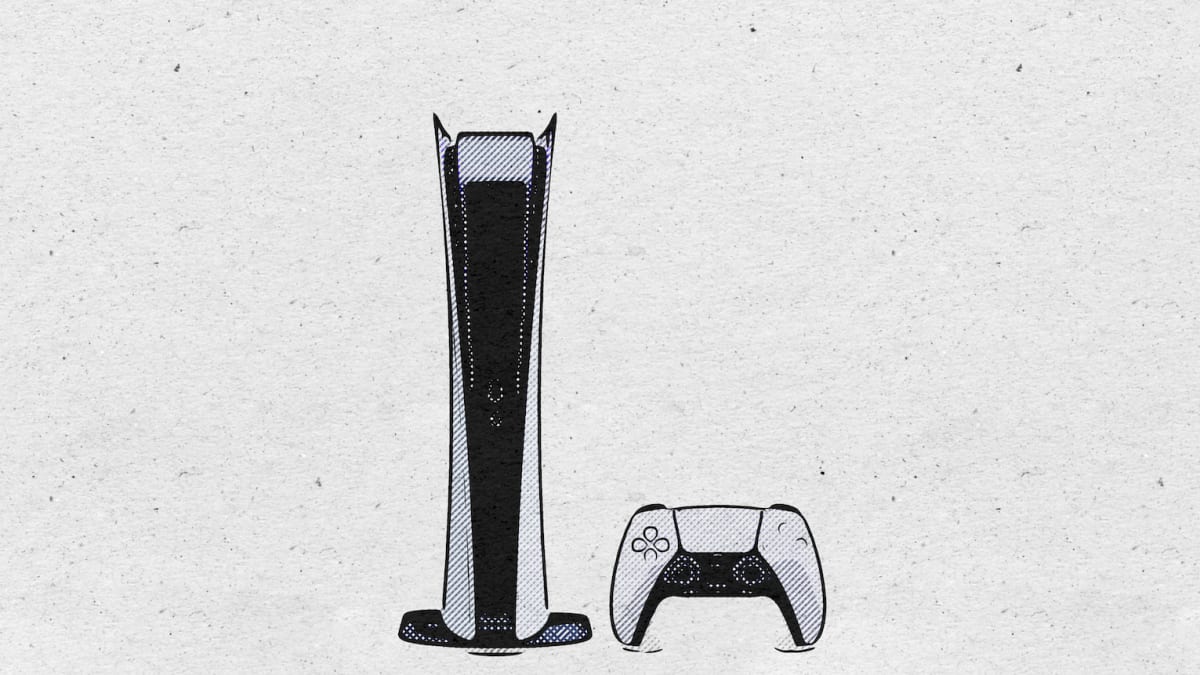
Beyond the M&A landscape, the industry faces structural challenges regarding hardware. Rising demand for AI-related processing chips has led to significant memory cost increases, with prices projected to climb through 2027. While console manufacturers are somewhat insulated by long-term supply contracts and extended product lifecycles, the broader hardware market faces an asymmetric pricing trap. Consequently, the next console generation is expected to be defined by conservative technical specifications and aggressive pricing strategies. Ultimately, the industry is shifting toward new distribution models, such as cloud and hybrid ecosystems, as it navigates a period where traditional hardware ownership becomes increasingly expensive for the mass market.