Key insights
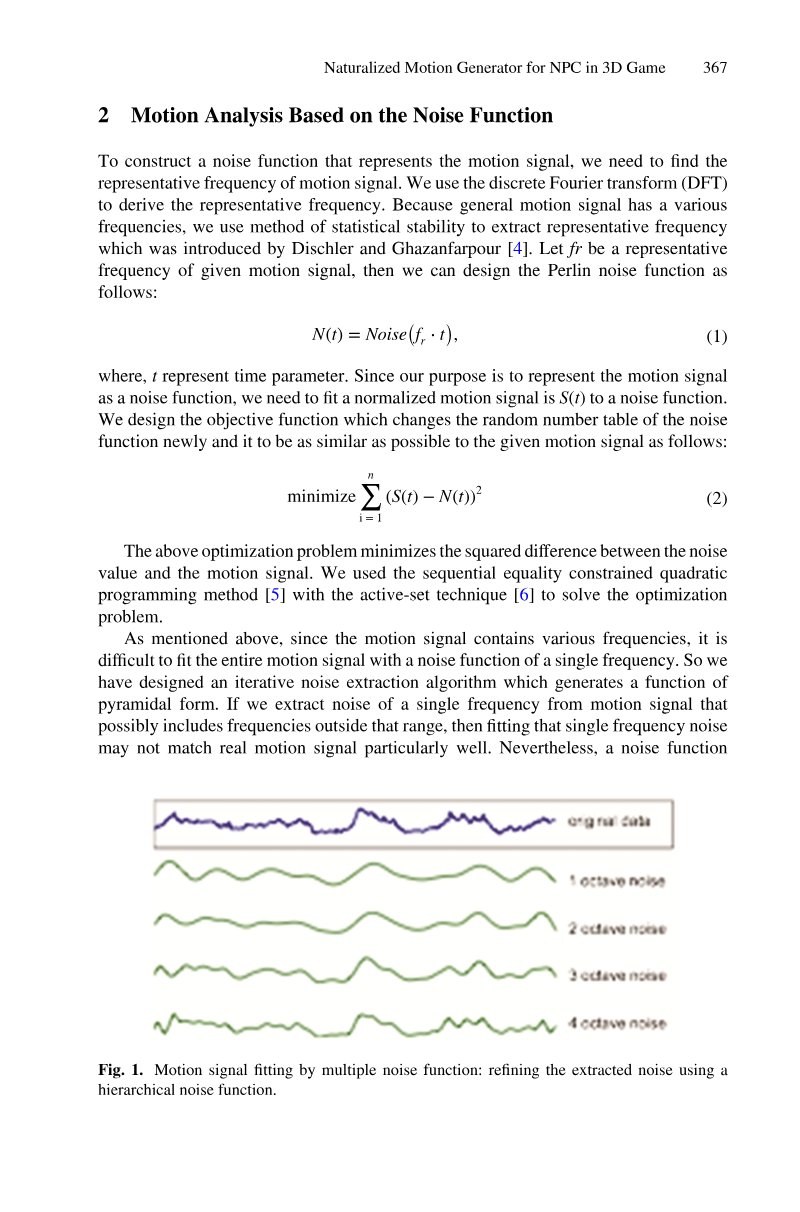
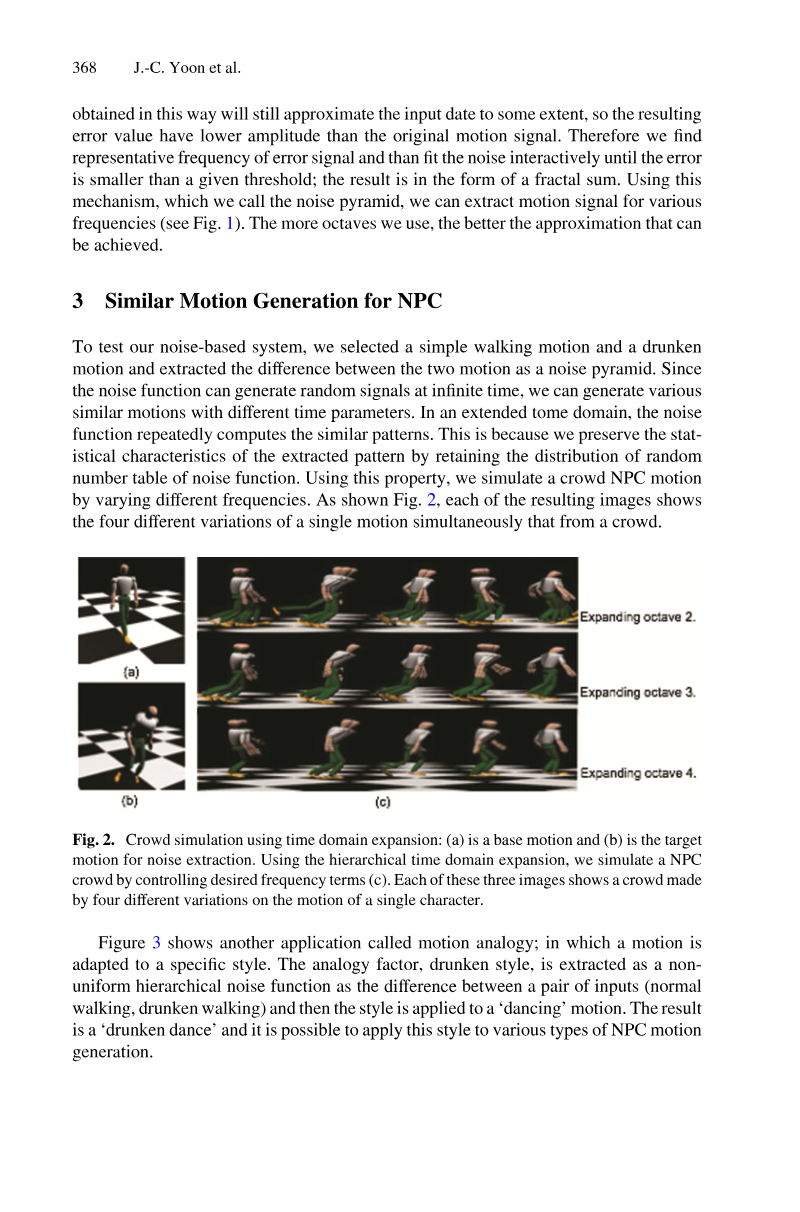
7 slides
Core capability
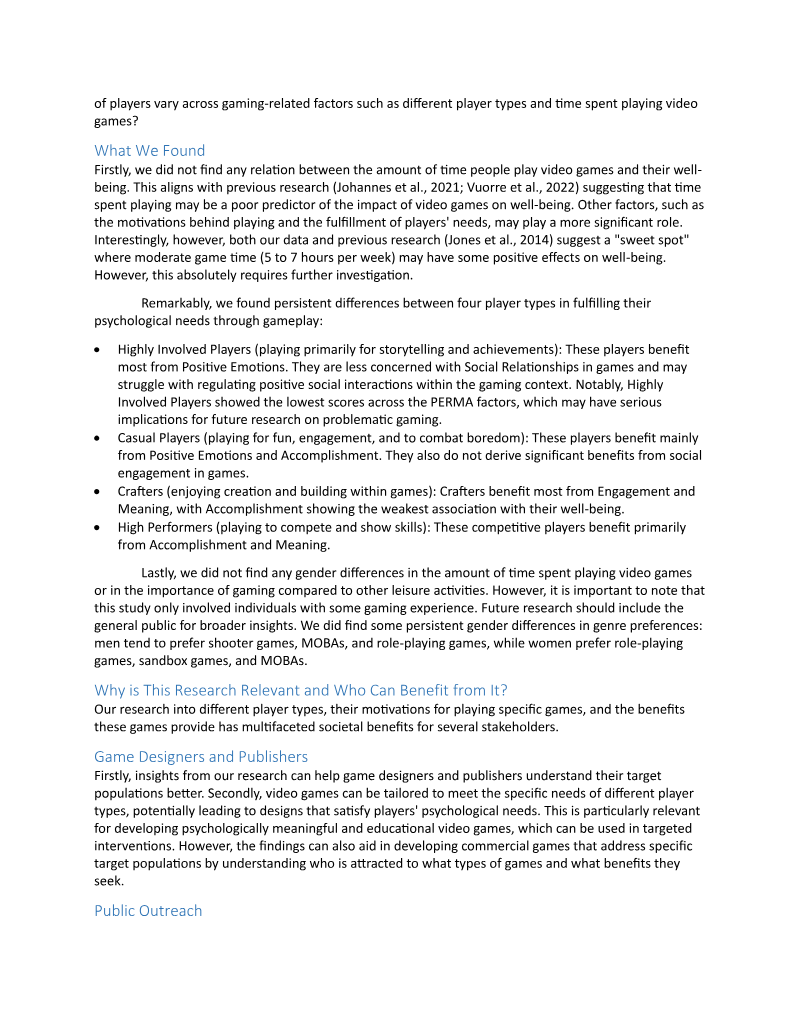
A new framework supports procedural level generation across diverse 2D platformers.
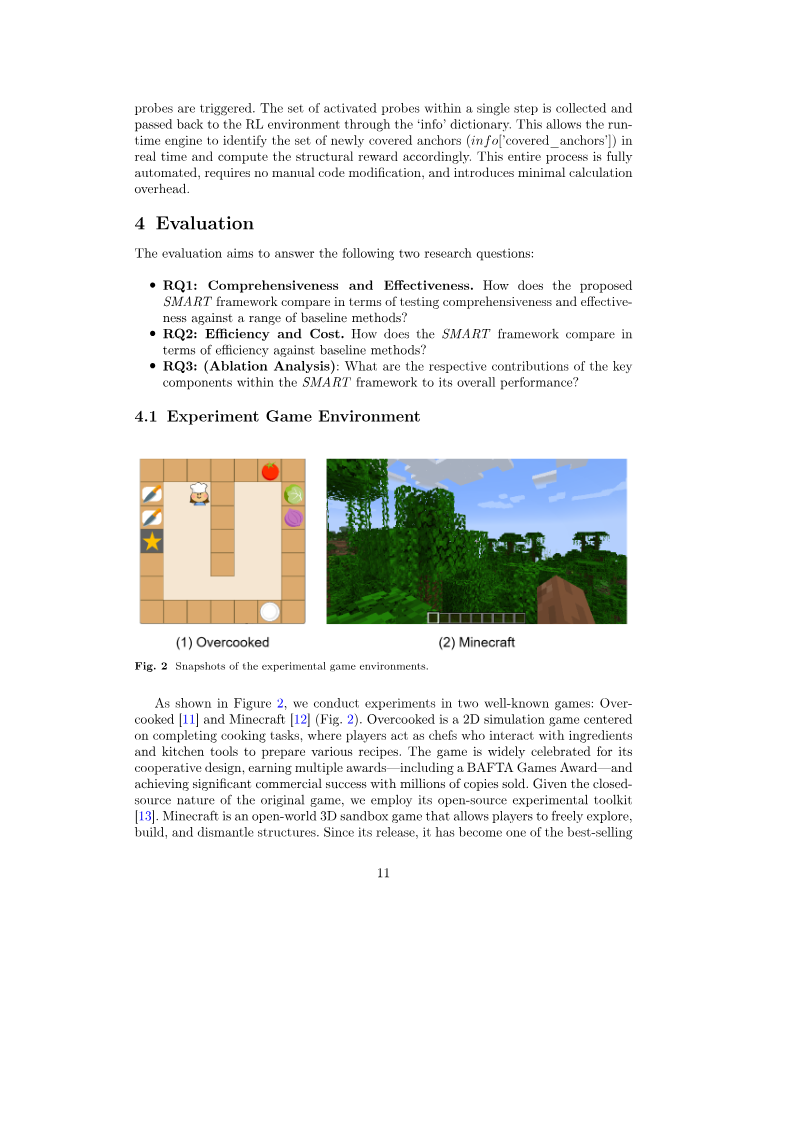
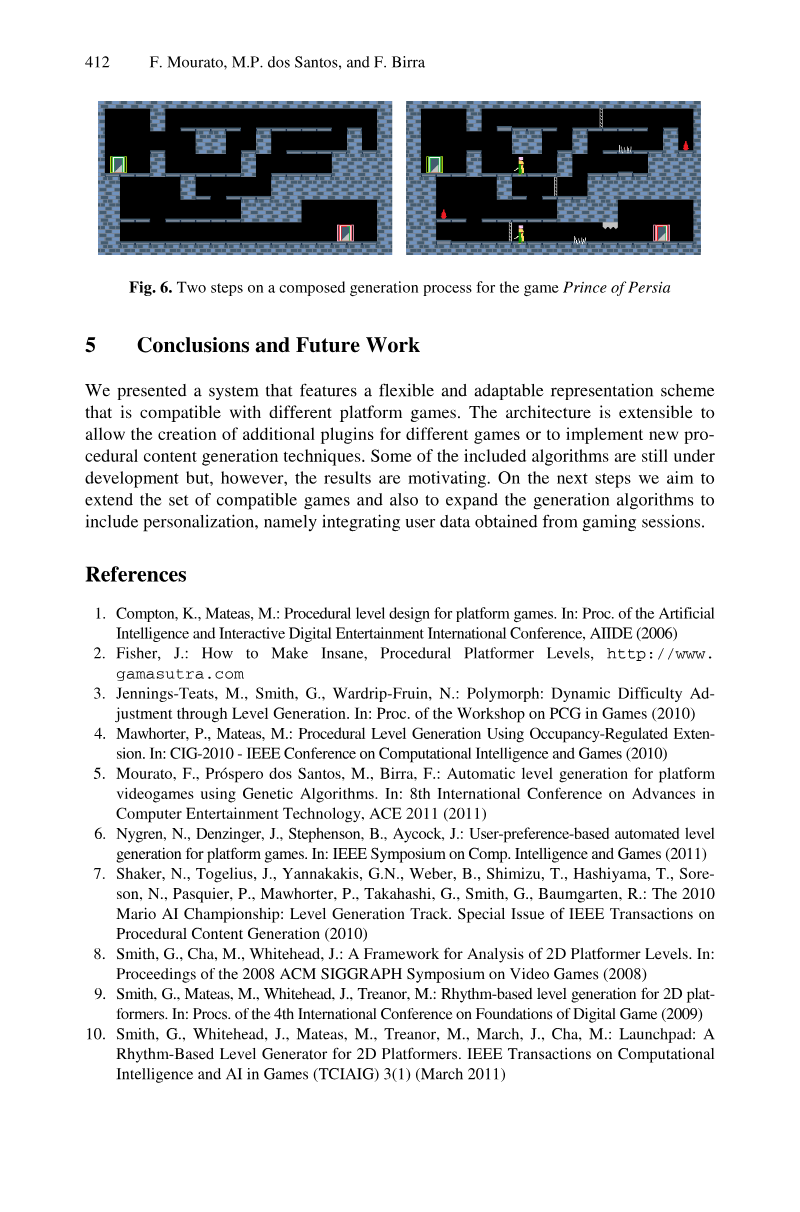
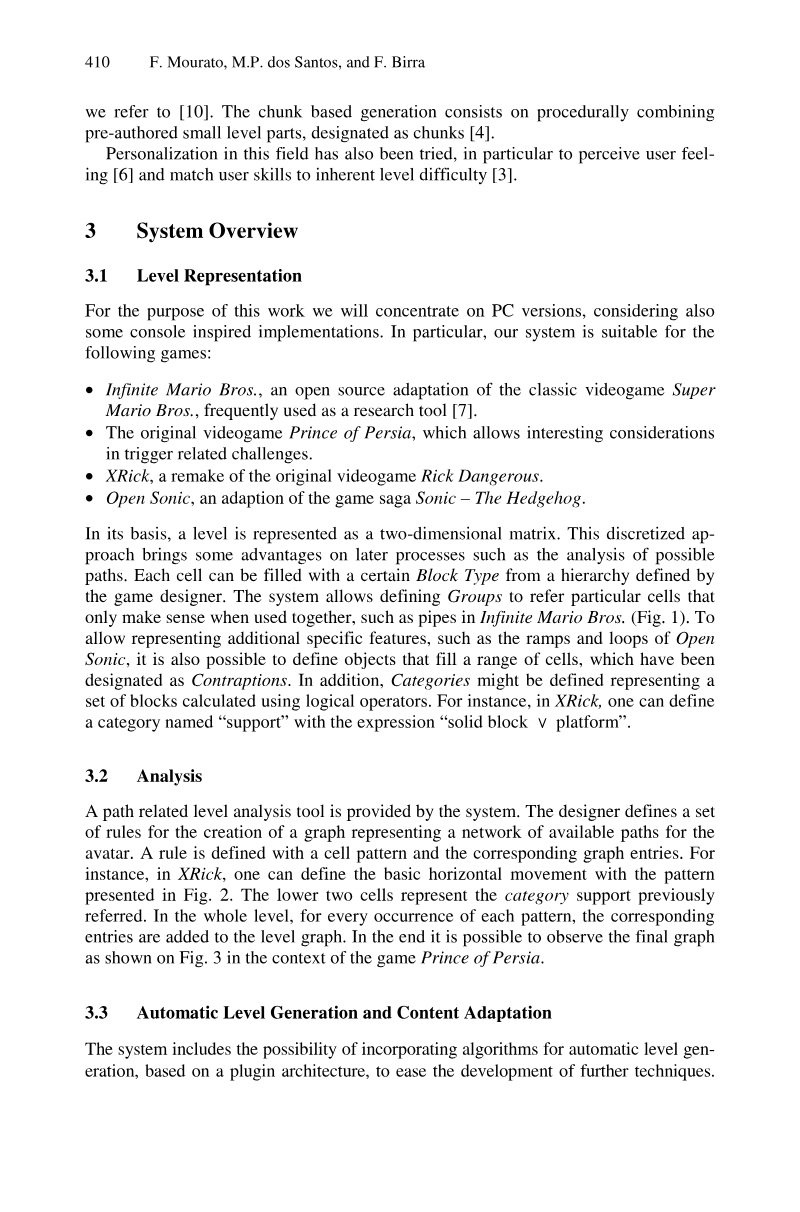
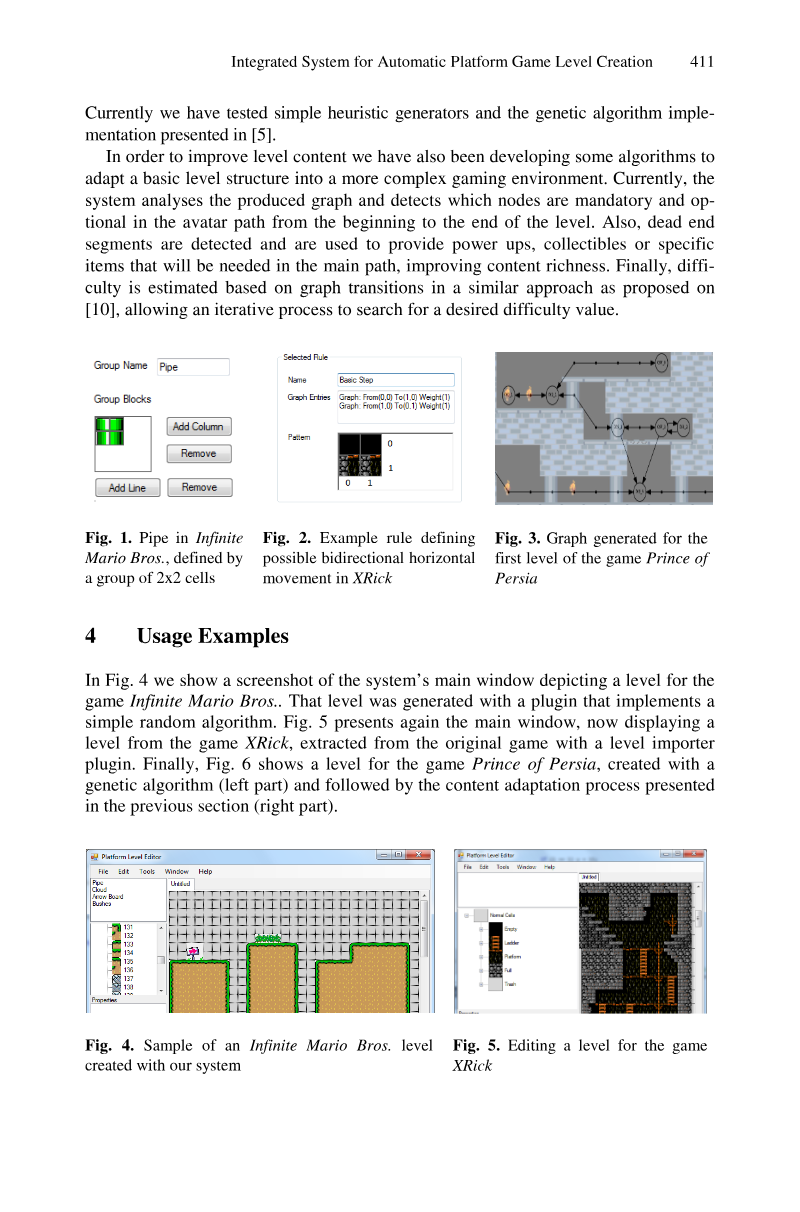
The system uses a modular, plugin-based architecture. It can generate levels for games such as Infinite Mario Bros., Prince of Persia, XRick, and Open Sonic.
1 / 7
- 01The framework utilizes a modular, plugin-based architecture to support procedural level generation across diverse 2D platformers, including Infinite Mario Bros., Prince of Persia, XRick, and Open Sonic.See it on page 4
- 02Levels are represented as discretized 2D matrices, allowing the system to define and deploy complex game elements like blocks, groups, and contraptions universally.See it on page 2
- 03A rule-based analytical engine maps all potential player paths as a graph, enabling the automated identification of mandatory routes versus optional dead-end segments for item placement.See it on page 2
- 04The system employs both heuristic and genetic procedural generation algorithms to ensure levels remain structurally viable and aesthetically coherent.See it on page 4
- 05Difficulty is managed through an iterative evaluation of graph transitions, allowing the framework to automatically adjust content to meet specific difficulty targets.See it on page 3
- 06The architecture is designed for high extensibility, permitting developers to integrate new generation algorithms or additional game titles without reconfiguring the core system.See it on page 4
- 07Future development is focused on incorporating player-specific performance data to enable personalized, adaptive gaming experiences.See it on page 4
Ask AI about this report
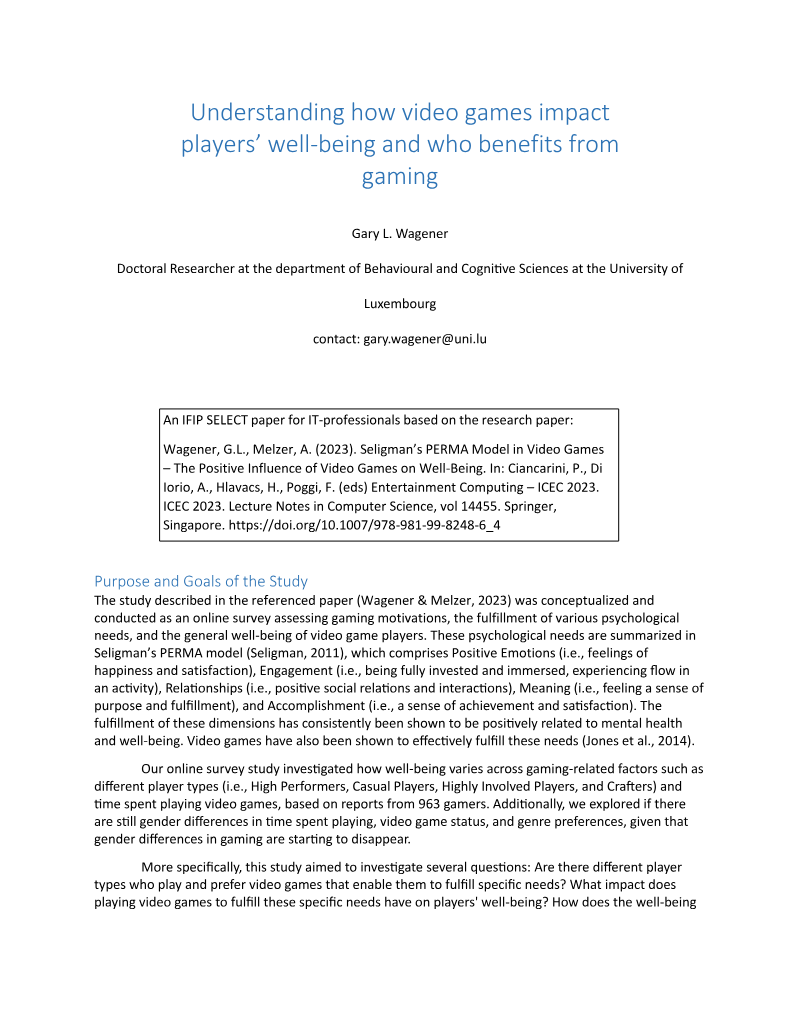
Summary
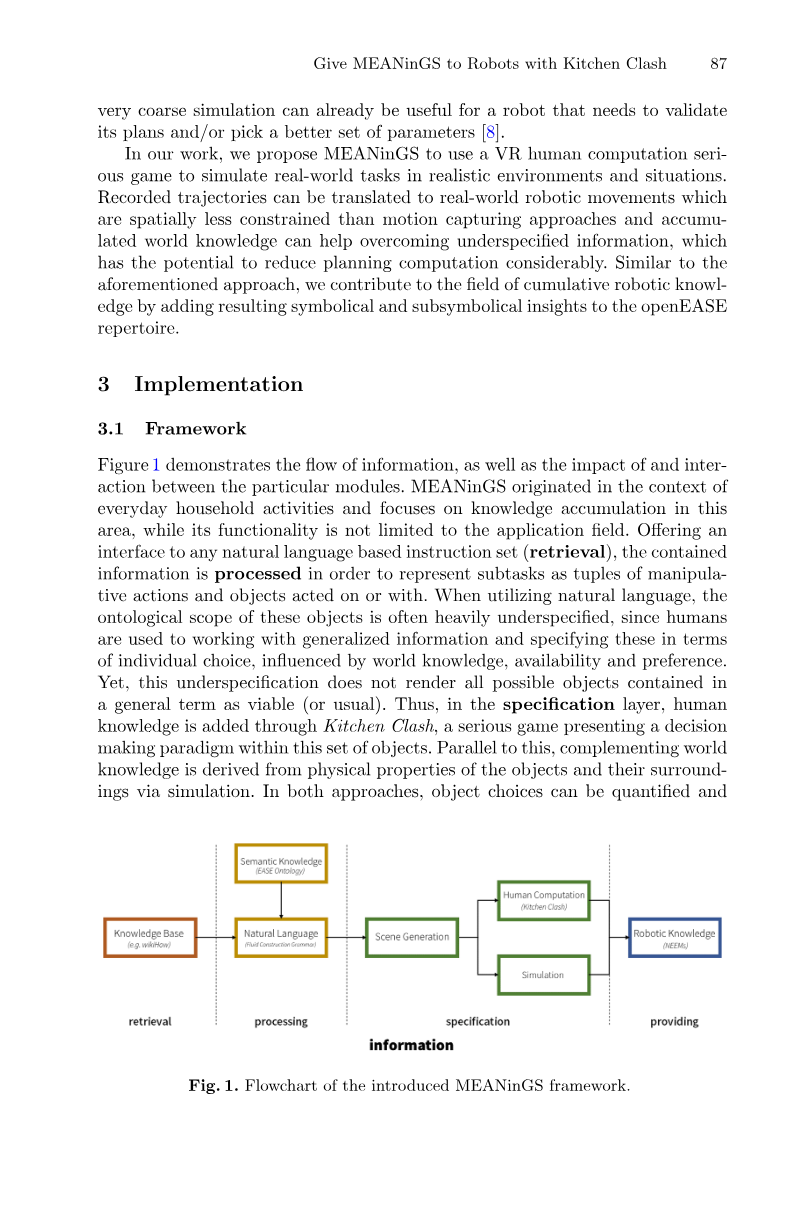
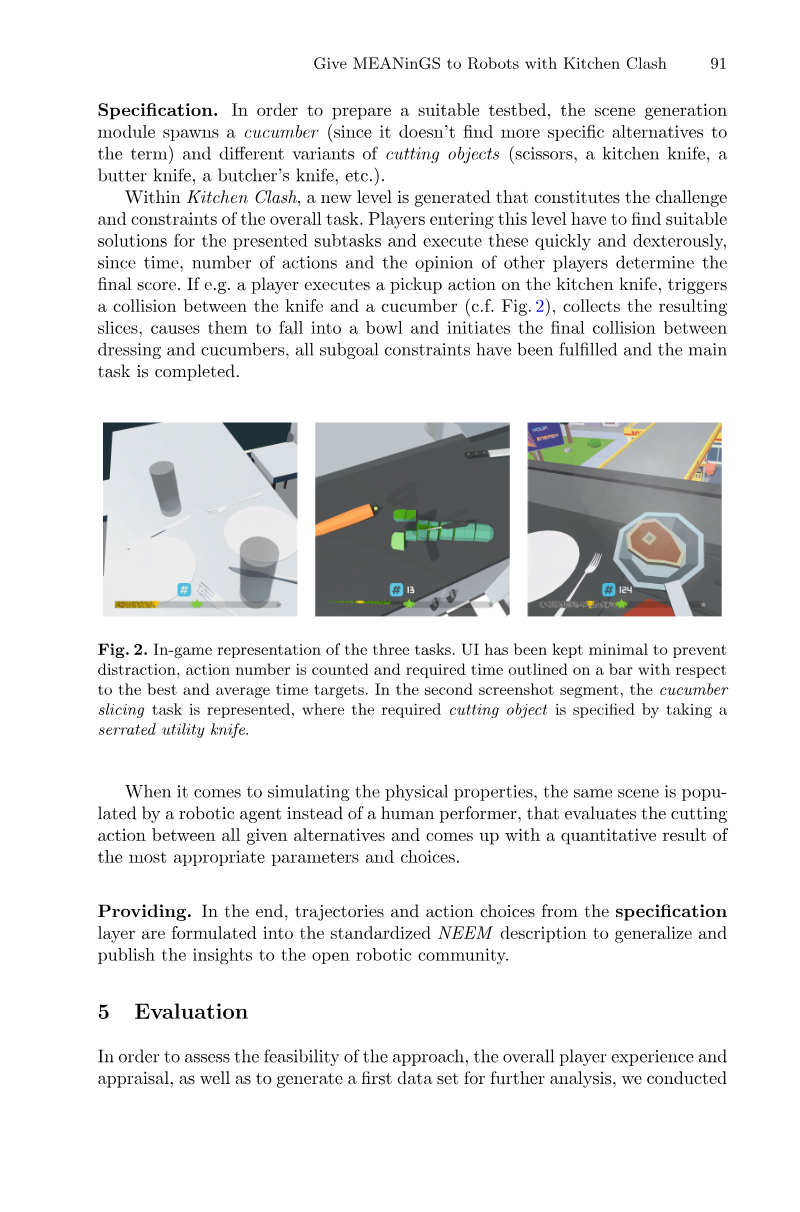
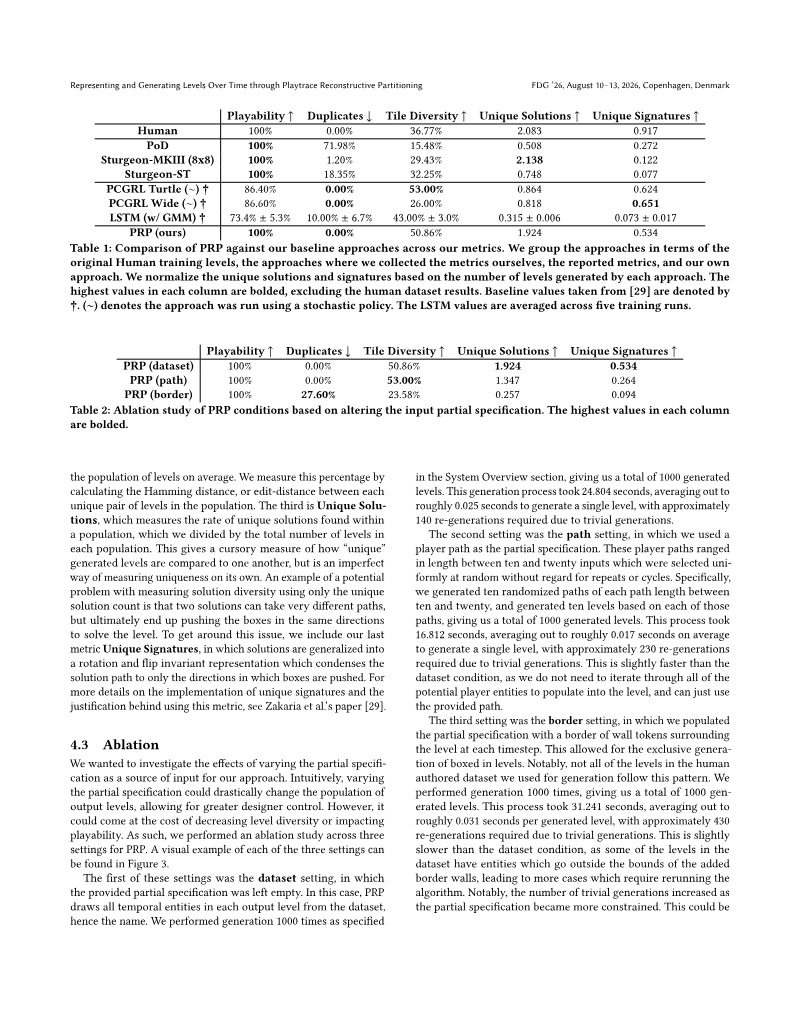
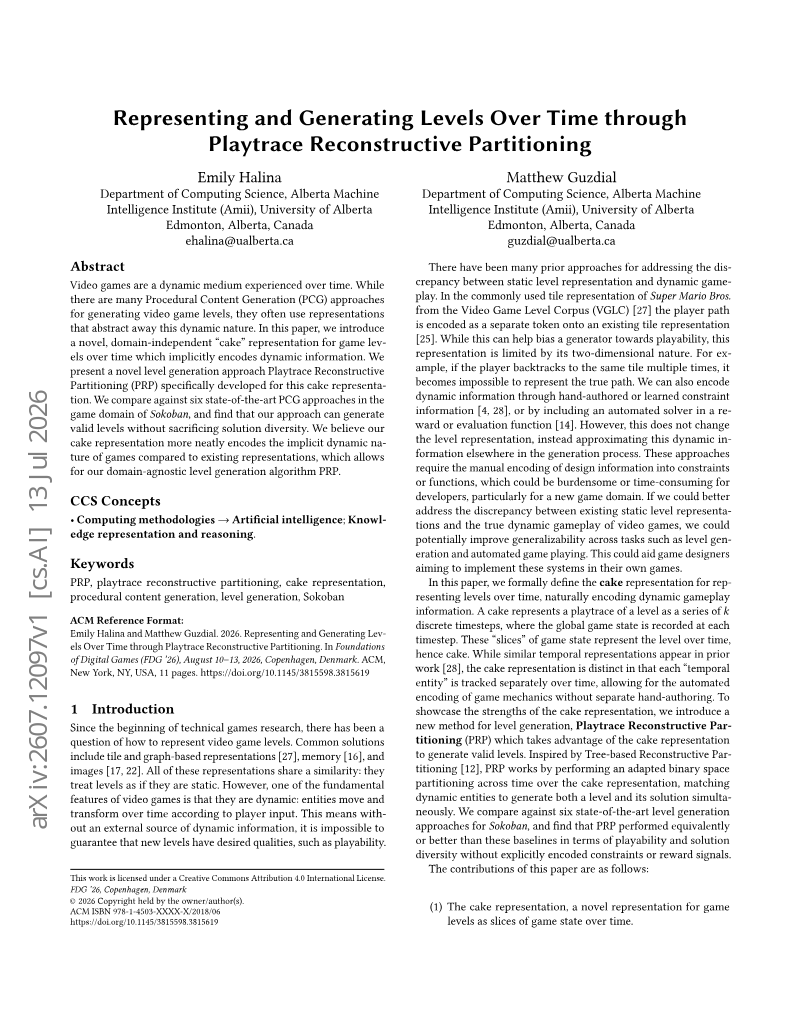
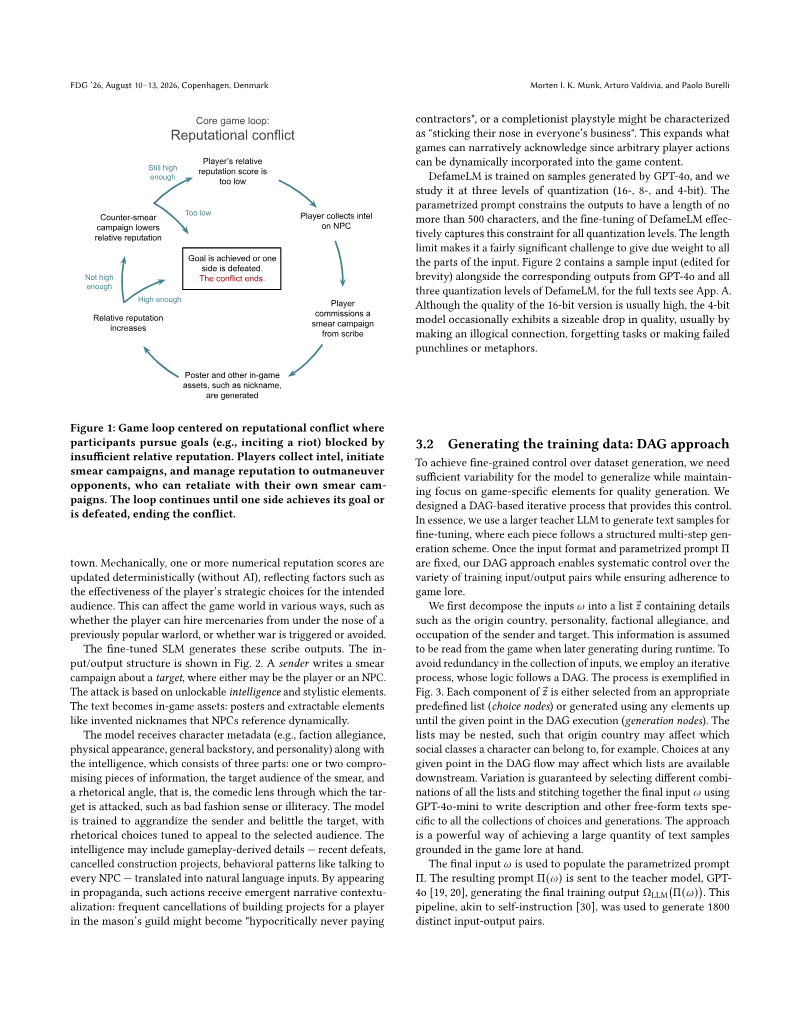
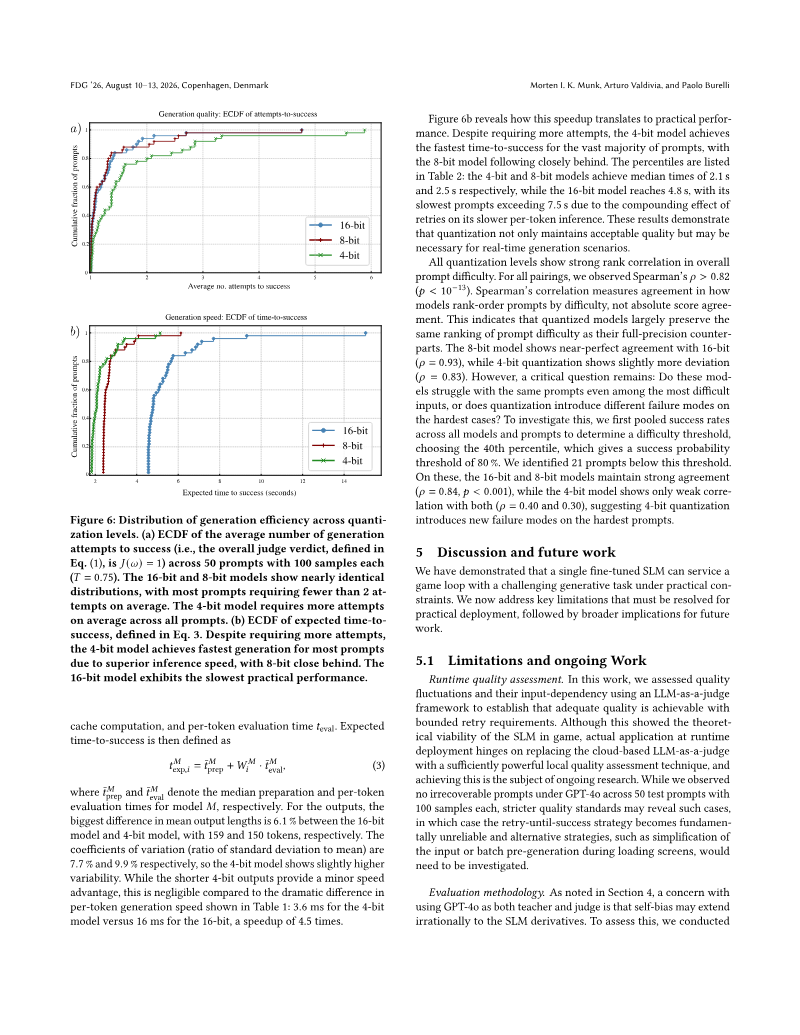
This research presents a flexible, integrated framework designed for the procedural generation and content adaptation of 2D platform game levels. The primary objective is to provide a universal system capable of supporting multiple game titles through a modular, plugin-based architecture. By utilizing a discretized 2D matrix representation, the system allows for the definition of complex game elements, such as blocks, groups, and contraptions, which can be applied across various platformer environments including Infinite Mario Bros., Prince of Persia, XRick, and Open Sonic.
The system employs a rule-based approach to analyze level geometry, constructing a graph that maps all potential paths available to the player. This analytical capability enables the automated identification of mandatory and optional paths, which facilitates the strategic placement of collectibles, power-ups, and challenges within dead-end segments. Furthermore, the framework integrates procedural generation algorithms—including heuristic and genetic approaches—to create levels that are both aesthetically coherent and structurally viable. Difficulty is managed through an iterative process that evaluates graph transitions, allowing the system to adjust content to meet specific difficulty targets.
The methodology focuses on extensibility, ensuring that developers can incorporate new generation algorithms or support additional games without reconfiguring the core framework. While the system is currently in a developmental phase, initial testing demonstrates its efficacy in generating functional, playable levels for diverse platformer titles. Future development aims to refine these algorithms and incorporate player-specific data to enable personalized gaming experiences based on individual user performance and preferences.